Unveiling the World of Possums: A Comprehensive Guide
Often mistaken for rodents, possums are a fascinating group of marsupials with a surprisingly rich history and ecological importance. These adaptable creatures inhabit diverse environments and play crucial roles in maintaining healthy ecosystems. This guide delves into the captivating world of possums, covering their evolution, habitat, behavior, and interactions with both the natural world and humans.
What Exactly is a Possum?
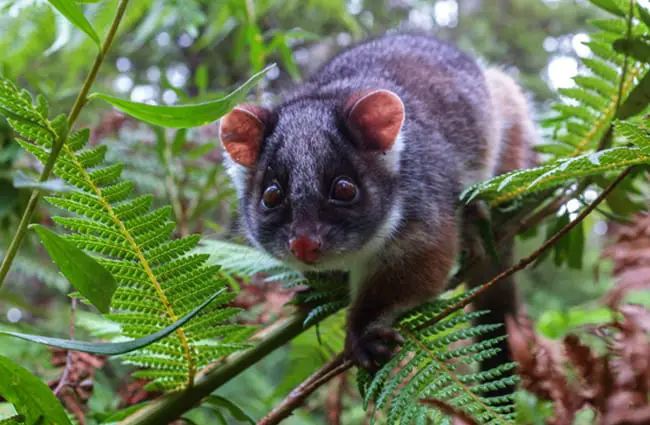
The term “possum” can be a bit confusing. In North America, it generally refers to the Virginia opossum, the only marsupial native to the continent. However, the term is more broadly used to describe a large group of marsupials native to Australia, New Guinea, and surrounding islands. These Australian possums are not closely related to the Virginia opossum, representing a separate evolutionary lineage. For clarity, this guide will cover both groups, highlighting their unique characteristics. All possums share the defining characteristic of being marsupials, meaning their young are born relatively undeveloped and complete their development within a pouch.
Evolutionary History
The evolutionary journey of possums spans millions of years. Marsupials, as a group, diverged from placental mammals during the Cretaceous period. The ancestors of Australian possums likely arrived in Australia via Antarctica when the continents were still connected. Over time, they diversified into the numerous species we see today. The Virginia opossum, on the other hand, is believed to have migrated from South America to North America relatively recently, via a land bridge that once connected the two continents.
Habitat and Distribution
Possums exhibit remarkable adaptability, thriving in a wide array of habitats. Australian possums occupy forests, woodlands, and even urban areas. They are particularly common in eucalyptus forests, where they feed on leaves, buds, and blossoms. The Virginia opossum is found across much of North America, from southern Canada to Central America. They inhabit forests, grasslands, and suburban landscapes, often seeking shelter in dens abandoned by other animals or in human structures. A key factor in their success is their opportunistic nature; they aren’t picky eaters and can survive in fragmented habitats.
Where to Find Possums in the Wild
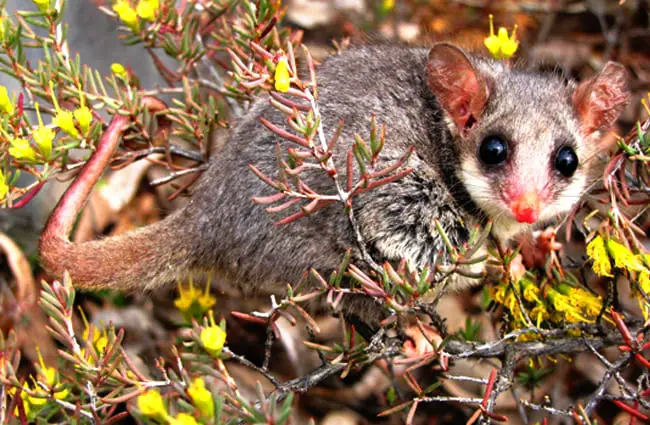
If you’re hoping to spot a possum, your chances are highest at night. Both Australian and North American species are primarily nocturnal. Look for them in areas with dense vegetation, near sources of water, and around fruit‑bearing trees. In Australia, listen for their distinctive calls, which can vary depending on the species. In North America, check under sheds, decks, and woodpiles for signs of their presence. Remember to observe them from a distance and avoid disturbing their natural behavior.
Diet and Feeding Habits
Possums are omnivores, meaning they eat both plants and animals. Their diet varies depending on the species and the availability of food. Australian possums primarily feed on leaves, buds, fruits, and nectar. Some species, like the sugar glider, also consume insects and small vertebrates. The Virginia opossum has a more diverse diet, including fruits, vegetables, insects, rodents, birds, and even carrion. They play an important role in controlling pest populations and dispersing seeds.
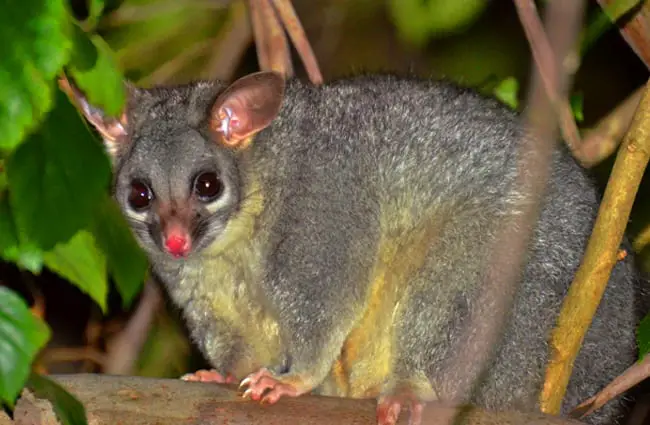
Ecological Role: Seed Dispersal and Pest Control
Possums contribute significantly to ecosystem health. As they consume fruits and berries, they disperse seeds, aiding in plant propagation. Their insectivorous habits help control populations of pest insects, benefiting agriculture and forestry. By consuming carrion, they also help prevent the spread of disease. Their foraging habits contribute to nutrient cycling within their habitats.
Reproduction and Life Cycle
Possums have a relatively short lifespan, typically living for only a few years in the wild. They breed seasonally, with most species giving birth to litters of one to several young. As marsupials, possum joeys are born underdeveloped and must climb into their mother’s pouch to attach to a nipple and continue their development. They remain in the pouch for several months, gradually emerging to explore their surroundings. Young possums become independent at around six to eight months of age.
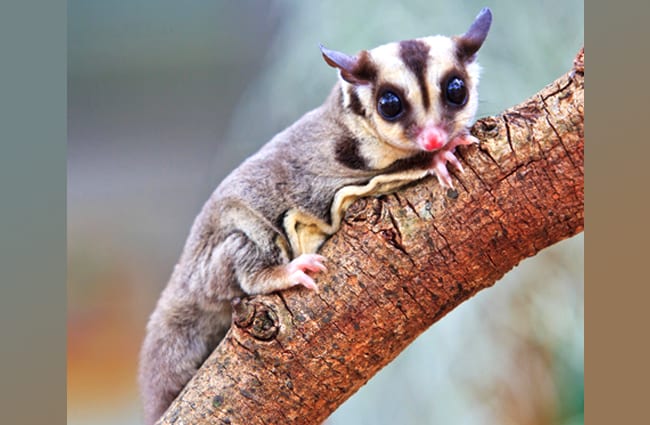
Possum Behavior and Social Structure
Possums exhibit a range of behaviors, from solitary foraging to social interactions. Some species, like the common brushtail possum, are relatively social, forming small groups or colonies. Others, like the sugar glider, live in family groups and defend territories. Possums are known for their arboreal skills, expertly navigating trees and shrubs. They use their prehensile tails for grip and balance. When threatened, possums may emit a foul odor or play dead, a behavior known as thanatosis.
Possums and Humans: Interactions and Coexistence
Possums often come into contact with humans, particularly in urban and suburban areas. They may raid gardens, eat pet food, and take shelter in attics or sheds. While these interactions can be frustrating, it’s important to remember that possums are a natural part of the ecosystem. Preventing conflicts involves securing garbage cans, removing food sources, and sealing potential entry points into buildings. Never attempt to handle a possum, as they may bite or scratch. If you encounter a sick or injured possum, contact a local wildlife rehabilitator.
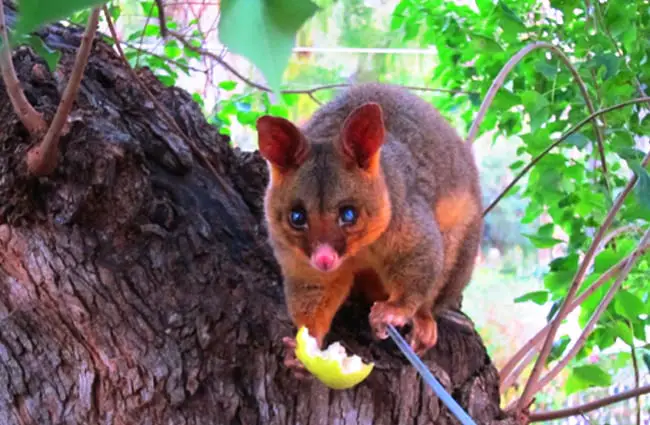
What to do if you encounter a Possum
If you encounter a possum in your yard or home, remain calm. Do not approach or attempt to handle the animal. Slowly back away and give it space to leave on its own. Ensure your pets are safely indoors. If the possum appears sick or injured, contact a local animal control or wildlife rehabilitation center for assistance. Never try to move an injured animal yourself.
Possum Conservation Status
The conservation status of possums varies depending on the species. Some species, like the common brushtail possum, are abundant and widespread. Others, like Leadbeater’s possum, are critically endangered due to habitat loss and predation. Conservation efforts focus on protecting and restoring habitats, controlling invasive species, and reducing threats to endangered populations. Supporting sustainable land management practices and reducing human impacts on ecosystems are crucial for ensuring the long‑term survival of these fascinating marsupials.
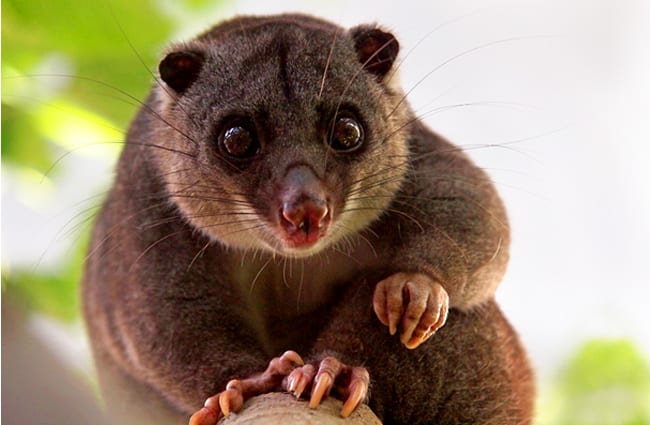
Zookeeping and Captive Care
Caring for possums in captivity requires specialized knowledge and attention to their specific needs. Enclosures should be spacious and provide ample opportunities for climbing and exploration. A varied diet consisting of fruits, vegetables, insects, and specialized marsupial food is essential. Providing enrichment activities, such as puzzle feeders and climbing structures, is crucial for maintaining their physical and mental well‑being. Regular veterinary checkups and preventative care are vital for ensuring their health. Strict hygiene protocols are necessary to prevent the spread of disease. It is important to understand the natural behaviors of the species being cared for and to provide an environment that allows them to express those behaviors.
Fascinating Possum Facts
- The Virginia opossum is the only marsupial native to North America.
- Sugar gliders have a membrane between their legs that allows them to glide through the air.
- Some possum species have prehensile tails that they use for grasping branches.
- Possums play an important role in controlling tick populations.
- The common brushtail possum is known for its distinctive call, which sounds like a wailing baby.
- Possums can regulate their body temperature through panting and licking.
- The Leadbeater’s possum is critically endangered, with fewer than 2,000 individuals remaining in the wild.
Possums are remarkable creatures that play a vital role in the ecosystems they inhabit. From their unique evolutionary history to their fascinating behaviors, these marsupials continue to captivate and inspire. By understanding and appreciating these animals, we can ensure their survival for generations to come.
![Closeup of a beautiful Red Angus cowPhoto by: U.S. Department of Agriculture [pubic domain]https://creativecommons.org/licenses/by/2.0/](https://animals.net/wp-content/uploads/2020/03/Red-Angus-4-238x178.jpg "Red Angus")
![Closeup of a beautiful Red Angus cowPhoto by: U.S. Department of Agriculture [pubic domain]https://creativecommons.org/licenses/by/2.0/](https://animals.net/wp-content/uploads/2020/03/Red-Angus-4-100x75.jpg "Red Angus")