Wallabies, often mistaken for miniature kangaroos, are captivating marsupials that embody the unique biodiversity of the Australian continent and beyond. These agile creatures possess a charm that has intrigued scientists and animal enthusiasts for decades. This comprehensive guide delves into the world of wallabies, exploring their biology, behavior, ecology, and cultural significance.

What is a Wallaby?
The term “wallaby” isn’t a strict taxonomic classification. It is an informal label that includes many species within the family Macropodidae – the same family as kangaroos. Generally, wallabies are smaller than kangaroos, though size can vary significantly between species. There are more than 30 different species of wallabies, each adapted to specific environments and exhibiting unique characteristics.
Physical Characteristics
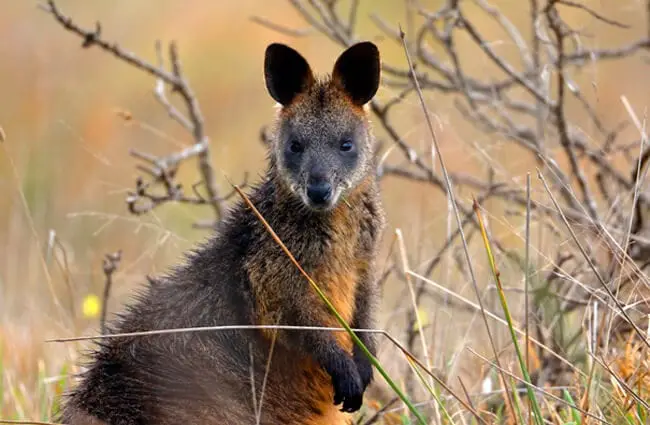
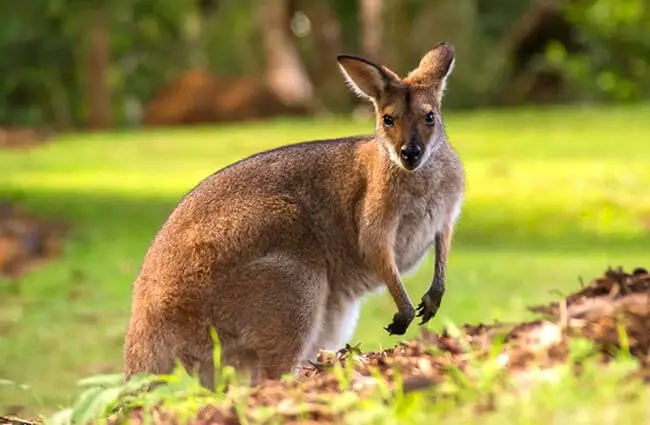
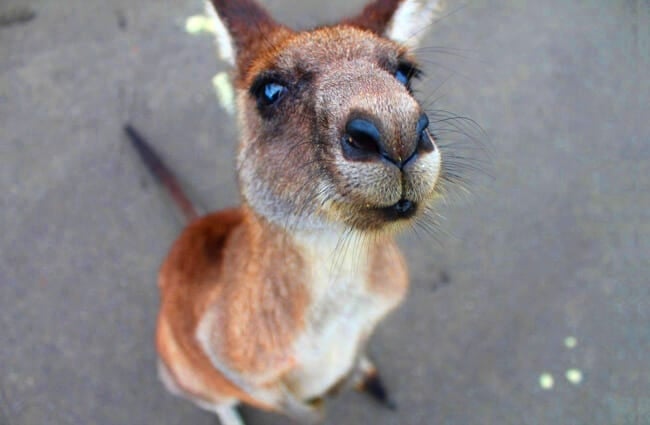
Wallabies exhibit the characteristic macropod physique – powerful hind legs, a muscular tail for balance, and smaller forelimbs. Their fur color varies depending on the species and habitat, ranging from reddish‑brown to gray or even pale cream. They possess large ears, excellent hearing, and strong jaws adapted for grazing and browsing. An adult wallaby typically measures between 45 and 105 centimeters in length, with a tail adding another 50 to 85 centimeters. Their weight can range from 2 to 24 kilograms, depending on the species and individual.
Habitat and Distribution
Wallabies are primarily found in Australia and New Guinea, with a few introduced populations in other parts of the world. They inhabit a diverse range of environments, including forests, woodlands, grasslands, rocky outcrops, and scrublands. Specific species have adapted to thrive in particular habitats. For instance, the Swamp Wallaby prefers wetlands and damp forests, while the Rock‑Wallaby, as the name suggests, favors rocky terrain.
Diet and Feeding Behavior
Wallabies are herbivores, feeding mainly on grasses, herbs, leaves, and shrubs. They are selective grazers and browsers, choosing plants based on their nutritional content and digestibility. Their digestive system is adapted to efficiently extract nutrients from tough plant material. They have a large hindgut with symbiotic bacteria that aid in fermentation. Wallabies exhibit both diurnal and nocturnal feeding patterns, depending on the species and environmental conditions. They are often most active during the cooler hours of the day or night.
Evolutionary History
The evolutionary history of wallabies is intertwined with that of kangaroos and other macropods. Fossil evidence suggests that the macropod lineage dates back to the Oligocene epoch, around 30 million years ago. Early macropods were likely small, arboreal creatures that gradually adapted to terrestrial life. Over millions of years, the macropod family diversified, giving rise to various species of kangaroos, wallabies, and related forms. The ability to hop efficiently on powerful hind legs proved to be a significant advantage in the Australian landscape.
Reproduction and Life Cycle
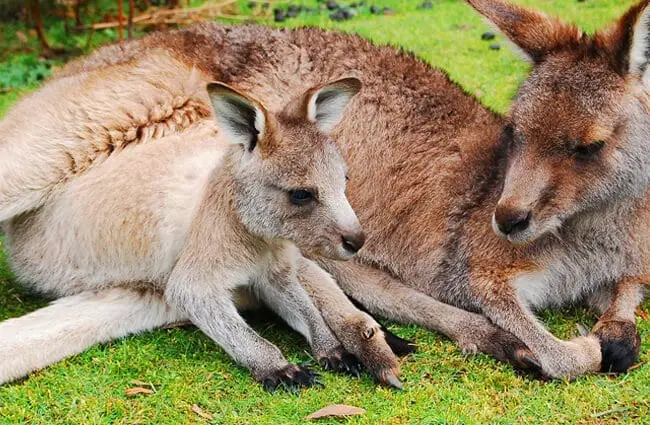
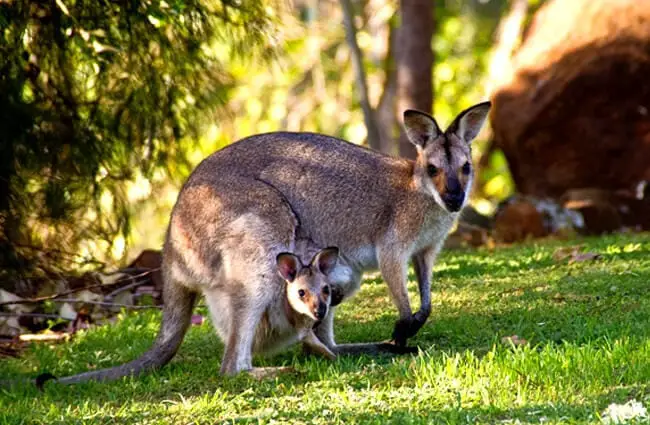
Wallabies have a fascinating reproductive strategy typical of marsupials. Females have a pouch where their young, called joeys, complete their development. After a gestation period of around 30 to 40 days, a tiny, undeveloped joey is born. It immediately climbs into its mother’s pouch and attaches to a teat. The joey remains in the pouch for several months, feeding and developing. Once it starts to venture out of the pouch, it continues to suckle for several more months. Wallabies can produce multiple joeys in a year, with females often having one joey “on foot” while another is developing in the pouch. Male wallabies compete for mating rights, engaging in boxing matches to establish dominance.
Ecological Role and Interactions
Wallabies play a crucial role in the Australian ecosystem. As herbivores, they influence vegetation structure and composition. Their grazing and browsing help to maintain grassland and woodland habitats. They also serve as a food source for predators such as dingoes, eagles, and pythons. Wallabies interact with other animals in various ways. They may compete with other herbivores for food resources, contribute to seed dispersal through their droppings, and their digging activities can aerate the soil and create habitats for other creatures.
Wallabies and Humans
For Aboriginal Australians, wallabies have been a significant source of food and materials for thousands of years. Traditional hunting practices are sustainable and respect the animal’s place in the ecosystem. European colonization had a significant impact on wallaby populations, with habitat loss and hunting leading to declines in many areas. Today, conservation efforts focus on protecting wallaby habitats and managing populations. Wallabies are also popular attractions in zoos and wildlife parks, allowing people to learn about and appreciate these amazing creatures.
Encountering Wallabies in the Wild – A Guide
If you are fortunate enough to encounter a wallaby in the wild, observe these guidelines. Maintain a safe distance. Wallabies are generally shy and will flee if approached too closely. Avoid making sudden movements or loud noises. Do not attempt to feed or touch the animal. Report any injured or distressed wallabies to local wildlife authorities.
Wallaby Care in Captivity
For zookeepers and wildlife carers, providing appropriate care for wallabies requires careful attention to their needs. Provide a spacious enclosure with plenty of vegetation and shade. Offer a balanced diet of grasses, hay, and leafy greens. Ensure access to fresh water at all times. Provide enrichment activities to stimulate their natural behaviors. Monitor their health regularly and seek veterinary attention when needed.
Interesting Facts About Wallabies
- Wallabies can leap distances of up to 3 meters in a single bound.
- Some species of wallabies are nocturnal, while others are diurnal.
- Wallabies have a highly developed sense of smell and hearing.
- Their large feet act as shock absorbers during leaping.
- Female wallabies can delay the development of an embryo until conditions are favorable.
- Wallaby populations are often monitored using aerial surveys and radio tracking.
Wallabies represent a unique and fascinating component of Australia’s biodiversity. Their adaptations, behaviors, and ecological roles demonstrate the power of evolution and the interconnectedness of life. Continued conservation efforts are essential to ensure that these remarkable creatures thrive for generations to come.
![Closeup of a beautiful Red Angus cowPhoto by: U.S. Department of Agriculture [pubic domain]https://creativecommons.org/licenses/by/2.0/](https://animals.net/wp-content/uploads/2020/03/Red-Angus-4-238x178.jpg "Red Angus")

![Closeup of a beautiful Red Angus cowPhoto by: U.S. Department of Agriculture [pubic domain]https://creativecommons.org/licenses/by/2.0/](https://animals.net/wp-content/uploads/2020/03/Red-Angus-4-100x75.jpg "Red Angus")