Swans, those elegant and often iconic birds, hold a special place in folklore, art, and the natural world. Their graceful movements and striking beauty have captivated humans for centuries. But beyond the surface lies a fascinating story of evolution, behavior, and ecological importance. This guide delves into the world of swans, exploring their biology, habits, and their place within our shared environment.
What is a Swan?
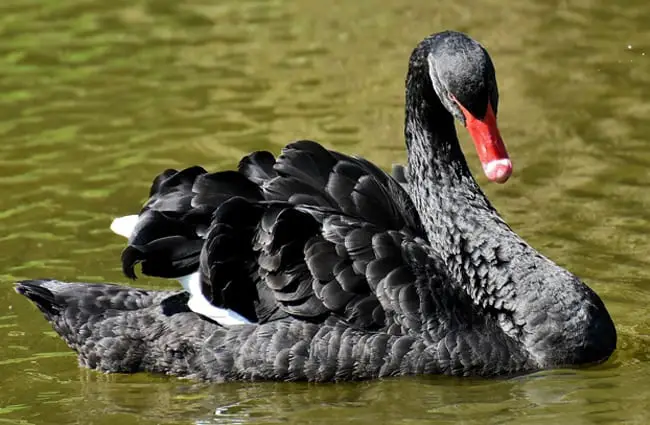
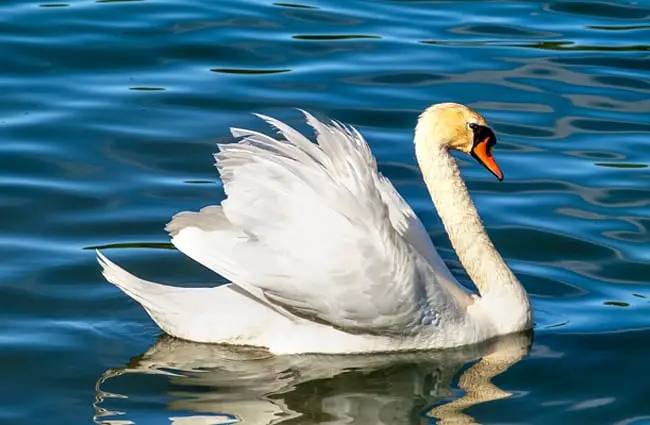
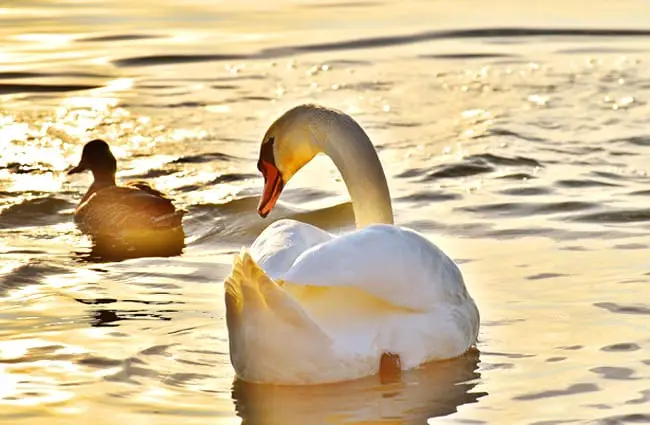
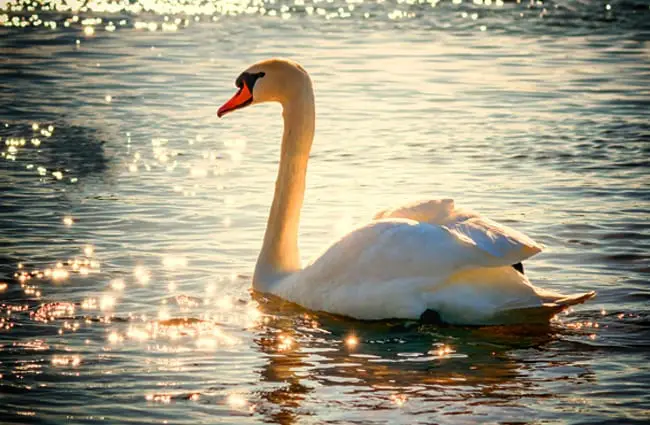
Swans belong to the family Anatidae, which also includes geese and ducks. However, swans are generally larger and possess longer necks than their relatives. There are several species of swans, but the most recognizable include the Mute Swan, the Trumpeter Swan, the Tundra Swan, and the Black Swan. Each species exhibits unique characteristics in size, coloration, and vocalizations.
Physical Characteristics
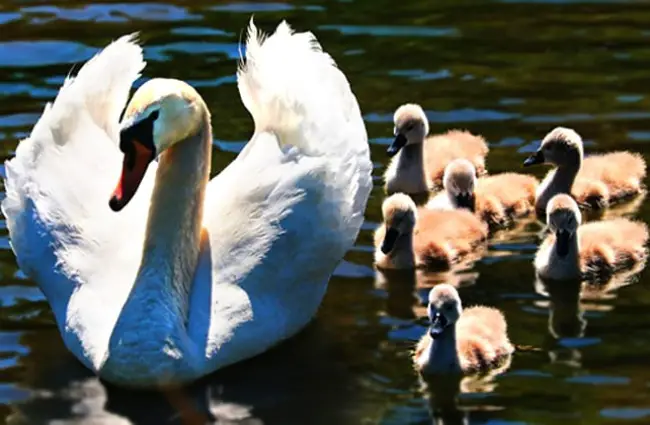
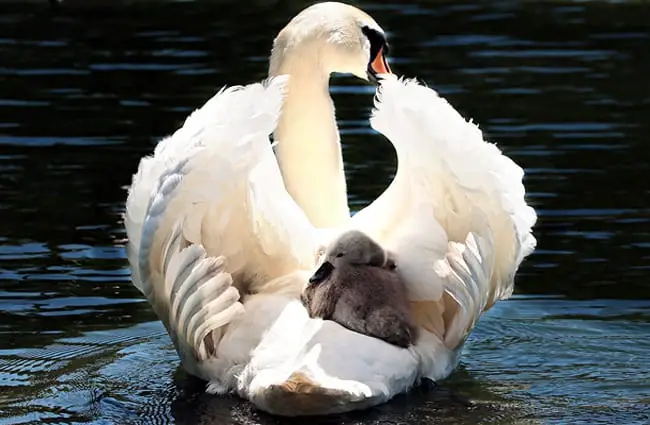
Swans are noted for their substantial size. The Mute Swan, for example, can weigh upwards of 28 pounds and have a wingspan exceeding 10 feet. Their plumage is predominantly white, except for the Black Swan, which, as its name suggests, is almost entirely black. Young swans, known as cygnets, are typically covered in gray down before developing their adult plumage.
Swan Habitat and Distribution
Swans are found in a variety of freshwater habitats, including lakes, ponds, rivers, and marshes. Their distribution is widespread, spanning North America, Europe, Asia, and Australia. Specific species exhibit different habitat preferences. For instance, Trumpeter Swans favor large, remote wetlands and lakes in western North America, while Mute Swans are often found in more urban and managed environments, especially in introduced ranges.
Finding Swans in the Wild
For those seeking to observe swans in their natural habitat, knowing where to look is crucial. During the breeding season, swans are most often found near freshwater lakes and ponds with abundant vegetation. Look for areas with open water for takeoff and landing, as well as sheltered areas for nesting. Early morning or late evening are often the best times to observe their activity.
Swan Diet and Foraging Behavior
Swans are primarily herbivorous, feeding on aquatic plants, grasses, and grains. They forage both in the water and on land. Their long necks allow them to reach submerged vegetation, and their powerful bills are well adapted for tearing and consuming plant matter. Swans will also occasionally consume seeds and small invertebrates, especially during the breeding season when their nutritional needs are higher.
Swan Evolution and Ancestry
The evolutionary history of swans can be traced back to the Anatidae family, which originated during the Paleogene period. Over millions of years, swans gradually evolved from their duck and goose ancestors, developing their characteristic long necks, large size, and specialized feeding adaptations. Fossil evidence suggests that early swan species were less specialized than modern swans, with shorter necks and more varied diets.
Swan Mating and Reproduction
Swans are known for their strong pair bonds, often mating for life. They typically begin breeding at around three to four years of age. The mating ritual involves elaborate displays, including synchronized swimming, vocalizations, and neck posturing. After mating, the female swan builds a large nest, usually on the ground near the water. She lays between four and seven eggs, which she incubates for around 30 to 45 days.
Raising Cygnets
Once the eggs hatch, the cygnets are immediately capable of swimming and following their parents. The parents are highly protective of their young, guarding them against predators and guiding them to foraging areas. Cygnets grow rapidly and typically fledge, or develop their adult plumage, after about four months. They remain with their parents for several months, learning essential survival skills.
Swan Behavior and Social Structure
While swans are often seen in pairs or small family groups, they can also gather in larger flocks, especially during migration or in wintering areas. They are generally peaceful birds, but they can become aggressive if they feel threatened, particularly during the breeding season. Male swans, known as cob, are often more assertive than females, and they will vigorously defend their territory and mate.
Swan Interactions with Ecosystems
Swans play an important role in aquatic ecosystems. Their foraging activities can help to control aquatic vegetation, and their droppings contribute nutrients to the water. They may also be preyed upon by predators such as foxes, eagles, and coyotes, especially when they are young. However, in some areas, large populations of swans can have negative impacts on aquatic vegetation and water quality.
Swans and Humans: A Historical Relationship
Swans have held cultural significance for centuries. In European folklore, swans are often associated with grace, beauty, and love. They feature prominently in myths, legends, and works of art. In some cultures, swans were considered sacred animals, and killing one was considered a crime. Today, swans continue to be admired for their beauty, and they are popular subjects for photography and wildlife watching.
Human Impact on Swan Populations
Throughout history, human activities have had both positive and negative impacts on swan populations. Habitat loss, pollution, and hunting have all contributed to declines in some areas. However, conservation efforts, such as habitat restoration and protection, have helped to stabilize and even increase swan populations in other areas.
Swan Care in Captivity
For zookeepers and wildlife rehabilitators caring for swans, providing an appropriate environment and diet is crucial. Swans require large enclosures with access to both land and water. Their diet should consist of a variety of aquatic plants, grasses, and supplemented feed. Regular health checks are essential to monitor their physical condition and detect any signs of illness.
Addressing Swan Behavioral Needs
Swans are social birds, so they benefit from being housed with other swans or waterfowl. Providing opportunities for foraging and exploration can help to prevent boredom and promote natural behaviors. It is also important to minimize stress by providing a quiet and secure environment.
What to Do If You Encounter a Swan
If you encounter a swan in the wild, it is best to observe it from a distance. Avoid approaching or disturbing the bird, especially if it is nesting or with its young. If a swan appears injured or distressed, contact a local wildlife rehabilitator or animal control agency for assistance.
Fun Facts About Swans
- Swans are among the largest flying birds.
- The Mute Swan gets its name from the fact that it is relatively quiet compared to other swan species.
- Black Swans were once thought to be mythical creatures in Europe because they are native to Australia.
- Swans can migrate long distances, often flying in V-shaped formations.
- Cygnets are covered in gray down for the first few weeks of their lives.
- Swans have a lifespan of 20 to 30 years in the wild.
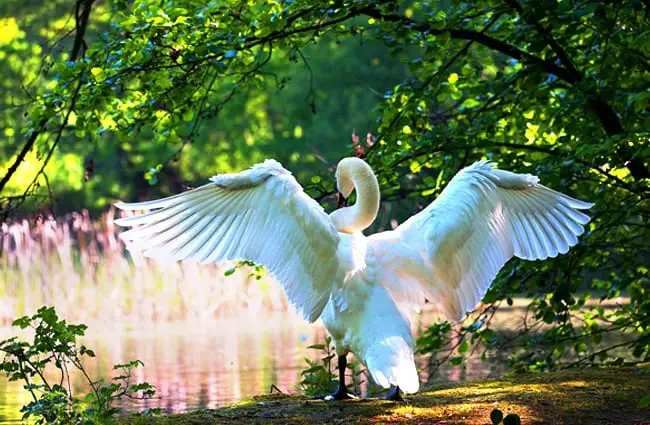
In conclusion, swans are captivating creatures with a rich history and a vital role to play in the ecosystems they inhabit. Their beauty, grace, and enduring presence continue to inspire and fascinate people around the world. By understanding their biology, behavior, and conservation needs, we can help ensure that these magnificent birds continue to thrive for generations to come.
![Closeup of a beautiful Red Angus cowPhoto by: U.S. Department of Agriculture [pubic domain]https://creativecommons.org/licenses/by/2.0/](https://animals.net/wp-content/uploads/2020/03/Red-Angus-4-238x178.jpg "Red Angus")
![Closeup of a beautiful Red Angus cowPhoto by: U.S. Department of Agriculture [pubic domain]https://creativecommons.org/licenses/by/2.0/](https://animals.net/wp-content/uploads/2020/03/Red-Angus-4-100x75.jpg "Red Angus")