The World of Ibises: A Comprehensive Guide
Ibises, wading birds with long legs and distinctive curved bills, are a fascinating group found across diverse wetlands worldwide. Often associated with sacred symbolism in ancient cultures, these birds are more than just beautiful sights; they play a crucial role in their ecosystems. This guide delves into the intricate lives of ibises, covering their habitat, evolution, behavior, and relationship with both the natural world and humankind.
What is an Ibis? Defining Characteristics
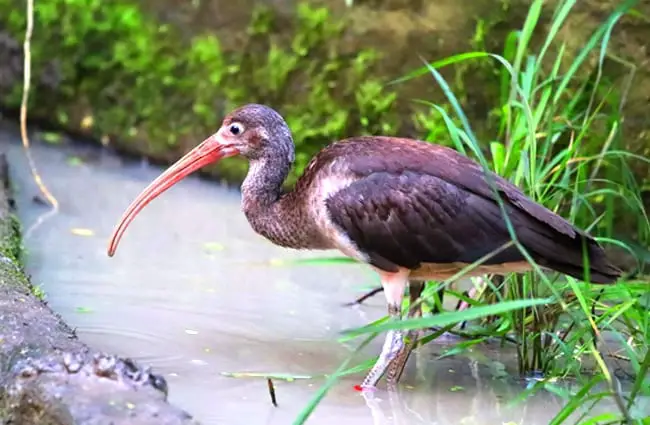
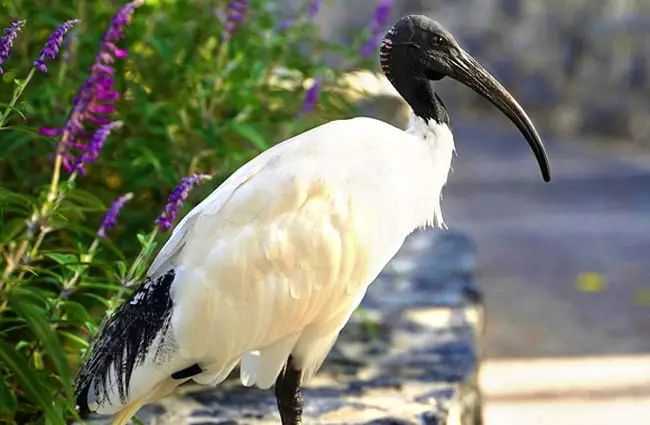
The name “ibis” encompasses a family, Threskiornithidae, containing around 28 species. What unites them? Primarily, their bills. These are long, curved, and uniquely adapted for probing mud and silt in search of food. Ibises are generally medium to large birds, ranging in size depending on the species. Plumage varies, with many exhibiting white, black, or brown feathers, often with iridescent sheens. Their legs are also long, allowing them to wade through shallow waters with ease.
Habitat and Distribution: Where Do Ibises Live?
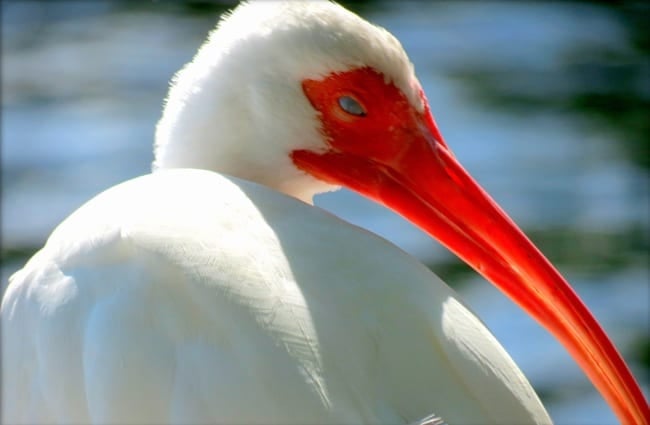
Ibises occupy a wide range of wetland habitats, including marshes, swamps, mangroves, lagoons, and estuaries. They are found on every continent except Antarctica. The distribution varies greatly by species. For example, the American White Ibis is common in the southeastern United States and the Caribbean, while the Hadada Ibis is native to sub‑Saharan Africa. Some species are migratory, traveling long distances between breeding and feeding grounds. The availability of water and food are the primary factors determining their habitat choice.
A Glimpse into Ibis Evolution
The evolutionary history of ibises stretches back to the Eocene epoch, over 50 million years ago. Fossil evidence suggests that early ibis ancestors were more widespread than today’s species, with remains found in North America, Europe, and Asia. Over time, the ibis family diversified, adapting to different ecological niches. Their unique bill shape is thought to have evolved gradually, driven by the need to exploit invertebrate prey in aquatic environments. Phylogenetic studies, using DNA analysis, continue to refine our understanding of ibis evolutionary relationships.
Diet and Foraging Behavior: What Do Ibises Eat?
Ibises are primarily carnivorous, feeding on a variety of invertebrates, including insects, crustaceans, mollusks, and worms. Some species also consume small fish, amphibians, and reptiles. Their probing bills are perfectly designed for detecting prey hidden in mud or vegetation. Ibises often forage in groups, systematically scanning shallow waters for food. The Hadada Ibis is known for its opportunistic feeding habits, often scavenging for food in urban areas. They play a vital role in controlling invertebrate populations in wetlands.
Mating and Reproduction: The Ibis Lifecycle
The breeding season varies depending on the species and location. Most ibises are monogamous, forming long term pair bonds. They often nest in colonies, sometimes alongside other wading birds. Nests are typically built in trees or shrubs, using sticks and vegetation. The female usually lays between 3 and 6 eggs, which are incubated by both parents for about 21 to 28 days. Chicks are altricial, meaning they are born helpless and require extensive parental care. Parents feed their chicks regurgitated food until they are able to forage independently.
Ecological Role and Interactions
Ibises are integral components of wetland ecosystems. As predators of invertebrates, they help regulate populations and maintain ecological balance. They also serve as prey for larger predators, such as raptors and crocodiles. Their nesting colonies can provide habitat for other bird species. Ibises contribute to nutrient cycling through their foraging and waste products. They also interact with other wading birds, often foraging alongside herons, egrets, and spoonbills.
Ibises and Humans: A Historical and Contemporary Relationship
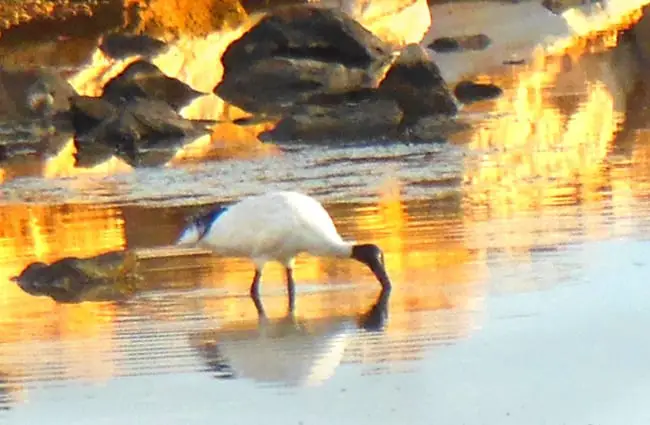
Throughout history, ibises have held significant cultural and religious importance in many societies. In ancient Egypt, the Ibis was sacred to the god Thoth, associated with wisdom, writing, and magic. They were often depicted in art and hieroglyphs. In other cultures, ibises were seen as symbols of good luck and prosperity. Today, some ibis populations are threatened by habitat loss, pollution, and hunting. Conservation efforts are crucial to protect these magnificent birds for future generations.
Encountering an Ibis in the Wild: What to Do
If you encounter an ibis while hiking or exploring wetlands, observe it from a distance. Avoid approaching or disturbing the bird, especially during breeding season. Do not feed the ibis, as this can disrupt its natural foraging behavior. If you witness any signs of distress or injury, contact a local wildlife rehabilitation center. Respect their space and appreciate the opportunity to observe these fascinating creatures in their natural habitat.
Caring for Ibises in Captivity: A Zookeeper’s Guide
Ibises in captivity require spacious enclosures that mimic their natural wetland habitat. Provide access to shallow water for wading and foraging. Their diet should consist of a variety of invertebrates, supplemented with fish and vitamin supplements. Enrichment activities, such as puzzle feeders and foraging opportunities, are essential to stimulate their natural behaviors. Regular veterinary checkups and preventative health care are crucial. Monitor their social interactions and provide opportunities for flocking. Maintain strict hygiene standards to prevent the spread of disease. Avoid overcrowding and provide ample space for each individual.
Fascinating Ibis Facts
- Some ibis species exhibit elaborate courtship displays, involving synchronized movements and vocalizations.
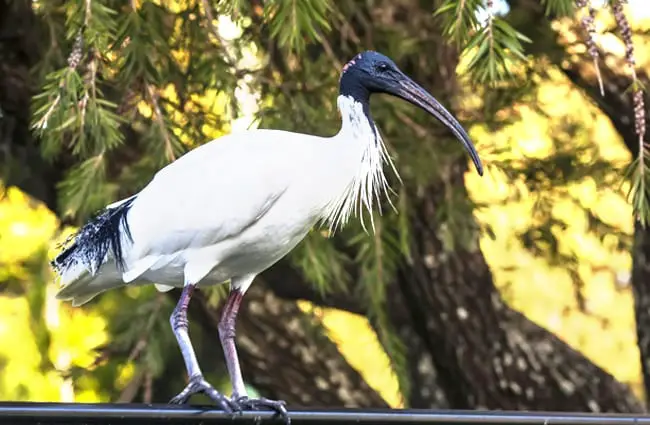
- The Australian White Ibis is often called the “Bin Chicken” due to its habit of scavenging for food in urban areas.
- Ibises have a specialized gland near their eyes that secretes oil, which they use to waterproof their feathers.
- The Scarlet Ibis is known for its vibrant red plumage, which is intensified by their diet of crustaceans.
- Ibises can fly long distances, migrating thousands of miles between breeding and feeding grounds.
From their unique bills to their cultural significance, ibises are truly remarkable birds. Their ecological role and captivating behaviors make them a vital part of our planet’s biodiversity. By understanding and appreciating these magnificent creatures, we can contribute to their conservation and ensure their survival for generations to come.
![Closeup of a beautiful Red Angus cowPhoto by: U.S. Department of Agriculture [pubic domain]https://creativecommons.org/licenses/by/2.0/](https://animals.net/wp-content/uploads/2020/03/Red-Angus-4-238x178.jpg "Red Angus")
![Closeup of a beautiful Red Angus cowPhoto by: U.S. Department of Agriculture [pubic domain]https://creativecommons.org/licenses/by/2.0/](https://animals.net/wp-content/uploads/2020/03/Red-Angus-4-100x75.jpg "Red Angus")