Deep within the emerald canopies of the Australasian rainforests hides a creature of remarkable charm and unique adaptations: the Cuscus. Often mistaken for a primate due to its slow, deliberate movements and large, forward-facing eyes, this fascinating marsupial is a true arboreal specialist. From its prehensile tail to its woolly coat, every aspect of the Cuscus speaks to a life lived high above the forest floor, making it a captivating subject for naturalists, researchers, and anyone with a curiosity for the wild wonders of our planet.
Join us on an exploration of the Cuscus, delving into its mysterious nocturnal world, understanding its vital role in the ecosystem, and uncovering the secrets of its survival in some of the world’s most biodiverse regions.
Unveiling the Enigmatic Cuscus: A Glimpse into the Arboreal World
Who are the Cuscus? Basic Biology and Taxonomy
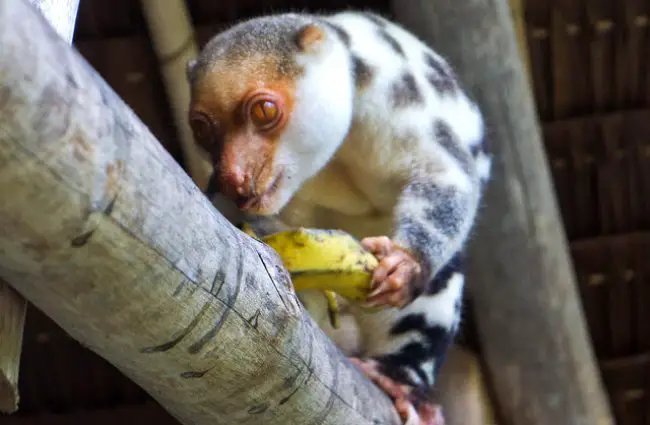
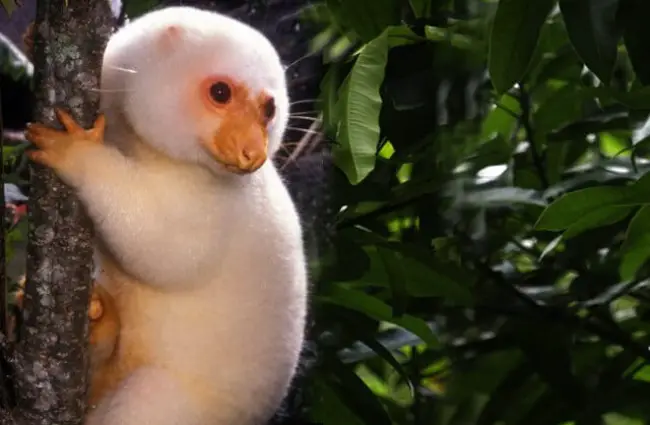
Cuscus are a group of arboreal marsupials belonging to the family Phalangeridae, which also includes brushtail possums and gliders. These captivating creatures are characterized by their robust build, dense woolly fur, small ears, and large, often striking, eyes that are perfectly adapted for their nocturnal lifestyle. Their fur coloration varies widely among species and even within populations, ranging from pure white, cream, or grey to mottled patterns of brown, black, and reddish hues. Some species, like the Common Spotted Cuscus, exhibit distinct spots, while others, such as the White Cuscus, live up to their name with pristine pale coats.
While sharing a common ancestry with other marsupials, Cuscus have evolved a suite of unique traits that set them apart. Their slow, deliberate movements are a hallmark, a stark contrast to the agility often associated with arboreal mammals. This unhurried pace is a testament to their specialized adaptations for navigating the dense forest canopy, where stealth and grip are paramount.
Where the Wild Cuscus Roam: Habitat and Distribution
The natural domain of the Cuscus spans a significant portion of Australasia, primarily encompassing the island of New Guinea, its surrounding smaller islands, parts of northern Australia, and extending into the islands of Wallacea, including Sulawesi, Timor, and the Solomon Islands. These regions are characterized by lush, tropical environments, and Cuscus are typically found in a variety of forest types, including:
- Tropical Rainforests: The primary habitat, offering dense canopy cover, abundant food sources, and countless hiding spots.
- Mangrove Forests: Some species have adapted to coastal mangrove ecosystems, showcasing their versatility.
- Eucalyptus Forests: In parts of northern Australia, Cuscus can be found in these distinctive woodlands.
- Secondary Growth Forests: They can also inhabit disturbed areas, demonstrating a degree of adaptability to human-altered landscapes.
Their preference for dense canopy cover is crucial for both protection from predators and access to their diverse diet. The intricate network of branches and vines provides their highway through the forest, a testament to their specialized arboreal existence.
Life in the Canopy: Behavior, Diet, and Reproduction
A Nocturnal Navigator: Behavior and Lifestyle
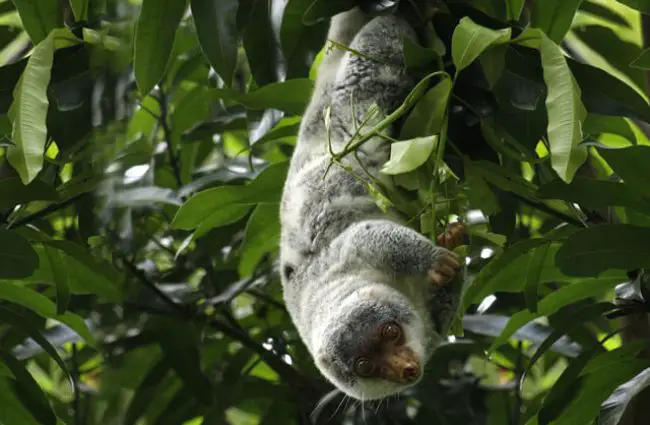
Cuscus are predominantly solitary and nocturnal creatures. During daylight hours, they typically rest curled up in tree hollows, dense foliage, or on sturdy branches, often camouflaged by their fur against the bark and leaves. As dusk descends, they awaken, their large eyes perfectly attuned to the low light conditions of the forest. Their movements are slow and deliberate, a strategy that conserves energy and allows for careful navigation through the complex arboreal environment. They possess a strong, prehensile tail, often hairless at the tip, which acts as a fifth limb, providing crucial grip and balance as they move between branches. This tail is so strong it can support their entire body weight, allowing them to hang freely while feeding or reaching for distant branches.
Despite their somewhat sluggish appearance, Cuscus are highly adapted to their arboreal life. Their strong claws provide excellent grip, and their opposable first and second digits on their hind feet allow them to grasp branches with remarkable dexterity. Communication among Cuscus is generally limited, primarily involving scent marking and occasional vocalizations, such as hisses or growls, especially when threatened or during mating.
What’s on the Menu? The Cuscus Diet
The Cuscus is an opportunistic omnivore, with a diet that reflects the bounty of its tropical forest habitat. While primarily frugivorous, meaning they largely consume fruits, their diet is quite varied, allowing them to adapt to seasonal changes and local food availability. Their strong jaws and teeth are well-suited for processing tough plant material and chitinous insect exoskeletons.
A typical Cuscus diet includes:
- Fruits: A staple of their diet, providing essential sugars and nutrients. They are important seed dispersers, as they consume fruits and then excrete the seeds in new locations, aiding forest regeneration.
- Leaves and Flowers: Especially young, tender leaves and nectar-rich flowers, which provide additional nutrients and hydration.
- Insects: Various insects, including beetles and their larvae, provide a crucial source of protein.
- Small Vertebrates: Occasionally, they may prey on small birds, eggs, or even small reptiles, particularly when other food sources are scarce.
This varied diet highlights their adaptability and their role in the intricate food web of the rainforest, acting as both consumers and dispersers.
The Next Generation: Mating and Reproduction
Cuscus are generally solitary, coming together only for mating. While specific breeding seasons can vary by species and geographic location, reproduction often occurs year-round in favorable conditions. After a gestation period that is relatively short, typical of marsupials, the female gives birth to one, sometimes two, tiny, underdeveloped young. These neonates, often no larger than a jelly bean, immediately crawl into the mother’s well-developed pouch.
Inside the pouch, the young Cuscus attaches to a teat, where it will remain for several months, undergoing significant development. The pouch provides warmth, protection, and a constant supply of milk. The duration of pouch life varies, but it is typically a long period, reflecting the slow growth and development characteristic of many marsupials. Once they emerge from the pouch, the young will often cling to their mother’s back, gradually becoming more independent until they are ready to disperse and establish their own territories. Parental care is primarily the responsibility of the female, who invests considerable energy in raising her offspring.
Cuscus in the Wider World: Ecology, Evolution, and Human Interaction
An Ancient Lineage: Evolutionary Journey
The evolutionary history of Cuscus is deeply intertwined with the geological and biological history of the Australasian continent. As marsupials, they belong to an ancient lineage that diverged from placental mammals millions of years ago. Their ancestors likely originated in South America and migrated to Australia via Antarctica when the continents were still connected. Over millennia, as Australia drifted northward and became isolated, its marsupial fauna diversified dramatically, filling ecological niches that are occupied by placental mammals elsewhere in the world.
Cuscus, specifically, are part of the Phalangeridae family, which represents a successful radiation of arboreal marsupials. Their specialized adaptations for life in the trees, such as their prehensile tail, strong grasping feet, and large eyes, are the result of millions of years of natural selection in dense forest environments. Studying their genetic makeup and fossil records helps scientists piece together the complex puzzle of marsupial evolution and understand how these unique creatures adapted to their specific ecological roles.
Weaving into the Web of Life: Ecosystem Role
Despite their reclusive nature, Cuscus play a significant role in the health and functioning of their forest ecosystems. Their primary contribution is as vital seed dispersers. By consuming a wide variety of fruits and subsequently depositing the seeds in their droppings, often far from the parent plant, they aid in forest regeneration and genetic diversity. This process is crucial for the survival of many plant species and the overall resilience of the rainforest.
Cuscus also serve as a food source for various predators within their habitat. Large snakes, such as pythons, and birds of prey, like powerful owls and eagles, are known to hunt Cuscus. This predator-prey dynamic helps regulate Cuscus populations and contributes to the balance of the food web. While generally solitary, they may occasionally compete with other arboreal mammals, such as other possums or even some primate species in areas of overlap, for food resources or prime resting spots, though their slow pace often minimizes direct confrontation.
Cuscus and Humanity: Cultural Significance and Conservation
For centuries, Cuscus have held a place in the cultures of indigenous peoples across their range. In many communities, they are hunted for their meat and fur, which are used for food, clothing, and ceremonial purposes. Their unique appearance has also led to their inclusion in local folklore, myths, and traditional art, often symbolizing aspects of the forest or embodying spirits of the night. However, this traditional interaction is generally sustainable when practiced by local communities with deep ecological knowledge.
Today, Cuscus face increasing pressures from human activities. The most significant threat is habitat loss and fragmentation due to deforestation for agriculture, logging, and urban development. This destroys their homes and isolates populations, making them more vulnerable. Some species are also impacted by unsustainable hunting, particularly with modern hunting methods, and illegal pet trade. As a result, several Cuscus species are listed as vulnerable or endangered by conservation organizations. Efforts to protect Cuscus involve preserving their forest habitats, establishing protected areas, and working with local communities to promote sustainable practices and raise awareness about these unique marsupials.
Encountering Cuscus: Tips for Enthusiasts and Caretakers
Spotting a Cuscus in the Wild: A Guide for Animal Lovers and Hikers
For the dedicated animal lover or an adventurous hiker hoping to catch a glimpse of a Cuscus in its natural habitat, patience and respect for nature are key. Here’s how to increase your chances and what to do if you encounter one:
- Where to Look: Focus on dense tropical rainforests, particularly in New Guinea, its surrounding islands, or the northern parts of Australia. Look for areas with a rich canopy and plenty of mature trees.
- When to Look: Cuscus are strictly nocturnal. Your best chance of spotting one is during the early hours of the night, shortly after dusk, or just before dawn. A good quality flashlight with a red filter (to minimize disturbance) is essential.
- How to Spot Them: Move slowly and quietly. Scan the tree branches, especially where there is dense foliage. Look for their large, reflective eyes in the beam of your light. Remember their movements are slow, so they might appear almost motionless.
- What to Do if You Find One:
- Observe from a Distance: Maintain a respectful distance to avoid causing stress to the animal.
- Be Quiet: Minimize noise to allow the Cuscus to continue its natural behavior.
- Do Not Disturb: Avoid shining bright lights directly into its eyes for extended periods.
- Never Feed: Offering food can alter their natural foraging behavior and make them dependent on humans, which is detrimental to their health and survival.
- Do Not Touch: Wild animals can carry diseases and may react defensively if they feel threatened.
An encounter with a Cuscus in the wild is a rare and special experience, a true privilege to witness these masters of the canopy.
The Art of Cuscus Care: Insights for Zookeepers
Caring for Cuscus in a captive environment, such as a zoo, requires specialized knowledge and dedication to replicate their natural conditions as closely as possible. Zookeepers play a crucial role in their welfare and in educating the public about these unique marsupials.
Key Tasks for Zookeepers:
- Enclosure Design:
- Provide ample vertical space with numerous climbing structures, including sturdy branches, ropes, and platforms, mimicking a dense canopy.
- Offer multiple hiding spots, such as tree hollows, nest boxes, or dense artificial foliage, for resting during the day.
- Maintain appropriate temperature and humidity levels, replicating their tropical environment.
- Ensure secure enclosures to prevent escapes, as they are surprisingly adept climbers.
- Dietary Management:
- Offer a varied diet rich in fresh fruits (e.g., papaya, banana, mango), leafy greens, and specialized omnivore pellets.
- Supplement with insects (e.g., crickets, mealworms) and occasional lean protein sources.
- Monitor individual consumption to ensure adequate nutrition and prevent obesity.
- Provide fresh water daily.
- Environmental Enrichment:
- Introduce new climbing structures or rearrange existing ones regularly to encourage exploration.
- Vary food presentation, such as hiding food items or placing them in puzzle feeders, to stimulate natural foraging behaviors.
- Provide different textures and scents within the enclosure.
- Health Monitoring:
- Regularly observe behavior for any signs of illness, lethargy, changes in appetite, or unusual posture.
- Schedule routine veterinary check-ups, including weight monitoring and physical examinations.
- Maintain meticulous hygiene within the enclosure to prevent disease.
- Social Considerations:
- As solitary animals, Cuscus should generally be housed individually to avoid stress and aggression, except during controlled breeding introductions.
What to Avoid:
- Sudden Changes: Cuscus can be sensitive to abrupt changes in their environment, diet, or routine.
- Over-handling: Minimize direct handling to reduce stress, unless necessary for veterinary care.
- Inadequate Enrichment: A lack of stimulation can lead to boredom and stereotypical behaviors.
- Improper Diet: Feeding an unbalanced diet can lead to nutritional deficiencies or obesity.
- Social Housing: Housing multiple Cuscus together (outside of breeding) can lead to territorial disputes and injury.
Successful Cuscus care in captivity is a testament to a zookeeper’s understanding of their natural history and dedication to their well-being.
Fascinating Facts About Cuscus
- Prehensile Tail Power: Their strong, often hairless-tipped tail can support their entire body weight, acting as a crucial fifth limb for climbing and hanging.
- Slow and Steady Wins the Race: Cuscus are known for their incredibly slow and deliberate movements, a strategy for energy conservation and stealth in the canopy.
- Eyes of the Night: Their large, forward-facing eyes are perfectly adapted for excellent night vision, allowing them to navigate and forage in the dark.
- Marsupial Marvels: As marsupials, their young are born in an underdeveloped state and complete their development inside the mother’s pouch.
- Diverse Dressers: Cuscus fur comes in a wide array of colors and patterns, from pure white to spotted, mottled, and solid browns or greys, offering excellent camouflage.
- Ancient Ancestry: They belong to an ancient lineage of marsupials that diversified extensively across Australasia.
- Seed Dispersal Superheroes: By eating fruits and dispersing seeds, they play a vital role in the regeneration and health of tropical forests.
- Solitary Souls: Cuscus are generally solitary animals, preferring to live alone and only interacting for mating.
- Arboreal Acrobats (of a sort): While slow, their specialized feet with opposable digits and strong claws make them incredibly efficient climbers.
- Whispers of the Wild: They are generally quiet animals, communicating primarily through scent marking and occasional soft vocalizations.
The Cuscus, with its endearing appearance and specialized lifestyle, stands as a testament to the incredible diversity of life in our planet’s tropical forests. From its ancient evolutionary roots to its vital role as a seed disperser, this nocturnal marsupial is a silent guardian of the canopy. Understanding and appreciating the Cuscus is not just about learning about a unique animal; it is about recognizing the interconnectedness of all life and the urgent need to protect the precious ecosystems they call home. By supporting conservation efforts and promoting sustainable practices, we can ensure that future generations will also have the opportunity to marvel at these enigmatic creatures of the night.
![Closeup of a beautiful Red Angus cowPhoto by: U.S. Department of Agriculture [pubic domain]https://creativecommons.org/licenses/by/2.0/](https://animals.net/wp-content/uploads/2020/03/Red-Angus-4-238x178.jpg "Red Angus")
![Closeup of a beautiful Red Angus cowPhoto by: U.S. Department of Agriculture [pubic domain]https://creativecommons.org/licenses/by/2.0/](https://animals.net/wp-content/uploads/2020/03/Red-Angus-4-100x75.jpg "Red Angus")