Night herons are a fascinating group of wading birds found across much of the globe. Often crepuscular or nocturnal hunters, these birds possess a unique blend of stealth, adaptability, and beauty. This guide provides a comprehensive look into the world of night herons, covering their biology, behavior, ecology, and interaction with humans.
What are Night Herons?
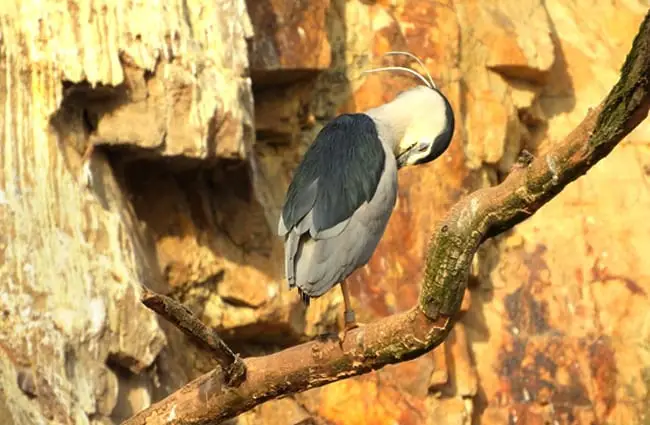
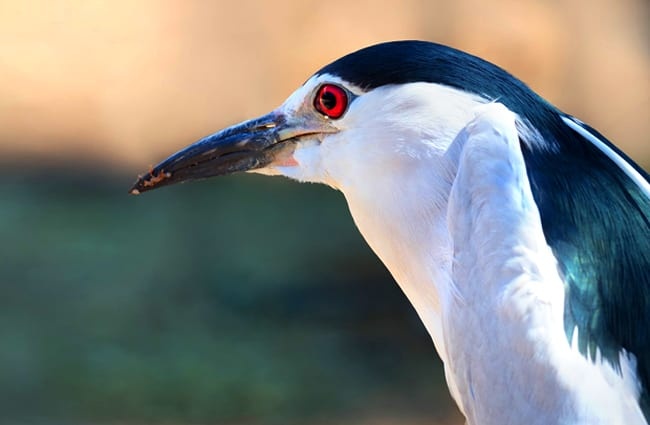
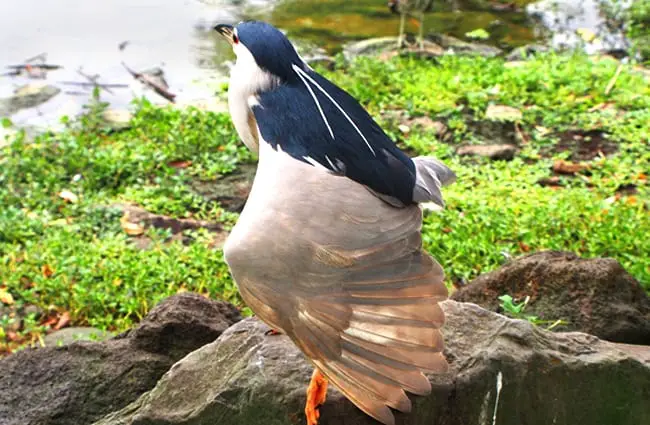
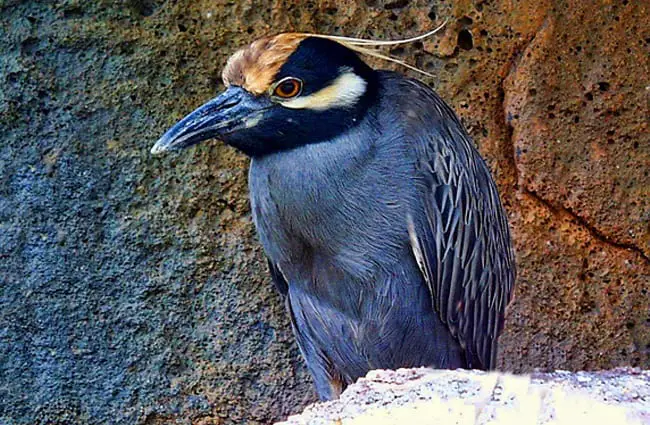
Night herons comprise the genus Nycticorax, but the term is often used more broadly to encompass several medium-sized wading birds in the heron family (Ardeidae) that exhibit nocturnal or crepuscular habits. The most well‑known species include the Black‑crowned Night Heron (Nycticorax nycticorax) and the Yellow‑crowned Night Heron (Nyctanassa violacea). These birds are distinguished by their stocky builds, relatively short legs, and often dark plumage, though coloration can vary between species and individuals. They are found on every continent except Antarctica.
Physical Characteristics
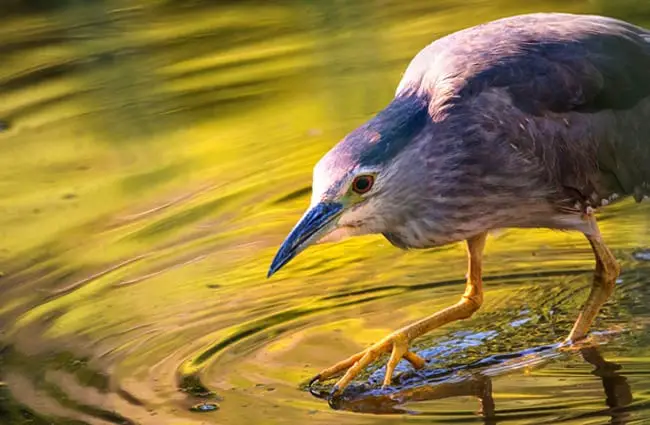
Most night herons measure between 58 and 85 centimeters in length, with a wingspan of up to 120 centimeters. Their plumage is typically shades of gray, black, and white, providing effective camouflage in their wetland habitats. A key feature is the often shaggy crest on the head, which can be raised or lowered depending on the bird’s mood. They also have bright yellow or orange eyes, providing excellent vision in low‑light conditions. Their bills are strong and pointed, perfectly adapted for spearing fish and other prey.
Habitat and Distribution
Night herons are remarkably adaptable and can be found in a diverse range of wetland habitats. These include marshes, swamps, mangroves, lakeshores, and even urban ponds and canals. They prefer areas with dense vegetation, providing cover for nesting and roosting. The Black‑crowned Night Heron has a global distribution, breeding in North and South America, Europe, Asia, and Africa. The Yellow‑crowned Night Heron is primarily found in the Americas, from the southern United States to Argentina.
Diet and Hunting Strategies
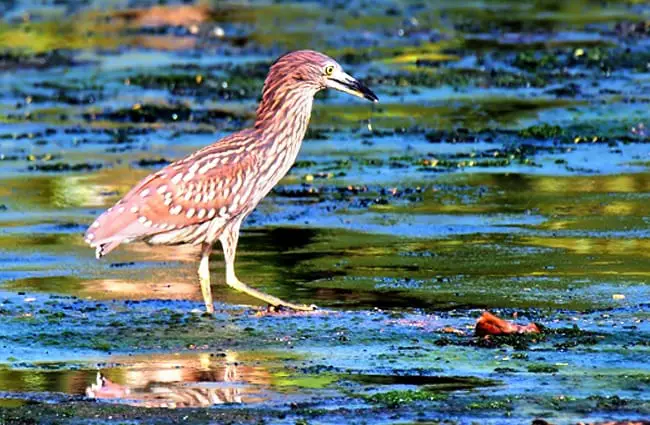
Night herons are opportunistic feeders, with a diet consisting primarily of fish, crustaceans, insects, amphibians, and small mammals. They employ a variety of hunting strategies, often standing motionless in shallow water, waiting for prey to come within striking distance. They can also actively forage by wading through vegetation or flying low over the water, searching for food. Their keen eyesight and quick reflexes make them efficient hunters, even in low‑light conditions.
Evolutionary History
The evolutionary origins of night herons can be traced back to the early Miocene epoch, approximately 23 to 20 million years ago. Fossil evidence suggests that the earliest ancestors of modern night herons were likely less specialized feeders, with a more generalized diet. Over time, these birds adapted to exploit the resources of wetland habitats, developing the characteristic features we see today, such as their nocturnal habits, stocky builds, and specialized bills. Phylogenetic analyses indicate that night herons are closely related to other heron species, such as egrets and bitterns, sharing a common ancestor within the Ardeidae family.
Breeding and Reproduction
Night herons are colonial nesters, often forming large breeding colonies known as “heronries.” These colonies can contain hundreds or even thousands of nests, providing protection from predators. Breeding typically occurs in the spring and summer months. Males attract females through elaborate courtship displays, involving vocalizations, crest raising, and wing spreading. They build nests from sticks and twigs, usually in trees or shrubs near water. The female lays 3 to 5 eggs, which are incubated by both parents for about 24 to 26 days. The chicks are altricial, meaning they are born helpless and require extensive parental care. They are fed regurgitated food by their parents until they are able to fledge, which occurs at around 35 to 40 days of age.
Ecological Role and Interactions
Night herons play an important role in wetland ecosystems, helping to control populations of fish, crustaceans, and other prey species. They are also prey for larger predators, such as hawks, owls, and alligators. As a wading bird, they contribute to nutrient cycling within wetlands. They often share their habitat with other bird species, creating a diverse and complex ecological community. They compete with other wading birds for food and nesting sites. They are known to occasionally engage in kleptoparasitism, stealing food from other birds.
Contribution to Ecosystem
Night herons are mid‑level predators that help regulate populations of fish, crustaceans, and amphibians, thereby maintaining a healthy balance within wetland ecosystems. Their feeding habits contribute to nutrient cycling by processing prey and excreting waste. Nesting activities can create cavities in trees, which may later be used by other species. Because they require a healthy wetland environment, the presence of night herons can serve as an indicator of ecosystem health.
Night Herons and Humans
Historically, night herons were hunted for their meat and feathers. Today, they are generally protected by law, though their populations are still threatened by habitat loss and pollution. They are often found in urban areas, where they can be seen foraging in parks and canals. They are relatively tolerant of human presence, but can be disturbed by excessive noise and activity.
Interactions with Humans
Night herons have a long history of interactions with humans, ranging from hunting and exploitation to conservation and appreciation. In some cultures, they are considered sacred or symbolic animals, featuring in folklore and mythology. In recent decades, there has been growing awareness of the importance of protecting night heron populations and their habitats. Conservation efforts include habitat restoration, pollution control, and public education. Night herons can also be found in zoos and wildlife parks, where they serve as ambassadors for wetland conservation.
Interesting Facts
- Night herons can fly with their necks retracted into an S‑shape, giving them a distinctive silhouette.
- They have a specialized gland near their eyes that excretes salt, allowing them to drink saltwater.
- They can live for up to 15 years in the wild.
- Young night herons often engage in sibling rivalry, competing for food and attention.
- They are skilled at camouflaging themselves, blending in with their surroundings.
For the Aspiring Zoologist
Studying night herons provides valuable insights into avian ecology, behavior, and evolution. Research areas include population dynamics, foraging ecology, breeding biology, and the impacts of environmental change. Advanced studies can utilize techniques such as radio telemetry, stable isotope analysis, and genetic sequencing to investigate various aspects of their lives. Understanding the complex interactions between night herons and their environment is crucial for developing effective conservation strategies.
Encountering a Night Heron in the Wild
If you encounter a night heron in the wild, observe it from a distance and avoid disturbing it. Do not approach its nest or attempt to feed it. If you find an injured or distressed bird, contact a local wildlife rehabilitation center. Respect their space and allow them to continue their natural behavior.
Caring for Night Herons in Captivity
Providing adequate care for night herons in captivity requires a spacious enclosure with a shallow pool, perches, and dense vegetation. They require a varied diet consisting of fish, crustaceans, and insects. Maintaining a clean and hygienic environment is essential for preventing disease. Providing enrichment activities, such as foraging opportunities and social interaction, is crucial for their well‑being. Avoid overcrowding and ensure they have access to quiet and secluded areas.
Night herons are captivating creatures that deserve our attention and protection. By understanding their biology, ecology, and behavior, we can ensure their survival for generations to come. Their presence enriches our ecosystems and reminds us of the beauty and diversity of the natural world.
![Closeup of a beautiful Red Angus cowPhoto by: U.S. Department of Agriculture [pubic domain]https://creativecommons.org/licenses/by/2.0/](https://animals.net/wp-content/uploads/2020/03/Red-Angus-4-238x178.jpg "Red Angus")

![Closeup of a beautiful Red Angus cowPhoto by: U.S. Department of Agriculture [pubic domain]https://creativecommons.org/licenses/by/2.0/](https://animals.net/wp-content/uploads/2020/03/Red-Angus-4-100x75.jpg "Red Angus")