The world of waterfowl is filled with graceful creatures, but few possess the quiet elegance and resilience of the Tundra Swan. These majestic birds, residents of pristine arctic breeding grounds and temperate wintering areas, represent a remarkable journey of adaptation and survival. This guide delves into the life history, ecology, and cultural significance of the Tundra Swan, offering insights for researchers, nature enthusiasts, and anyone captivated by the beauty of the natural world.
Understanding the Tundra Swan
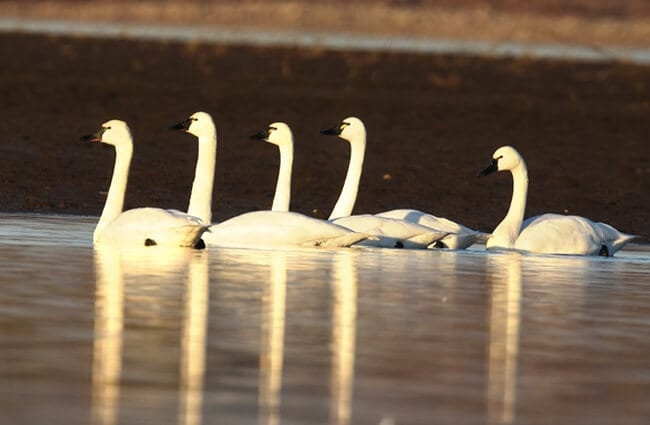
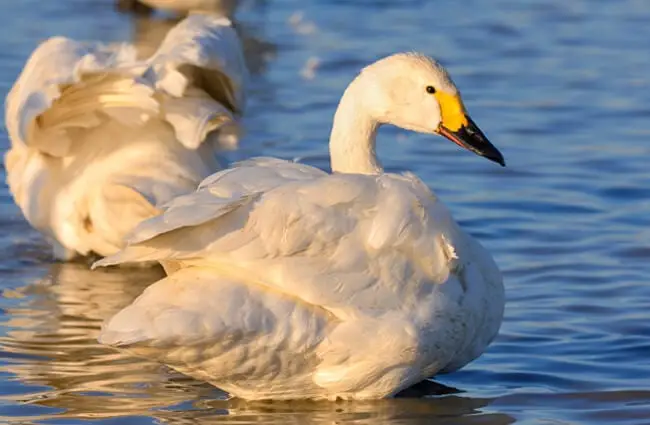
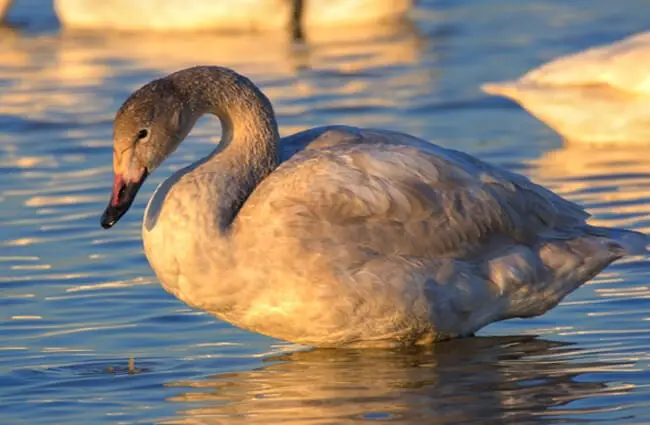
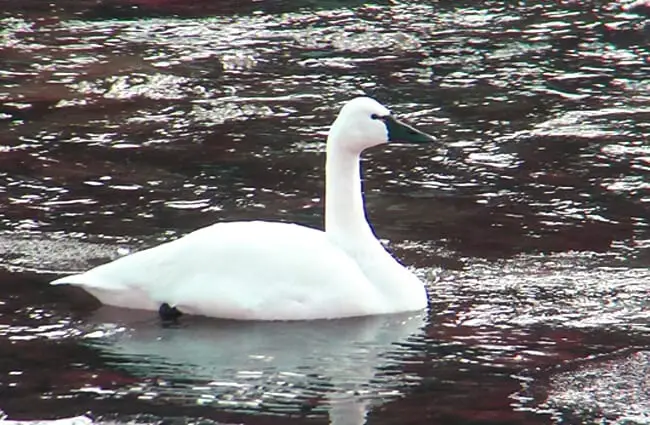
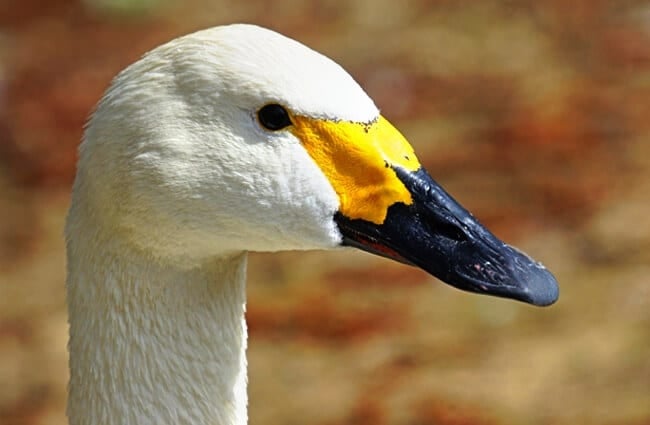
The Tundra Swan, scientifically known as Cygnus columbianus, is a medium to large sized swan that is relatively smaller than species such as the Mute Swan and Trumpeter Swan. Adults typically measure between 4.6 and 5.3 feet in length, with a wingspan reaching 6.6 to 7.9 feet. Their plumage is predominantly white, with a black bill that often displays a yellow lore patch – a small area of bare yellow skin at the base of the bill. Juveniles begin life with a grayish plumage that gradually transitions to white as they mature.
Habitat and Distribution
As its name suggests, the Tundra Swan breeds in the arctic and subarctic regions of North America and Eurasia. They prefer shallow freshwater wetlands, lakes, and ponds across the tundra, using these habitats for nesting and raising their young. In winter, they migrate south to warmer climates, gathering in large numbers along the Pacific Coast, the American Midwest, and the southeastern United States. Important wintering grounds include the Skagit and Willamette Valleys, Chesapeake Bay, and the Gulf Coast. Their habitat choices are dictated by the availability of open water, aquatic vegetation, and foraging opportunities.
Diet and Foraging
Tundra Swans are primarily herbivores, feeding largely on aquatic vegetation such as submerged plants, roots, tubers, and stems. They also consume agricultural grains, including wheat and barley, especially during migration and winter. Swans forage by uprooting plants with their bills or grazing on submerged vegetation. They often feed in shallow water, occasionally tipping or submerging their bodies to reach deeper food sources. The availability of food resources is a key factor influencing their distribution and migration patterns.
Life Cycle and Reproduction
Tundra Swans are generally monogamous, forming pair bonds that can last for several years. They typically begin breeding at around the age of three or four. Nesting occurs in late spring or early summer, with females building nests of vegetation on the ground near water. Females lay between three and eight eggs, which are incubated for approximately 25 to 30 days.
Both parents participate in caring for the cygnets (young swans). The cygnets are precocial, meaning they are relatively independent at hatching and can walk and swim shortly after. Parents feed them for several weeks, gradually teaching them to forage independently. Cygnets fledge, or develop their flight feathers, at around 60 to 70 days old. Young swans remain with their parents for a period, learning essential survival skills before dispersing to establish their own territories.
Ecological Role and Interactions
Tundra Swans play an important role in wetland ecosystems. Their foraging activities influence plant community structure and nutrient cycling. They also serve as prey for predators such as wolves, foxes, and eagles, particularly during the breeding season. Their presence or absence can indicate wetland health and environmental conditions.
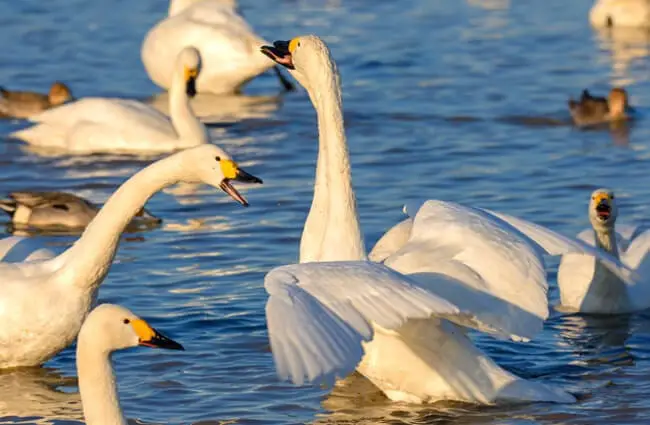
These swans often interact with other waterfowl species, sometimes competing for resources but also occasionally foraging or migrating together. They share wintering grounds with species such as Snow Geese and Canada Geese. Their flocking behavior provides protection from predators and enhances foraging efficiency.
Tundra Swans and Humans
Throughout history, Tundra Swans have held cultural significance for various Indigenous communities. They appear in art, mythology, and traditional ceremonies. Swan feathers and down have been used for ceremonial purposes, as well as in the creation of clothing and bedding.
In recent times, Tundra Swan populations face threats from habitat loss, hunting, and collisions with power lines. Conservation efforts—including habitat protection, hunting regulations, and bird‑friendly power line designs—are crucial for maintaining healthy populations. Citizen science initiatives such as bird counts and monitoring programs play a vital role in tracking population trends and identifying conservation needs.
Spotting Tundra Swans in the Wild
If you are fortunate enough to encounter Tundra Swans in the wild, observe them from a respectful distance. Avoid disturbing their nesting or foraging activities. Look for large flocks in wetlands, lakes, and fields. Listen for their distinctive calls, which are often described as a high‑pitched, whistling sound. Binoculars or a spotting scope can enhance your viewing experience.
For the Zookeeper and Avian Care Specialist
Caring for Tundra Swans in captivity requires specialized knowledge and attention. Provide a spacious enclosure with a large, clean water source for swimming and diving. Mimic their natural diet with a variety of aquatic vegetation, grains, and formulated waterfowl feed. Regularly monitor their health and behavior for any signs of illness or stress. Enrichment activities, such as providing floating vegetation or novel food items, can stimulate their natural foraging behaviors. Ensure appropriate social interaction with other swans or waterfowl species, while also offering opportunities for privacy and solitude. Maintaining high standards of hygiene and biosecurity is essential to prevent the spread of disease.
The Tundra Swan, a symbol of grace, resilience, and interconnectedness, continues to captivate and inspire. By understanding and appreciating these magnificent creatures, we can ensure their survival for generations to come. Their story serves as a reminder of the importance of conservation, responsible stewardship, and the enduring beauty of the natural world.
![Closeup of a beautiful Red Angus cowPhoto by: U.S. Department of Agriculture [pubic domain]https://creativecommons.org/licenses/by/2.0/](https://animals.net/wp-content/uploads/2020/03/Red-Angus-4-238x178.jpg "Red Angus")
![Closeup of a beautiful Red Angus cowPhoto by: U.S. Department of Agriculture [pubic domain]https://creativecommons.org/licenses/by/2.0/](https://animals.net/wp-content/uploads/2020/03/Red-Angus-4-100x75.jpg "Red Angus")