The Mute Swan, a creature of grace and beauty, commands attention wherever it roams. This large waterfowl, native to Eurasia, has found a second home across the globe, captivating observers with its elegant posture and often dramatic displays. This comprehensive guide delves into the world of the Mute Swan, exploring its history, behavior, habitat, and its complex relationship with both the environment and humans.
A Majestic History and Evolutionary Journey
The Mute Swan (Cygnus olor) boasts a rich evolutionary history, tracing back to the late Pliocene epoch. Fossil evidence suggests its ancestors inhabited regions across Europe and Asia. Over millennia, the species has adapted to a variety of aquatic environments. Its name, “Mute,” is somewhat misleading; while not as vocal as other swan species, it does communicate through snorts, hisses, and bill‑clapping. The species has expanded its range significantly, largely through human introduction, becoming established in North America, Australia, and parts of Southern Africa.
Habitat and Distribution: Where to Find These Elegant Birds
Mute Swans demonstrate a preference for shallow, sheltered waters – lakes, ponds, marshes, and slow‑moving rivers are prime habitat. They thrive in both freshwater and brackish environments. While originally concentrated in Europe and Asia, introduced populations now flourish in North America, notably along the Atlantic coast and the Great Lakes region. In Australia and New Zealand, they have become widespread, sometimes to the detriment of native waterfowl. Look for them in parks, estates, and anywhere humans provide a consistent food source, as they are often attracted to these areas.
Diet and Foraging Behavior: What Do Mute Swans Eat?
Mute Swans are primarily herbivorous, with a diet consisting largely of aquatic vegetation. They graze on submerged plants, pulling them up with their powerful bills. They also consume algae, roots, and stems. During the winter months, when aquatic vegetation is scarce, they may feed on agricultural crops like wheat and barley, occasionally leading to conflicts with farmers. Young swans, known as cygnets, require a protein‑rich diet and supplement their plant‑based meals with insects and small invertebrates.
Mating and Reproduction: A Lifelong Bond
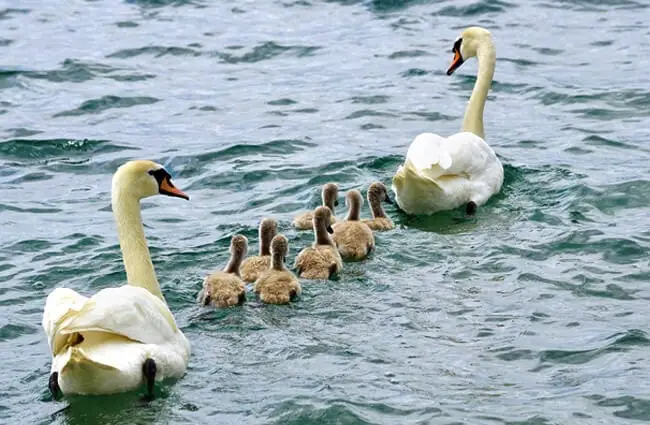
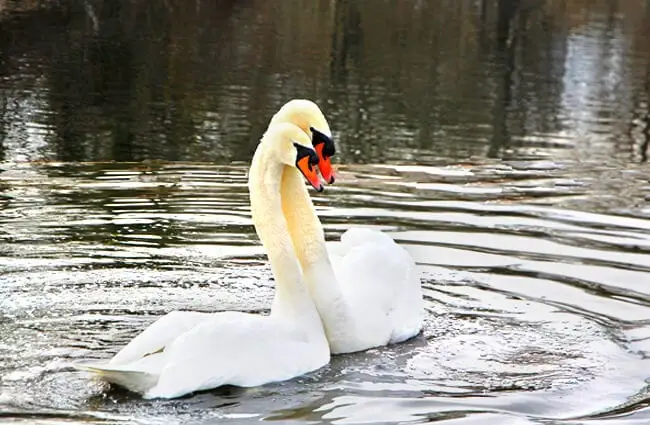
Mute Swans are renowned for their strong pair bonds, often mating for life. These bonds are solidified through elaborate courtship displays, synchronized swimming, head‑bobbing, and vocalizations. The breeding season typically begins in late winter or early spring. The female constructs a large nest of vegetation on the shore or in shallow water. She lays between four and nine eggs, which incubate for approximately 35 to 41 days. Both parents participate in incubating the eggs and caring for the cygnets. Cygnets are precocial, meaning they are relatively mobile soon after hatching, but they remain dependent on their parents for several months.
Cygnets and Juvenile Development
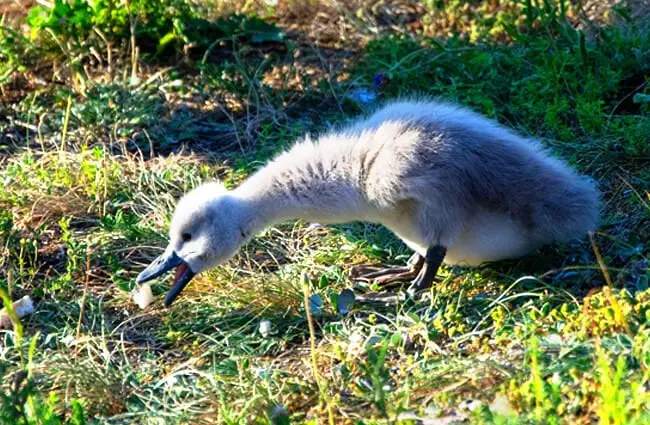
The fluffy gray cygnets undergo a remarkable transformation. Over time, they develop their characteristic white plumage, a process that isn’t fully completed until their second year. Young swans remain with their parents throughout the summer and autumn, learning essential foraging and survival skills. They typically disperse from their natal territory in the following spring, seeking their own mates and territories.
Ecological Role and Interactions with Other Animals
Mute Swans play a complex role in aquatic ecosystems. While their grazing can help maintain open water areas, excessive populations can lead to habitat degradation and displacement of native species. They compete with other waterfowl for food and nesting sites. Predation on eggs and cygnets is relatively low due to the swans’ size and protective behavior, but foxes, raccoons, and large birds of prey may occasionally target vulnerable young. They are not generally aggressive toward humans, but may become territorial during the breeding season.
Mute Swans and Human Culture
Mute Swans have held a prominent place in human culture for centuries. Their graceful beauty has inspired artists, poets, and writers. They are often depicted in mythology, folklore, and literature as symbols of love, purity, and elegance. In some cultures, they are considered sacred animals. Their feathers have been used for ornamental purposes, and their down is prized for its warmth and softness. However, their increasing presence in urban areas has also led to challenges, including concerns about water quality and potential conflicts with recreational activities.
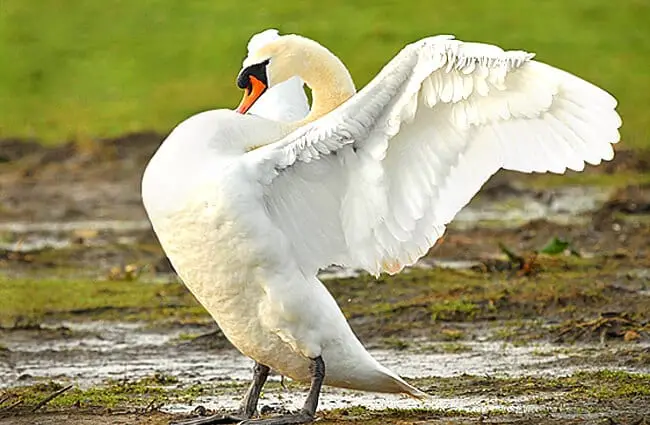
Interactions with Humans: Management and Conservation
In some regions, Mute Swan populations are carefully managed to mitigate their ecological impacts. Control measures may include egg oiling (rendering eggs infertile), population culling, and habitat manipulation. The goal is to balance the needs of the swans with the preservation of native ecosystems. In other areas, Mute Swans are actively protected, particularly where their populations are declining due to habitat loss or persecution. Responsible bird feeding practices and public education are also important for fostering coexistence between humans and swans.
Interesting Facts about Mute Swans
- Mute Swans can live for over 20 years in the wild.
- Their wingspan can reach over 2.5 meters (8 feet).
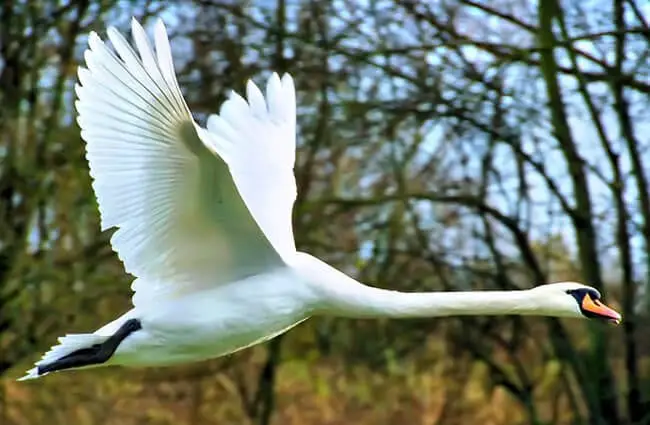
- They are strong fliers, capable of migrating long distances.
- They often form large flocks, especially during the winter.
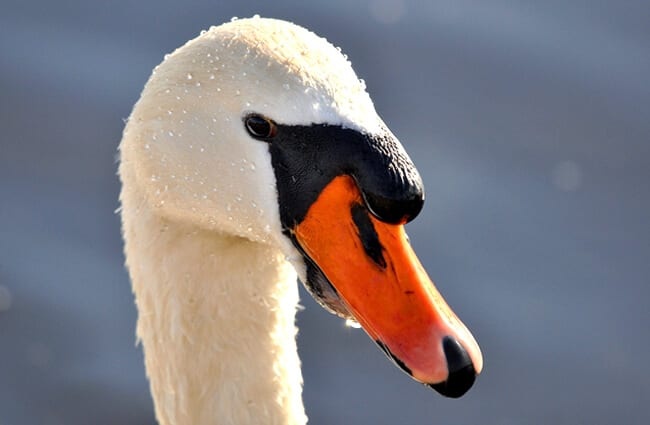
- The black knob on the male’s bill grows larger with age.
- Young swans are not white until they reach maturity, around two years of age.
- They have a specialized filter in their tongue that allows them to strain food from the water.
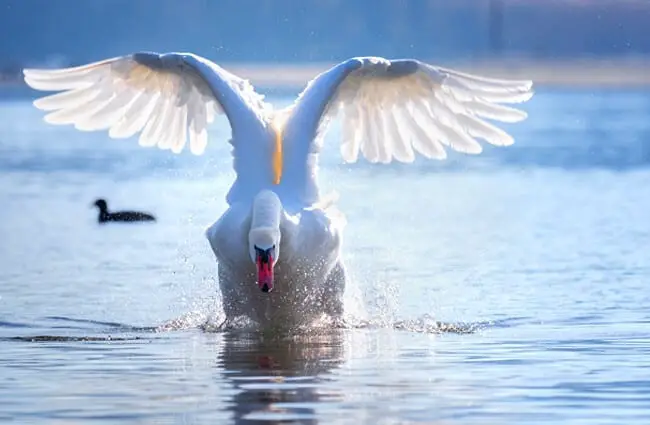
For Hikers and Nature Enthusiasts: Encountering Mute Swans in the Wild
If you encounter a Mute Swan in the wild, observe it from a respectful distance. Avoid approaching too closely, especially during the breeding season, as they can become territorial. Do not feed the swans, as this can disrupt their natural foraging behavior and contribute to overpopulation. Keep pets on a leash to prevent conflicts. If you witness any injured or distressed swans, contact your local wildlife rehabilitation center or animal control agency.
For Zookeepers and Avian Care Professionals: Mute Swan Husbandry
Caring for Mute Swans in captivity requires careful attention to their specific needs. Provide a large, clean enclosure with access to both land and water. The water should be deep enough for swimming and diving. Provide a varied diet consisting of aquatic vegetation, waterfowl pellets, and supplemental vitamins and minerals. Monitor their health closely for signs of illness or injury. Implement a strict biosecurity protocol to prevent the spread of disease. Enrich their environment with natural vegetation, floating plants, and opportunities for foraging. Encourage natural breeding behavior by providing suitable nesting materials and a quiet, secluded breeding area.
The Mute Swan remains a captivating symbol of grace and beauty. Understanding its history, behavior, and ecological role is essential for ensuring its long‑term survival in both wild and captive settings. By appreciating these magnificent creatures and respecting their natural habitat, we can help preserve their legacy for generations to come.

![Closeup of a beautiful Red Angus cowPhoto by: U.S. Department of Agriculture [pubic domain]https://creativecommons.org/licenses/by/2.0/](https://animals.net/wp-content/uploads/2020/03/Red-Angus-4-100x75.jpg "Red Angus")