A Deep Dive into the World of the Harlequin Duck
The Harlequin Duck is a stunningly patterned waterfowl that captivates birdwatchers and researchers alike with its vibrant plumage and affinity for fast‑moving waters. This article explores the Harlequin Duck’s life, from its habitat and diet to its complex mating rituals and conservation status, offering insights for students, animal lovers, and aspiring zoologists.
Basic Information and Identification
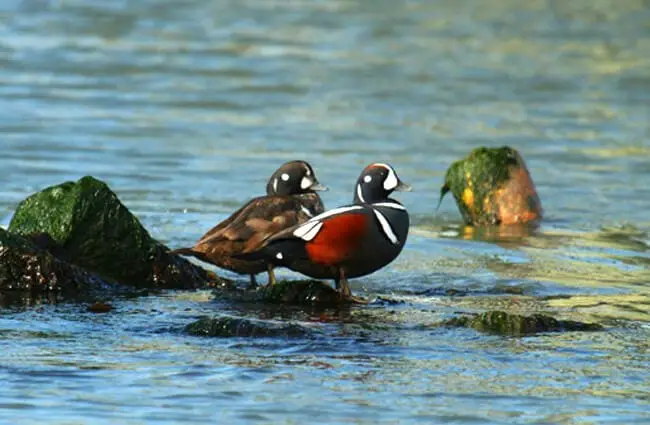
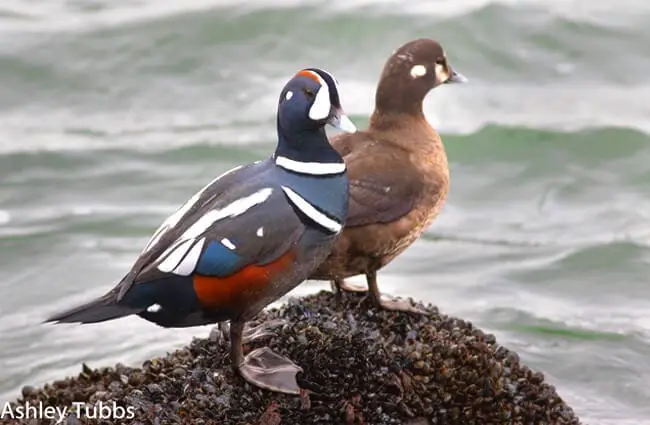
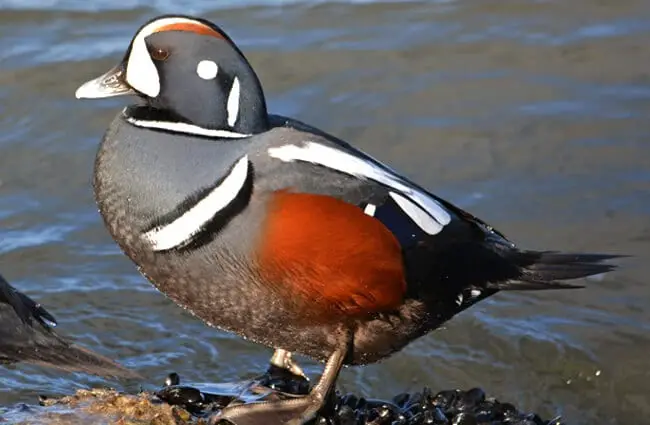
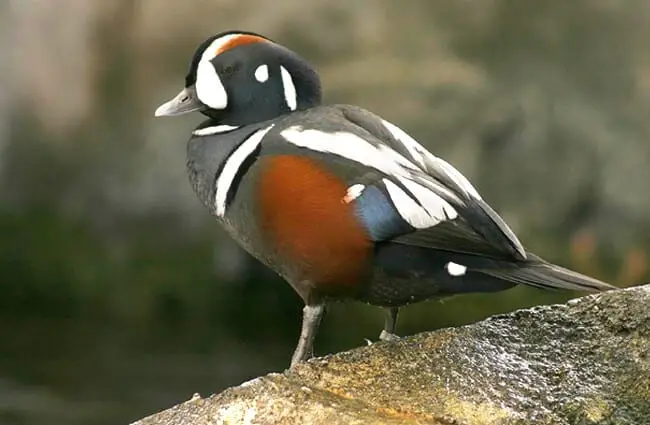
Harlequin Ducks are relatively small, measuring about 16 to 20 inches in length. Males are striking, with a slate‑blue body, chestnut flanks, a white head and a dark crescent behind the eye, and distinctive white stripes. Females are more subtle, typically a dark chocolate brown with paler markings. Both sexes have a bright white patch on their face. Their scientific name, Histrionicus histrionicus, reflects their playful and dramatic behavior.
Habitat and Distribution
These ducks thrive in swift‑flowing rivers and streams with rocky shores, as well as coastal bays and estuaries. They breed primarily in Arctic and subarctic coastal regions of North America, Europe, and Asia—including Alaska, Canada, Greenland, Iceland, Scandinavia, and parts of Russia—and also nest in inland riverine environments. During winter, they migrate to sheltered coastal bays and estuaries, where they find calm waters for foraging and resting.
Finding Harlequin Ducks in the Wild
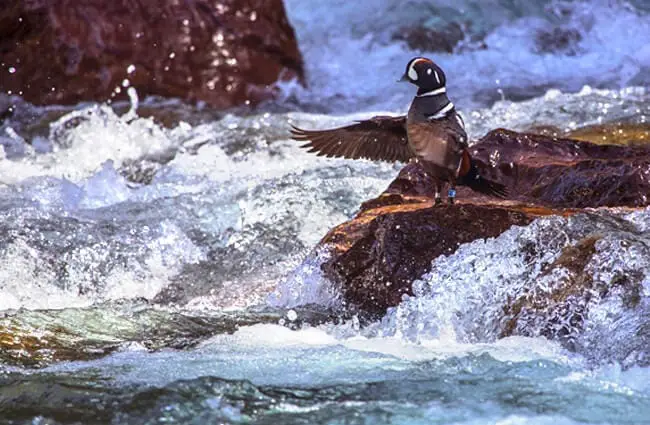
To spot a Harlequin Duck, focus on remote, fast‑flowing rivers and coastal areas during the winter months. Look for rocky shorelines and strong currents. Bring binoculars, be patient, and observe during early morning or late afternoon. Maintain a respectful distance to avoid disturbing their natural behavior.
Diet and Foraging Behavior
Harlequin Ducks are primarily bottom feeders, consuming aquatic insects, crustaceans, mollusks, and small fish. They are adept divers, walking along the riverbed with their feet while searching for food. They can hold their breath for up to a minute, enabling them to forage in deeper waters. Their strong bill is well suited for prying invertebrates from rocks and crevices.
Reproduction and Life Cycle
Harlequin Ducks are generally monogamous, often pairing for life. They begin breeding in spring, nesting in cavities in rocks, under logs, or in dense vegetation near fast‑flowing streams. Females lay four to six eggs and incubate them for 30 to 36 days. Ducklings are precocial, becoming relatively independent from birth, quickly learning to swim and forage while following their mother. They fledge at around 50 to 60 days old.
Evolutionary History
The evolutionary history of the Harlequin Duck links to the broader evolution of waterfowl. The earliest ancestors of ducks, geese, and swans appeared during the late Cretaceous period. As a member of the Anatidae family, the Harlequin Duck likely diverged from other duck lineages over millions of years, adapting to specialize in fast‑flowing river environments. Genetic studies continue to refine our understanding of their precise evolutionary relationships.
Ecological Role and Interactions
Harlequin Ducks play an important role in their ecosystems. As insectivores and bottom feeders, they help regulate invertebrate populations and contribute to nutrient cycling. They are also prey for larger predators, such as foxes, eagles, and river otters. Their presence or absence can indicate water quality and overall ecosystem health.
Harlequin Ducks and Humans
Historically, Harlequin Ducks were hunted for their meat and feathers. While hunting is now regulated in many areas, they still face threats from habitat loss, pollution, and climate change. Dams and other water diversions can alter their river habitats, and rising water temperatures can impact their food supply. Conservation efforts focus on protecting breeding and wintering grounds, restoring river ecosystems, and mitigating climate change impacts.
If You Encounter a Harlequin Duck
Observe the duck from a distance and avoid disturbing its natural behavior. Do not feed it, as this can disrupt its foraging patterns and create dependence on humans. Keep pets on a leash to prevent them from harassing the duck. Report any signs of injury or distress to local wildlife authorities.
Caring for Harlequin Ducks in Captivity
Providing appropriate care for Harlequin Ducks in captivity requires specialized knowledge. They need access to a large, flowing water exhibit that simulates their natural river environment. The water should be clean, well‑oxygenated, and maintained at a cool temperature. Their diet should consist of a variety of aquatic invertebrates, supplemented with commercial waterfowl feed. Enrichment activities, such as providing rocks and vegetation for foraging, can help keep them stimulated and engaged.
Interesting Facts
- Harlequin Ducks have buoyant bodies that help them navigate turbulent waters.
- They possess specialized feathers that trap air, providing insulation and aiding buoyancy.
- The male’s bright plumage plays a key role in attracting mates.
- Harlequin Ducks are agile fliers, able to maneuver through narrow spaces.
- They can dive to depths of up to 10 feet in search of food.
The Harlequin Duck is a remarkable species, perfectly adapted to life in fast‑flowing rivers. By understanding their biology, ecology, and conservation needs, we can help ensure that these stunning ducks continue to thrive for generations to come. Their resilience and beauty serve as a reminder of the importance of protecting our natural world.
![Closeup of a beautiful Red Angus cowPhoto by: U.S. Department of Agriculture [pubic domain]https://creativecommons.org/licenses/by/2.0/](https://animals.net/wp-content/uploads/2020/03/Red-Angus-4-238x178.jpg "Red Angus")
![Closeup of a beautiful Red Angus cowPhoto by: U.S. Department of Agriculture [pubic domain]https://creativecommons.org/licenses/by/2.0/](https://animals.net/wp-content/uploads/2020/03/Red-Angus-4-100x75.jpg "Red Angus")