
The Majestic Siberian Tiger: A Comprehensive Guide
The Siberian tiger, also known as the Amur tiger, stands as a symbol of power, resilience, and the wild beauty of the Russian Far East. As the largest cat in the world, this apex predator commands respect and plays a crucial role in its ecosystem. This guide explores the fascinating world of the Siberian tiger, covering its history, biology, behavior, and conservation status.
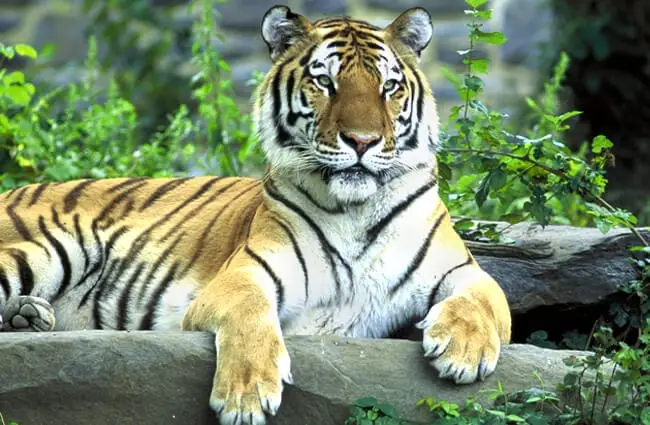
Origins and Evolution
The evolutionary history of the Siberian tiger traces back to the ancient lineage of felids. Genetic studies show that the Siberian tiger diverged from other tiger subspecies roughly 3.5 to 5 million years ago, long before the Pleistocene glaciations. Over time it adapted to the harsh, cold climates of eastern Russia, northeastern China, and the Korean Peninsula. These adaptations produced a thicker coat, a larger body size, and a paler orange hue compared to its tropical relatives. Fossil records indicate that Siberian tigers once occupied a much larger territory, but habitat loss and hunting have since restricted their range.
Physical Characteristics and Adaptations
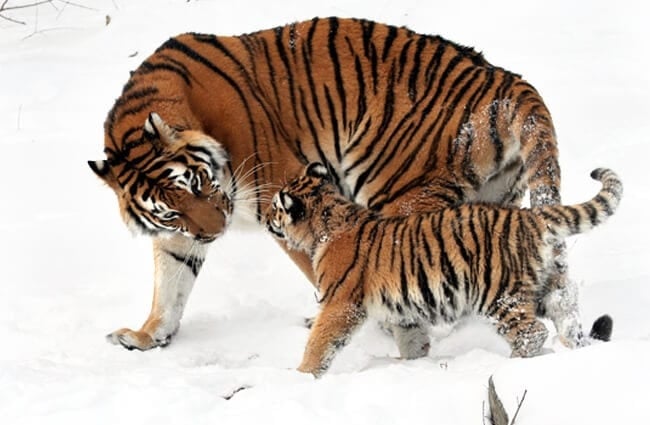
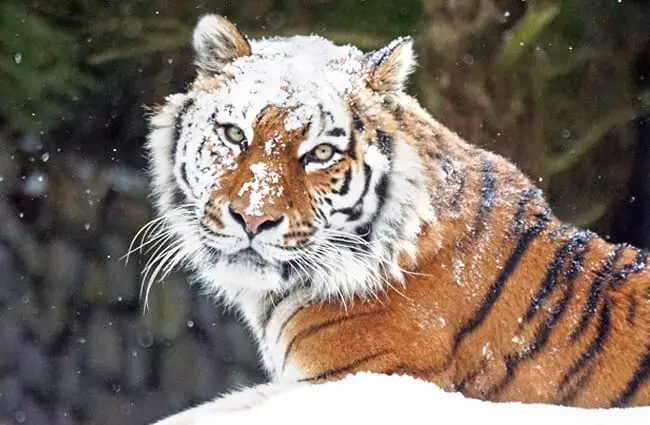
Siberian tigers are formidable creatures. Males typically weigh between 400 and 660 pounds, while females range from 220 to 370 pounds. Their impressive size helps them conserve heat in subzero temperatures. The thick, dense fur provides excellent insulation. Unlike many other tiger subspecies, Siberian tigers have a paler orange coat with fewer stripes, which helps them blend into snowy landscapes. Their large paws act as natural snowshoes, distributing weight and preventing sinking into deep snow. Powerful muscles and strong bones allow them to take down large prey even in challenging conditions.
Habitat and Distribution
Historically, Siberian tigers inhabited a vast territory spanning eastern Russia, northeastern China, North Korea, and possibly parts of Mongolia. Today, most of the wild population resides in the Russian Far East, especially the Sikhote-Alin mountain region. Their preferred habitat includes coniferous and deciduous forests that provide cover for stalking prey and suitable denning sites. These forests often feature rugged terrain, river systems, and a rich diversity of ungulates that form the base of the tiger’s food chain. While primarily forest dwellers, Siberian tigers will venture into grasslands and snowy tundra in search of prey.
Diet and Hunting Strategies
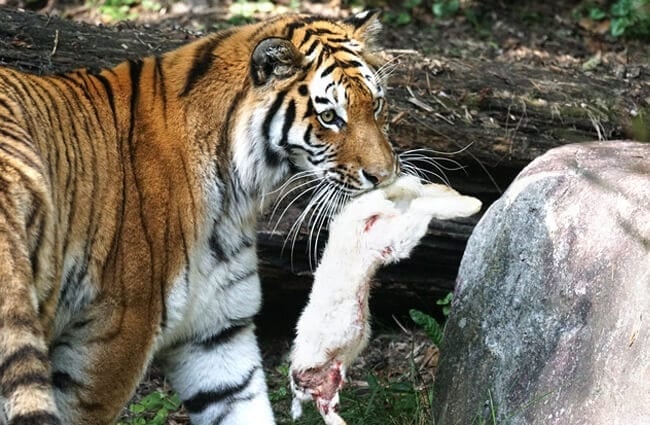
Siberian tigers are apex predators that feed mainly on ungulates such as red deer, wild boar, elk, and roe deer. They also prey on smaller mammals like hares and badgers and may catch fish when the opportunity arises. As ambush predators, they rely on stealth and camouflage to approach prey undetected. Typically they stalk through dense vegetation before launching a powerful attack. A single tiger can consume up to 60 pounds of meat in one sitting.
Reproduction and Life Cycle
Siberian tigers reach sexual maturity between three and five years of age. They are generally solitary except during the breeding season, which occurs from late winter to early spring. Males compete for the attention of females, engaging in fierce battles to establish dominance. A successful pairing results in a gestation period of about 3 months, culminating in a litter of two to four cubs. Cubs are born blind and helpless, relying entirely on their mother for care and protection. They remain dependent on their mother for up to two years, learning essential hunting and survival skills. Mortality among cubs is high, often exceeding 50 percent, due to predation, starvation, and disease.
Ecological Role and Interactions
As apex predators, Siberian tigers help maintain the health and balance of their ecosystem. By regulating populations of ungulates, they prevent overgrazing and promote biodiversity, creating a ripple effect throughout the food web. They also help control the spread of disease by preying on sick and weakened animals. Their interactions with other species are complex; they compete with wolves and bears for resources and share their habitat with a variety of prey species, forming intricate predator‑prey relationships.
Siberian Tigers and Humans: A Complex History
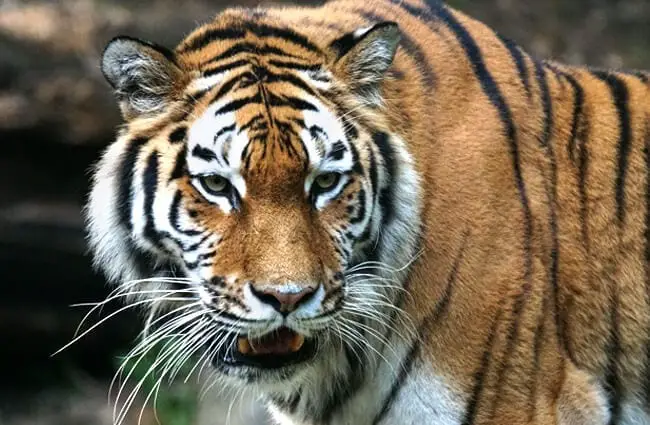
Historically, Siberian tigers were revered by indigenous peoples in the Russian Far East and featured prominently in their mythology and folklore. As human populations expanded and hunting intensified, the tiger’s status shifted from revered to persecuted. Throughout the 20th century, habitat loss, poaching for fur and body parts, and conflicts with livestock farmers decimated the tiger population. Today, conservation efforts focus on anti‑poaching patrols, habitat restoration, and community‑based programs. Reducing human‑wildlife conflict remains crucial for the species’ long‑term survival.
Encountering a Siberian Tiger in the Wild: Safety First
Encountering a Siberian tiger in the wild is rare but potentially dangerous. If you find yourself in such a scenario, remain calm and avoid direct eye contact. Slowly back away, giving the tiger plenty of space. Do not run, as this may trigger a chase response. Make yourself appear large by raising your arms and making noise. If the tiger approaches, try to use any available object to defend yourself. Report the encounter to local wildlife authorities immediately.
Caring for Siberian Tigers in Captivity
Zookeepers caring for Siberian tigers in captivity must provide a stimulating and enriching environment that mimics their natural habitat. This includes spacious enclosures with ample vegetation, climbing structures, and opportunities for exercise. A balanced diet consisting of meat, bones, and supplements is essential for maintaining health. Enrichment activities, such as puzzle feeders and scent trails, keep them mentally stimulated. Regular veterinary checkups and preventative care are crucial for preventing and treating diseases. It is also important to minimize human interaction and provide privacy.
Fascinating Facts About Siberian Tigers
- Siberian tigers can travel long distances, sometimes covering over 30 miles in a single day.
- Their stripes are unique to each individual, much like human fingerprints.
- They have excellent night vision, allowing them to hunt effectively in low‑light conditions.
- Siberian tigers can swim and often use rivers and streams to travel and hunt.
- They communicate through a variety of vocalizations, including roars, growls, and chuffs.
- A group of tigers is called a streak or ambush.
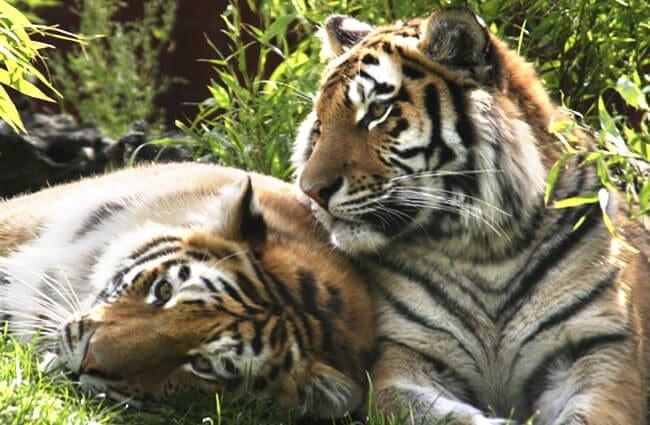
The Siberian tiger remains a symbol of wildness and resilience. Through ongoing conservation efforts and a deeper understanding of their biology and behavior, we can ensure that these magnificent creatures continue to thrive for generations to come.
![Closeup of a beautiful Red Angus cowPhoto by: U.S. Department of Agriculture [pubic domain]https://creativecommons.org/licenses/by/2.0/](https://animals.net/wp-content/uploads/2020/03/Red-Angus-4-238x178.jpg "Red Angus")




![Closeup of a beautiful Red Angus cowPhoto by: U.S. Department of Agriculture [pubic domain]https://creativecommons.org/licenses/by/2.0/](https://animals.net/wp-content/uploads/2020/03/Red-Angus-4-100x75.jpg "Red Angus")


