Mink, often described as sleek, sinuous predators, occupy a fascinating niche in the natural world. Though frequently overlooked, these animals boast a rich history, complex behaviors, and a significant impact on their ecosystems. This comprehensive guide delves into the world of mink, covering everything from their evolutionary origins to their current interactions with humans.
Understanding the Mink
The name “mink” isn’t specific to a single species. It broadly refers to members of the Mustelidae family, which also includes weasels, badgers, otters, and ferrets. However, when people talk about “mink,” they most often mean the American mink (Neovison vison) and the European mink (Mustela lutreola). The American mink is the more widespread of the two, thriving across North America and having been introduced to Europe. The European mink, sadly, is critically endangered and facing habitat loss and competition from the American mink.
Physical Characteristics
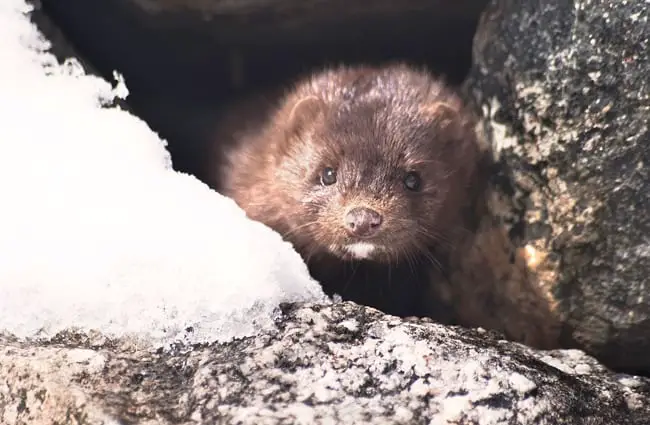
Mink are relatively small mustelids, typically measuring between 18 and 30 inches in length, including their tail. They weigh between 1.5 and 7 pounds. Their bodies are long and slender, built for navigating tight spaces and pursuing prey. A luxurious, dense coat provides insulation in cold climates, ranging in color from shades of brown to nearly black, sometimes with white markings. Their small, rounded ears and sensitive whiskers help them detect prey in various environments. Their feet are partially webbed, aiding in swimming, an activity they are remarkably proficient at.
Habitat and Distribution
Mink are semi aquatic animals, preferring habitats near rivers, streams, lakes, and wetlands. They require access to water for hunting and foraging, but also need terrestrial areas for denning and traveling. American mink are incredibly adaptable and can be found in a variety of environments, including forests, grasslands, and even urban areas. European mink are more specialized, requiring undisturbed riparian habitats with dense vegetation. They are particularly sensitive to water pollution and habitat fragmentation.
A Journey Through Mink Evolution
The evolutionary history of mink is rooted in the broader story of the Mustelidae family. Mustelids are believed to have originated in Eurasia during the Oligocene epoch, around 30 million years ago. Early mustelids were likely terrestrial predators, gradually diversifying into a range of ecological niches. The ancestors of modern mink are thought to have emerged during the Pleistocene epoch, around 2.6 million years ago. Fossil evidence suggests that the American mink evolved from a more primitive ancestor in North America, while the European mink represents a separate lineage that evolved in Europe. The ability to thrive in both aquatic and terrestrial environments likely played a crucial role in their evolutionary success.
Diet and Hunting Strategies
Mink are opportunistic carnivores with a varied diet. Their primary prey includes fish, crustaceans, amphibians, rodents, birds, and insects. They will also consume eggs, berries, and carrion when available. Their hunting strategies are diverse and depend on the prey species and habitat. In the water, they are skilled swimmers and divers, capable of pursuing fish and crustaceans with agility. On land, they stalk prey using their keen senses and stealthy movements. They often cache food, storing it for later consumption, particularly during times of scarcity. This behavior is vital for survival through harsh winters.
Mink Reproduction and Life Cycle
Mink typically breed once a year, with the breeding season occurring in late winter or early spring. Males compete for access to females, engaging in fierce battles. After mating, females build dens in burrows, hollow logs, or rock crevices. Gestation lasts around 50 to 70 days, resulting in a litter of three to seven kits. Kits are born blind and helpless, relying entirely on their mother for care. They are weaned after about a month and begin to explore their surroundings. Young mink stay with their mother throughout the summer, learning essential hunting and survival skills. They become independent in the fall, dispersing to establish their own territories.
Ecological Role and Interactions
Mink play a vital role in maintaining the health of their ecosystems. As predators, they help regulate populations of their prey species, preventing overgrazing and maintaining biodiversity. They also contribute to nutrient cycling by consuming and excreting organic matter. However, mink can also have negative impacts on certain species. They are known to prey on ground nesting birds and amphibians, potentially contributing to declines in these populations. Furthermore, the introduction of American mink to Europe has had devastating consequences for the endangered European mink, due to competition for resources and predation.
Mink and Other Animals
Mink often coexist with other predators, such as foxes, coyotes, and otters. While there can be competition for resources, they typically avoid direct conflict. Otters, being larger and more specialized fish eaters, tend to dominate aquatic habitats, while mink exploit smaller prey and terrestrial areas. Mink are also prey for larger predators, such as wolves, bobcats, and eagles, although predation rates are relatively low.
Mink and Human History
For centuries, mink have been valued for their luxurious fur. Indigenous peoples of North America traditionally hunted mink for sustenance and used their pelts for clothing and trade. European fur traders later established a thriving fur trade, driving the exploitation of mink populations. In the 20th century, mink farming became widespread, providing a consistent supply of pelts for the fashion industry. However, mink farming has also raised ethical concerns about animal welfare and the potential for disease outbreaks. Today, there is a growing movement to ban mink farming and promote sustainable alternatives.
Encountering a Mink in the Wild
If you encounter a mink in the wild, it is best to observe it from a distance. Mink are generally shy and will avoid human contact if possible. Do not approach or attempt to handle the animal. If you have a pet with you, keep it on a leash to prevent any potential conflicts. Report any sightings of European mink to local wildlife authorities, as this can help with conservation efforts.
Caring for Mink in Captivity
Caring for mink in captivity requires specialized knowledge and facilities. Mink need spacious enclosures with access to both water and land. The enclosure should provide opportunities for swimming, digging, and hiding. A varied diet consisting of fresh meat, fish, and occasional fruits and vegetables is essential. Regular veterinary checkups and preventative care are crucial to maintain their health. Enrichment activities, such as puzzle toys and novel objects, can help stimulate their minds and prevent boredom. It is vital to provide a stimulating and enriching environment that mimics their natural habitat as closely as possible.
Interesting Mink Facts
- Mink can hold their breath for up to a minute underwater.
- They mark their territories with scent glands, leaving a musky odor.
- Mink have a high metabolic rate, requiring them to eat frequently.
- They are excellent climbers, capable of scaling trees and fences.
- European mink are more vulnerable to the effects of climate change.
Mink, though often unseen, are a testament to the resilience and adaptability of nature. Their complex behaviors, ecological roles, and fascinating history deserve our attention and respect. By understanding these remarkable animals, we can better appreciate the intricate web of life that sustains our planet.
![Closeup of a beautiful Red Angus cowPhoto by: U.S. Department of Agriculture [pubic domain]https://creativecommons.org/licenses/by/2.0/](https://animals.net/wp-content/uploads/2020/03/Red-Angus-4-238x178.jpg "Red Angus")
![Closeup of a beautiful Red Angus cowPhoto by: U.S. Department of Agriculture [pubic domain]https://creativecommons.org/licenses/by/2.0/](https://animals.net/wp-content/uploads/2020/03/Red-Angus-4-100x75.jpg "Red Angus")