A Deep Dive into the World of Cormorants
Cormorants, often described as sleek dark water birds, are a fascinating group with a history stretching back millions of years. Their unique adaptations and behaviors make them captivating subjects for both casual observers and dedicated researchers. This guide explores the complete world of cormorants, from their physical characteristics and ecological roles to their interactions with humans and the nuances of their lives.
What Exactly is a Cormorant?
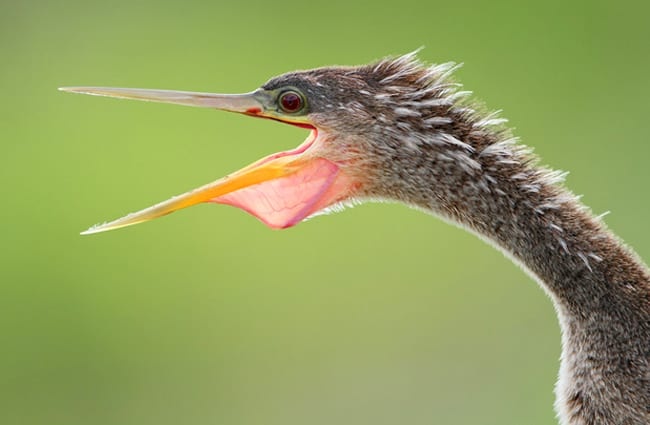
Cormorants belong to the family Phalacrocoracidae. There are approximately 40 different species found worldwide, inhabiting a diverse range of aquatic habitats. They are relatively large birds, ranging in size from about 70 to 100 centimeters in length, and are characterized by their dark plumage, long necks, and hooked bills. A key identifying feature, particularly in breeding season, is the often brightly colored facial skin and throat pouch. These birds are skilled divers, expertly pursuing fish and other aquatic prey.
Habitat and Distribution: Where Do Cormorants Live?
Cormorants exhibit a remarkably wide distribution. They can be found on the coasts of all continents except Antarctica and also inhabit rivers, lakes, and estuaries. Different species have adapted to specific environments. For example, the Double-crested Cormorant is common in North America, favoring large bodies of water and coastal regions. The Great Cormorant is widespread in Europe, Asia, and Africa, while the Galápagos Cormorant is restricted to the Galápagos Islands. They prefer areas with readily available food and suitable nesting sites, which can range from cliffs and trees to artificial structures such as bridges and platforms.
Evolutionary History: A Glimpse into the Past
The evolutionary history of cormorants is traced back to the Eocene epoch, around 50 million years ago. Fossil records suggest that early cormorant ancestors were more widespread than their modern counterparts. Over time, the family diversified, adapting to various ecological niches. Their lineage is closely related to other water birds such as anhingas and herons, sharing a common ancestry. The evolution of their diving abilities, unique feather structure, and specialized bill morphology has been crucial to their success as aquatic predators.
Diet and Feeding Behavior: Masters of the Underwater Chase
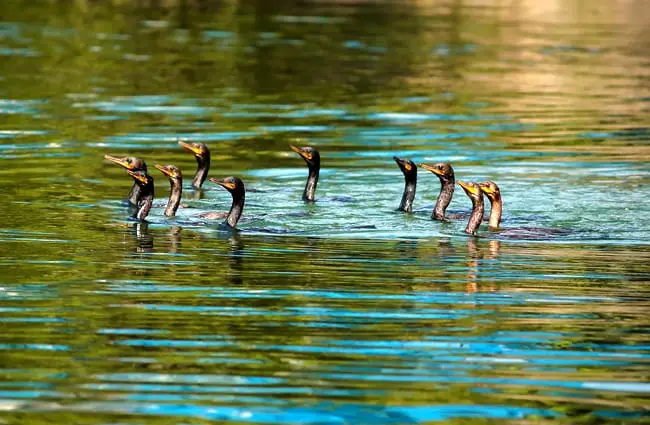
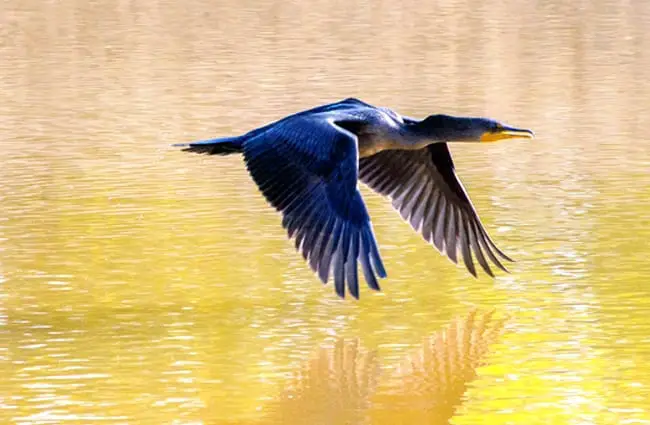
Cormorants are primarily piscivores, meaning their diet consists mainly of fish. However, they are opportunistic feeders and will also consume crustaceans, amphibians, and even small reptiles. Their hunting strategy is remarkable. They dive beneath the surface, propelling themselves with their webbed feet and using their wings for steering. They pursue fish with surprising agility and capture them with their hooked bills.
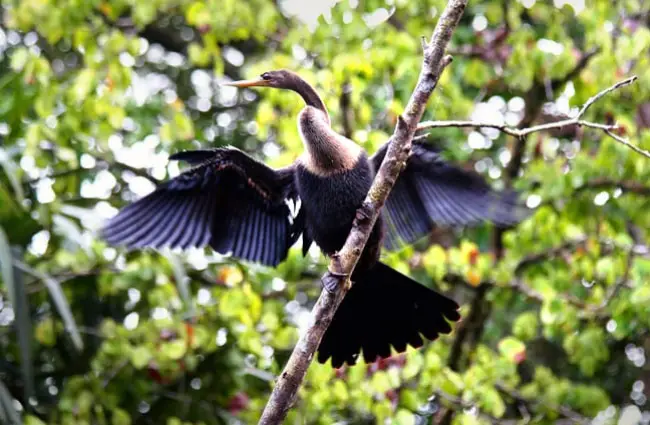
Interestingly, cormorants have relatively poorly waterproofed feathers compared to many other water birds. This is thought to be an adaptation that helps them to dive more easily. They must regularly spread their wings to dry them after diving, giving them their characteristic silhouette on rocks and branches.
Reproduction and Life Cycle: From Nesting to Fledging
Cormorants are generally colonial nesters, often forming large breeding colonies in trees, on cliffs, or on the ground. The breeding season varies depending on the species and location. Most species form long‑term pair bonds, and both parents participate in nest building and chick rearing. The female typically lays between three and seven eggs, which are incubated by both parents for about three to four weeks.
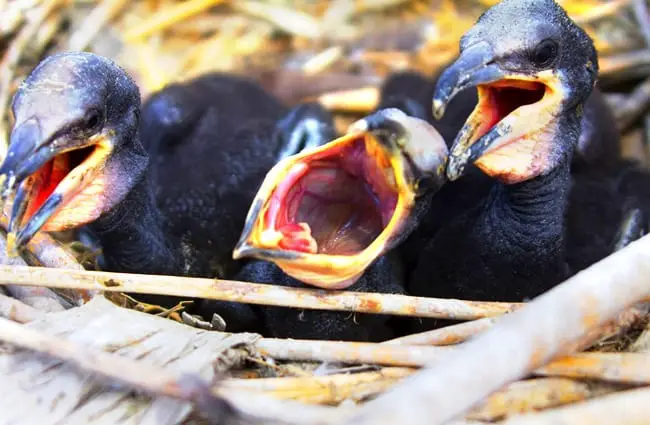
Chicks are altricial, meaning they are born helpless and dependent on their parents for food and care. Parents feed their chicks regurgitated fish until they are able to fledge, which usually occurs at around five to six weeks of age. Young cormorants continue to rely on their parents for a few weeks after fledging before becoming fully independent.
Ecological Role and Interactions
Cormorants play an important role in aquatic ecosystems. As predators, they help regulate fish populations. They are also prey for larger predators such as raptors and marine mammals. Their guano provides nutrients for plants and invertebrates.
Cormorants often interact with humans in various ways. They can be seen foraging in fish farms and hatcheries, leading to conflicts with aquaculture industries. They are also sometimes used in traditional fishing practices in certain parts of the world.
Cormorants and Human Culture
Cormorants have a long history of interaction with humans, featuring in folklore, art, and literature across various cultures. In some cultures, cormorants have been traditionally trained for fishing. Fishermen attach a string to the bird’s leg and allow it to catch fish, which are then retrieved. This practice is still employed in certain regions of Asia.
Encountering Cormorants in the Wild
If you encounter a cormorant in the wild, observe it from a distance and avoid disturbing it. Do not approach nesting colonies, as this can cause stress to the birds and potentially lead to nest abandonment. If you find an injured or distressed cormorant, contact a local wildlife rehabilitation center for assistance. Remember that these birds are wild animals and should be treated with respect.
Cormorant Care in Captivity
For zookeepers and aviculturists caring for cormorants in captivity, providing a spacious enclosure with both land and water areas is crucial. The water should be deep enough for diving and swimming, and the land area should provide ample space for perching and nesting. A varied diet of fresh fish should be provided daily, supplemented with vitamins and minerals. Regular veterinary checkups are essential to monitor the bird’s health. Enrichment activities, such as providing floating objects or simulated prey, can help stimulate the bird’s natural behaviors.
Fun Facts About Cormorants
- Cormorants can dive to depths of up to 15 meters.
- Some species of cormorants are highly colonial, with breeding colonies containing thousands of birds.
- Cormorant feathers are not fully waterproof and require regular drying.
- Cormorants have a specialized throat pouch that they use to store fish.
- The oldest known cormorant fossil dates back to the Eocene epoch.
Conclusion
Cormorants are fascinating and adaptable birds with a rich history and vital role in aquatic ecosystems. From their unique diving abilities and complex social behaviors to their cultural significance and interactions with humans, these birds continue to captivate and inspire. By understanding and appreciating these remarkable creatures, we can help ensure their survival for generations to come.
![Closeup of a beautiful Red Angus cowPhoto by: U.S. Department of Agriculture [pubic domain]https://creativecommons.org/licenses/by/2.0/](https://animals.net/wp-content/uploads/2020/03/Red-Angus-4-238x178.jpg "Red Angus")

![Closeup of a beautiful Red Angus cowPhoto by: U.S. Department of Agriculture [pubic domain]https://creativecommons.org/licenses/by/2.0/](https://animals.net/wp-content/uploads/2020/03/Red-Angus-4-100x75.jpg "Red Angus")