In the vast tapestry of life, some creatures stand out not just for their beauty or power, but for their sheer uniqueness, a testament to millions of years of evolutionary refinement. Among these living relics is the Gharial, a crocodilian so distinct it seems to have swum straight out of a prehistoric dream. With its impossibly long, slender snout and a gentle, almost serene demeanor, the Gharial offers a fascinating glimpse into a specialized aquatic existence. Join us as we dive deep into the world of this magnificent river dweller, exploring its ancient lineage, vital role in its ecosystem, and the urgent efforts to secure its future.
Meet the Gharial: A Riverine Enigma
The Gharial, scientifically known as Gavialis gangeticus, is one of the three extant species of crocodilians native to the Indian subcontinent, alongside the Mugger Crocodile and the Saltwater Crocodile. However, it is easily distinguished from its robust cousins by its remarkably specialized anatomy. It belongs to its own family, Gavialidae, highlighting its unique evolutionary path.
Physical Characteristics: The Snout of a Specialist
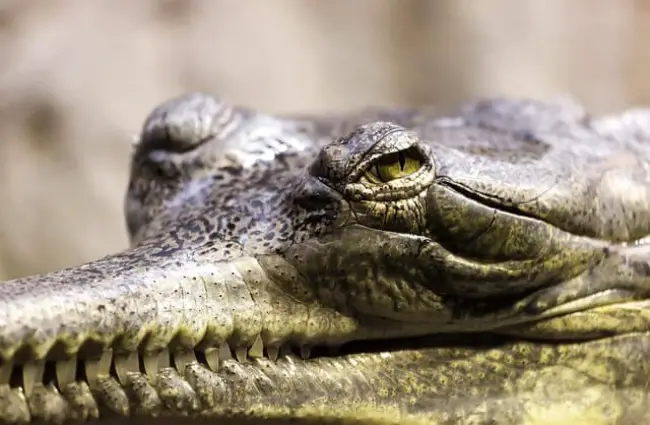
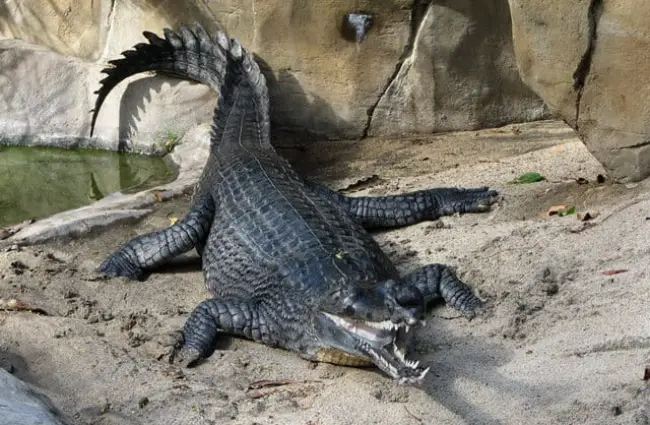
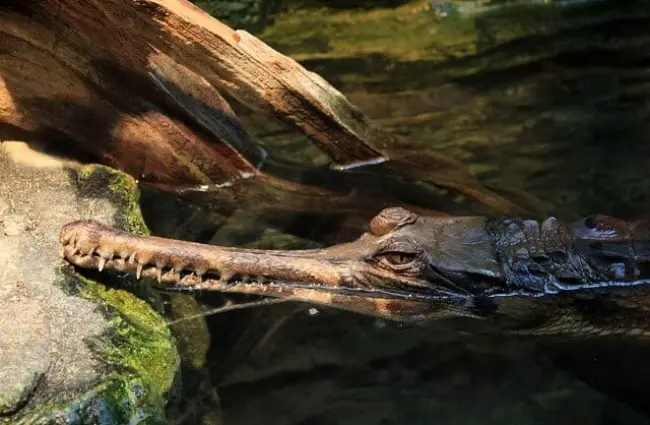
The most striking feature of the Gharial is undoubtedly its elongated, narrow snout, which is lined with over a hundred razor-sharp, interlocking teeth. This delicate-looking rostrum is perfectly adapted for catching fish, its primary prey. Unlike the broad, powerful jaws of other crocodilians designed for crushing and tearing, the Gharial’s snout offers minimal water resistance, allowing it to snap up slippery fish with incredible speed and precision underwater.
- Size: Adult Gharials are among the largest crocodilians, with males typically reaching lengths of 4.5 to 6 meters (15 to 20 feet), and some individuals potentially exceeding 6.5 meters (21 feet). Females are generally smaller, averaging 3 to 4.5 meters (10 to 15 feet).
- Coloration: Their dorsal skin is typically dark olive or brownish, fading to a lighter yellowish-white on the belly. Juveniles often display dark cross-bands on their bodies and tails, which gradually fade with age.
- The “Ghâra”: Adult male Gharials develop a distinctive, bulbous growth on the tip of their snout, known as a “ghâra” (Hindi for “pot”). This cartilaginous appendage is used for vocalization, particularly during courtship displays, and possibly for bubbling to attract mates or asserting dominance. It is this unique feature that gives the Gharial its common name.
- Legs and Feet: While powerful swimmers, their relatively weak legs and splayed feet are not well-suited for terrestrial locomotion, making them somewhat clumsy on land. However, their webbed hind feet are excellent for propulsion in water.
Habitat: Rivers of Life
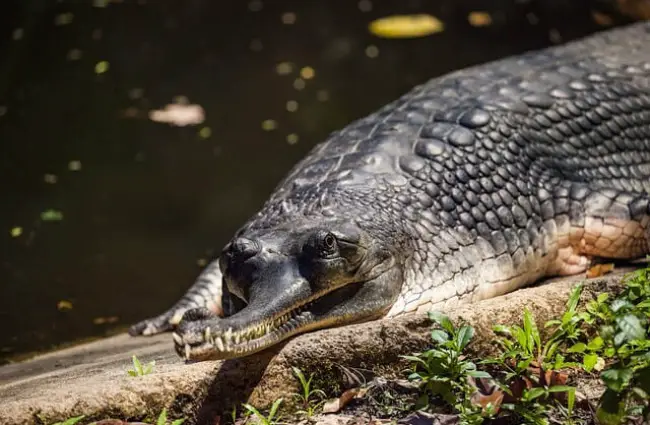
Gharials are obligate freshwater inhabitants, preferring deep, clear, fast-flowing rivers with sandbanks for basking and nesting. Their historical range once spanned across the major river systems of the Indian subcontinent, including the Indus, Ganges, Brahmaputra, and Mahanadi rivers. Today, their distribution is severely fragmented and restricted to a handful of isolated populations primarily in India and Nepal.
- Key River Systems: Significant populations are found in the Chambal River (a tributary of the Yamuna), the Girwa River, the Son River, and the Mahanadi River in India, as well as the Narayani-Rapti River system in Nepal.
- Preferred Microhabitats: They favor river stretches with deep pools, strong currents, and adjacent sandy banks or rocky outcrops for thermoregulation. These deep pools provide refuge during dry seasons and allow them to ambush fish effectively.
- Seasonal Movements: Gharials may undertake localized movements within river systems, often migrating to specific sandy stretches for nesting during the dry season (March to May) and dispersing during the monsoon floods.
Diet: The Ultimate Piscivore
The Gharial’s specialized snout is a clear indicator of its diet: it is almost exclusively piscivorous, meaning it eats fish. Its long, slender jaws and numerous sharp teeth are perfectly designed to grasp and hold onto slippery fish, preventing escape. Juveniles may consume insects, tadpoles, and small crustaceans, but as they mature, their diet shifts entirely to fish.
- Hunting Technique: Gharials typically lie in wait, submerged or partially submerged, allowing the river current to bring fish to them. They can also actively stalk fish, using their sensitive snouts to detect vibrations in the water. When a fish is within range, they execute a swift, sideways snap of their jaws, impaling or trapping the prey.
- Ecological Niche: This dietary specialization means Gharials do not compete directly with other crocodilians for food, as Muggers and Saltwater Crocodiles have broader diets including mammals, birds, and reptiles. This unique niche highlights their evolutionary success in exploiting a specific food resource.
Conservation Status: Critically Endangered
Tragically, the Gharial is listed as Critically Endangered by the IUCN. Its populations have plummeted by over 90% in the last century, making it one of the most threatened large reptiles on Earth. This drastic decline is attributed to a confluence of factors, primarily human-induced.
Life Cycle and Behavior: A Glimpse into Gharial Society
Gharials are generally less aggressive than other crocodilians, a trait linked to their specialized diet and jaw structure. They are primarily aquatic but spend significant time basking on sandy riverbanks to regulate their body temperature.
Reproduction: Nests on the Sand
The Gharial’s breeding season typically occurs during the dry months, from March to May, when river levels are low, exposing extensive sandbanks suitable for nesting.
- Courtship: Males use their “ghâra” to produce buzzing and bubbling sounds during courtship, attracting females. They may also engage in head-slapping and snout-rubbing displays.
- Nesting: Females dig nests in sandy riverbanks, usually at night, laying between 20 to 95 eggs. Gharial eggs are among the largest of all crocodilians.
- Incubation: The eggs are covered with sand and left to incubate for approximately 60 to 80 days, relying on the ambient temperature of the sand.
- Temperature-Dependent Sex Determination (TSD): Like many reptiles, the sex of Gharial hatchlings is determined by the temperature at which the eggs incubate. Cooler temperatures typically produce females, while warmer temperatures produce males. This makes them particularly vulnerable to climate change and habitat alteration.
- Parental Care: While the female does not actively feed her young, she guards the nest and, once the eggs hatch, may assist the hatchlings in reaching the water. She will also protect them from predators for a period, often allowing them to ride on her head or back. This level of parental care is crucial for the survival of the vulnerable young.
Lifespan
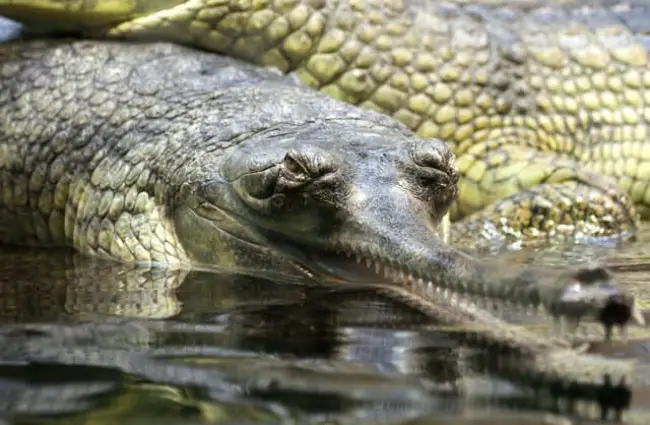
In the wild, Gharials are estimated to live for 50 to 60 years, though precise data can be challenging to obtain. In well-managed captive environments, they can also reach similar ages, sometimes exceeding them.
Evolutionary Journey: An Ancient Lineage
The Gharial represents an ancient and distinct lineage within the crocodilian order. Its evolutionary history stretches back millions of years, with fossil records indicating that gavialids were once a diverse group, found across various continents.
- Divergence: The Gavialidae family diverged from other crocodilians early in their evolutionary history, possibly during the Late Cretaceous period, around 70 million years ago.
- Fossil Relatives: Fossil evidence points to several extinct gavialid species, some of which were even larger than the modern Gharial and inhabited marine environments. This suggests a broader ecological range for their ancestors.
- Specialized Adaptation: The extreme specialization of the Gharial’s snout for piscivory is a hallmark of its long evolutionary journey, allowing it to thrive in its specific riverine niche for millennia.
Ecological Role: An Indicator of River Health
As an apex predator in its freshwater ecosystem, the Gharial plays a crucial role in maintaining the balance of its environment. Its presence is often considered an indicator of a healthy river system, as it requires clean water, abundant fish populations, and undisturbed sandbanks.
- Population Control: By preying on fish, Gharials help regulate fish populations, potentially preventing overpopulation and disease.
- Nutrient Cycling: Their presence and activities contribute to nutrient cycling within the river ecosystem.
- Habitat Engineering: While not as pronounced as beavers, their presence can influence the physical structure of riverbanks through nesting activities, which can benefit other species.
Gharials and Humans: A Complex Relationship
The interaction between Gharials and humans has evolved significantly over time, from reverence to conflict, and now, increasingly, to conservation.
Cultural Significance
In Hindu mythology, the Gharial is sometimes associated with the river goddess Ganga (Ganges) and the god Varuna, the deity of water. Its presence in sacred rivers has historically afforded it a degree of protection, viewed as a guardian of the waterways.
Historical and Modern Interactions
Historically, Gharials were hunted for their skin, which was used for leather, and for traditional medicine. Their eggs were also collected for consumption. However, the most severe threats today stem from habitat degradation and human activities.
- Habitat Loss and Degradation:
- Damming and Diversion: Construction of dams, barrages, and irrigation canals fragments river habitats, alters water flow, and reduces fish migration, severely impacting Gharial populations.
- Sand Mining: Extensive sand mining on riverbanks destroys critical nesting and basking sites.
- Pollution: Industrial, agricultural, and domestic pollution contaminates river water, impacting fish populations and directly harming Gharials.
- Fishing Practices:
- Entanglement: Gharials frequently get entangled and drown in fishing nets, particularly gill nets, which are widespread in their habitats.
- Depletion of Prey: Overfishing by humans reduces the Gharial’s primary food source.
- Direct Killing: Although less common now, Gharials are still occasionally killed by fishermen who perceive them as competitors or threats, despite their non-aggressive nature towards humans.
Safety for Hikers and River Users
For those fortunate enough to encounter a Gharial in the wild, it is important to remember that these animals are generally shy and non-aggressive towards humans. Their narrow snouts are not designed for attacking large prey, and they pose virtually no threat to people. However, as with all wild animals, respect and caution are paramount.
- Maintain Distance: Always observe Gharials from a safe and respectful distance. Do not approach them, especially if they are basking or near a nest.
- Avoid Disturbing Nests: If you encounter a nesting site, leave it undisturbed. Disturbing nests can lead to abandonment or predation of eggs.
- Do Not Feed: Never attempt to feed any wild animal, including Gharials. This can alter their natural behavior and make them dependent on humans.
- Observe and Appreciate: Enjoy the rare opportunity to witness these magnificent creatures in their natural habitat. Your presence should be as unobtrusive as possible.
For the Aspiring Zoologist: Research and Fieldwork
The Gharial offers a wealth of research opportunities for aspiring zoologists and conservation biologists. Studying this critically endangered species is vital for its survival.
- Population Dynamics: Research on population size, structure, survival rates, and recruitment is crucial for understanding population trends and the effectiveness of conservation interventions. This often involves capture-recapture studies and photographic identification.
- Habitat Use and Movement: Telemetry studies (attaching transmitters to Gharials) provide insights into their movement patterns, preferred habitats, and seasonal migrations, informing protected area management.
- Dietary Analysis: Further research into their precise dietary composition and foraging ecology can help assess prey availability and habitat quality.
- Reproductive Biology: Detailed studies on nesting success, egg viability, and temperature-dependent sex determination are essential for understanding reproductive output and the impacts of environmental change.
- Genetic Studies: Genetic analysis can reveal population connectivity, genetic diversity, and potential inbreeding, which are critical for long-term conservation planning.
- Human-Wildlife Conflict Mitigation: Research into effective strategies to reduce Gharial entanglement in fishing nets and mitigate other human-induced threats is urgently needed.
For the Zookeeper: Caring for Gharials in Captivity
Caring for Gharials in a captive environment requires specialized knowledge and dedication, contributing to both species survival and public education.
- Enclosure Design:
- Spacious Aquatic Environment: Gharials require very large, deep pools with excellent water quality, mimicking their natural riverine habitat. Filtration systems must be robust.
- Basking Areas: Ample dry land areas with sandbanks or smooth rocks are essential for thermoregulation. These areas should be easily accessible from the water.
- Substrate: A soft, sandy substrate in both aquatic and terrestrial areas is preferred to prevent injury to their delicate snouts and bellies.
- Temperature and Humidity Control: Maintaining appropriate water and air temperatures, along with humidity levels, is crucial for their health and well-being.
- Diet and Feeding:
- Fish-Exclusive Diet: Captive Gharials should be fed a diet consisting almost entirely of various freshwater fish species.
- Nutritional Supplementation: Fish should be supplemented with vitamins (especially B1, as some fish contain thiaminase) and calcium to prevent nutritional deficiencies.
- Feeding Frequency: Juveniles require more frequent feeding than adults. Adults may be fed several times a week, depending on their size and activity level.
- Behavioral Enrichment:
- Submerged Structures: Providing underwater logs, rocks, or artificial structures can offer hiding spots and stimulate natural behaviors.
- Varying Feeding Methods: Offering fish in different ways, such as scattered in the water or hidden, can encourage foraging behavior.
- Water Flow: Mimicking river currents with pumps can provide environmental stimulation.
- Health Monitoring:
- Regular Checks: Daily observation for changes in appetite, activity level, skin condition, and fecal consistency is vital.
- Veterinary Care: Regular veterinary check-ups, including blood work and physical examinations, are important for preventative care.
- Water Quality: Consistent monitoring of water parameters (pH, ammonia, nitrites, nitrates) is paramount to prevent skin infections and other health issues.
- Breeding Programs: Zookeepers often participate in Species Survival Plans (SSPs) to maintain genetically diverse captive populations, which can serve as a safeguard against extinction and potentially contribute to reintroduction efforts.
Fascinating Gharial Facts
The Gharial is full of intriguing details that highlight its unique place in the animal kingdom:
- Ancient Ancestry: Gharials are considered living fossils, having changed very little in millions of years.
- Gentle Giants: Despite their formidable appearance and size, Gharials are remarkably timid and pose little to no threat to humans, unlike their more aggressive crocodilian relatives.
- Snout Sensitivity: Their long snouts are highly sensitive, equipped with pressure receptors that help them detect fish movements in murky water.
- Underwater Vision: Gharials have excellent underwater vision, aided by a nictitating membrane (a transparent third eyelid) that protects their eyes.
- Vocalization: Beyond the male’s “ghâra” calls, Gharials produce a variety of sounds, including hisses, growls, and coughs, for communication. Hatchlings emit chirping sounds to alert their mother.
- Basking Behavior: They are often seen basking in groups on sandbanks, a behavior crucial for thermoregulation and digestion.
- Swimming Prowess: Their powerful, laterally compressed tails are their primary means of propulsion, allowing them to swim with incredible speed and agility in strong river currents.
The Future of the Gharial: A Call to Action
The Gharial is a magnificent creature, a true marvel of evolution, and a vital component of the river ecosystems it inhabits. Its critically endangered status serves as a stark reminder of the profound impact human activities can have on the natural world. Conservation efforts, including habitat protection, anti-poaching measures, captive breeding programs, and community engagement, are underway, offering a glimmer of hope for its survival.
By understanding and appreciating the Gharial, we not only contribute to its conservation but also gain a deeper respect for the intricate web of life that sustains our planet. Supporting conservation initiatives and advocating for responsible river management are crucial steps in ensuring that this ancient river guardian continues to grace the waters of the Indian subcontinent for generations to come.
![Closeup of a beautiful Red Angus cowPhoto by: U.S. Department of Agriculture [pubic domain]https://creativecommons.org/licenses/by/2.0/](https://animals.net/wp-content/uploads/2020/03/Red-Angus-4-238x178.jpg "Red Angus")
![Closeup of a beautiful Red Angus cowPhoto by: U.S. Department of Agriculture [pubic domain]https://creativecommons.org/licenses/by/2.0/](https://animals.net/wp-content/uploads/2020/03/Red-Angus-4-100x75.jpg "Red Angus")