The giant panda, a captivating creature emblematic of conservation efforts and beloved worldwide, holds a unique place in both the natural world and human culture. More than just a fluffy face, the panda’s story is one of evolutionary adaptation, ecological importance, and ongoing vulnerability. This article delves into the fascinating life of the giant panda, covering its biology, behavior, habitat, and the challenges it faces.

Understanding the Giant Panda
Physical Characteristics and Adaptations
The giant panda, Ailuropoda melanoleuca, literally “black and white cat foot”, is instantly recognizable by its striking coloration. This bold pattern isn’t merely cosmetic. It is thought to provide camouflage in the snowy and rocky environments it inhabits, as well as potentially serving a communication purpose. Adults typically weigh between 75 to 160 kilograms and stand around 60 to 90 centimeters tall at the shoulder. A key adaptation is the “pseudo thumb”, an extended wrist bone covered by a fleshy pad, allowing them to manipulate bamboo stalks with surprising dexterity.
Habitat and Distribution
Giant pandas are native to the temperate forests of southwestern China, primarily in the Sichuan, Shaanxi, and Gansu provinces. Their habitat is characterized by high altitude, dense bamboo forests, and cool, wet climates. These forests are crucial, as bamboo constitutes over 99 percent of their diet. The fragmented nature of this habitat, due to deforestation and human encroachment, remains a significant threat to panda populations.
The Panda’s Diet and Feeding Habits
Bamboo Specialization
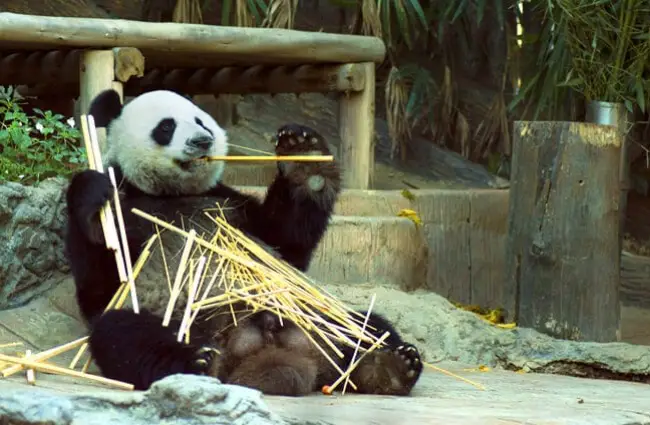
While classified as a carnivore due to its ancestry, the giant panda has evolved to become a bamboo specialist. They consume an astounding amount of bamboo daily, between 12 to 38 kilograms, to meet their energy needs. This necessitates spending a large portion of their day, up to 14 hours, eating. Different species of bamboo are preferred, and pandas will actively select the most nutritious parts of the plant. They can differentiate between over 60 bamboo species, even though only a limited number actually make up their regular diet.
Beyond Bamboo
Occasionally, pandas supplement their diet with small animals such as rodents or birds, or other vegetation. However, these make up a very small percentage of their overall food intake. These rare instances demonstrate their carnivorous ancestry, but they are clearly not a significant part of their lifestyle.
Panda Behavior and Social Life

Solitary Nature
Giant pandas are generally solitary animals, except during the mating season and when mothers are raising cubs. They establish territories, marked by scent glands and scratch marks on trees, and avoid direct contact with other pandas. Communication occurs primarily through scent marking and occasional vocalizations.
Daily Routine
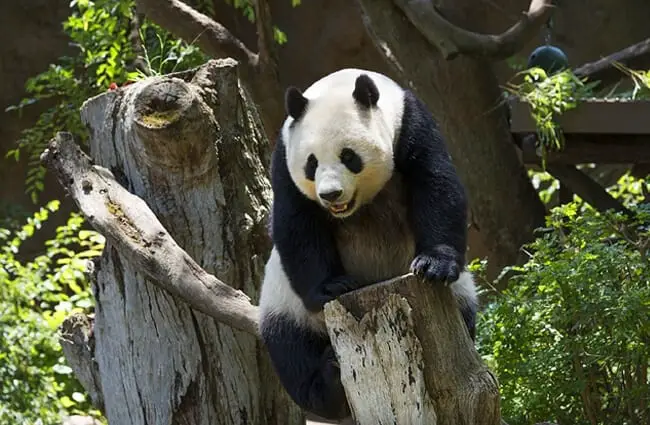
A typical day for a panda involves feeding, resting, and patrolling its territory. They are most active during dawn and dusk, and spend a significant portion of the day sleeping and digesting bamboo. They are surprisingly good climbers and swimmers, often seeking refuge in trees or using water to cool off.
Reproduction and Life Cycle
Mating and Gestation
The mating season typically occurs in spring. Female pandas are receptive to mating for only a short period, making successful reproduction challenging. After a gestation period of approximately 95 to 160 days, females usually give birth to one or two cubs. Cubs are born tiny and helpless, weighing only around 100 to 200 grams.
Cub Development
Cubs are entirely dependent on their mothers for the first few months of life. They are nursed for several months and begin to eat bamboo at around six months old. Cubs typically stay with their mothers for about 18 months to two years, learning essential survival skills. The survival rate of cubs is relatively low, making each successful birth crucial for the population.
Evolutionary History
From Carnivore to Bamboo Specialist
The evolutionary history of the giant panda is fascinating. Fossil evidence suggests that their ancestors were indeed carnivores. Over millions of years, they gradually adapted to a bamboo diet, undergoing significant anatomical and physiological changes. This dietary shift led to a reduced digestive system, specialized teeth for crushing bamboo, and the development of the “pseudo thumb.”
Related Species
The giant panda is the only surviving member of the Ailuropodinae subfamily. Other closely related species existed in the past, but they have since gone extinct. The red panda, Ailurus fulgens, while also native to the same region, is not closely related and belongs to a different family.

Panda’s Role in the Ecosystem
Seed Dispersal
While primarily a bamboo consumer, pandas play a role in seed dispersal for some plant species. As they move through the forest, seeds can become attached to their fur or pass through their digestive system, contributing to forest regeneration.
Habitat Engineering
Their foraging activities can also influence forest structure, creating gaps in the bamboo canopy and promoting the growth of other vegetation. This contributes to biodiversity within their habitat.
Panda and Humans
Conservation Status
The giant panda was once classified as “Endangered” but has been reclassified as “Vulnerable” due to conservation efforts. However, they remain a threatened species, facing ongoing challenges from habitat loss, fragmentation, and climate change. Approximately 1,800 pandas live in the wild, and around 600 live in captivity.
Conservation Efforts
Numerous conservation programs are underway to protect pandas and their habitat. These include establishing nature reserves, reforestation projects, anti poaching patrols, and captive breeding programs. International collaborations play a vital role in these efforts.
Interactions with Humans
Historically, pandas were sometimes hunted for their fur. Today, the primary threat is habitat loss due to deforestation, agriculture, and infrastructure development. Human activities also contribute to climate change, which impacts bamboo forests and panda populations.
Practical Information
Spotting a Panda in the Wild
For dedicated wildlife enthusiasts seeking a glimpse of pandas in their natural habitat, Sichuan Province in China is the primary location. Focus on exploring bamboo forests in mountainous regions. Hiring a local guide experienced in panda tracking significantly increases your chances of success. Be prepared for challenging terrain and unpredictable weather conditions. Remember to maintain a respectful distance and avoid disturbing the animals.
If You Encounter a Panda
Pandas are generally shy and avoid humans. If you encounter one, remain calm and do not approach it. Slowly back away, maintaining eye contact. Never attempt to feed or touch the animal. Report the sighting to local authorities.
Caring for Pandas in Captivity
Zookeepers caring for pandas must provide a large, enriched enclosure that mimics their natural habitat. A constant supply of fresh bamboo is essential, along with a varied diet to ensure proper nutrition. Regular veterinary checkups and behavioral enrichment activities are crucial for maintaining the animal’s physical and mental wellbeing. Maintaining strict hygiene protocols is vital to prevent the spread of disease.
The giant panda is a testament to the power of adaptation and the importance of conservation. By understanding its biology, behavior, and ecological role, we can contribute to its continued survival for generations to come.
![Closeup of a beautiful Red Angus cowPhoto by: U.S. Department of Agriculture [pubic domain]https://creativecommons.org/licenses/by/2.0/](https://animals.net/wp-content/uploads/2020/03/Red-Angus-4-238x178.jpg "Red Angus")


![Closeup of a beautiful Red Angus cowPhoto by: U.S. Department of Agriculture [pubic domain]https://creativecommons.org/licenses/by/2.0/](https://animals.net/wp-content/uploads/2020/03/Red-Angus-4-100x75.jpg "Red Angus")