The Enigmatic Gaboon Viper: A Master of Disguise
Few snakes inspire as much awe and caution as the Gaboon Viper Bitis gabonica. Native to the rainforests and savannas of sub‑Saharan Africa, this heavy‑bodied viper is renowned for its incredible camouflage, potent venom, and relatively docile temperament – a combination that makes it a fascinating subject for both scientists and nature enthusiasts. This comprehensive guide explores the Gaboon Viper’s biology, behavior, habitat, and its place in the African ecosystem.
A Portrait of the Gaboon Viper
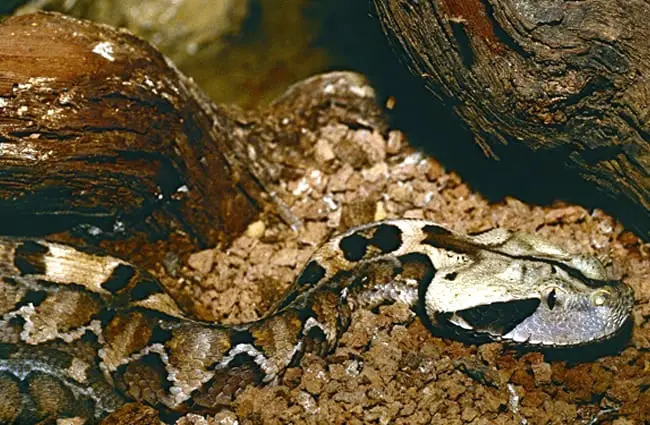
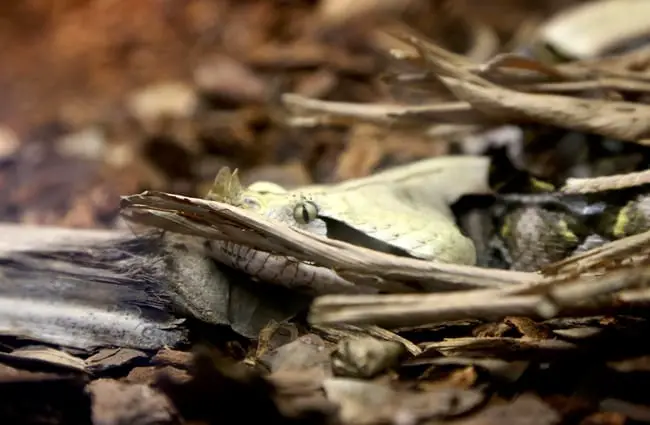
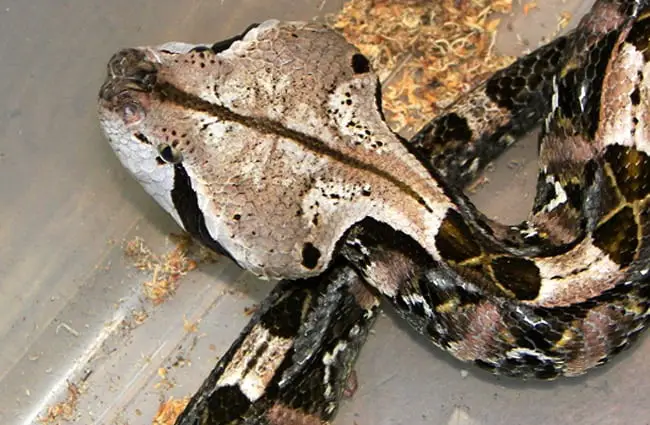
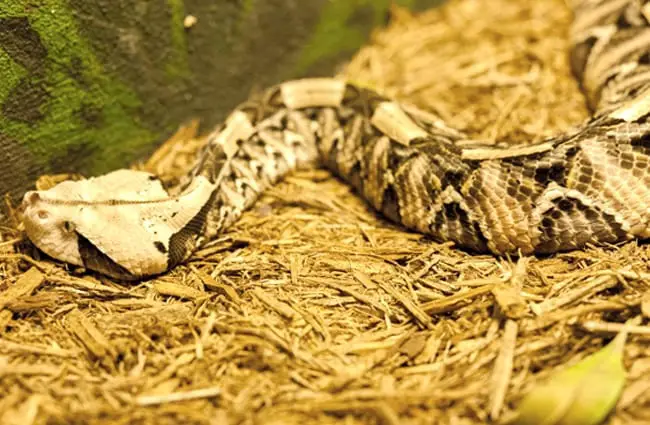
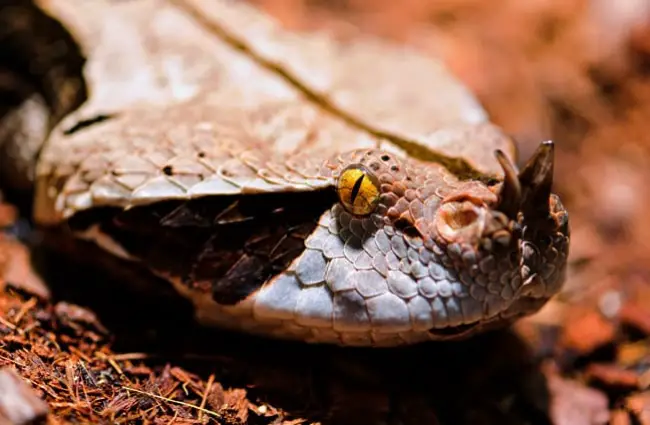
The Gaboon Viper is among the largest vipers in Africa, with adult specimens commonly reaching lengths of 1.5 to 2.4 meters (5 to 8 feet). Females typically grow larger than males. Its most striking feature is its intricate pattern of brown, black, and yellow or orange blotches, resembling the leaf litter of its forest home. This camouflage is not merely coloration; the viper’s rough, keeled scales further break up its outline, making it virtually invisible to unsuspecting prey and potential predators. A distinctive ‘horn’ or supraocular scale is present above each eye, adding to its unique appearance.
Physical Characteristics
Beyond camouflage, the Gaboon Viper possesses other notable physical traits. Its head is distinctly triangular, a common characteristic of vipers, housing heat‑sensing pits that detect warm‑blooded prey. These pits are located between the eye and nostril on both sides of the head. The fangs, hinged and relatively long, can reach up to 5 cm in length and are used to inject venom. The body is thick and muscular, reflecting its ambush hunting style. The tongue is dark and often flickers rapidly, used for chemoreception – ‘tasting’ the air for scents.
Habitat and Distribution
Gaboon Vipers are found in the tropical rainforests and savanna woodlands of Central, West, and Southern Africa. Their range extends from countries like Sierra Leone and Nigeria in the west, through Cameroon, Gabon, the Republic of Congo, and as far south as Angola and parts of Zambia. They prefer humid environments with dense vegetation, particularly near rivers, swamps, and forest floors covered in leaf litter. They are primarily terrestrial but can occasionally be found in low branches of trees or shrubs.
The Hunter’s Strategy: Diet and Hunting Behavior
The Gaboon Viper is an ambush predator, relying on its camouflage to remain undetected. It patiently waits for prey to come within striking distance before launching a rapid and accurate attack. Its diet consists primarily of rodents, birds, lizards, and occasionally larger mammals such as small antelopes or monkeys. They are known to consume prey much larger than their head, often exceeding 30% of the snake’s body weight.
Unlike some vipers that actively pursue prey, the Gaboon Viper prefers to deliver a precise strike and then release the prey. It uses its heavy body weight to subdue the animal, then slowly consumes it headfirst. The process of digestion is slow, sometimes taking several days or even weeks, depending on the size of the meal.
Reproduction and Life Cycle
Gaboon Vipers are viviparous, meaning they give birth to live young rather than laying eggs. Mating typically occurs during the rainy season. A single female can produce between 12 and 30 offspring, though larger females may produce even more. The young are born fully developed and are immediately capable of hunting and defending themselves. They are miniature versions of the adults, possessing the same camouflage and venomous fangs.
Young Gaboon Vipers mature relatively slowly, reaching sexual maturity around three to four years of age. Their lifespan in the wild is estimated to be between 20 and 30 years, though captive individuals have been known to live longer.
Ecological Role and Interactions
As apex predators, Gaboon Vipers play a crucial role in regulating rodent and other small mammal populations. This helps maintain the balance of the forest ecosystem and prevents outbreaks of agricultural pests. They are also prey for larger predators such as eagles, hawks, and occasionally leopards or other large carnivores. However, due to their effective camouflage and relatively docile nature, they are not often targeted.
Gaboon Vipers also interact with other snake species, competing for resources and occasionally engaging in ritualistic combat. They are relatively tolerant of the presence of other snakes, and it is not uncommon to find multiple individuals sharing the same territory.
Gaboon Vipers and Humans
While not inherently aggressive, Gaboon Vipers are capable of delivering a potent and potentially fatal bite if disturbed or threatened. Their venom is primarily hemotoxic, meaning it destroys blood cells and tissues, causing pain, swelling, and potentially leading to internal bleeding and necrosis. However, bites are relatively rare, as they typically only occur when someone accidentally steps on or disturbs a camouflaged snake.
In many parts of Africa, Gaboon Vipers are hunted for their skin, which is used to make leather goods, and for their venom, which is used in the production of antivenom and for research purposes. Habitat loss and degradation also pose a threat to their populations.
Encountering a Gaboon Viper in the Wild: Safety Precautions
If you encounter a Gaboon Viper in the wild, it is crucial to remain calm and avoid making any sudden movements. Slowly back away from the snake, giving it plenty of space. Do not attempt to handle or provoke it. Wear sturdy boots and long pants when hiking in areas where Gaboon Vipers are known to occur. If bitten, seek immediate medical attention and administer antivenom as soon as possible.
Caring for Gaboon Vipers in Captivity
Caring for Gaboon Vipers in captivity requires specialized knowledge and experience. They need a large, secure enclosure with a humid environment and plenty of hiding places. They should be fed appropriately sized rodents or other prey items on a regular basis. Regular monitoring of their health and behavior is essential. Avoid overcrowding and ensure the enclosure is cleaned and disinfected regularly.
Evolutionary History and Genetics
The evolutionary history of the Gaboon Viper, like that of many snake species, is still being investigated through molecular and fossil evidence. The Bitis genus, to which the Gaboon Viper belongs, is thought to have originated in Africa during the late Cretaceous or early Paleogene periods. Genetic studies suggest that the Gaboon Viper diverged from other Bitis species relatively recently, likely during the Pleistocene epoch. Its unique camouflage and hunting strategy likely evolved in response to the specific environmental pressures of its forest habitat.
Further research into the genetics of Gaboon Vipers is crucial for understanding its evolutionary relationships, population structure, and potential vulnerability to environmental changes. This information can also be used to inform conservation efforts and ensure the long‑term survival of this remarkable species.
The Gaboon Viper remains an enigmatic and fascinating creature, a testament to the incredible diversity and adaptability of life in the African rainforest. Its mastery of camouflage, potent venom, and relatively docile temperament make it a unique and awe‑inspiring predator, deserving of our respect and conservation efforts.
![Closeup of a beautiful Red Angus cowPhoto by: U.S. Department of Agriculture [pubic domain]https://creativecommons.org/licenses/by/2.0/](https://animals.net/wp-content/uploads/2020/03/Red-Angus-4-238x178.jpg "Red Angus")

![Closeup of a beautiful Red Angus cowPhoto by: U.S. Department of Agriculture [pubic domain]https://creativecommons.org/licenses/by/2.0/](https://animals.net/wp-content/uploads/2020/03/Red-Angus-4-100x75.jpg "Red Angus")