The iguana, a name that conjures images of ancient reptiles basking in the sun, represents a fascinating lineage of lizards that have captivated scientists and enthusiasts alike for centuries. These magnificent creatures, often recognized by their distinctive crests and dewlaps, are far more than just striking figures in tropical landscapes. They are complex animals with intricate behaviors, vital ecological roles, and a rich history that spans millions of years. From their evolutionary journey to their interactions with diverse ecosystems and human cultures, iguanas offer a window into the natural world’s enduring wonders.
Embark on a journey to uncover the secrets of the iguana, exploring everything from their preferred habitats and dietary habits to their unique reproductive strategies and the surprising ways they contribute to the health of our planet. Whether you are a student delving into reptile biology, an aspiring zoologist seeking deeper insights, an animal lover hoping to spot one in the wild, or even a zookeeper dedicated to their care, this comprehensive guide aims to illuminate the remarkable world of the iguana.
Unveiling the Iguana: A General Overview
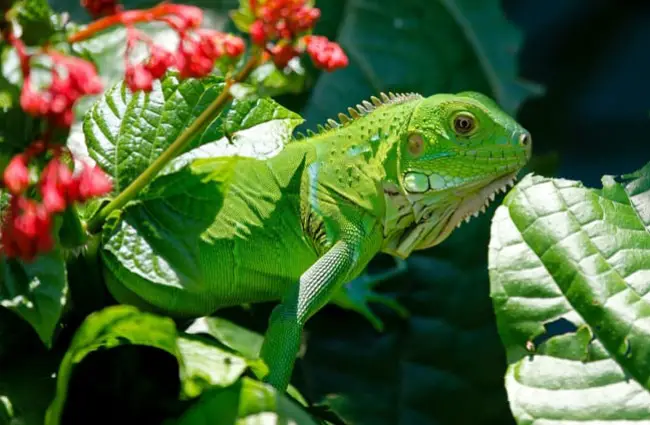
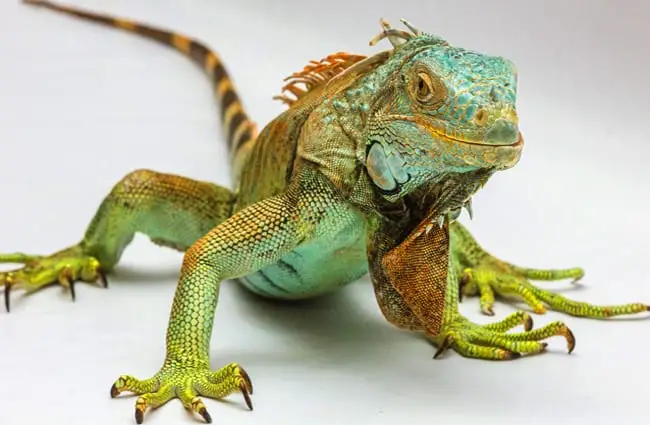
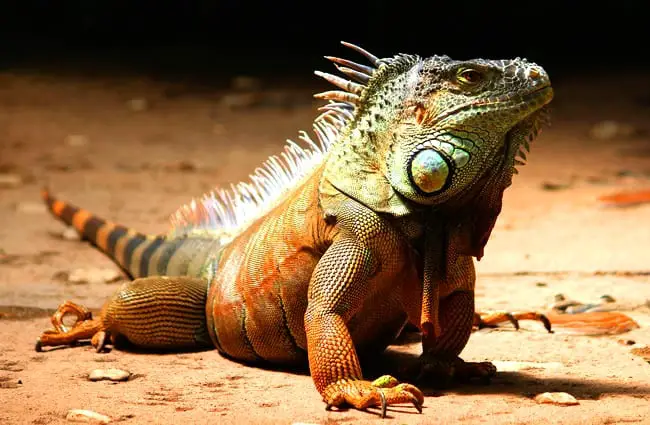
Iguanas are a genus of herbivorous lizards native to tropical and subtropical regions of Central and South America, as well as the Caribbean islands. The most widely recognized species is the Green Iguana (Iguana iguana), known for its vibrant coloration and impressive size. These reptiles are characterized by their robust bodies, long tails, prominent dewlaps, and a row of spines running down their backs.
Typically, adult Green Iguanas can reach lengths of 5 to 6 feet, including their tails, and weigh between 10 to 20 pounds. Their lifespan in the wild can range from 10 to 15 years, while under optimal captive conditions, some individuals have been known to live for over 20 years. These creatures are primarily arboreal, spending most of their lives in trees, but they are also adept swimmers, capable of holding their breath for extended periods underwater.
Their diet consists almost exclusively of plant matter, making them crucial herbivores in their native ecosystems. Beyond their physical attributes, iguanas exhibit complex social behaviors and communication methods, making them subjects of continuous scientific study.
Where the Wild Things Are: Iguana Habitat and Distribution
Iguanas thrive in warm, humid environments, making the tropical rainforests and dry forests of the Americas their ideal home. Their natural range extends from southern Brazil and Paraguay to Mexico and the Caribbean islands. Different species have adapted to specific niches within these broad regions.
Preferred Environments
- Arboreal Life: Green Iguanas are predominantly arboreal, meaning they spend the majority of their lives in trees. They prefer trees near water sources, offering both safety from predators and access to food. Their strong claws and powerful tails aid in climbing and maintaining balance among branches.
- Coastal Dwellers: The Marine Iguana (Amblyrhynchus cristatus) of the Galápagos Islands presents a unique adaptation, being the only lizard known to forage in the ocean. These iguanas are often found on rocky coastlines, basking in the sun to warm up after their dives into the cold Pacific waters.
- Terrestrial Species: While many iguanas are arboreal, some species, like the Desert Iguana (Dipsosaurus dorsalis) of the southwestern United States and Mexico, are primarily terrestrial, inhabiting arid and semi-arid desert environments.
Finding Iguanas in the Wild
For animal lovers hoping to observe iguanas in their natural habitat, focus on tropical regions with dense vegetation and proximity to water. Look for them basking on tree branches, especially in the morning hours after sunrise, as they regulate their body temperature. They are often found along riverbanks, mangrove forests, and coastal areas. Patience and keen observation are key, as their camouflage can make them blend seamlessly with their surroundings.
The Iguana’s Menu: A Detailed Look at Their Diet
The diet of an iguana is a fascinating aspect of its biology, primarily characterized by its herbivorous nature. Understanding what they eat, and how their dietary needs change, is crucial for appreciating their ecological role and for their proper care in captivity.
Herbivorous Specialists
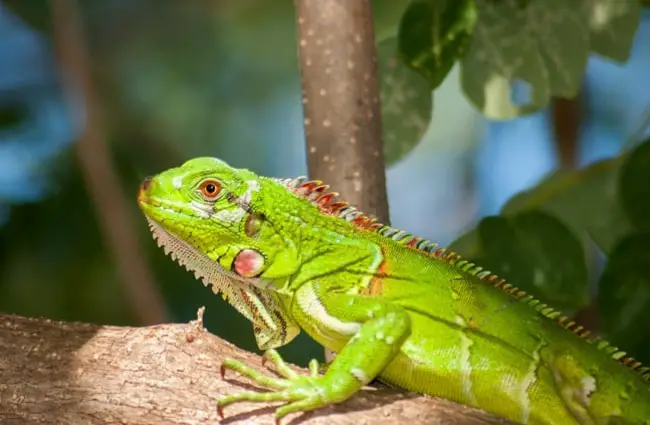
Iguanas are almost exclusively herbivorous, consuming a wide variety of leaves, flowers, and fruits. Their digestive system is specifically adapted to break down tough plant cellulose. Young iguanas may occasionally consume insects or small invertebrates, but as they mature, their diet shifts almost entirely to plant matter.
Dietary Components
- Leaves: The bulk of an iguana’s diet consists of leaves from various trees and shrubs. They show a preference for leaves that are high in protein and calcium, and low in oxalates and phosphorus. Examples include hibiscus, mulberry, dandelion greens, and collard greens.
- Flowers: Brightly colored flowers are a favorite treat, providing essential vitamins and minerals. Hibiscus, nasturtium, and rose petals are commonly consumed.
- Fruits: Fruits are eaten in moderation due to their high sugar content. Papaya, mango, melon, and berries are among the preferred choices, offering hydration and a burst of nutrients.
- Calcium and Vitamin D3: These are vital for bone health and preventing metabolic bone disease. In the wild, iguanas obtain Vitamin D3 through exposure to ultraviolet B (UVB) radiation from sunlight, which aids in calcium absorption.
Ecological Impact of Their Diet
As primary consumers, iguanas play a significant role in their ecosystems. By consuming vast quantities of plant material, they help control vegetation growth and contribute to seed dispersal. Seeds that pass through their digestive tracts are often deposited in new locations, aiding in plant propagation and forest regeneration.
The Dance of Life: Mating and Reproduction
Iguana reproduction is a seasonal affair, typically occurring during specific times of the year, often coinciding with the dry season to ensure hatchlings emerge when food resources are abundant.
Courtship and Mating
Male iguanas are highly territorial during the breeding season. They display vibrant colors, head bob, and inflate their dewlaps to attract females and ward off rival males. Courtship involves a series of head bobs, body posturing, and sometimes chasing. Mating can be a vigorous process, with the male grasping the female’s neck with his mouth and wrapping his tail around her to align their cloacas.
Nesting and Egg Laying
After a gestation period of several weeks, the female iguana will seek out a suitable nesting site. This is often a sandy or soft soil area, where she will dig a burrow. She can lay anywhere from 10 to 70 eggs, depending on her size and species. The eggs are leathery and white or cream-colored. Once the eggs are laid, the female covers the nest, meticulously camouflaging it to protect against predators, and then typically abandons them.
Hatchlings and Development
Incubation periods vary but generally last between 65 to 115 days. Hatchlings are miniature versions of their parents, usually bright green, and immediately independent. They rely on instinct for survival, finding food and shelter on their own. Their initial diet may include more insects than adults, gradually transitioning to a purely herbivorous diet as they grow. The survival rate for hatchlings is relatively low due to predation and environmental challenges.
A Glimpse into the Past: Iguana’s Evolutionary History
The evolutionary journey of iguanas is a testament to their adaptability and resilience. Belonging to the family Iguanidae, these lizards have a long and storied history, with ancestors dating back millions of years.
Ancient Lineage
Iguanids are an ancient group of lizards, with fossil records suggesting their presence dating back to the Late Cretaceous period, over 65 million years ago. Their distribution across the Americas and the Caribbean indicates a history of dispersal, likely involving rafting on vegetation mats across oceans, particularly for island species.
Adaptive Radiation
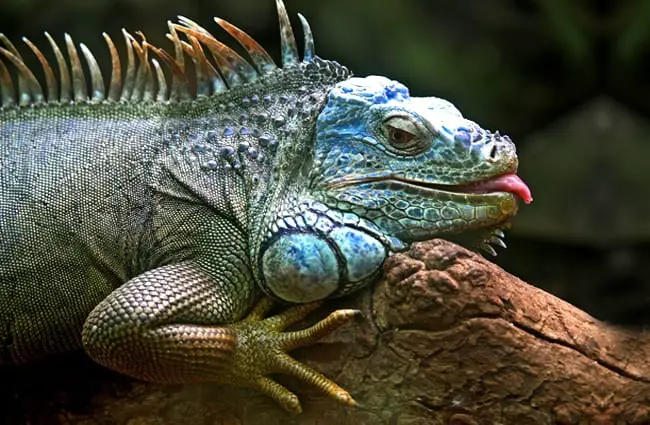
Over millennia, iguanas have undergone significant adaptive radiation, evolving into a diverse array of species tailored to specific ecological niches. The most striking example is the Marine Iguana of the Galápagos, which evolved unique physiological and behavioral adaptations to survive in a marine environment, including specialized salt glands to excrete excess salt and a flattened tail for swimming.
The study of iguana evolution provides invaluable insights into the processes of natural selection and speciation, particularly in isolated island ecosystems where unique forms often arise.
Their evolutionary success can be attributed to their generalist herbivorous diet, their ability to thermoregulate effectively, and their capacity to adapt to varying environmental conditions.
Iguanas in the Web of Life: Ecosystem Contributions and Interactions
Iguanas are not merely inhabitants of their environments; they are active participants, contributing significantly to the ecological balance and interacting with a multitude of other species.
Ecological Roles
- Primary Consumers: As herbivores, iguanas are a vital link in the food chain, converting plant energy into animal biomass. They help regulate plant populations and influence forest structure.
- Seed Dispersers: By consuming fruits and passing seeds through their digestive tracts, iguanas act as important seed dispersers. This process aids in the regeneration and spread of various plant species, contributing to biodiversity.
- Prey Species: Young iguanas and even adults can fall prey to a variety of predators, including birds of prey, snakes, and larger mammals. This makes them a food source that supports other trophic levels in their ecosystem.
Interactions with Other Animals
Iguanas generally maintain a respectful distance from other animals, though they may compete for basking spots or food resources. They are known to share territories with various bird species, monkeys, and other reptiles. Their presence can sometimes indicate a healthy ecosystem, as they are sensitive to environmental changes.
Iguanas and Humanity: Culture, Interaction, and Conservation
The relationship between iguanas and humans is multifaceted, ranging from cultural reverence to conservation challenges and even the complexities of pet ownership.
Contribution to Human Culture
In many indigenous cultures of Central and South America, iguanas hold symbolic significance. They have been depicted in ancient art, mythology, and folklore, often representing fertility, strength, or connection to the natural world. In some regions, they have historically been a food source, a practice that continues in certain areas today.
Interaction with Humans
- Pets: Green Iguanas are popular exotic pets worldwide. However, their specific care requirements, large size, and long lifespan often lead to challenges for inexperienced owners, sometimes resulting in abandonment or neglect.
- Invasive Species: In areas outside their native range, such as Florida and parts of the Caribbean, Green Iguanas have become invasive species. Their unchecked populations can cause significant damage to native vegetation, agricultural crops, and even infrastructure, posing a threat to local ecosystems.
- Ecotourism: In their native habitats, iguanas are a draw for ecotourism, allowing visitors to observe these magnificent reptiles in the wild and fostering an appreciation for biodiversity.
- Conservation Status: While the Green Iguana is currently listed as “Least Concern” by the IUCN, some other iguana species are critically endangered due to habitat loss, poaching, and the impact of invasive species. Conservation efforts focus on habitat protection, captive breeding programs, and public education.
Encountering Iguanas in the Wild: What to Do
If you encounter an iguana in the wild, particularly during hiking or exploring its natural habitat, it is best to observe from a respectful distance. Iguanas are generally shy and will flee if they feel threatened. Do not attempt to touch, feed, or capture them. Feeding wild animals can alter their natural behaviors and diet, potentially harming them and creating dependency. Simply appreciate their presence and allow them to continue their natural activities undisturbed.
Caring for a Captive Iguana: A Zookeeper’s Guide
Caring for iguanas in captivity, whether in a zoo or as a pet, requires a deep understanding of their complex needs to ensure their health and well-being. This is a demanding commitment that goes beyond basic reptile care.
Essential Enclosure Requirements
- Size: Adult Green Iguanas require very large enclosures, ideally custom-built. A minimum size for an adult is often cited as 6 feet long, 3 feet deep, and 6 feet high, but larger is always better to allow for climbing and movement.
- Temperature Gradient: A crucial aspect of reptile care.
- Basking Spot: 90-95°F (32-35°C) provided by a heat lamp.
- Ambient Temperature: 80-85°F (27-29°C) during the day, dropping to 70-75°F (21-24°C) at night.
- Humidity: High humidity, typically 70-80%, is essential. This can be maintained through misting, a fogger, or a large water bowl.
- Lighting: Full-spectrum UVB lighting is critical for Vitamin D3 synthesis and calcium metabolism. This bulb must be replaced every 6-12 months, even if it still emits visible light, as UVB output degrades over time.
- Substrate: A safe, non-toxic, and easy-to-clean substrate like cypress mulch, newspaper, or reptile carpet. Avoid sand or small particulate substrates that can cause impaction.
- Climbing Structures: Provide sturdy branches, shelves, and platforms for climbing and basking. Iguanas are arboreal and need vertical space.
- Water: A large, heavy water bowl for drinking and soaking.
Dietary Specifics for Captive Iguanas
A balanced diet is paramount. It should consist of 80-90% dark leafy greens and vegetables, 10-20% fruits, and occasional flowers.
- Recommended Greens: Collard greens, mustard greens, turnip greens, dandelion greens, hibiscus leaves, mulberry leaves, escarole, endive.
- Vegetables: Squash (butternut, acorn), bell peppers, green beans, sweet potato (sparingly).
- Fruits (in moderation): Papaya, mango, melon, berries, apple.
- Supplements: Calcium powder (without D3) dusted on food daily for juveniles and every other day for adults. A multivitamin supplement (with D3) once or twice a week.
- Foods to Avoid: Iceberg lettuce (low nutritional value), spinach and kale (high in oxalates, which inhibit calcium absorption), avocado (toxic), citrus fruits (too acidic), animal protein (can lead to kidney issues).
Handling and Enrichment
Regular, gentle handling from a young age can help socialize iguanas. Provide environmental enrichment through varied climbing structures, occasional new scents, and opportunities for exploration within their secure enclosure. Avoid sudden movements or aggressive handling, which can stress the animal and lead to defensive behaviors like tail whipping or biting.
Common Health Issues to Monitor
- Metabolic Bone Disease (MBD): Caused by insufficient calcium, Vitamin D3, or improper UVB. Symptoms include swollen limbs, lethargy, and soft jaw.
- Renal Failure: Often linked to an improper diet high in animal protein.
- Respiratory Infections: Resulting from inadequate temperatures or humidity.
- Mouth Rot (Stomatitis): Bacterial infection in the mouth.
- Parasites: Both internal and external parasites can affect captive iguanas.
Regular veterinary check-ups with a reptile specialist are crucial for preventative care and early detection of health problems.
A Huge List of Interesting Facts About Iguanas
Beyond their basic biology, iguanas possess a wealth of fascinating traits and behaviors that make them truly unique.
- The Third Eye: Iguanas possess a parietal eye, or “third eye,” on the top of their heads. This primitive light-sensing organ does not form images but helps detect changes in light and dark, aiding in predator detection from above.
- Tail Autotomy: Like many lizards, iguanas can detach their tails (autotomy) as a defense mechanism when threatened. The tail will regenerate, though often not to its original length or perfection.
- Salt Glands: Green Iguanas have specialized salt glands near their nostrils that allow them to excrete excess salt from their bodies, often seen as a white, powdery residue.
- Excellent Swimmers: Iguanas are incredibly agile in water, using their powerful, flattened tails to propel themselves. They can hold their breath for extended periods, sometimes up to 30 minutes, to escape predators.
- Color Changes: While Green Iguanas are known for their vibrant green, their coloration can change based on temperature, mood, and health. Males often display brighter orange or yellow hues during breeding season.
- Dewlap Display: The large flap of skin under their chin, known as a dewlap, is used for thermoregulation, courtship displays, and territorial warnings.
- Powerful Jaws: Despite being herbivores, iguanas possess strong jaws and sharp, serrated teeth designed for shearing tough plant material. They can deliver a painful bite if provoked.
- Long Lifespan: With proper care, some iguanas can live for over 20 years in captivity, making them a long-term commitment for pet owners.
- Temperature-Dependent Sex Determination: The sex of iguana hatchlings can be influenced by the incubation temperature of the eggs, a common trait among many reptiles.
- Invasive Success: In non-native environments, iguanas can reproduce rapidly and thrive, often outcompeting native species and causing ecological damage.
Conclusion: The Enduring Allure of the Iguana
From their ancient origins to their modern-day challenges, iguanas stand as magnificent symbols of reptilian adaptability and ecological importance. These creatures, with their striking appearance and complex behaviors, offer endless opportunities for study and appreciation. Whether observed in their lush natural habitats, understood through the lens of evolutionary biology, or cared for with dedication in zoological settings, the iguana continues to inspire awe and curiosity.
By deepening our understanding of these remarkable lizards, we not only gain insight into their lives but also recognize our shared responsibility in preserving the delicate balance of the ecosystems they inhabit. The future of iguanas, like so many species, depends on informed conservation efforts, responsible interaction, and a continued fascination with the wild wonders of our world.
![Closeup of a beautiful Red Angus cowPhoto by: U.S. Department of Agriculture [pubic domain]https://creativecommons.org/licenses/by/2.0/](https://animals.net/wp-content/uploads/2020/03/Red-Angus-4-238x178.jpg "Red Angus")



![Closeup of a beautiful Red Angus cowPhoto by: U.S. Department of Agriculture [pubic domain]https://creativecommons.org/licenses/by/2.0/](https://animals.net/wp-content/uploads/2020/03/Red-Angus-4-100x75.jpg "Red Angus")