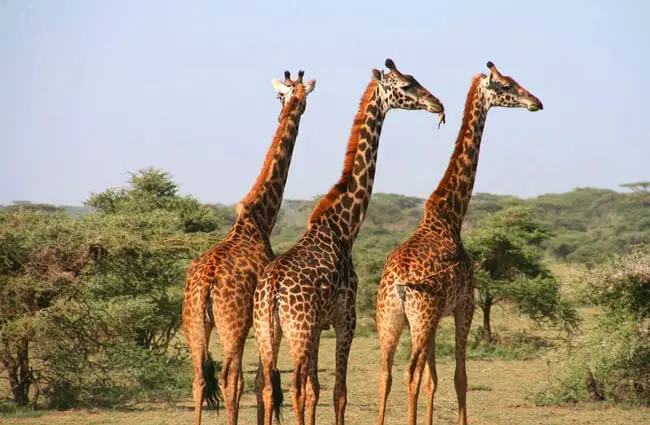
Towering above the African savanna, the giraffe stands as an emblem of grace and natural wonder. With its impossibly long neck, distinctive coat patterns, and gentle demeanor, this magnificent creature captures the imagination of all who encounter it. More than just a pretty face, the giraffe is a marvel of biological engineering and a cornerstone of its ecosystem, holding secrets that continue to fascinate zoologists and nature enthusiasts alike.
Join us on a journey to explore the world of the giraffe, from its ancient origins to its vital role in modern conservation, uncovering the intricate details that make it one of Earth’s most beloved giants.
The Gentle Giants: An Introduction to Giraffes
Giraffes are the tallest mammals on Earth, a fact immediately apparent from their impressive stature. An adult male can reach heights of up to 18 feet (5.5 meters), with females slightly shorter. This incredible height is largely due to their elongated necks and legs. Despite the neck’s length, it contains the same number of cervical vertebrae as most other mammals, including humans: seven, though each is greatly extended.
Their coat patterns are unique to each individual, much like human fingerprints, consisting of irregular patches of brown or reddish-brown separated by creamy white or yellowish lines. These patterns provide excellent camouflage amidst the dappled light and shadows of their savanna homes.
Physical Marvels and Adaptations
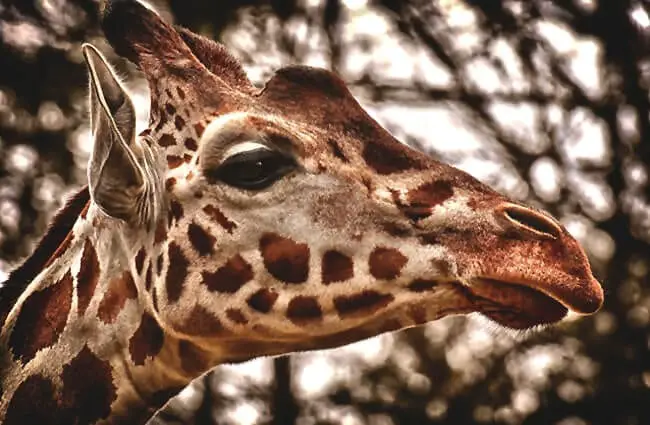
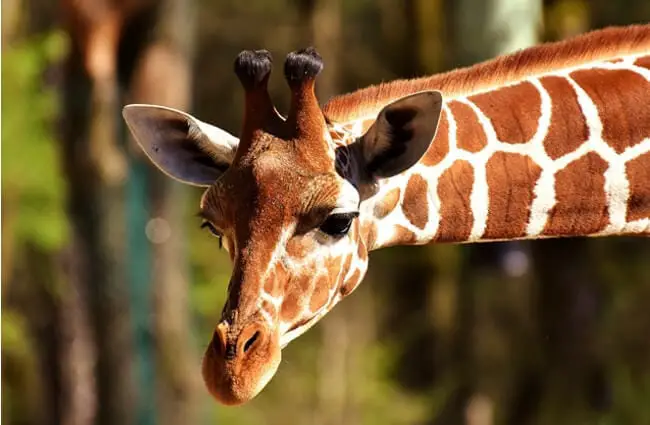
- Ossicones: Both male and female giraffes possess horn-like structures called ossicones, which are formed from ossified cartilage and covered in skin and fur. Males often have thicker, more prominent ossicones, sometimes with a bald tip from sparring.
- Tongue: Their prehensile tongues, which can extend up to 18 inches (45 cm), are dark purplish-black, believed to protect them from sunburn while browsing. These tongues are incredibly dexterous, allowing giraffes to strip leaves from thorny branches with ease.
- Eyesight: Giraffes possess excellent eyesight, aided by their height, giving them a panoramic view of their surroundings and helping them spot predators from a distance.
Where the Wild Things Are: Giraffe Habitat and Distribution
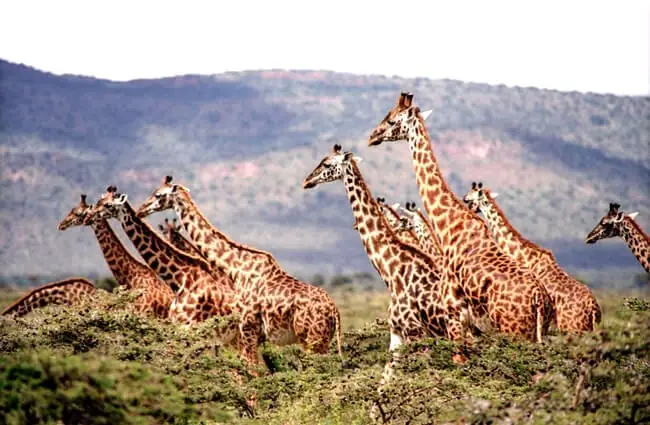
Giraffes are exclusively found in Africa, primarily inhabiting savannas, grasslands, and open woodlands. Their preferred environments are characterized by scattered trees and shrubs, particularly acacia species, which form a significant part of their diet. They thrive in areas with a good supply of browse and access to water, though they can go for extended periods without drinking, obtaining much of their moisture from the leaves they consume.
Geographic Range
Historically, giraffes roamed across much of sub-Saharan Africa. Today, their distribution is more fragmented, with populations concentrated in East Africa (Kenya, Tanzania), Southern Africa (South Africa, Botswana, Namibia, Zimbabwe), and some parts of West and Central Africa. Different subspecies are found in specific regions, each adapted to its local environment.
Finding Giraffes in the Wild
For the animal lover hoping to witness these majestic creatures in their natural habitat, East and Southern Africa offer the best opportunities. National parks and wildlife reserves such as the Serengeti in Tanzania, Maasai Mara in Kenya, Etosha National Park in Namibia, and Kruger National Park in South Africa are renowned for their healthy giraffe populations. Guided safaris are highly recommended, as experienced guides know the best times and locations to spot giraffes, often observing them browsing peacefully or moving in their distinctive, graceful gait across the plains.
A Leafy Feast: The Giraffe’s Diet and Feeding Habits
Giraffes are herbivores and primarily browsers, meaning they feed on leaves, flowers, and fruits from trees and shrubs rather than grazing on grass. Their diet is highly specialized, allowing them to exploit a food source largely inaccessible to other herbivores.
Dietary Preferences
- Acacia: Acacia trees are a staple of the giraffe diet. Despite the formidable thorns, giraffes use their long, prehensile tongues and tough, leathery lips to strip leaves and shoots without injury.
- Other Browse: They also feed on a variety of other tree and shrub species, including Commiphora and Terminalia. Their diet can vary seasonally and regionally depending on plant availability.
- Water Intake: While they can go without drinking for weeks or even months, obtaining moisture from their food, giraffes will drink when water is available. This requires a vulnerable splayed-leg posture, making them susceptible to predators.
An adult giraffe can consume up to 75 pounds (34 kg) of browse per day, spending a significant portion of their day feeding to meet their nutritional needs.
The Dance of Life: Mating and Reproduction
Giraffe reproduction is a fascinating process, culminating in the birth of a remarkably tall calf. Giraffes do not have a specific breeding season, and births can occur year-round, though there may be peaks during wet seasons when food is more abundant.
Courtship and Mating
Males assess the reproductive status of females through a behavior called ‘flehmen,’ where they taste the female’s urine to detect pheromones. If a female is receptive, courtship involves the male following her closely, often rubbing his head or neck against her. Mating itself is brief.
Gestation and Birth
Gestation lasts approximately 15 months (453-464 days). Females typically give birth standing up, meaning the calf experiences a dramatic drop of about 6 feet (1.8 meters) to the ground. This harsh entry into the world helps to break the amniotic sac and stimulate the calf to breathe.
Calf Rearing
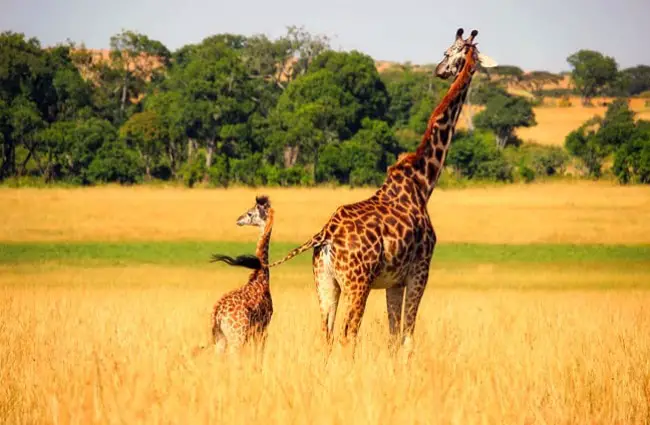
- Newborns: A newborn giraffe calf stands about 6 feet (1.8 meters) tall and weighs around 100-150 pounds (45-68 kg). Within an hour of birth, the calf is usually able to stand and walk, a crucial adaptation for survival in a predator-filled environment.
- Nursery Herds: Females often form ‘nursery herds’ where several mothers will leave their calves together in a crèche while they forage. One female acts as a ‘babysitter,’ providing a degree of protection.
- Independence: Calves are weaned around 6-9 months but may stay with their mothers for up to 18 months. Sexual maturity is reached around 3-4 years for females and 4-5 years for males, though males typically do not breed until they are older and can compete for mates.
An Ancient Lineage: Giraffe Evolution History
The evolutionary journey of the giraffe is a captivating tale, primarily centered around the development of its iconic long neck. While the exact pressures driving this elongation are still debated, the prevailing theory points to a combination of factors.
Ancestral Giraffids
Giraffes evolved from deer-like ancestors that lived in Asia and Europe approximately 25-30 million years ago. Early giraffids, such as Palaeotragus, were much smaller and had shorter necks, resembling modern-day okapi. The lineage migrated into Africa about 8 million years ago.
The Long Neck Debate
The most widely accepted hypothesis for the long neck, first proposed by Charles Darwin, suggests that it evolved through natural selection. Individuals with slightly longer necks had an advantage in reaching higher browse, especially during dry seasons when lower vegetation was scarce. This allowed them to access a unique food niche, outcompeting other herbivores and leading to greater survival and reproductive success. Over millions of years, this incremental advantage resulted in the extraordinary neck seen today.
Another theory, the “sexual selection hypothesis,” suggests that long necks are primarily used by males in ‘necking’ contests to establish dominance and gain access to females. Stronger, longer-necked males would win these contests, passing on their genes for longer necks. It is likely that both food acquisition and sexual selection played roles in shaping this remarkable adaptation.
Ecosystem Engineers: Giraffe’s Role and Interactions
Giraffes are not merely passive inhabitants of the savanna; they are active participants in shaping their environment and interacting with a diverse array of other species.
Contribution to the Ecosystem
- Seed Dispersal: By consuming fruits and then defecating the seeds elsewhere, giraffes contribute to seed dispersal, helping to propagate various tree and shrub species across the landscape.
- Browsing Impact: Their selective browsing patterns can influence the structure and composition of woody vegetation, creating open areas or shaping the growth of certain trees.
Interaction with Other Animals
- Predator-Prey Dynamics: Adult giraffes are formidable animals, capable of delivering powerful kicks that can deter most predators. However, calves are vulnerable to lions, hyenas, and wild dogs. The height of an adult giraffe also serves as an early warning system for other savanna animals, as they can spot distant predators.
- Symbiotic Relationships: Oxpecker birds are often seen on giraffes, feeding on ticks and other parasites on their skin, a mutually beneficial relationship.
Giraffes and Humanity: Culture, Conservation, and Coexistence
Giraffes have long captivated human imagination, appearing in art, folklore, and popular culture across the globe. However, their interaction with humans is complex, encompassing both admiration and significant challenges.
Contribution to Human Culture
- Symbols of Africa: Giraffes are iconic symbols of the African wilderness, frequently featured in tourism, art, and media.
- Ancient Art: Rock art depicting giraffes has been found in various parts of Africa, dating back thousands of years, indicating their long-standing presence in human consciousness.
- Folklore: In some African cultures, giraffes are seen as symbols of beauty, grace, and foresight due to their height.
Interaction with Humans and Conservation
Unfortunately, giraffe populations have declined significantly over the past few decades, leading to their classification as ‘Vulnerable’ by the IUCN. Some subspecies are even critically endangered.
- Habitat Loss and Fragmentation: The primary threat to giraffes is the loss and fragmentation of their habitat due to human population growth, agriculture, and infrastructure development.
- Poaching: Giraffes are also hunted for their meat, skin, and tails, particularly in areas where law enforcement is weak.
- Human-Wildlife Conflict: As human settlements expand, giraffes sometimes come into conflict with farmers, leading to retaliatory killings.
- Conservation Efforts: Numerous organizations are working to protect giraffes through anti-poaching initiatives, habitat preservation, community engagement, and research. Ecotourism plays a vital role in funding these efforts and raising awareness.
Encountering a Giraffe in the Wild (for Hikers)
While giraffes are generally peaceful, it is crucial to maintain a respectful distance if you encounter one in the wild. They are wild animals and can be unpredictable if they feel threatened. Always:
- Keep Your Distance: Never approach a giraffe. Use binoculars for close observation.
- Avoid Sudden Movements: Move slowly and calmly to avoid startling them.
- Do Not Feed: Feeding wild animals can alter their natural behavior and make them dependent on humans.
- Respect Their Space: If a giraffe appears agitated (e.g., stomping, snorting, or staring intently), slowly back away.
Caring for Giants: Giraffe Zookeeping
Caring for giraffes in captivity presents unique challenges and responsibilities for zookeepers, requiring specialized knowledge and facilities to ensure their well-being.
Key Zookeeping Tasks and Considerations
- Enclosure Design: Giraffe enclosures must be exceptionally tall, spacious, and robust. They require high ceilings in indoor barns and tall fences outdoors. Substrate should be appropriate for their delicate legs and hooves.
- Diet Management: A captive giraffe diet closely mimics their natural browse. This typically includes a variety of fresh browse (e.g., acacia, willow, mulberry), high-quality alfalfa hay, and specialized giraffe pellets formulated to provide essential vitamins and minerals. Dietary enrichment, such as hanging browse at various heights, encourages natural feeding behaviors.
- Social Grouping: Giraffes are social animals, and keeping them in appropriate social groups (often small herds or bachelor groups) is crucial for their psychological health.
- Veterinary Care: Regular veterinary check-ups are essential. Due to their size, specialized equipment and techniques are often needed for examinations, hoof care, and medical procedures. Monitoring for common issues like hoof problems, gastrointestinal issues, and stress-related behaviors is vital.
- Environmental Enrichment: Providing enrichment is key to preventing boredom and promoting natural behaviors. This includes puzzle feeders, varied browse, different substrates, and opportunities for social interaction.
- Temperature Control: In colder climates, heated indoor facilities are necessary to protect giraffes from extreme temperatures.
- Avoidances: Zookeepers must avoid sudden loud noises or movements that could startle giraffes. Overcrowding enclosures and providing an inadequate diet are also critical errors to prevent. Direct human contact should be minimized unless medically necessary, to maintain a respectful distance and reduce stress.
A Tower of Fascinating Facts
The giraffe is full of surprises. Here is a list of intriguing facts that highlight their unique biology and behavior:
- Heart Power: A giraffe’s heart is incredibly powerful, weighing up to 25 pounds (11 kg) and measuring about 2 feet (60 cm) long. It must pump blood with immense pressure to reach the brain, which is located several feet above it.
- Blood Pressure: They have extremely high blood pressure, about twice that of an average human, to ensure blood flow to the brain. Specialized valves and a complex blood vessel network in their neck prevent blood from rushing to their head when they bend down to drink.
- Sleep Patterns: Giraffes require very little sleep, typically only 10 minutes to 2 hours per day, often in short bursts. They can sleep standing up, but occasionally lie down, curling their neck back to rest their head on their rump.
- Necking: Male giraffes engage in a behavior called ‘necking,’ where they swing their necks at each other to establish dominance. These contests can be quite vigorous but rarely result in serious injury.
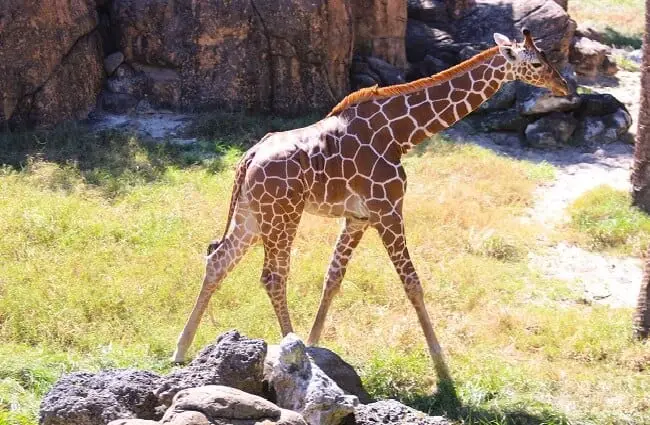
- Unique Gait: Giraffes have an unusual gait called a ‘pacing’ gait, where both legs on one side of the body move forward simultaneously, followed by both legs on the other side. This gives them a distinctive, swaying walk.
- Nocturnal Activity: While primarily diurnal, giraffes can be active at night, especially during full moons, for feeding or moving between areas.
- Vocalizations: Giraffes are generally quiet, but they do communicate through snorts, hisses, moans, and even infrasonic sounds that are too low for humans to hear.
- Lifespan: In the wild, giraffes typically live for 20-25 years, while in captivity, they can live longer, sometimes into their late 20s or early 30s.
Conclusion: Guardians of the Tall Grass
From their majestic presence on the African plains to their intricate biological adaptations and complex social structures, giraffes are truly extraordinary creatures. They stand as a testament to the power of evolution and the delicate balance of ecosystems. Understanding their needs, appreciating their unique contributions, and actively participating in their conservation are crucial steps in ensuring that these gentle giants continue to grace our world for generations to come. Their future, like that of so many species, ultimately rests in our hands.
![Closeup of a beautiful Red Angus cowPhoto by: U.S. Department of Agriculture [pubic domain]https://creativecommons.org/licenses/by/2.0/](https://animals.net/wp-content/uploads/2020/03/Red-Angus-4-238x178.jpg "Red Angus")
![Closeup of a beautiful Red Angus cowPhoto by: U.S. Department of Agriculture [pubic domain]https://creativecommons.org/licenses/by/2.0/](https://animals.net/wp-content/uploads/2020/03/Red-Angus-4-100x75.jpg "Red Angus")