Often seen strutting through city squares or soaring above urban landscapes, the pigeon is a bird many recognize but few truly understand. Far from being merely a common city dweller, these remarkable birds possess a rich history, incredible intelligence, and play a fascinating role in both natural ecosystems and human culture. Prepare to look at the humble pigeon with new eyes, discovering the depths of its world from its ancient origins to its surprising contributions.
The Ubiquitous Avian: Who Are Pigeons, Really?
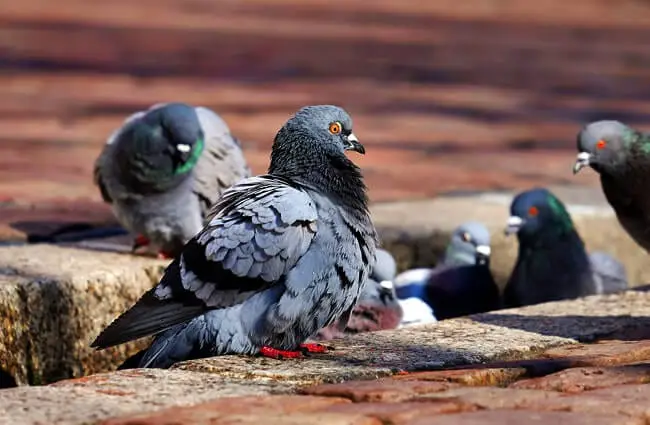
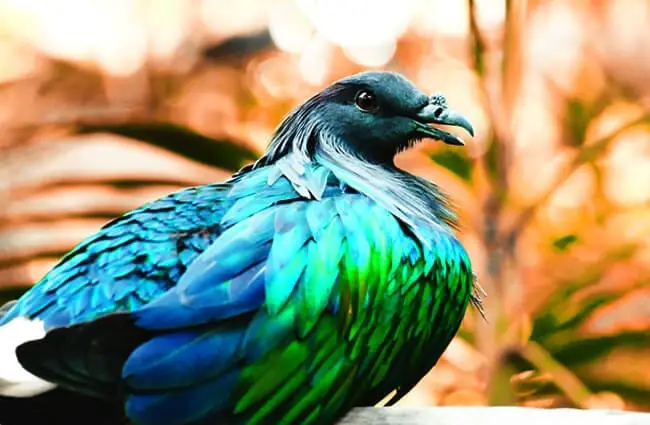
When we speak of “pigeons,” we are most often referring to the Rock Dove, Columba livia. This species is the ancestor of all domestic pigeons and the familiar feral pigeons found in cities worldwide. But the pigeon family, Columbidae, is vast and diverse, encompassing over 300 species of pigeons and doves, ranging from the tiny Common Ground Dove to the magnificent Victoria Crowned Pigeon. While they vary greatly in size and plumage, they share common characteristics like a plump body, short neck, and a small head with a slender bill.
These birds are found on every continent except Antarctica, thriving in an astonishing array of environments. Their adaptability is a testament to their evolutionary success, allowing them to colonize diverse habitats from coastal cliffs to dense forests and, famously, bustling urban centers.
A Journey Through Time: Pigeon Evolution and History
The story of the pigeon is deeply intertwined with human history. The common Rock Dove, the wild ancestor of today’s city pigeons, originally inhabited coastal cliffs and mountainous regions across Europe, North Africa, and Asia. These natural cliff-dwelling tendencies provided the perfect pre-adaptation for life on human structures, such as buildings and bridges, which mimic their ancestral homes.
Evidence suggests that pigeons were among the first birds to be domesticated, with their relationship with humans dating back at least 5,000 to 10,000 years. Ancient Mesopotamian texts and Egyptian hieroglyphs depict pigeons, highlighting their early significance. This long history of domestication has led to an incredible variety of breeds, each selectively bred for specific traits like homing ability, ornamental plumage, or meat production. The genetic legacy of these domesticated birds is clearly visible in the diverse appearances of feral pigeons today, a living mosaic of their rich past.
Where the Wild Things Are: Pigeon Habitats
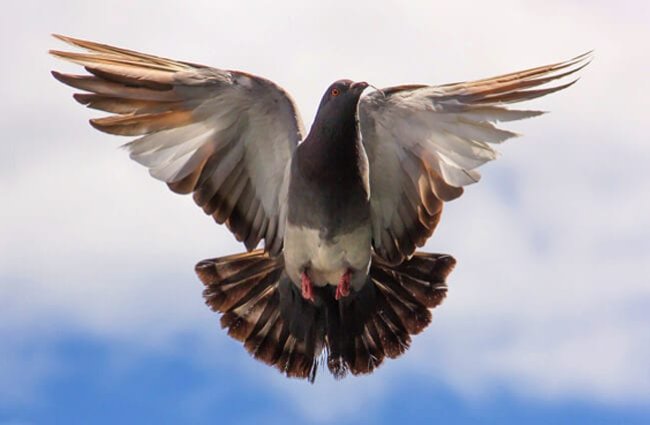
Understanding a pigeon’s habitat is key to appreciating its ecological niche and finding it in the wild. The wild Rock Dove prefers rocky coastlines, cliffs, and mountainous terrain, where crevices and ledges offer safe roosting and nesting sites away from predators. These natural environments provide ample foraging opportunities and access to water.
However, the most familiar pigeon habitat is the urban jungle. Feral pigeons have masterfully adapted to cities, towns, and agricultural areas. Here, buildings serve as artificial cliffs, offering countless ledges, eaves, and hidden nooks for nesting. Parks, gardens, and city squares provide foraging grounds, while human activity often supplies a consistent food source. For an animal lover hoping to spot a pigeon in its more natural state, looking towards coastal cliffs or remote rocky outcrops in their native range would be the best bet. Otherwise, a local park or city center guarantees an encounter with their urbanized descendants.
Finding Pigeons in the Wild:
- Urban Areas: Look in city parks, plazas, building ledges, bridges, and underpasses. They are most active during the day, foraging on the ground.
- Rural Areas: Check near farms, barns, silos, and grain storage facilities.
- Natural Habitats (for wild Rock Doves): Seek out sea cliffs, rocky gorges, and mountainous regions in Europe, North Africa, and parts of Asia. These populations are often more wary of humans.
The Pigeon’s Pantry: What They Eat
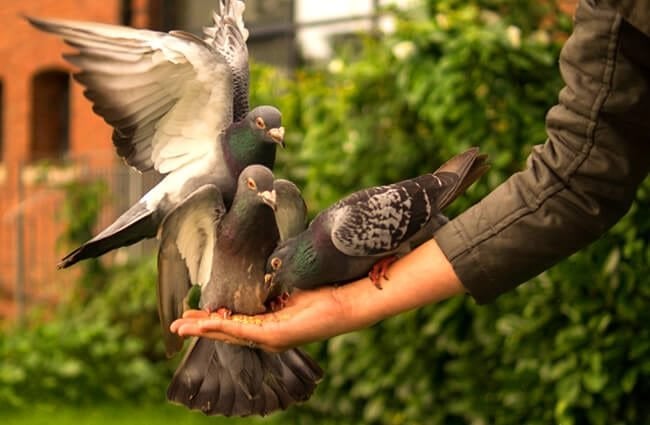
Pigeons are primarily granivores, meaning their diet consists mainly of seeds and grains. In their natural habitats, they forage for a variety of wild seeds, berries, and occasionally small invertebrates. Their strong gizzards are well-suited for grinding tough plant material.
In urban environments, their diet becomes far more opportunistic. While they still consume seeds from plants in parks and gardens, they readily supplement their meals with discarded human food scraps, bread, popcorn, and other offerings. This adaptability in diet is a major factor in their success in human-dominated landscapes.
Dietary Needs for Captive Pigeons (Zookeeper’s Guide):
For a zookeeper caring for pigeons, providing a balanced and appropriate diet is crucial for their health and longevity.
- Primary Diet: A high-quality commercial pigeon mix, consisting of various grains like corn, wheat, peas, milo, and barley. This ensures a broad spectrum of nutrients.
- Supplements:
- Grit: Essential for digestion, as pigeons lack teeth. Provide a soluble grit (like oyster shell) for calcium and an insoluble grit (like flint) for grinding food.
- Minerals and Vitamins: A good quality mineral supplement, especially one rich in calcium, is important, particularly for breeding birds. Vitamin supplements can be added to water or food as needed.
- Fresh Greens: Offer small amounts of chopped dark leafy greens (e.g., kale, spinach, romaine lettuce) as a treat and source of vitamins.
- Water: Always provide fresh, clean water in a shallow dish or drinker that is cleaned daily to prevent bacterial growth.
- What to Avoid:
- Excessive amounts of bread or processed human foods, which lack essential nutrients and can lead to obesity and health problems.
- Avocado, chocolate, caffeine, and alcohol are toxic to birds.
- Moldy or spoiled food.
Love in the Air: Mating and Reproduction Process
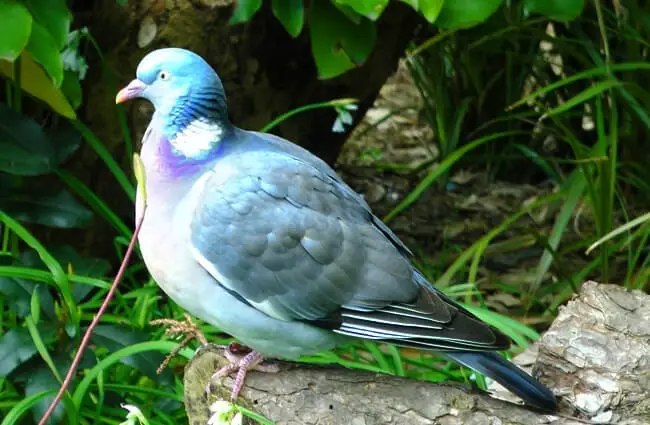
Pigeons are generally monogamous, forming strong pair bonds that can last for life. Their courtship involves elaborate displays, including bowing, cooing, and strutting by the male, often accompanied by aerial displays.
Once a pair has bonded, they select a nesting site. In the wild, this would be a sheltered ledge or crevice; in urban areas, it could be a window ledge, bridge girder, or attic space. The nest itself is a rather flimsy affair, typically a shallow platform of twigs, grass, and other debris gathered by both parents.
The female usually lays two white eggs, though sometimes one or three. Both parents share incubation duties, with the female typically incubating at night and the male during the day. Incubation lasts approximately 18 days. Upon hatching, the chicks, known as squabs, are altricial, meaning they are born helpless, blind, and covered in sparse down.
A unique aspect of pigeon reproduction is the production of “crop milk.” Both male and female pigeons produce this nutrient-rich, cheese-like substance in their crop (a pouch in the esophagus) to feed their squabs. This allows them to breed year-round, as they are not dependent on specific food sources to feed their young. Squabs are fed crop milk for the first week or so, after which regurgitated seeds are gradually introduced. They fledge, or leave the nest, after about 25 to 32 days, but often remain dependent on their parents for a short period thereafter.
Pigeons in the Web of Life: Ecosystem Role and Interactions
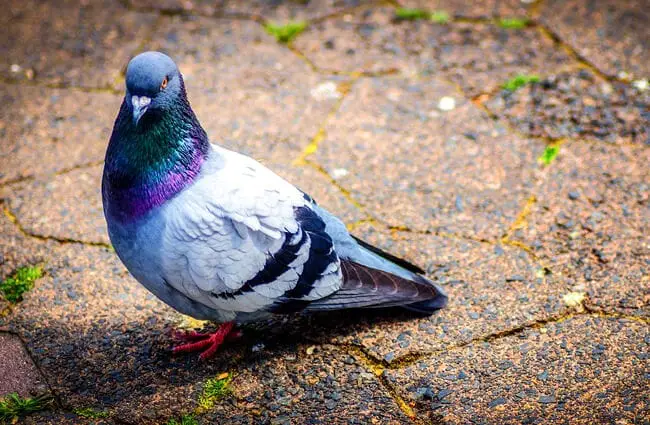
Despite their commonness, pigeons play several roles within their ecosystems, both natural and urban.
- Seed Dispersal: By consuming seeds and then dispersing them through their droppings, pigeons contribute to plant propagation, especially in disturbed or urbanized areas.
- Prey Species: Pigeons are a significant food source for various predators, particularly raptors like peregrine falcons, hawks, and owls. In urban areas, the presence of pigeons can even attract these magnificent birds of prey, creating a fascinating dynamic.
- Scavengers: In cities, pigeons act as effective scavengers, helping to clean up discarded food waste. While this can sometimes be seen as a nuisance, it does contribute to waste management.
- Interaction with Other Animals: They often forage alongside other ground-feeding birds like sparrows and starlings. Their presence can sometimes attract predators, indirectly affecting other species.
Pigeons and Us: A Shared History and Modern Coexistence
The relationship between humans and pigeons is one of the longest and most complex in the animal kingdom.
Messengers of Old: Homing Pigeons and War Heroes
Perhaps the most celebrated aspect of pigeon history is their incredible homing ability. Bred for centuries, homing pigeons were vital for communication before modern technology. They carried messages for ancient empires, stock market updates, and, most famously, critical intelligence during both World Wars. Many pigeons were awarded medals for their bravery and service, saving countless human lives by delivering messages through enemy lines. This remarkable navigational skill, still not fully understood, involves a combination of magnetic fields, sun compasses, olfactory cues, and visual landmarks.
Cultural Icons and Urban Coexistence
Pigeons have appeared in art, literature, and folklore across cultures, symbolizing peace, love, and even the Holy Spirit. In modern times, they are often seen as a symbol of urban life. However, their prolific numbers in cities can lead to conflicts, with concerns about droppings, disease transmission (though the risk to humans is generally low), and damage to buildings. Despite these challenges, many people enjoy feeding and observing pigeons, finding joy in their presence.
What to Do When You Meet a Pigeon (Hiker’s Guide):
If you encounter a pigeon in the wild, whether in a city park or a more natural setting, the best approach is respectful observation.
- Observe from a Distance: Enjoy watching their behavior without disturbing them.
- Do Not Chase or Harass: This causes unnecessary stress to the bird.
- Avoid Feeding Wild Pigeons Excessively: While an occasional small handful of birdseed in a park is generally harmless, regular feeding of large quantities of inappropriate foods (like bread) can lead to nutritional deficiencies, dependency, and unnatural population booms.
- Injured Birds: If you find an injured pigeon, contact a local animal rescue organization or wildlife rehabilitator. Do not attempt to care for it yourself unless you are trained.
Caring for Our Feathered Friends: A Zookeeper’s Guide
For zookeepers, providing optimal care for pigeons in captivity involves creating an environment that mimics their natural needs and ensures their well-being.
Enclosure Requirements:
- Space: Pigeons need ample space to fly and move around. A large aviary or loft is ideal, allowing for exercise and natural behaviors.
- Roosting and Nesting Sites: Provide shelves, ledges, and nesting boxes (e.g., open-fronted boxes or baskets) to mimic their preferred nesting and roosting spots.
- Substrate: Easy-to-clean flooring like concrete or wire mesh is practical. Ensure good drainage.
- Ventilation: Good airflow is essential to prevent respiratory issues, but avoid direct drafts.
- Protection: The enclosure must protect from predators, extreme weather, and direct sunlight.
Daily Tasks and Care:
- Feeding: Provide fresh, appropriate food daily (as detailed in the “Pigeon’s Pantry” section).
- Water: Ensure constant access to fresh, clean water, cleaned daily.
- Cleaning: Daily spot cleaning of droppings and weekly deep cleaning of the enclosure are vital for hygiene and disease prevention.
- Health Checks: Regularly observe birds for signs of illness, such as lethargy, ruffled feathers, changes in droppings, or discharge. Isolate sick birds immediately.
- Socialization: Pigeons are social birds. Keep them in pairs or flocks to promote natural behaviors and reduce stress.
- Enrichment: Offer branches for perching, dust baths, and occasional new objects to explore.
What to Avoid in Captive Care:
- Overcrowding: Leads to stress, aggression, and increased disease transmission.
- Poor Hygiene: A dirty environment is a breeding ground for bacteria and parasites.
- Inadequate Diet: Malnutrition is a common cause of health problems.
- Lack of Social Interaction: Pigeons can become stressed or depressed if kept in isolation.
- Sudden Changes: Avoid abrupt changes in diet, environment, or routine, as these can cause stress.
Beyond the Basics: Fascinating Pigeon Facts
The more you learn about pigeons, the more remarkable they become. Here are some intriguing facts:
- Exceptional Navigation: Pigeons can find their way home over hundreds of miles, even when released in unfamiliar territory. Their navigational toolkit includes sensing the Earth’s magnetic field, using the sun as a compass, detecting polarized light, and possibly even using infrasound maps.
- Intelligence: Pigeons are surprisingly intelligent. They can recognize themselves in a mirror, distinguish between different human faces, and even learn abstract concepts. They have been trained to perform complex tasks, including identifying cancerous cells in medical images.
- Speed and Endurance: Homing pigeons can fly at average speeds of 50 mph (80 km/h) and reach bursts of up to 90 mph (145 km/h). They can maintain flight for extended periods, covering vast distances.
- Color Vision: Pigeons have excellent color vision, even better than humans, allowing them to see a broader spectrum of light, including ultraviolet. This aids in foraging and navigation.
- Unique Drinking Method: Unlike most birds that scoop water and tilt their heads back, pigeons suck water directly using their bills like a straw.
- Long Lifespan: While urban pigeons might only live 3-5 years due to environmental challenges, well-cared-for captive pigeons can live for 15-20 years.
- “Nodding” While Walking: The head-bobbing motion pigeons make while walking helps stabilize their vision, allowing them to perceive their surroundings more clearly as they move.
From their ancient lineage as cliff dwellers to their modern role as urban survivors and historical messengers, pigeons are truly extraordinary birds. They challenge our perceptions and invite us to look closer at the natural world, even in the most unexpected places. The next time you see a pigeon, remember the depth of its story and the wonders it holds.
![Closeup of a beautiful Red Angus cowPhoto by: U.S. Department of Agriculture [pubic domain]https://creativecommons.org/licenses/by/2.0/](https://animals.net/wp-content/uploads/2020/03/Red-Angus-4-238x178.jpg "Red Angus")
![Closeup of a beautiful Red Angus cowPhoto by: U.S. Department of Agriculture [pubic domain]https://creativecommons.org/licenses/by/2.0/](https://animals.net/wp-content/uploads/2020/03/Red-Angus-4-100x75.jpg "Red Angus")