Unmasking the Piranha: Beyond the Jaws of Legend
Few creatures of the aquatic world ignite the imagination quite like the piranha. Mention its name, and images of razor-sharp teeth, blood-crazed feeding frenzies, and stripped carcasses often spring to mind. Yet, beneath this sensationalized surface lies a fascinating and complex fish, an integral part of South America’s vibrant freshwater ecosystems. This article delves deep into the true nature of the piranha, separating fact from fiction and revealing its remarkable biology, ecological significance, and interactions with the world around it.
Prepare to discover the piranha not just as a fearsome predator, but as a nuanced survivor, a diligent parent, and a vital component of its watery home.
Piranha Basics: A Glimpse into Their World
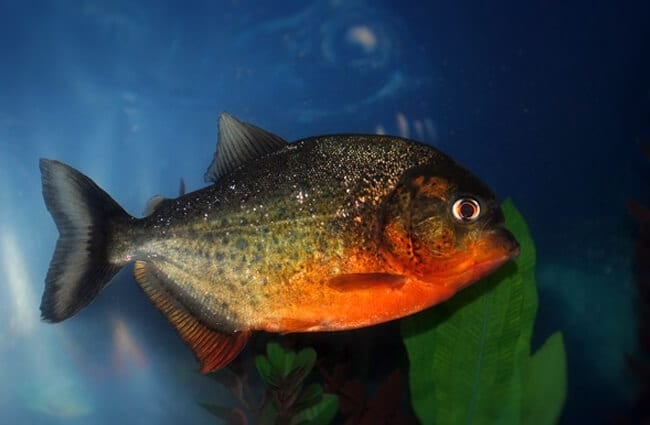
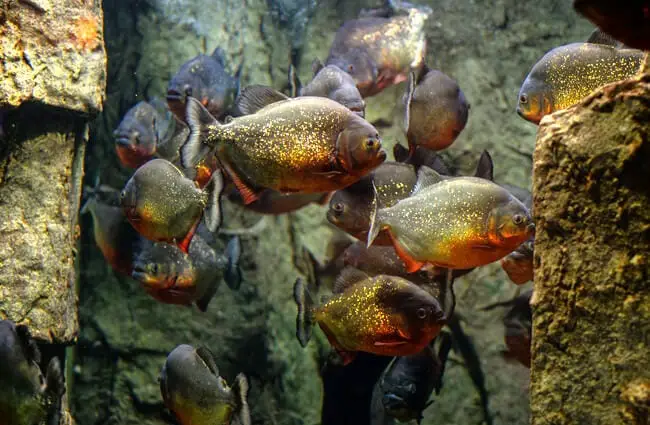
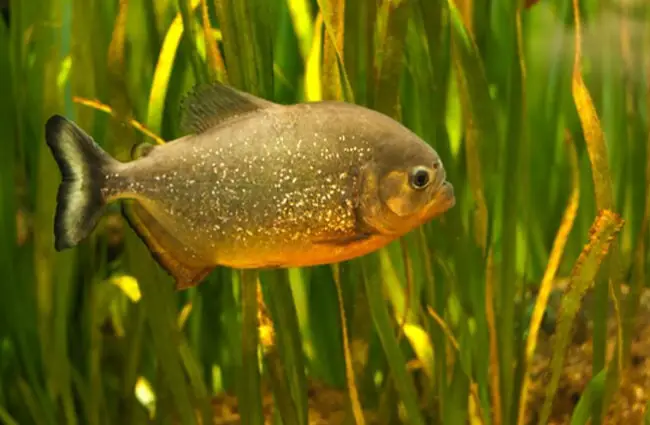
Piranhas are a group of freshwater fish belonging to the family Serrasalmidae, which also includes pacu and silver dollars. They are native to the rivers, lakes, and floodplains of South America. While often depicted as a single, monolithic threat, there are actually numerous species of piranha, each with its own unique characteristics and ecological role. The most famous, and often the subject of exaggerated tales, is the Red-bellied Piranha (Pygocentrus nattereri).
These fish typically range in size from 6 to 10 inches, though some species can grow larger, occasionally exceeding 15 inches. Their bodies are generally deep and laterally compressed, with a distinctive, often silvery or reddish coloration that provides camouflage in their murky habitats. The most striking feature, of course, is their formidable dentition: a single row of triangular, razor-sharp teeth in both jaws, perfectly designed for shearing flesh.
Where the Wild Piranhas Roam: Habitat and Distribution
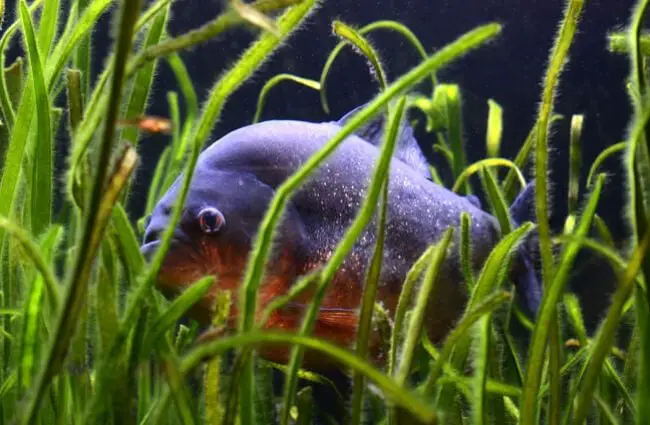
Piranhas are exclusively found in the freshwater systems of South America. Their vast geographical range spans from the Amazon basin, encompassing countries like Brazil, Peru, and Ecuador, to the Orinoco River system in Venezuela and Colombia, and even south into the Paraná River in Argentina. They thrive in a variety of aquatic environments, including:
- Large Rivers: The main channels of the Amazon and Orinoco.
- Tributaries: Smaller rivers feeding into the main systems.
- Lakes and Lagoons: Often oxbow lakes formed by river meanders.
- Floodplains: Seasonal inundations create temporary habitats rich in food.
- Slow-moving or Stagnant Waters: While they can be found in currents, many species prefer calmer waters, especially during breeding.
The water conditions in these habitats are typically warm, ranging from 75 to 85 degrees Fahrenheit (24-29 degrees Celsius), with a pH that can vary from slightly acidic to neutral, often influenced by decaying vegetation.
The Piranha’s Plate: A Diverse Diet
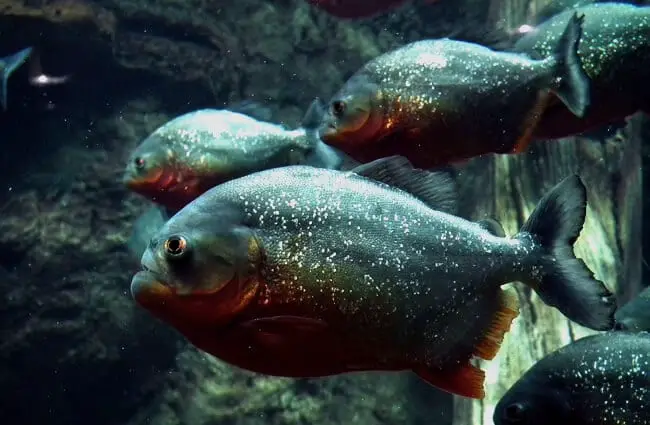
Contrary to popular belief, not all piranhas are obligate carnivores, and even the most “ferocious” species have a more varied diet than often portrayed. Many piranha species are actually omnivores, and some are even primarily herbivorous or detritivorous (feeding on decaying matter).
- Fish: Smaller fish are a primary food source for many predatory piranhas. They often ambush their prey or hunt in schools.
- Insects: Aquatic insects and those that fall into the water are readily consumed.
- Crustaceans: Shrimps and other small crustaceans form part of their diet.
- Plant Matter: Seeds, fruits, and aquatic vegetation are surprisingly important for many species, especially the larger pacu-like piranhas.
- Carrion: Piranhas are highly efficient scavengers, playing a crucial role in cleaning up dead animals in their ecosystem. This is often where the “feeding frenzy” myth originates, as they quickly dispatch a large, already deceased animal.
The infamous “feeding frenzy” is a rare event, typically occurring when a large, injured, or dead animal enters the water, particularly during dry seasons when food is scarce and piranhas are concentrated in smaller pools. Healthy, live animals are rarely attacked unless provoked or severely incapacitated.
Love in the Water: Mating and Reproduction
Piranhas exhibit fascinating reproductive behaviors, often involving parental care. Breeding typically occurs during the rainy season when water levels rise and food is abundant, providing ideal conditions for the survival of their young.
- Nest Building: Males often initiate the process by excavating a shallow depression in the substrate, usually among aquatic vegetation, which serves as a nest.
- Courtship and Spawning: The male then attracts a female to the nest. Spawning involves the female depositing thousands of small, sticky eggs onto the vegetation or substrate within the nest.
- Parental Care: A remarkable aspect of piranha reproduction is the male’s dedication to guarding the eggs. He aggressively defends the nest from predators and keeps the eggs aerated by fanning them with his fins.
- Hatching and Fry: The eggs hatch within a few days, and the tiny fry remain in the nest for a short period, feeding on their yolk sacs before venturing out into the protective cover of dense vegetation.
This parental investment significantly increases the survival rate of the young, highlighting a more nurturing side to these often-maligned fish.
The Piranha’s Place: Ecosystem Contributions
Far from being mere destructive forces, piranhas play a crucial and beneficial role in their ecosystems.
- Population Control: As predators, they help regulate the populations of other fish species, preventing overpopulation and maintaining ecological balance.
- Scavengers: Their efficiency in consuming carrion prevents the spread of disease and recycles nutrients back into the ecosystem, acting as the “clean-up crew” of the rivers.
- Food Source: Piranhas themselves are prey for larger predators, including caimans, large predatory fish, and even some birds, forming an important link in the food chain.
- Seed Dispersal: For the omnivorous species that consume fruits and seeds, they can aid in seed dispersal, contributing to plant propagation along riverbanks.
Their presence indicates a healthy and functioning aquatic environment.
A Journey Through Time: Piranha Evolution
The evolutionary history of piranhas is deeply intertwined with the geological development of South America. Their lineage can be traced back tens of millions of years, with fossil evidence suggesting their ancestors were present during the Miocene epoch. Over vast periods, these fish diversified, adapting to the changing river systems and developing the specialized dentition and feeding strategies observed today.
The Serrasalmidae family, to which piranhas belong, is characterized by its unique dental structure and often deep-bodied forms. The evolution of their sharp, interlocking teeth is a prime example of natural selection at work, allowing them to efficiently process a wide range of food items, from tough scales and fins to plant matter and flesh. This evolutionary success has allowed them to colonize nearly every major river basin in South America.
Piranhas and People: Myths, Encounters, and Culture
The piranha’s fearsome reputation has permeated human culture, largely fueled by sensationalized media and anecdotal tales. From Hollywood blockbusters to local folklore, the image of a bloodthirsty killer persists.
- Cultural Impact: In many indigenous cultures, piranhas are respected for their power and efficiency, sometimes even featuring in myths and legends. Their teeth have historically been used for tools, such as cutting implements or even for ritualistic purposes.
- Fishing: Piranhas are a common catch for local fishermen, both for sport and as a food source. Their flesh is considered quite tasty in many regions.
- Attacks on Humans: While piranha bites do occur, they are exceedingly rare and almost never fatal. Most incidents involve accidental contact in murky water, a piranha defending its nest, or a fish being handled after capture. Splashing, open wounds, or swimming in areas with high concentrations of piranhas during dry seasons can increase the risk, but unprovoked attacks on healthy humans are virtually unheard of.
- Conservation: Most piranha species are not considered endangered, thanks to their wide distribution and adaptability. However, habitat degradation, pollution, and overfishing in localized areas can pose threats to specific populations.
Navigating the Wild and Captive Worlds of Piranhas: Expert Insights
For the Adventurous Animal Lover: Finding Piranhas in the Wild
For those eager to observe piranhas in their natural habitat, responsible and informed travel is key. The Amazon and Orinoco basins are prime locations. Here is what to consider:
- Where to Go:
- Brazil: The Amazon River near Manaus or Pantanal wetlands.
- Peru: Regions around Iquitos or Puerto Maldonado.
- Venezuela: Orinoco River delta.
- When to Go: The dry season (typically June to November in the Amazon) can be a good time, as lower water levels concentrate fish, making them easier to spot. However, this is also when they might be more aggressive due to food scarcity. The wet season offers higher water levels and dispersed populations.
- How to Find Them:
- Engage with local guides who are knowledgeable about the area and its wildlife.
- Look for areas with dense aquatic vegetation or submerged logs, which provide cover.
- Observe from a boat or riverbank. Fishing for them (catch and release) is a common way to see them up close.
- Safety Precautions:
- Always follow local guide advice.
- Avoid swimming in areas where piranhas are known to be concentrated, especially if you have open wounds or are bleeding.
- Minimize splashing, as it can attract attention.
- Do not dangle hands or feet in the water unnecessarily.
For the Hiker: What to Do if You Encounter Piranhas
While hiking in South American riverine environments, encountering piranhas is a possibility, particularly if you are near the water. The most important advice is to exercise caution and common sense.
- Stay Calm: Piranhas are not inherently aggressive towards humans.
- Avoid Entry into Water: If you are unsure about the safety of a particular body of water, especially if it is murky, stagnant, or known to have high piranha populations, simply avoid swimming or wading.
- Manage Wounds: If you have any open cuts or bleeding, refrain from entering the water. The scent of blood, even in small quantities, can attract fish.
- Minimize Disturbance: Avoid excessive splashing or sudden movements at the water’s edge, as this can be perceived as a struggling prey animal.
- Observe from a Distance: If you spot piranhas, enjoy the observation from a safe distance. They are fascinating creatures in their natural habitat.
For the Zookeeper: Caring for Piranhas in Captivity
Keeping piranhas in a captive environment requires specialized knowledge and meticulous care to ensure their well-being and the safety of staff. The Red-bellied Piranha is the most commonly kept species.
- Tank Requirements:
- Size: Piranhas are active and grow large. A minimum of 100-150 gallons for a small school (5-7 individuals) is recommended, with larger tanks (200+ gallons) preferred for adult schools.
- Filtration: Excellent filtration is paramount. Piranhas are messy eaters, so robust mechanical, biological, and chemical filtration systems are essential to maintain water quality.
- Substrate and Decor: A soft sand or fine gravel substrate is suitable. Provide plenty of hiding spots with driftwood, rocks, and sturdy artificial or live plants (if they won’t be eaten).
- Water Parameters:
- Temperature: Maintain a stable temperature between 75-82 degrees Fahrenheit (24-28 degrees Celsius).
- pH: Slightly acidic to neutral, typically 6.0-7.5.
- Hardness: Soft to moderately hard water.
- Monitoring: Regular testing for ammonia, nitrite, nitrate, and pH is crucial.
- Diet in Captivity:
- Offer a varied diet to ensure complete nutrition.
- Primary Foods: High-quality sinking pellets or sticks formulated for carnivorous fish.
- Supplements: Frozen or fresh fish (e.g., tilapia, whitefish, salmon chunks), shrimp, earthworms, and occasional insects. Avoid feeder fish from unknown sources due to disease risk.
- Frequency: Juveniles may be fed daily, while adults can be fed every other day or a few times a week.
- Social Dynamics:
- Piranhas are schooling fish and should be kept in groups of at least 5-7 individuals to reduce stress and aggression.
- Monitor for signs of aggression, especially during feeding. Provide ample space and hiding spots to allow weaker individuals to retreat.
- Handling and Safety:
- Always use thick, puncture-resistant gloves and nets when handling piranhas for tank maintenance or transfers.
- Be aware of their powerful bite and sharp teeth.
- Never put bare hands into a piranha tank.
A Compendium of Piranha Facts: Intriguing Insights
Beyond the common narratives, piranhas hold a wealth of fascinating details:
- Sound Communication: Piranhas are known to produce various sounds, including “barks” and “drumming” noises, especially during aggressive encounters or when caught. These sounds are generated by contracting muscles around their swim bladder.
- Tooth Replacement: Piranhas have a unique dental system where their entire set of teeth on one side of their jaw can be replaced simultaneously, ensuring a continuously sharp cutting edge.
- Coloration: While Red-bellied Piranhas are famous, other species exhibit a range of colors, from silvery-gold to black, and even iridescent hues.
- Longevity: In captivity, with proper care, piranhas can live for 10 to 20 years, a testament to their hardiness.
- Not All Are Carnivores: As mentioned, many species are omnivorous, and some, like the Wimpel Piranha (Catoprion mento), specialize in eating scales from other fish, a behavior known as lepidophagy.
- Sensory Prowess: Piranhas possess an excellent sense of smell, allowing them to detect minute traces of blood or other chemicals in the water, and a lateral line system to detect vibrations.
- Predators of Piranhas: Despite their fearsome reputation, piranhas are preyed upon by larger fish, caimans, river dolphins, and even large birds like herons and storks.
The Piranha’s True Legacy
The piranha, often unfairly cast as a villain, is in reality a marvel of adaptation and an indispensable part of South America’s aquatic tapestry. From its ancient evolutionary roots to its complex social behaviors and vital ecological roles, this fish is far more than just a set of sharp teeth. It is a scavenger, a predator, a parent, and a testament to the intricate balance of nature.
By dispelling the myths and embracing the scientific understanding of the piranha, we gain a deeper appreciation for the true wonders of the natural world and the importance of conserving every one of its inhabitants, even those with a fearsome bite.
![Closeup of a beautiful Red Angus cowPhoto by: U.S. Department of Agriculture [pubic domain]https://creativecommons.org/licenses/by/2.0/](https://animals.net/wp-content/uploads/2020/03/Red-Angus-4-238x178.jpg "Red Angus")

![Closeup of a beautiful Red Angus cowPhoto by: U.S. Department of Agriculture [pubic domain]https://creativecommons.org/licenses/by/2.0/](https://animals.net/wp-content/uploads/2020/03/Red-Angus-4-100x75.jpg "Red Angus")