
The Quokka Smile: A Beacon of Australian Wildlife and Resilience
In the vast tapestry of Australia’s unique fauna, few creatures capture the heart and imagination quite like the quokka. Often dubbed “the happiest animal on Earth” due to its seemingly perpetual smile, this small marsupial has become a global sensation, drawing visitors from across the globe to its island strongholds. Beyond its undeniable charm, the quokka (Setonix brachyurus) is a fascinating subject for study, offering insights into adaptation, ecology, and the delicate balance of nature. From its ancient lineage to its crucial role in its ecosystem, and its complex interactions with humans, the quokka is far more than just a photogenic face; it is a testament to the enduring spirit of Australian wildlife.
Unpacking the Quokka: Basic Biology and Identification
Physical Characteristics: Small Marsupials with Big Smiles
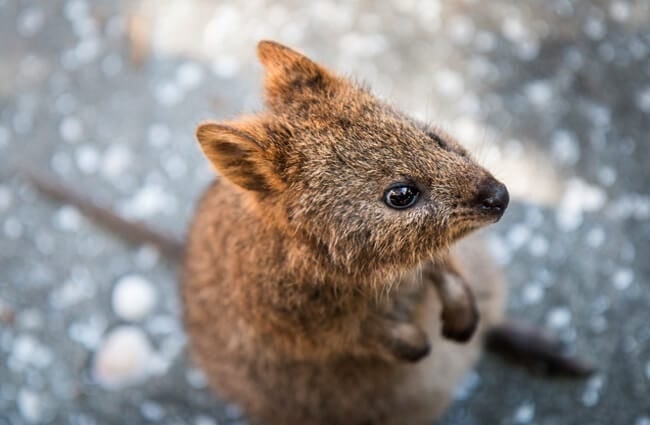
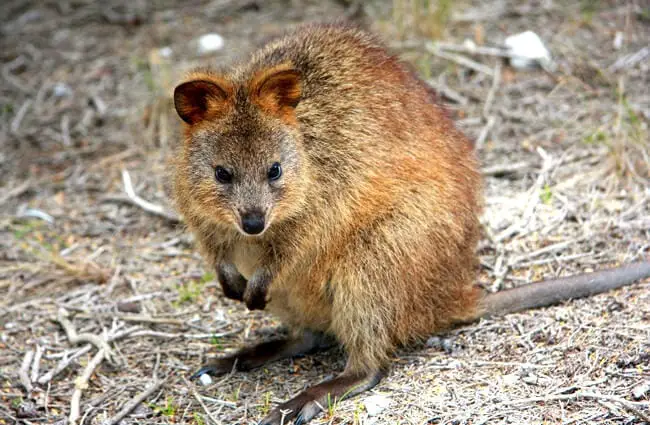
The quokka is a relatively small macropod, a family that includes kangaroos and wallabies. Adults typically weigh between 2.5 to 5 kilograms (5.5 to 11 pounds) and stand about 23 to 28 centimeters (9 to 11 inches) tall, with a body length of 40 to 54 centimeters (16 to 21 inches). Their fur is a coarse, grizzled brown-grey, often appearing lighter on the underside. A distinguishing feature is their short, sparsely haired tail, which is not prehensile and is used primarily for balance. Their small, rounded ears and dark, inquisitive eyes contribute to their endearing appearance, but it is the structure of their mouth, appearing to curve upwards, that gives them their famous “smile.”
Where to Find Them: The Quokka’s Exclusive Addresses
The quokka’s natural range is remarkably restricted. The vast majority of the population resides on Rottnest Island, a protected nature reserve off the coast of Perth, Western Australia. A smaller, but significant, population also thrives on Bald Island, located near Albany on Western Australia’s south coast. On the mainland, quokkas are critically endangered and found only in a few isolated, fragmented populations within dense forest and swampy areas of the South West region of Western Australia, particularly in the Two Peoples Bay Nature Reserve. For animal lovers hoping to observe quokkas in the wild, Rottnest Island offers the most accessible and reliable viewing opportunities. They are primarily nocturnal, so the best times to spot them are during dawn, dusk, or even after dark, when they emerge from their daytime resting spots to forage. During the day, they can often be found resting in the shade of dense vegetation.
A Day in the Life of a Quokka: Habitat, Diet, and Behavior
Habitat Preferences: Lush Undergrowth and Water Sources
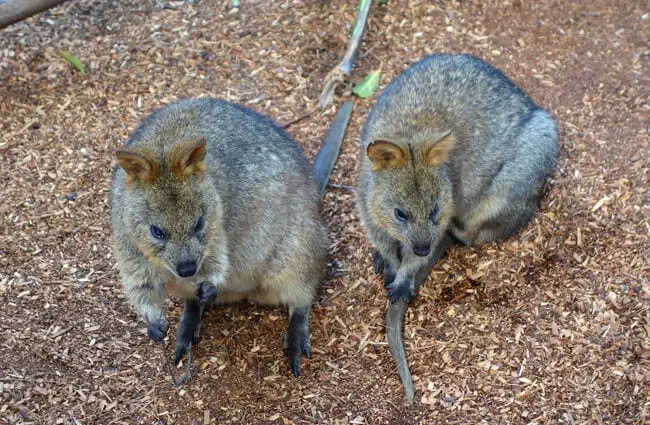
Quokkas are highly adapted to their specific environments. On Rottnest Island, their preferred habitats include dense coastal heathlands, woodlands, and areas adjacent to swamps and freshwater sources. The thick vegetation provides crucial shelter from predators (historically, birds of prey, though fewer natural predators exist on the islands today) and the harsh Australian sun. On the mainland, their survival hinges on access to dense, often swampy, vegetation along watercourses, which offers both cover and a consistent food supply. Their ability to climb small trees and shrubs also allows them to access food sources that are out of reach for other ground-dwelling herbivores. This reliance on specific, dense habitats underscores the importance of preserving these unique ecosystems for their continued survival.
What’s on the Menu? A Herbivore’s Delight
As herbivores, quokkas have a diet consisting primarily of leaves, stems, grasses, and bark from a variety of plants. They are opportunistic feeders, consuming whatever suitable vegetation is available in their habitat. On Rottnest Island, they are known to browse on species like the Rottnest Island daisy and various grasses. Their diet is also supplemented by succulents, which provide essential moisture, especially during dry periods. Quokkas have a remarkable ability to go for extended periods without drinking water, obtaining much of their hydration from the plants they consume. This adaptation is particularly vital in their often arid island environments. Their foraging behavior, typically occurring at night, involves carefully selecting plant matter, demonstrating a keen sense of what is nutritious and hydrating.
The Quokka Family Tree: Evolution and Reproduction
An Ancient Lineage: Tracing the Macropod Roots
The quokka belongs to the family Macropodidae, meaning “large foot,” which includes kangaroos, wallabies, and pademelons. As marsupials, they represent an ancient lineage of mammals characterized by the presence of a pouch (marsupium) where their young complete their development. Their evolutionary history traces back millions of years, adapting to the unique Australian continent. Quokkas are thought to have diverged from other macropods, developing their smaller size and specific adaptations to dense undergrowth and island life. Their genetic makeup provides valuable clues to the broader evolutionary pathways of Australian marsupials, highlighting the incredible diversity that has arisen within this iconic group.
Bringing Up Baby: The Quokka’s Unique Reproductive Cycle
Quokkas typically breed year-round on Rottnest Island, though a peak in births often occurs between January and March. On the mainland, breeding is more seasonal, usually from late summer to early autumn. After a gestation period of approximately one month, the female gives birth to a single, tiny, jellybean-sized joey. This underdeveloped newborn then makes an arduous journey from the birth canal to the mother’s pouch, where it latches onto one of four teats. The joey remains in the pouch for about six months, suckling and growing. Even after emerging, it continues to rely on its mother for milk and protection for several more months. A fascinating aspect of quokka reproduction is embryonic diapause, or delayed implantation. If a female loses her joey shortly after birth, she can immediately activate a dormant embryo, allowing for a rapid replacement birth without another mating cycle. This adaptive strategy significantly enhances their reproductive success in challenging environments.
Quokkas in the Wild: Ecosystem Role and Interactions
Ecological Contributions: More Than Just a Pretty Face
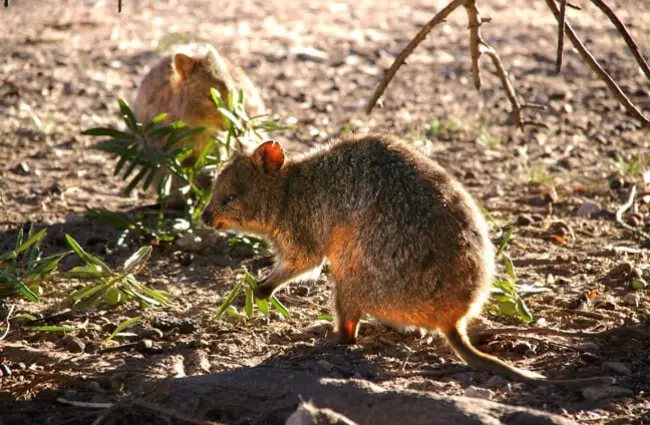
Despite their small stature, quokkas play a vital role in their ecosystems. As herbivores, their browsing habits can influence plant community structure, helping to maintain the health and diversity of the undergrowth. They also contribute to seed dispersal, inadvertently carrying seeds on their fur or through their digestive tracts, aiding in the propagation of various plant species. This makes them important ecosystem engineers, subtly shaping the landscapes they inhabit. Their presence is an indicator of a healthy environment, as they require specific conditions to thrive.
Friends and Foes: Navigating the Natural World
On Rottnest and Bald Islands, quokkas enjoy a relative freedom from natural predators, which has contributed to their thriving populations. Historically, large birds of prey might have posed a threat to joeys. However, on the mainland, the situation is starkly different. Here, quokkas face significant predation pressure from introduced species such as foxes and feral cats, as well as native dingoes. This difference in predation is a key factor in the mainland populations’ critically endangered status. Competition for resources with other herbivores, both native and introduced, can also occur, particularly during periods of drought or habitat degradation. Understanding these interactions is crucial for effective conservation strategies.
Quokkas and Us: Cultural Impact and Coexistence
The “Happiest Animal”: A Cultural Icon
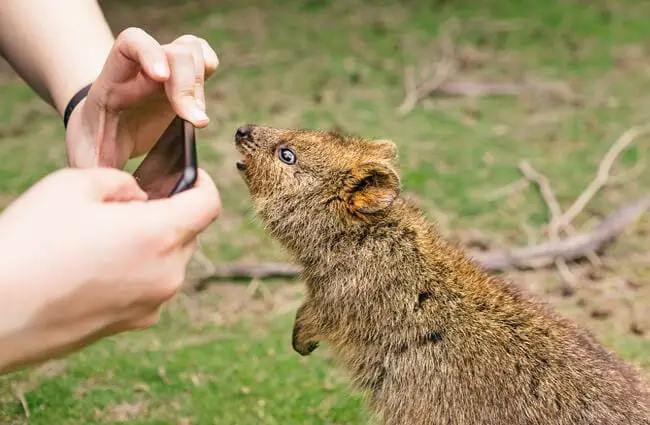
The quokka’s endearing appearance, particularly its “smiling” face, has propelled it to global fame. It has become a cultural icon, synonymous with Australian wildlife and a symbol of joy. The trend of “quokka selfies” has further cemented its place in popular culture, drawing significant tourism to Rottnest Island. This cultural prominence, while beneficial for raising awareness and generating conservation funds, also brings challenges related to human interaction.
Responsible Encounters: Interacting with Quokkas Ethically
For hikers and animal lovers encountering quokkas in the wild, responsible behavior is paramount. It is crucial to remember that quokkas are wild animals, not pets. The most important rule is to never feed them. Human food, even seemingly harmless items like bread or fruit, can cause severe digestive problems, lead to malnutrition, and even be fatal. Feeding also habituates them to humans, making them less wary and more vulnerable to dangers like vehicle strikes or aggressive interactions. Similarly, do not touch or attempt to pick up quokkas. While they may appear friendly, they can bite or scratch if they feel threatened. Maintaining a respectful distance, observing them quietly, and allowing them to approach on their own terms (without enticing them) is the best approach. On Rottnest Island, strict regulations are in place, and fines can be issued for feeding, touching, or disturbing quokkas. These rules are for the safety and well-being of both the animals and the visitors.
Quokka Conservation: Protecting a Vulnerable Species
Threats to Survival: Challenges in a Changing World
Despite their island successes, quokkas face significant threats, particularly on the mainland. Habitat loss and fragmentation due to agricultural expansion, urban development, and bushfires are major concerns. Predation by introduced species like foxes and feral cats has decimated mainland populations. Climate change also poses a long-term threat, potentially altering their preferred habitats and reducing water availability. On the islands, while predation is less of an issue, the increasing human presence and the potential for disease transmission or accidental harm from vehicles remain concerns. The International Union for Conservation of Nature (IUCN) lists the quokka as a vulnerable species, highlighting the urgent need for ongoing conservation efforts.
Conservation Efforts: Safeguarding Their Future
Numerous initiatives are underway to protect quokkas. On Rottnest Island, the Rottnest Island Authority manages the population, focusing on habitat protection, visitor education, and monitoring. On the mainland, efforts concentrate on predator control programs, habitat restoration, and the establishment of fenced reserves to create safe havens. Research into quokka genetics, disease ecology, and population dynamics provides critical information for these programs. Public awareness campaigns play a crucial role in educating visitors and local communities about responsible interaction and the importance of conservation.
Beyond the Smile: Fascinating Quokka Facts
- Water Conservation: Quokkas can survive for long periods without drinking, obtaining most of their water from the plants they eat.
- Pouch Power: A female quokka can give birth to a joey and have another embryo in diapause, ready to develop if the first joey is lost.
- Tail Tales: Their short, sparsely haired tail is primarily used for balance, not for grasping or support like some other marsupials.
- Nocturnal Nomads: Quokkas are primarily nocturnal or crepuscular, meaning they are most active during the night, dawn, and dusk.
- Island Sanctuaries: Rottnest Island was named by Dutch explorer Willem de Vlamingh in 1696, who mistook the quokkas for large rats, hence “Rattennest” (rat’s nest).
- Climbing Capabilities: While primarily ground-dwellers, quokkas are capable climbers and will ascend small trees and shrubs to reach food.
- Social Structures: They often live in small family groups or colonies, particularly around water sources.
- Protected Status: It is illegal to touch, feed, or disturb quokkas, with significant fines for violations, especially on Rottnest Island.
For the Aspiring Zoologist and Zookeeper: Deeper Insights
Behavioral Ecology: Social Structures and Activity Patterns
Aspiring zoologists will find the quokka’s behavioral ecology a rich area of study. Quokkas exhibit a largely nocturnal or crepuscular activity pattern, emerging from dense vegetation at dusk to forage. While often seen individually, they can form loose social groups, particularly around prime feeding areas or water sources. Dominance hierarchies can exist within these groups, influencing access to resources. Their communication involves a range of soft vocalizations and scent marking. Research into their precise social structures, territoriality, and how these behaviors vary between island and mainland populations offers valuable insights into macropod adaptability.
Captive Care Considerations: A Zookeeper’s Guide
Caring for quokkas in a captive environment requires a deep understanding of their natural history and specific needs. A zookeeper’s tasks would encompass several critical areas:
- Enclosure Design:
- Provide ample space with varied terrain, including dense vegetation for hiding and resting, and open areas for foraging.
- Incorporate climbing structures like low branches or rocks.
- Ensure access to fresh water sources, such as shallow dishes or misters, mimicking natural dew.
- Maintain appropriate temperature and humidity, as quokkas are sensitive to extreme heat.
- Secure fencing is essential to prevent escapes and protect from external threats.
- Dietary Management:
- Offer a diverse herbivorous diet, primarily consisting of fresh native browse (e.g., acacia, eucalyptus leaves), high-quality grass hay, and specialized marsupial pellets.
- Supplement with a variety of fresh vegetables and a small amount of fruit, ensuring a balanced nutritional intake.
- Monitor individual consumption to prevent overfeeding or underfeeding.
- Avoid processed human foods, sugary treats, or excessive amounts of fruit, which can lead to dental issues and metabolic problems.
- Social Dynamics:
- Quokkas can be housed in small groups, but careful observation is needed to monitor social interactions and prevent aggression, especially during breeding season.
- Provide multiple feeding stations and hiding spots to reduce competition and stress.
- Health Monitoring:
- Regular veterinary checks are crucial, including weight monitoring, dental exams, and parasite control.
- Be vigilant for signs of stress, illness, or injury, such as lethargy, changes in appetite, or unusual behavior.
- Common ailments can include gastrointestinal issues, skin conditions, and respiratory infections.
- Enrichment:
- Provide environmental enrichment to stimulate natural behaviors, such as scattered food items to encourage foraging, puzzle feeders, and novel scents.
- Rotate browse species and rearrange enclosure elements to keep their environment stimulating.
- Breeding Programs:
- Participate in managed breeding programs to contribute to conservation efforts and maintain genetic diversity in captive populations.
- Carefully monitor pregnant females and joeys in the pouch, providing quiet, undisturbed environments.
A zookeeper must avoid feeding human food, allowing uncontrolled public interaction, or housing quokkas in enclosures that lack adequate space, shelter, or enrichment. Stress and improper diet are the leading causes of health issues in captive quokkas.
Conclusion: The Enduring Charm of the Quokka
The quokka, with its captivating smile and resilient spirit, stands as a remarkable emblem of Australia’s natural heritage. From its unique evolutionary journey to its intricate role within its ecosystem, every aspect of this small marsupial tells a story of adaptation and survival. As our understanding of quokkas deepens, so too does our appreciation for the delicate balance required to protect them. Whether encountered in the wild, studied in an academic setting, or cared for in a zoological park, the quokka serves as a powerful reminder of the beauty and vulnerability of the natural world, urging us all to become stewards of its future.
![Closeup of a beautiful Red Angus cowPhoto by: U.S. Department of Agriculture [pubic domain]https://creativecommons.org/licenses/by/2.0/](https://animals.net/wp-content/uploads/2020/03/Red-Angus-4-238x178.jpg "Red Angus")
![Closeup of a beautiful Red Angus cowPhoto by: U.S. Department of Agriculture [pubic domain]https://creativecommons.org/licenses/by/2.0/](https://animals.net/wp-content/uploads/2020/03/Red-Angus-4-100x75.jpg "Red Angus")


