Few creatures embody the sheer joy of aquatic life quite like the River Otter. With their sleek, hydrodynamic bodies, playful antics, and undeniable charm, these semi-aquatic mammals are true marvels of adaptation. From their widespread presence across North America to their intricate social structures and vital role in freshwater ecosystems, the River Otter offers a captivating study for anyone interested in the natural world. This article delves into the fascinating life of Lontra canadensis, exploring its biology, behavior, ecological significance, and its enduring connection with humans.
Whether you are a student researching their unique adaptations, an animal lover hoping to spot one in the wild, an aspiring zoologist seeking deeper insights, or even a zookeeper dedicated to their welfare, prepare to be enchanted by the world of the River Otter.
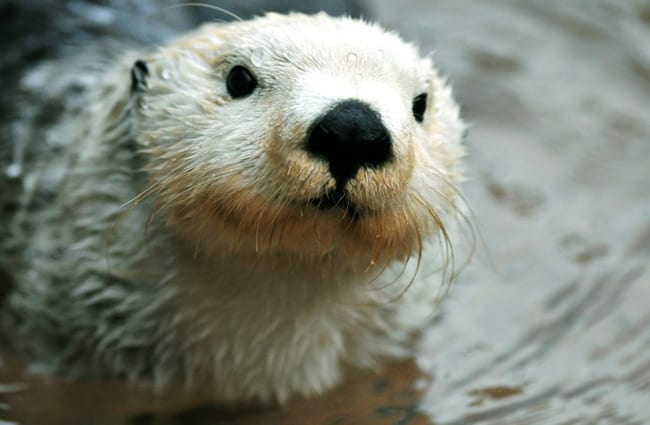
The Aquatic Acrobat: An Introduction to the River Otter
The North American River Otter, scientifically known as Lontra canadensis, is a charismatic member of the Mustelidae family, which also includes weasels, badgers, and skunks. These medium-sized mammals are perfectly engineered for life in and around water, showcasing a blend of strength, agility, and intelligence that makes them formidable predators and delightful observers.
Physical Characteristics and Adaptations
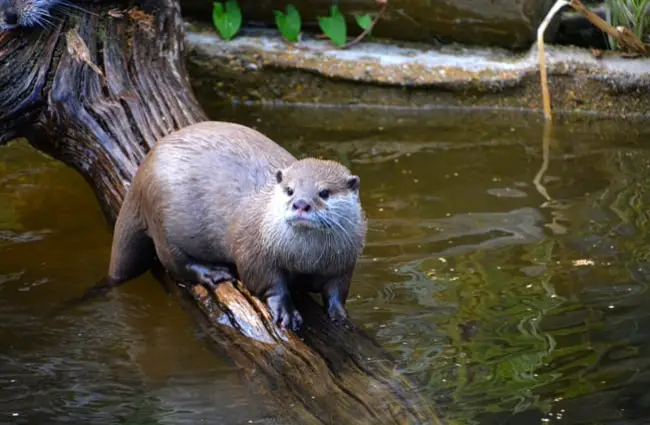
River Otters possess a distinctive appearance that immediately signals their aquatic prowess. Their bodies are long and slender, typically measuring between 2 to 4.5 feet (60 to 135 cm) from nose to tail tip, with the tail itself accounting for about one-third of their total length. Adults usually weigh between 10 to 30 pounds (4.5 to 13.6 kg), with males generally larger than females.
- Streamlined Body: Their torpedo-shaped body reduces drag in water, allowing for swift and graceful movement.
- Powerful Tail: The thick, muscular tail is tapered and acts as a rudder for steering and propulsion while swimming, and also aids in balance on land.
- Webbed Feet: All four feet are fully webbed, providing excellent propulsion in water and aiding in digging on land. Their claws are non-retractable and useful for gripping prey and climbing.
- Dense Fur: River Otters are covered in two layers of fur. The outer layer consists of long, stiff guard hairs that protect the softer, extremely dense underfur. This underfur traps air, providing exceptional insulation against cold water. This fur is so effective that it was historically highly prized by trappers.
- Sensory Adaptations:
- Vibrissae (Whiskers): Long, sensitive whiskers are crucial for detecting prey in murky water and at night, sensing vibrations and changes in water pressure.
- Small Ears and Nose: These can be closed underwater, preventing water entry.
- Excellent Vision: While their vision is adapted for underwater clarity, they also have good eyesight on land.
Habitat: Where the Water Flows
River Otters are widespread across North America, inhabiting a diverse range of aquatic environments. Their presence is a good indicator of a healthy freshwater ecosystem. They are found from Alaska and Canada down to the southern United States, and even into parts of Mexico. They thrive in:
- Rivers and Streams: Their namesake habitat, providing ample fish and cover.
- Lakes and Ponds: Especially those with vegetated shorelines and abundant prey.
- Coastal Marshes and Estuaries: They can tolerate brackish water and are sometimes found in coastal areas.
- Wetlands and Swamps: Rich in biodiversity, offering both food and shelter.
Key requirements for their habitat include a reliable food supply, clean water, and plenty of cover in the form of dense vegetation, rocky outcrops, or abandoned burrows. They are not particularly picky about the size of the water body, as long as these conditions are met.
Diet: An Opportunistic Aquatic Hunter
River Otters are carnivores, and their diet primarily consists of what is most readily available in their aquatic environment. They are highly skilled hunters, using their agility, speed, and keen senses to capture prey.
- Fish: This forms the bulk of their diet. They prefer slower-moving, bottom-dwelling fish species such as suckers, carp, and minnows, but will readily consume sunfish, perch, and trout.
- Crustaceans: Crayfish and crabs are a significant food source, especially in areas where fish populations are lower.
- Amphibians: Frogs and salamanders are also part of their opportunistic menu.
- Other Prey: They will occasionally eat small mammals (like voles or muskrats), birds, insects, and even reptiles (like turtles or snakes), particularly during times of scarcity.
Otters typically consume their prey headfirst, often bringing larger catches to shore to eat. Their powerful jaws and sharp teeth are well-suited for crushing shells and bones.
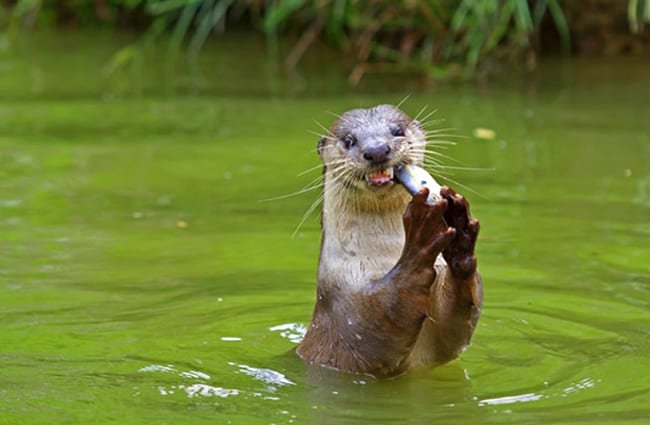
Behavior and Social Life: Playful and Purposeful
River Otters are renowned for their playful nature, which serves not only as social bonding but also as a way to hone their hunting skills and maintain physical fitness. They are primarily crepuscular or nocturnal, meaning they are most active during dawn, dusk, and night, though they can be seen during the day, especially in undisturbed areas.
- Social Structure: While often seen alone, River Otters are generally social animals. Females typically live with their young, forming family groups. Males may live alone or in bachelor groups of up to 10 individuals. These groups often hunt and travel together.
- Dens (Holts): Otters do not dig their own burrows extensively. Instead, they prefer to use abandoned dens of other animals, such as beavers or muskrats, or natural cavities like hollow logs, rock crevices, or root systems along riverbanks. These dens, called “holts,” provide shelter from predators and the elements, and are used for resting, raising young, and caching food.
- Play Behavior: Their famous “otter slides” are not just for fun; they help otters move quickly over land, especially in snow or mud, and also aid in grooming. Chasing, wrestling, and diving are common playful activities.
- Communication: Otters communicate through a variety of vocalizations, including chirps, whistles, growls, and snarls. They also use scent marking with musk from their anal glands to mark territories and communicate with other otters.
Diving Deeper: Evolution, Reproduction, and Ecological Role
Evolutionary Journey: From Land to Water
The River Otter’s evolutionary history is a testament to the power of natural selection. As members of the Mustelidae family, their ancestors were terrestrial carnivores. Over millions of years, a lineage adapted to a semi-aquatic lifestyle, leading to the diverse group of otters we see today. The North American River Otter’s lineage likely originated in Asia, with ancestors crossing the Bering land bridge into North America. Their specialized adaptations, such as webbed feet, a streamlined body, and dense fur, are classic examples of convergent evolution with other aquatic mammals, allowing them to exploit the rich resources of freshwater environments.
Reproduction and Life Cycle
The reproductive cycle of the River Otter is particularly interesting due to a phenomenon known as delayed implantation.
- Mating Season: Mating typically occurs in late winter or early spring.
- Delayed Implantation: After fertilization, the embryo does not immediately implant in the uterine wall. Instead, it remains in a state of suspended development for several months. This allows the actual gestation period to be timed so that the young are born during a favorable season, usually late winter or early spring of the following year, when food is more abundant. The total gestation period, including delayed implantation, can range from 290 to 380 days.
- Birthing: Litters usually consist of 1 to 5 pups, born blind and helpless in a den.
- Parental Care: The mother is solely responsible for raising the young. Pups open their eyes after about a month and begin to venture out of the den around two months old. They are taught to swim and hunt by their mother, often staying with her for up to a year, or until she is ready to give birth to a new litter.
- Maturity: River Otters reach sexual maturity around two years of age. Their lifespan in the wild is typically 8 to 9 years, though some individuals can live up to 13 years. In captivity, they can live significantly longer, sometimes exceeding 20 years.
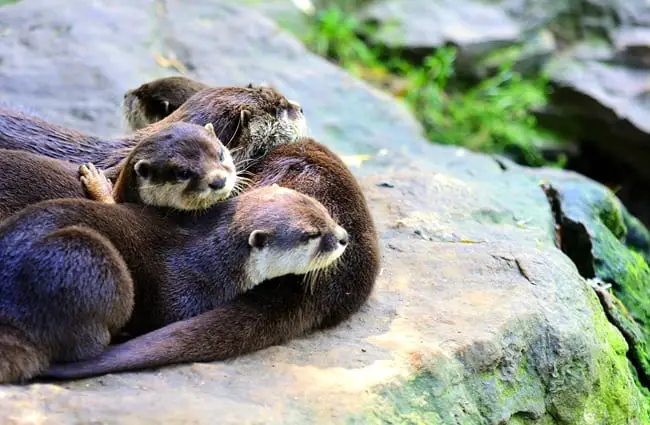
Ecosystem Contribution and Interactions
River Otters play a crucial role in maintaining the health and balance of their freshwater ecosystems.
- Apex Predator: As top predators in their aquatic niche, they help control populations of fish, crustaceans, and other small animals, preventing overpopulation and promoting biodiversity.
- Indicator Species: Their presence is often a sign of a healthy aquatic environment with good water quality and abundant food resources. Declines in otter populations can signal environmental problems.
- Habitat Modification: While they don’t build extensive structures, their use of abandoned beaver dams and lodges can indirectly benefit other species by maintaining wetland habitats.
- Interaction with Other Animals:
- Prey: Fish, crayfish, frogs, small mammals, and birds.
- Predators: Adult River Otters have few natural predators due to their size, agility, and defensive capabilities. Young pups, however, can be vulnerable to large raptors, coyotes, bobcats, and alligators in some regions.
- Competitors: Other fish-eating predators like mink, raccoons, and some bird species may compete for food resources.
River Otters and Humans: Coexistence and Conservation
Historical and Cultural Significance
River Otters have long held a place in human culture, particularly among indigenous peoples of North America. They are often revered for their playful spirit, intelligence, and connection to water. In some Native American traditions, otters are seen as symbols of joy, curiosity, and adaptability. Their fur was also highly valued by indigenous communities for warmth and trade, a practice that continued and intensified with European colonization, leading to periods of overhunting.
Interaction with Humans: From Trapping to Tourism
Historically, human interaction with River Otters was largely driven by the fur trade. Unregulated hunting and trapping in the 18th and 19th centuries led to significant population declines and even extirpation in some areas. However, with improved conservation efforts, habitat restoration, and reintroduction programs, River Otter populations have rebounded in many parts of their historical range.
Today, interactions are more often positive, focusing on wildlife viewing and ecological appreciation. They are a popular sight in nature parks and wildlife refuges, attracting ecotourists and photographers.
However, conflicts can arise:
- Fisheries: Otters can sometimes be seen as a nuisance by commercial or recreational fishermen due to their diet of fish.
- Road Mortality: As otters move between water bodies, they are vulnerable to vehicle collisions.
- Habitat Loss and Pollution: Human development and water pollution remain significant threats to otter populations.
Conservation Status and Efforts
Globally, the North American River Otter is listed as a species of “Least Concern” by the IUCN, reflecting a generally stable and recovering population across its range. However, local populations can still face threats. Conservation efforts focus on:
- Habitat Protection: Preserving and restoring wetlands, riparian zones, and clean water sources.
- Pollution Control: Reducing contaminants in waterways, which can impact otters directly and indirectly through their food supply.
- Reintroduction Programs: Successfully relocating otters to areas where they were previously extirpated.
- Public Education: Raising awareness about the importance of otters and their habitats.
Practical Insights: Observing, Encountering, and Caring for River Otters
For the Animal Lover: Finding River Otters in the Wild
Spotting a River Otter in its natural habitat is a truly rewarding experience. Here are some tips for increasing your chances:
- Location: Focus on freshwater habitats with good cover, such as slow-moving rivers, lakes with marshy edges, and wetlands. Look for areas with abundant fish populations.
- Time of Day: Otters are most active at dawn and dusk, and sometimes throughout the night. Early morning is often the best time for observation.
- Signs to Look For:
- Slides: Look for smooth, worn paths on muddy or snowy banks leading into the water. These are classic otter slides.
- Tracks: Five-toed tracks with visible webbing, often found along muddy banks.
- Scat (Feces): Otter scat often contains fish scales, bones, or crayfish parts, and may be deposited on prominent rocks or logs.
- Vocalizations: Listen for chirps, whistles, or chattering sounds.
- Patience and Stealth: Otters are wary. Remain quiet, move slowly, and use binoculars to observe from a distance.
For the Hiker: What to Do if You Encounter a River Otter
Encounters with wild animals should always be approached with respect and caution. If you are lucky enough to see a River Otter:
- Observe from a Distance: Maintain a respectful distance. Otters are wild animals and can bite if they feel threatened, especially if they have young.
- Do Not Approach or Feed: Never try to get closer or offer food. Feeding wildlife can alter their natural behavior and make them dependent on humans.
- Stay Calm and Quiet: Avoid sudden movements or loud noises that could startle the animal.
- Enjoy the Moment: Take the opportunity to quietly observe these fascinating creatures in their natural environment.
For the Zookeeper: Caring for River Otters in Captivity
Caring for River Otters in a zoological setting requires specialized knowledge and dedication to their welfare. The goal is to provide an environment that mimics their natural habitat and allows for the expression of natural behaviors.
- Enclosure Design:
- Spacious Aquatic Area: A large, clean pool with varying depths is essential for swimming, diving, and play. Filtration systems must be robust.
- Land Area: Ample dry land with natural substrates, rocks, logs, and dense vegetation for basking, grooming, and resting.
- Dens/Holts: Provide multiple secure, secluded den boxes or artificial burrows for resting and sleeping.
- Climbing Structures: Otters enjoy climbing, so provide sturdy branches or rock formations.
- Diet: A balanced diet typically includes a high-quality commercial carnivore diet, supplemented with fresh fish (various species), crayfish, and occasional small rodents or insects. Vitamin and mineral supplements are often necessary.
- Enrichment: This is critical for preventing boredom and promoting physical and mental health.
- Food-based: Hiding food, offering novel food items, or presenting food in puzzle feeders.
- Environmental: Changing enclosure furniture, adding new logs or rocks, providing different substrates.
- Sensory: Introducing new scents, sounds, or visual stimuli.
- Social: If housed in groups, ensuring appropriate social dynamics.
- Cognitive: Training for husbandry behaviors, puzzle toys.
- Health Monitoring: Regular veterinary check-ups, monitoring weight, appetite, and behavior for any signs of illness. Dental care is also important.
- Avoidances:
- Isolation: Otters are social; prolonged isolation can lead to stress.
- Stagnant Water: Poor water quality can lead to skin and ear infections.
- Lack of Enrichment: Can result in stereotypic behaviors and poor welfare.
- Inappropriate Diet: Can lead to nutritional deficiencies or obesity.
Fascinating Facts About River Otters
River Otters are not just cute; they are incredibly complex and adapted creatures. Here are some intriguing facts:
- They can hold their breath for up to 8 minutes underwater.
- Their powerful jaws can crush the shells of crustaceans with ease.
- River Otters can swim at speeds of up to 7 miles per hour (11 km/h).
- They have a high metabolic rate and must eat frequently to maintain their body temperature, especially in cold water.
- Each otter’s scent is unique, allowing them to identify individuals within their social groups.
- They are known to “juggle” small rocks or pebbles, a behavior thought to be a form of play or dexterity practice.
- Despite their aquatic lifestyle, they are excellent climbers and can scale trees.
- Their fur is so dense that there can be up to 1,000 hairs per square millimeter.
- A group of otters is often called a “romp” or a “raft” when in the water.
Conclusion: Celebrating the Spirit of the River
The River Otter, with its boundless energy, sleek design, and vital ecological role, stands as a testament to the wonders of natural adaptation. From its evolutionary journey to its intricate social behaviors and its significant contributions to freshwater ecosystems, Lontra canadensis offers a rich tapestry of knowledge for researchers, enthusiasts, and conservationists alike. Understanding and appreciating these aquatic acrobats is not just about learning about one species; it is about recognizing the interconnectedness of all life and our shared responsibility to protect the precious waterways they call home. By ensuring clean water and healthy habitats, we can help guarantee that the playful spirit of the River Otter continues to grace our natural landscapes for generations to come.
![Closeup of a beautiful Red Angus cowPhoto by: U.S. Department of Agriculture [pubic domain]https://creativecommons.org/licenses/by/2.0/](https://animals.net/wp-content/uploads/2020/03/Red-Angus-4-238x178.jpg "Red Angus")
![Closeup of a beautiful Red Angus cowPhoto by: U.S. Department of Agriculture [pubic domain]https://creativecommons.org/licenses/by/2.0/](https://animals.net/wp-content/uploads/2020/03/Red-Angus-4-100x75.jpg "Red Angus")