Unveiling the Forest Giraffe: A Journey into the World of the Okapi
Deep within the dense, emerald heart of Central Africa, a creature of unparalleled beauty and mystery roams the rainforests. Often called the “forest giraffe,” the Okapi (Okapia johnstoni) is a living testament to nature’s artistry, a mosaic of rich chocolate brown, creamy white, and striking zebra-like stripes. For centuries, this elusive mammal remained a legend, a whispered secret among indigenous communities, until its formal discovery by the Western world at the turn of the 20th century. Today, it stands as a symbol of the DRC’s incredible biodiversity and a poignant reminder of the urgent need for conservation.
The Enigmatic Appearance: Nature’s Masterpiece
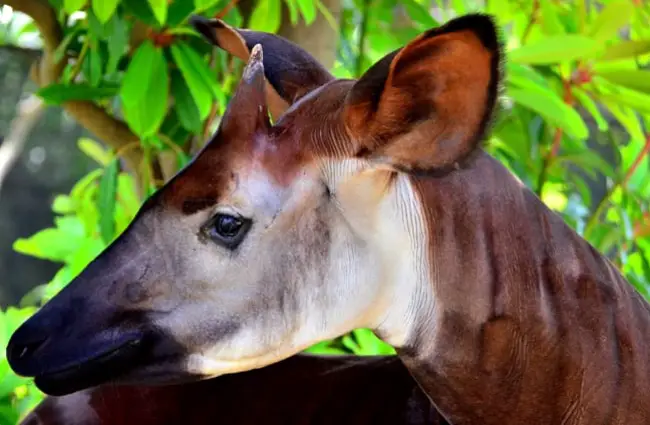
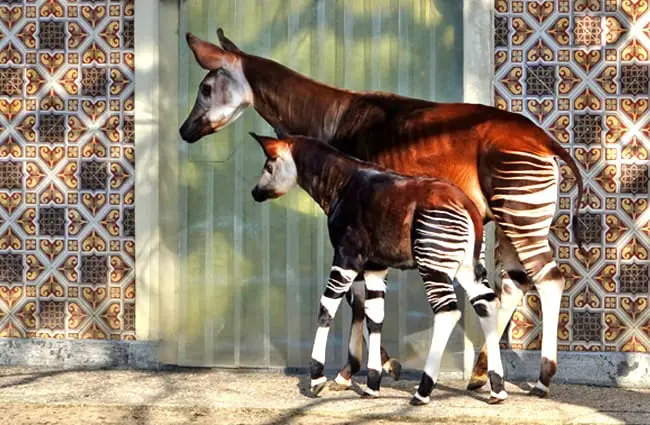
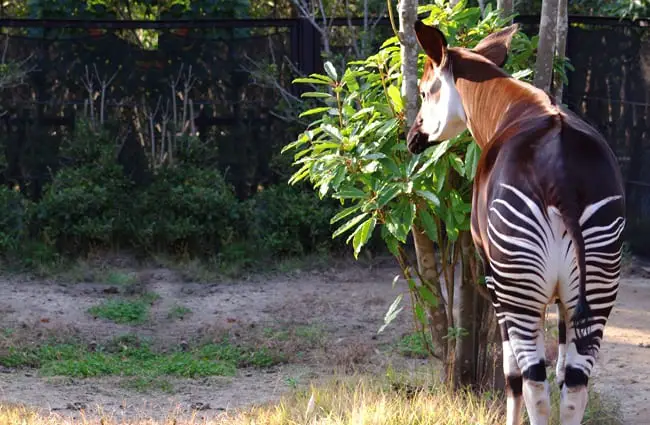
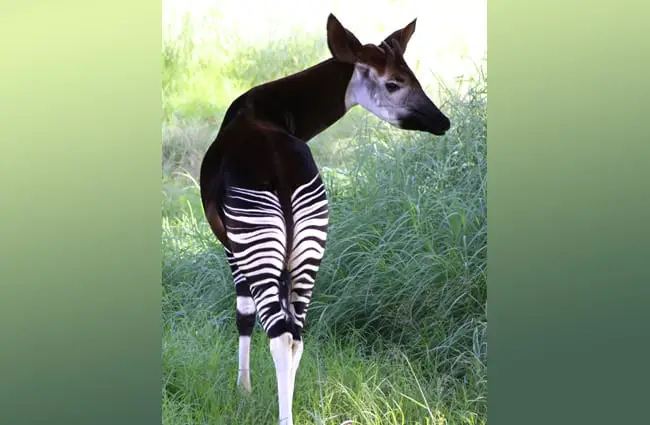
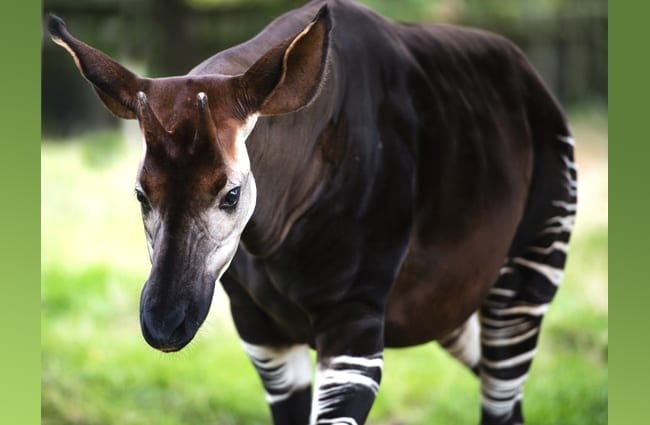
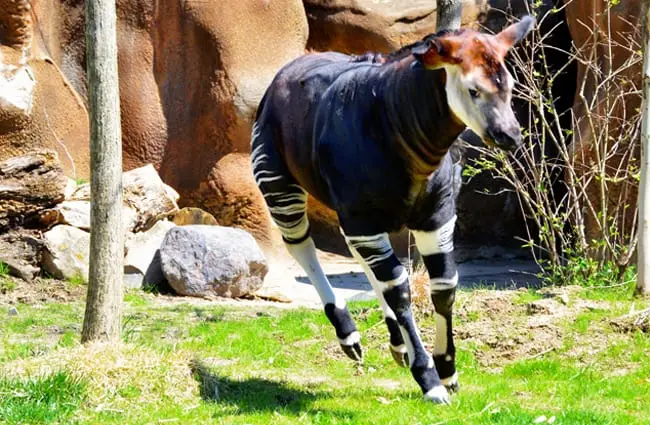
The Okapi’s physical characteristics are a captivating blend of the familiar and the unique. Its body shape is reminiscent of a horse, yet its long neck and large, flexible ears hint at its true lineage. The most striking feature is its coat: a velvety, reddish-brown to dark chocolate body, sharply contrasted by horizontal white and black stripes on its hindquarters and upper legs. These stripes are as individual as human fingerprints, providing perfect camouflage amidst the dappled light and shadow of the forest undergrowth. Males possess short, skin-covered ossicones, similar to those of a giraffe, while females typically have prominent hair whorls instead. Their large, independently swiveling ears allow them to detect the faintest sounds in their dense habitat, a crucial adaptation for a solitary forest dweller.
Habitat and Home: Deep in the Heart of Africa
The Okapi is an endemic species, meaning it is found nowhere else on Earth in the wild except for the Democratic Republic of Congo (DRC) in Central Africa. Its preferred habitat is the dense, humid rainforests, particularly the Ituri Forest, where the canopy is thick and the undergrowth provides ample cover and food. These equatorial forests are characterized by high rainfall, consistent temperatures, and a rich tapestry of plant life, all of which are essential for the Okapi’s survival. They thrive in areas with a dense understory, which offers both protection from predators and a plentiful supply of browse.
A Day in the Life: Diet and Foraging Habits
As a browser, the Okapi’s diet is incredibly diverse, consisting of over 100 species of leaves, buds, grasses, ferns, fruits, and fungi. They are known to consume plants that are toxic to humans and other animals, showcasing a unique digestive system. A remarkable adaptation is their long, prehensile, blue-grey tongue, which can extend up to 18 inches. This incredible tongue is used not only for stripping leaves from branches but also for grooming, allowing the Okapi to clean its eyelids and ears. To supplement their diet with essential minerals, Okapis also consume charcoal from lightning-struck trees and mineral-rich clay found near rivers and streams. Their foraging activities play a vital role in the forest ecosystem, helping to disperse seeds and maintain plant diversity.
The Okapi Family: Mating and Reproduction
Okapis are largely solitary animals, coming together only briefly for mating. The gestation period is remarkably long, lasting approximately 14 to 15 months. A single calf is typically born, weighing between 30 and 65 pounds. Okapi calves are precocial, meaning they are relatively mature and mobile at birth. For the first few weeks of its life, the calf remains hidden in dense vegetation, a strategy known as “nesting,” while the mother forages nearby. This hiding period is crucial for the calf’s survival, protecting it from predators. Calves are weaned around six months of age but may stay with their mothers for up to a year, learning essential survival skills before venturing out on their own.
Evolutionary Echoes: A Living Fossil
The Okapi’s evolutionary history is as intriguing as its appearance. It is the only living relative of the giraffe, belonging to the family Giraffidae. While giraffes adapted to open savannas, developing long necks to reach high foliage, the Okapi evolved to thrive in dense forest environments. Its relatively shorter neck and compact body are perfect for navigating thick undergrowth. For a long time, its existence was considered mythical, a “unicorn of Africa,” until British explorer Sir Harry Johnston formally documented it in 1901. Its unique combination of features led to initial confusion, with some speculating it was a zebra-horse hybrid. However, genetic studies have firmly established its close kinship with the giraffe, making it a fascinating example of divergent evolution and a true “living fossil” that offers a glimpse into the ancestral forms of giraffes.
Okapi in the Wild: A Quest for the Elusive
Where to Find the Okapi: A Glimpse into its Realm
For the dedicated animal lover or aspiring zoologist hoping to catch a glimpse of an Okapi in its natural habitat, the journey leads exclusively to the Democratic Republic of Congo. The primary stronghold for wild Okapi populations is the Ituri Forest, particularly within the UNESCO World Heritage-listed Okapi Wildlife Reserve. This protected area, established in 1992, covers approximately 13,726 square kilometers and is vital for the species’ survival. However, finding an Okapi in the wild is an extraordinary challenge. Their superb camouflage, shy nature, and the dense forest environment make them incredibly difficult to spot. Guided expeditions with experienced local trackers are essential, focusing on areas with known Okapi activity, often near water sources or specific browse plants. Patience, quiet observation, and a deep respect for the environment are paramount.
Ethical Wildlife Encounters: What to Do if You Spot an Okapi
Encountering an Okapi in the wild is a rare and privileged experience. For hikers or researchers fortunate enough to witness this magnificent creature, the following guidelines are crucial:
- Maintain Distance: Always keep a significant distance from the animal. Okapis are shy and easily stressed. Approaching too closely can cause them to flee or, in rare cases, feel threatened.
- Observe Quietly: Avoid sudden movements, loud noises, or any behavior that might startle the Okapi. Use binoculars for a closer look.
- Do Not Disturb: Never attempt to feed, touch, or interact with a wild Okapi. This can habituate them to humans, making them vulnerable, and can also transmit diseases.
- Stay Safe: While Okapis are generally not aggressive, any wild animal can react unpredictably if cornered or threatened. Always prioritize your safety and the animal’s well-being.
- Respect the Habitat: Stick to designated trails, avoid littering, and minimize your impact on the delicate forest ecosystem.
The Okapi’s Role: Ecosystem and Human Interactions
Ecological Contributions: Forest Gardener
The Okapi plays a crucial role in maintaining the health and biodiversity of its rainforest ecosystem. As a primary browser, its selective feeding habits influence plant growth and distribution. By consuming a wide variety of plant species, including those with tough leaves, Okapis help to create clearings and pathways, allowing sunlight to reach the forest floor and promoting the growth of new vegetation. Their consumption of fruits aids in seed dispersal, contributing to forest regeneration. Okapis are also a prey species, primarily for leopards, thus forming an integral part of the forest food web. Their presence is an indicator of a healthy, thriving rainforest ecosystem.
Okapi and Humanity: A Complex Relationship
For centuries, indigenous Mbuti Pygmies and other local communities in the DRC have coexisted with the Okapi, holding it in high regard and incorporating it into their folklore and traditions. However, the modern era has brought significant challenges to this species. The Okapi is currently classified as Endangered by the IUCN Red List. The primary threats to its survival are:
- Habitat Loss: Deforestation due to logging, agriculture, and human settlements fragments and shrinks their forest home.
- Poaching: Okapis are hunted for their meat (bushmeat) and skin, often by snares set indiscriminately.
- Mining and Civil Unrest: Illegal mining operations and ongoing political instability in the DRC disrupt conservation efforts, displace communities, and increase pressure on wildlife.
Despite these challenges, dedicated conservation efforts are underway, most notably through the Okapi Wildlife Reserve. This reserve not only protects the Okapi but also safeguards the habitat of other endangered species and supports the livelihoods of local communities through sustainable practices. Captive breeding programs in zoos worldwide also play a vital role, maintaining a healthy genetic pool and raising public awareness about this magnificent animal.
Caring for Okapis: Insights for Zookeepers
Caring for Okapis in a zoological setting requires specialized knowledge and a deep understanding of their unique needs, mirroring their natural rainforest environment.
Creating a Sanctuary: Habitat and Enrichment
- Spacious Enclosures: Okapis require large, naturalistic enclosures that mimic their forest habitat, complete with dense vegetation, trees for shade and browsing, and soft substrates.
- Temperature and Humidity Control: Given their tropical origin, maintaining appropriate temperature and humidity levels, especially in colder climates, is crucial for their health.
- Visual Barriers: As solitary and shy animals, visual barriers and hiding spots within the enclosure are essential to reduce stress and provide a sense of security.
- Enrichment Activities: To stimulate their natural behaviors, zookeepers provide a variety of enrichment items, such as puzzle feeders, novel browse branches, different scents, and opportunities for exploration.
Nutritional Needs: A Specialized Diet
- Diverse Browse: A significant portion of their diet in captivity consists of fresh browse (leaves and branches from safe, non-toxic trees) to replicate their natural foraging.
- Commercial Pellets: High-quality herbivore pellets formulated for browsers supplement their diet, ensuring they receive all necessary vitamins and minerals.
- Fruits and Vegetables: A variety of fruits and vegetables are offered in moderation as treats and additional nutrient sources.
- Mineral Supplementation: Access to mineral blocks or specific supplements is vital to prevent deficiencies, mimicking their wild behavior of consuming mineral-rich clay.
Health and Well-being: Veterinary Care
- Regular Check-ups: Routine veterinary examinations, including blood work and fecal analysis, are essential for early detection of health issues.
- Hoof Care: Regular hoof trimming is often necessary, as captive environments may not provide the same wear as their wild counterparts.
- Dental Care: Monitoring dental health and providing appropriate browse helps maintain healthy teeth.
- Behavioral Monitoring: Zookeepers closely observe Okapis for signs of stress, illness, or changes in social dynamics, especially during breeding periods or introductions.
What to Avoid in Captive Care
- Loud Noises and Sudden Movements: Okapis are highly sensitive to their surroundings. A calm and quiet environment is paramount to minimize stress.
- Overcrowding: As solitary animals, Okapis generally do not thrive in crowded conditions. Careful consideration of social groupings is necessary, typically housing them individually or in mother-calf pairs.
- Incompatible Pairings: When breeding, careful introduction and monitoring are required to ensure compatibility between individuals.
- Inadequate Diet or Enrichment: A lack of dietary variety or insufficient environmental enrichment can lead to health problems and behavioral issues.
- Direct Human Contact: While zookeepers build trust, direct physical contact should be minimized to maintain their natural wariness and prevent potential injury to both animal and human.

Fascinating Okapi Facts: A Treasure Trove of Knowledge
- Long Blue Tongue: The Okapi’s prehensile tongue can extend up to 18 inches and is blue-grey in color, allowing it to strip leaves and even clean its own eyelids and ears.
- Unique Scent Glands: Each Okapi has individual scent glands on its feet, leaving behind a tar-like substance that marks its territory as it walks.
- Distinctive Call: Okapis communicate using a variety of sounds, including chuffs, moans, and a unique “courier call” used by calves.
- Solitary Nature: Except for mothers with calves, Okapis are largely solitary, preferring to roam their forest territories alone.
- “Forest Giraffe” Nickname: Despite its zebra-like stripes, the Okapi is the only living relative of the giraffe, hence its popular moniker.
- Late Discovery: It was one of the last large mammals to be discovered by Western science, formally identified in 1901.
- Endangered Status: Due to habitat loss, poaching, and civil unrest, the Okapi is classified as Endangered, highlighting the urgent need for conservation.
- Ossicones: Male Okapis possess short, skin-covered ossicones, which are bony, horn-like structures covered in velvet, similar to those found on giraffes.
- Excellent Hearing: Their large, independently swiveling ears provide exceptional hearing, crucial for detecting predators and navigating the dense forest.
- Mineral Consumption: Okapis are known to eat charcoal from burnt trees and mineral-rich clay to supplement their diet with essential salts and minerals.
Conclusion: Protecting a Hidden Gem
The Okapi stands as a magnificent emblem of the Democratic Republic of Congo’s rich biodiversity and the enduring mysteries of the natural world. From its striking appearance and unique evolutionary path to its vital role as a “forest gardener,” every aspect of this creature’s life is a testament to nature’s intricate design. However, its future hangs in the balance, threatened by human activities and instability. By understanding and appreciating the Okapi, we can foster a greater commitment to its conservation, ensuring that this elusive “forest giraffe” continues to roam the heart of Africa for generations to come. Supporting conservation efforts in the DRC and responsible zoological institutions is paramount to safeguarding this truly extraordinary species.
![Closeup of a beautiful Red Angus cowPhoto by: U.S. Department of Agriculture [pubic domain]https://creativecommons.org/licenses/by/2.0/](https://animals.net/wp-content/uploads/2020/03/Red-Angus-4-238x178.jpg "Red Angus")
![Closeup of a beautiful Red Angus cowPhoto by: U.S. Department of Agriculture [pubic domain]https://creativecommons.org/licenses/by/2.0/](https://animals.net/wp-content/uploads/2020/03/Red-Angus-4-100x75.jpg "Red Angus")