Deep beneath the ocean’s shimmering surface, where sunlight filters into a world of vibrant life and ancient mysteries, swims a creature of remarkable power and grace: the Amberjack. Often revered by anglers for its formidable fight and by marine biologists for its ecological significance, this sleek, torpedo-shaped fish is far more than just a prized catch. It is a vital component of marine ecosystems, a testament to evolutionary success, and a fascinating subject for anyone captivated by the ocean’s wonders.
Join us on an exploration of the Amberjack, uncovering its secrets from its preferred hunting grounds to its intricate role in the marine food web, and even its interactions with humanity. Prepare to dive deep into the world of this magnificent pelagic predator.
Unveiling the Amberjack: A Master of the Deep
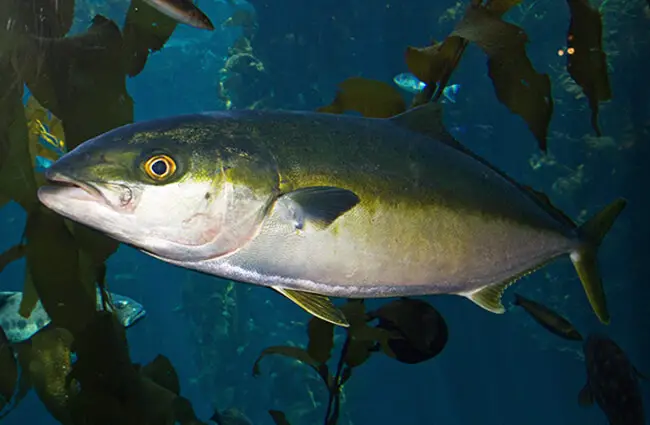
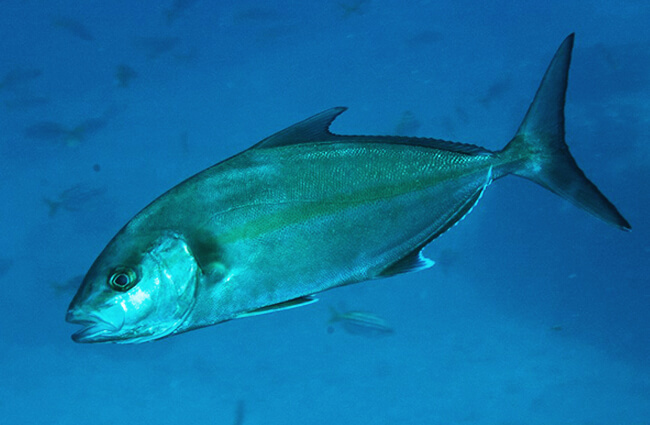
The term “Amberjack” generally refers to several species within the genus Seriola, part of the Carangidae family, which also includes jacks and trevallies. Among the most well-known are the Greater Amberjack (Seriola dumerili), the Yellowtail Amberjack (Seriola lalandi), and the Japanese Amberjack (Seriola quinqueradiata). These fish are characterized by their robust, elongated bodies, often with a distinctive amber or yellowish stripe running horizontally along their flanks, particularly noticeable in younger specimens. Their dorsal fins are typically divided into two parts, with a long, soft-rayed second dorsal fin and a shorter, spiny first dorsal fin. Their powerful, forked tails are indicative of their speed and agility in open water.
Amberjacks are formidable predators, built for speed and efficiency. Their streamlined bodies allow them to cut through water with minimal resistance, while their large, powerful fins provide propulsion and precise maneuverability. They possess keen eyesight, essential for spotting prey in the often-murky depths, and a mouth full of small, sharp teeth designed for grasping slippery fish and squid.
Where the Wild Amberjacks Roam: Habitat and Distribution
Amberjacks are cosmopolitan inhabitants of temperate and tropical oceans worldwide. Their preferred habitat is typically offshore, associated with structures that provide cover and attract baitfish. This includes:
- Deep Reefs: They are frequently found patrolling the edges and slopes of deep coral and rocky reefs.
- Wrecks and Artificial Reefs: Sunken ships, oil rigs, and other man-made structures provide ideal hunting grounds and shelter.
- Seamounts and Submarine Ridges: Underwater mountains and ridges create upwellings that concentrate nutrients and, consequently, prey.
- Pelagic Waters: While often structure-oriented, larger Amberjacks, particularly adults, can also be found in open ocean waters, especially during migratory periods.
Specific species have distinct distributions. For example, the Greater Amberjack is prevalent in the Atlantic Ocean, including the Gulf of Mexico and the Caribbean Sea, as well as parts of the Pacific. The Yellowtail Amberjack is found in the southern Pacific and Indian Oceans, off Australia, New Zealand, South Africa, and California. The Japanese Amberjack, as its name suggests, is a key species in the waters around Japan and other parts of East Asia.
The Amberjack’s Menu: A Carnivorous Diet
As apex predators in their respective niches, Amberjacks have a diverse and robust diet. They are opportunistic feeders, preying on whatever is abundant and accessible. Their diet primarily consists of:
- Small Fish: This includes schooling baitfish such as sardines, anchovies, mackerel, and herring. They also target larger species like grunts, snappers, and smaller jacks.
- Squid and Octopuses: Cephalopods are a significant food source, particularly for larger individuals.
- Crustaceans: While less common for adults, juvenile Amberjacks may consume shrimp and crabs.
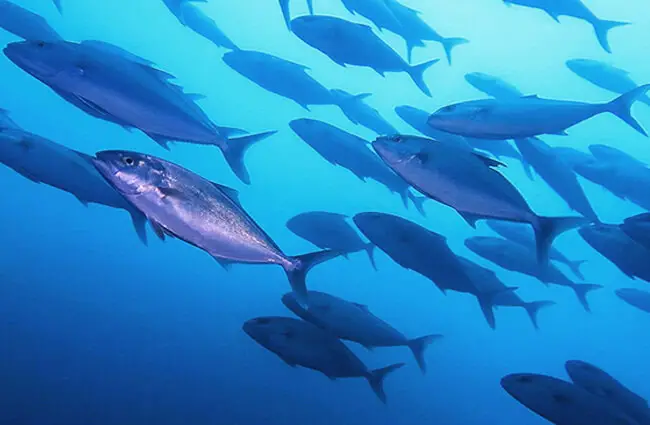
Amberjacks are active hunters, often working in small groups or schools to corral and ambush their prey. They use their incredible speed to dart into schools of baitfish, disorienting them before striking. Their diet plays a crucial role in regulating populations of smaller fish and invertebrates within their ecosystem.
Life’s Cycle: Mating and Reproduction
The reproductive strategies of Amberjacks are typical of many pelagic, schooling fish. Spawning generally occurs during warmer months, often in offshore waters or near specific aggregation sites. Here is a general overview:
- Sexual Maturity: Amberjacks typically reach sexual maturity between two and four years of age, depending on the species and environmental conditions.
- Spawning Aggregations: They often form large spawning aggregations, where males and females gather in specific areas to release their gametes. These aggregations can be quite dense, increasing the chances of successful fertilization.
- Broadcast Spawning: Amberjacks are broadcast spawners. Females release thousands to millions of tiny, buoyant eggs into the water column, which are then externally fertilized by sperm released by males. This method maximizes the dispersal of eggs and larvae, reducing predation pressure on any single clutch.
- Larval Development: The fertilized eggs drift with ocean currents, hatching into larvae within a few days. These larvae are planktonic, feeding on microscopic organisms until they develop into juvenile fish.
- Juvenile Habitat: Young Amberjacks often seek refuge in shallower, more protected waters, sometimes associating with floating sargassum weed or other debris, which provides camouflage and a rich feeding ground. As they grow, they gradually move to deeper, more open waters, adopting the adult lifestyle.
The Amberjack’s Place in the Grand Scheme: Ecosystem and Evolution
A Link in the Chain: Ecosystem Contribution and Interactions
Amberjacks are integral to the health and balance of their marine environments. Their role as apex predators helps to maintain the stability of prey populations, preventing overgrazing of smaller organisms and ensuring a healthy food web. Without predators like the Amberjack, certain prey species could proliferate unchecked, leading to imbalances that cascade through the ecosystem.
- Predator: They control populations of various fish and cephalopods.
- Prey: While formidable, juvenile Amberjacks are prey for larger pelagic fish like tuna, marlin, and sharks. Even adult Amberjacks can fall victim to the largest marine predators, such as large sharks and orcas.
- Cleaner Fish Interactions: Amberjacks are known to visit “cleaning stations” on reefs, where smaller cleaner wrasse or gobies remove parasites from their skin and gills. This symbiotic relationship benefits both parties: the Amberjack gets rid of irritating parasites, and the cleaner fish get a meal.
Echoes of the Past: Amberjack’s Evolutionary Journey
The Carangidae family, to which Amberjacks belong, has a long and successful evolutionary history, with fossil records dating back tens of millions of years. These fish are highly adapted for a pelagic, predatory lifestyle. Their streamlined bodies, powerful musculature, and efficient fin structures are hallmarks of convergent evolution seen in many fast-swimming marine predators. Over millennia, Amberjacks have refined their hunting techniques, migratory patterns, and reproductive strategies to thrive in dynamic ocean environments. Their wide distribution across the globe suggests a remarkable adaptability to varying oceanographic conditions and prey availability, indicating a robust evolutionary lineage.
Amberjack and Humanity: A Complex Relationship
A Prize for Anglers: Sport and Commercial Fishing
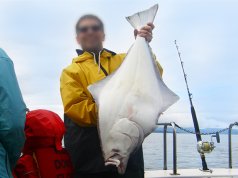
Amberjacks are highly prized by recreational anglers for their strength and fighting spirit. Hooking into a large Amberjack is often described as a battle of wills, testing the angler’s endurance and skill. They are known for their powerful runs and deep dives, making them a challenging and rewarding catch. This popularity has led to a significant sport fishing industry centered around Amberjacks in many regions.
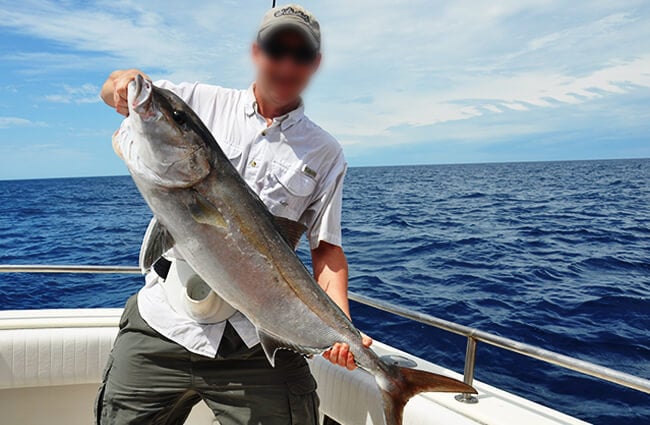
Commercially, Amberjacks are also harvested, though often as bycatch in fisheries targeting other species. Their firm, white flesh is considered good eating, particularly when fresh. However, larger Amberjacks can accumulate ciguatera toxin, a naturally occurring toxin found in certain reef algae, which can cause illness in humans if consumed. This risk is a significant consideration for both commercial and recreational fishermen, leading to advisories in certain areas.
![Fisherman proudly displaying his large Amberjack catchPhoto by: ALCUSTOM boats [public domain]https://creativecommons.org/licenses/by/2.0/](https://animals.net/wp-content/uploads/2020/03/Amberjack-4-650x425.jpg)
Cultural Connections and Conservation Concerns
While Amberjacks may not hold the same iconic status as some other marine creatures in global folklore, their presence is deeply woven into the fabric of coastal communities where they are fished. They represent a connection to the ocean’s bounty and the thrill of the chase. In some cultures, the abundance of such powerful fish is a sign of healthy marine ecosystems.
Conservation efforts for Amberjacks focus on sustainable fishing practices. Due to their popularity and relatively slow growth rates compared to some other fish, populations can be vulnerable to overfishing. Management strategies often include:
- Size Limits: Ensuring fish are mature enough to reproduce before being harvested.
- Bag Limits: Restricting the number of fish an individual can catch.
- Seasonal Closures: Protecting spawning aggregations.
- Gear Restrictions: Promoting methods that minimize bycatch.
These measures are crucial for ensuring that future generations can continue to appreciate and interact with these magnificent fish.
Practical Insights for Enthusiasts and Professionals
Finding Amberjack in the Wild: A Guide for Animal Lovers
For the animal lover hoping to observe Amberjacks in their natural habitat, diving or snorkeling in specific locations offers the best chance. Remember, these are offshore fish, so coastal snorkeling might not yield sightings of mature individuals.
- Target Deep Reefs and Wrecks: Seek out dive sites known for their deep reef structures or artificial reefs and wrecks. Amberjacks often congregate around these features.
- Look for Schools of Baitfish: Where there are baitfish, predators like Amberjacks are often nearby. Observe areas where smaller fish are schooling.
- Time of Day: They are active during daylight hours, particularly around dawn and dusk, when they are most actively feeding.
- Geographic Hotspots: Research specific dive destinations known for Amberjack populations, such as the Gulf of Mexico, the Caribbean, parts of the Australian coast, or Japanese waters.
- Patience and Observation: Remain calm and observe your surroundings. Amberjacks are curious but can be skittish.
Encountering Amberjack in the Wild: What to Do
If you are diving or snorkeling and encounter an Amberjack, consider these points:
- Maintain Distance: While generally not aggressive towards humans, they are large, powerful predators. Give them space.
- Observe, Do Not Disturb: Avoid chasing or attempting to touch the fish. This can stress them and alter their natural behavior.
- Appreciate Their Beauty: Take the opportunity to observe their sleek form, powerful movements, and hunting behaviors from a respectful distance.
- Report Unusual Sightings: If you notice signs of distress, injury, or unusual behavior, consider reporting it to local marine authorities or conservation groups.
Caring for Amberjack in Captivity: A Zookeeper’s Handbook
Keeping Amberjacks in a captive environment, such as a large public aquarium, requires specialized knowledge and significant resources. These are not suitable for home aquariums.
- Habitat Requirements:
- Tank Size: Extremely large, public-aquarium-scale tanks are essential. Amberjacks are fast-swimming pelagic fish that require vast open spaces to cruise and turn. Tanks should be hundreds of thousands of gallons, ideally with rounded corners to prevent collisions.
- Water Quality: Pristine marine water quality is paramount. This includes stable temperature (species-specific, typically 20-26°C or 68-79°F), salinity (around 1.025 specific gravity), pH (8.0-8.4), and undetectable levels of ammonia and nitrite, with low nitrates. Robust filtration systems are critical.
- Current: Moderate to strong water flow is beneficial, mimicking their natural open-ocean environment and providing exercise.
- Enrichment: While less complex than for mammals, environmental enrichment can include varied substrate, artificial reef structures (ensuring no sharp edges), and schooling tank mates of appropriate size.
- Diet and Feeding:
- High-Quality Protein: A diet rich in high-quality, varied marine proteins is essential. This includes whole fish (sardines, mackerel, herring), squid, and shrimp.
- Vitamin Supplementation: Frozen foods can lose nutrients, so vitamin and mineral supplements are crucial to prevent deficiencies.
- Feeding Frequency: Juveniles may require multiple feedings per day, while adults can be fed once daily or every other day, depending on their size and activity level.
- Observation: Monitor feeding behavior closely to ensure all individuals are eating and to detect any signs of illness or stress.
- Social Behavior and Tank Mates:
- Schooling Tendencies: Amberjacks often school, so keeping multiple individuals can reduce stress and encourage natural behaviors, provided the tank is large enough.
- Compatibility: Choose tank mates carefully. Avoid very small fish that could become prey and overly aggressive species that could stress the Amberjacks. Large, robust species like other jacks, tuna, or sharks (if the tank is truly massive) can be compatible.
- Health and Disease Management:
- Quarantine: All new arrivals must undergo a strict quarantine period to prevent the introduction of diseases.
- Regular Health Checks: Routine observation for signs of disease (lesions, abnormal swimming, loss of appetite) is vital.
- Parasite Control: Amberjacks are susceptible to external and internal parasites. Regular monitoring and appropriate treatments are necessary.
- Stress Reduction: Minimize sudden changes in environment, loud noises, or aggressive handling, as stress can compromise their immune system.
- What to Avoid:
- Small Tanks: Absolutely unsuitable for their size and activity level.
- Overcrowding: Leads to stress, aggression, and poor water quality.
- Incompatible Tank Mates: Can result in predation or constant harassment.
- Poor Water Quality: Rapidly leads to disease and mortality.
- Inadequate Diet: Causes nutritional deficiencies and weakens the fish.
A Huge List of Interesting Facts About Amberjack
- Amberjacks are sometimes called “reef donkeys” by anglers due to their stubborn fighting ability.
- The largest Greater Amberjack ever recorded weighed over 150 pounds (68 kg) and measured over 6 feet (1.8 meters) in length.
- Juvenile Amberjacks often have a distinct dark stripe running from their snout to their dorsal fin, which fades as they mature.
- They are known to perform impressive aerial leaps when hooked, adding to their reputation as a sport fish.
- Amberjacks are highly migratory, traveling long distances across ocean basins in search of food and suitable spawning grounds.
- Their powerful caudal fin, or tail, is perfectly adapted for bursts of speed, allowing them to ambush prey with incredible velocity.
- Some species of Amberjack, particularly the Japanese Amberjack (Buri), are highly valued in aquaculture and are a popular delicacy in Japanese cuisine.
- They are often found in association with other large pelagic fish, sometimes forming mixed schools.
- The distinctive amber stripe that gives them their name is often more pronounced when the fish is excited or actively hunting.
- Amberjacks have relatively short lifespans for their size, typically living for 7 to 10 years, though some individuals may reach 15 years.
- Their eyes are relatively large, providing excellent vision, which is crucial for hunting in varying light conditions underwater.
- They are a key indicator species for the health of offshore reef and pelagic ecosystems.
Conclusion: The Enduring Allure of the Amberjack
From the thrill of the chase for anglers to their critical role in maintaining marine biodiversity, Amberjacks are truly remarkable creatures. Their sleek design, predatory prowess, and widespread distribution make them a subject of endless fascination for zoologists, conservationists, and ocean enthusiasts alike. Understanding the Amberjack’s life cycle, habitat, and interactions with its environment is not just about appreciating a single species, but about gaining deeper insights into the intricate web of life that sustains our planet’s oceans. As we continue to explore and learn, the Amberjack stands as a powerful reminder of the wild beauty and ecological importance of the deep blue sea.
![Closeup of a beautiful Red Angus cowPhoto by: U.S. Department of Agriculture [pubic domain]https://creativecommons.org/licenses/by/2.0/](https://animals.net/wp-content/uploads/2020/03/Red-Angus-4-238x178.jpg "Red Angus")

![Closeup of a beautiful Red Angus cowPhoto by: U.S. Department of Agriculture [pubic domain]https://creativecommons.org/licenses/by/2.0/](https://animals.net/wp-content/uploads/2020/03/Red-Angus-4-100x75.jpg "Red Angus")