
The vast, blue expanse of the Atlantic Ocean holds countless wonders, but few creatures capture the imagination quite like the White Marlin. A true icon of the open sea, this magnificent billfish embodies speed, power, and an almost ethereal grace. For centuries, it has fascinated anglers, scientists, and ocean enthusiasts alike, its sleek form cutting through the waves a testament to millions of years of evolution. Join us on a deep dive into the world of the White Marlin, exploring its life, its role, and its enduring connection to the marine environment and human culture.
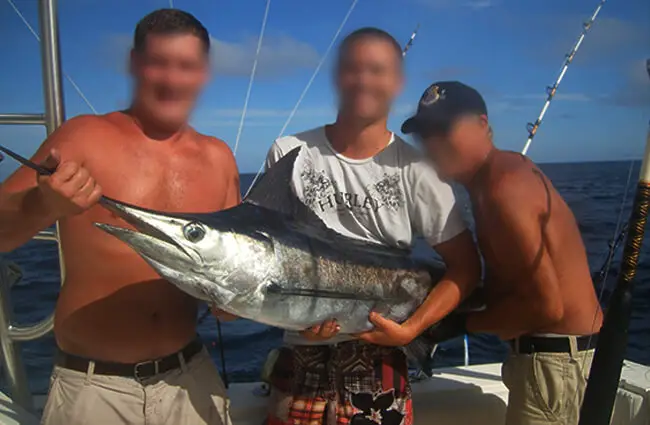
The Elegant Hunter: A Glimpse into White Marlin Biology
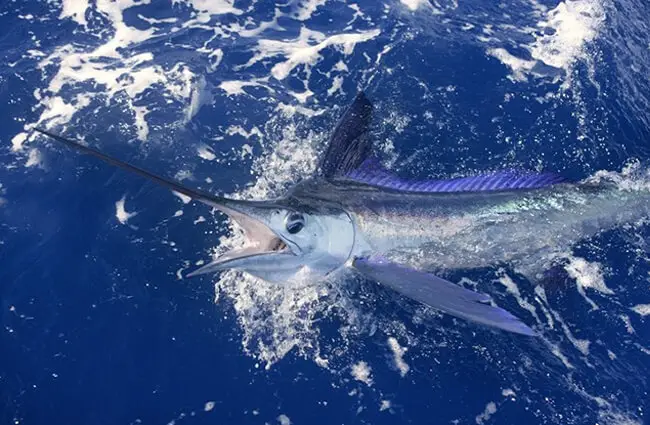
The White Marlin, scientifically known as Kajikia albida, is a member of the billfish family, Istiophoridae, which also includes its larger relatives, the Blue Marlin and Sailfish. Despite its name, the White Marlin is not truly white, but rather boasts a striking iridescent blue to greenish-blue dorsal surface that fades into silvery white flanks and belly. Its most distinguishing feature is its relatively short, rounded dorsal fin, which sets it apart from other marlin species that typically have taller, more pointed fins. Adults can reach impressive sizes, often exceeding 8 feet in length and weighing over 180 pounds, though specimens around 50 to 100 pounds are more commonly encountered.
Where the White Marlin Roams: Habitat and Migration
The White Marlin is a truly pelagic species, meaning it lives in the open ocean, far from coastlines. Its primary domain is the temperate and tropical waters of the Atlantic Ocean, ranging from the eastern seaboard of the United States and Canada down to Brazil, and across to the coasts of Europe and Africa. These fish are highly migratory, undertaking vast journeys across the Atlantic in pursuit of food and suitable spawning grounds. They prefer surface waters, typically found in depths ranging from 10 to 500 feet, where water temperatures are generally above 70 degrees Fahrenheit. Their movements are often dictated by ocean currents and the availability of their prey, making them a truly global traveler within their oceanic realm.
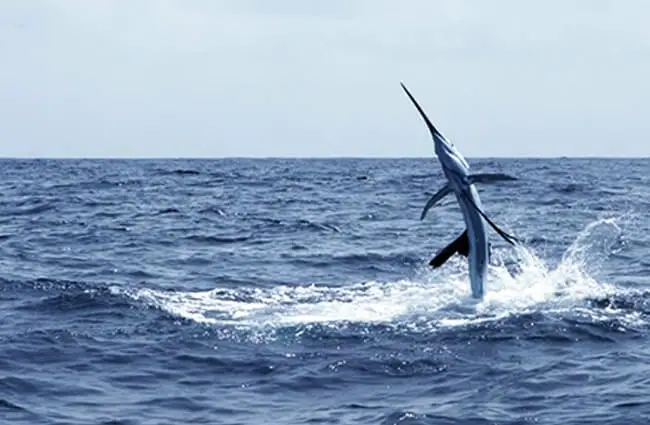
Life in the Fast Lane: Diet and Daily Habits
As an apex predator of the open ocean, the White Marlin possesses an impressive array of adaptations for hunting. Its streamlined body, powerful tail, and distinctive bill all contribute to its prowess as a formidable hunter. They are opportunistic feeders, preying on a variety of schooling fish, cephalopods, and even crustaceans. Their diet primarily consists of smaller pelagic fish such as mackerel, herring, flying fish, and squid. They are known to use their bills to stun or injure prey before consuming them, often slashing through schools of fish with incredible speed and precision.
Hunting Strategies
White Marlin are solitary hunters for the most part, but they can occasionally be observed feeding in loose aggregations when prey is abundant. Their hunting technique involves rapid bursts of speed, often exceeding 50 miles per hour, allowing them to ambush unsuspecting schools of fish. The bill, while not used for spearing, is an essential tool for stunning and disorienting prey, making it easier to capture. This combination of speed, agility, and a specialized feeding appendage makes the White Marlin an incredibly efficient predator, playing a crucial role in regulating populations of smaller marine species.
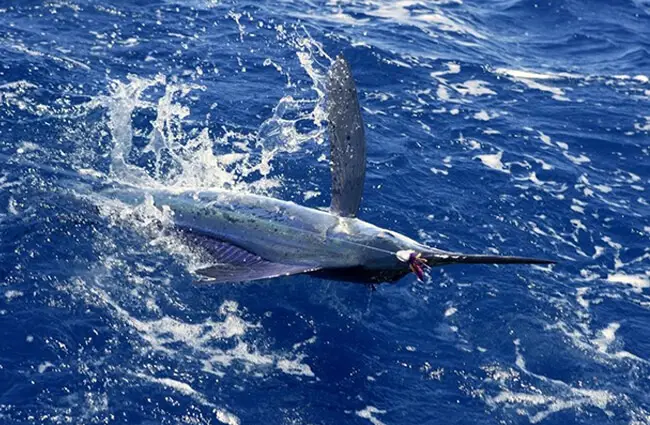
The Cycle of Life: Reproduction and Early Stages
The reproductive cycle of the White Marlin is a testament to the ocean’s vastness and its capacity for life. Spawning typically occurs in warmer tropical and subtropical waters, often in specific areas of the western Atlantic, such as the Gulf of Mexico and off the coast of Brazil, during the summer months. White Marlin are broadcast spawners, meaning females release millions of eggs into the water column, which are then externally fertilized by males. There is no parental care after spawning, with the survival of the offspring relying on sheer numbers and the vastness of the ocean.
From Larva to Leaper: Growth and Development
The fertilized eggs hatch into tiny larvae, which are planktonic and drift with ocean currents. These larvae are incredibly vulnerable, serving as food for a myriad of other marine organisms. Those that survive undergo rapid growth, developing their characteristic bill and fins. Juvenile White Marlin grow quickly, reaching sexual maturity within a few years. Their early life stages are critical for the species’ survival, and understanding these processes is vital for conservation efforts. The journey from a microscopic egg to a powerful, ocean-roaming predator is one of the most remarkable transformations in the marine world.
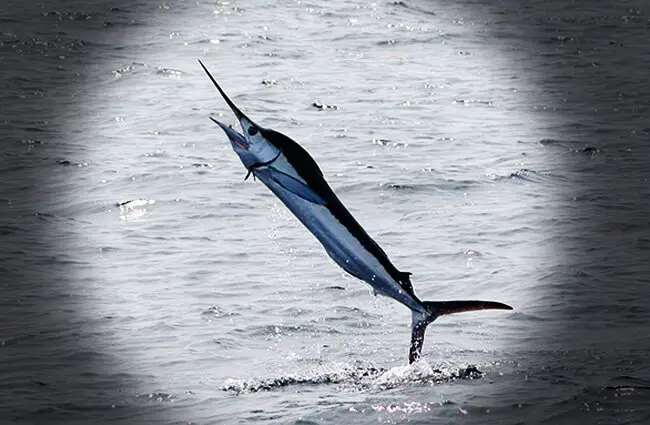
An Ancient Lineage: The Evolution of a Billfish
The lineage of billfish, including the White Marlin, stretches back millions of years, with fossil records indicating their presence in ancient oceans. These magnificent fish are believed to have evolved from a common ancestor with swordfish, diverging over time to develop their distinct characteristics. Their evolution is a story of adaptation to a pelagic, predatory lifestyle. The development of the elongated bill, the highly streamlined body, and the specialized musculature for rapid swimming are all evolutionary marvels that have allowed billfish to dominate their niche in the open ocean. Studying their evolutionary history provides insights into the long-term changes in marine ecosystems and the incredible diversity of life on Earth.
Adaptations for Speed and Survival
The White Marlin’s body is a masterclass in hydrodynamic efficiency. Its fusiform shape, retractable fins, and specialized scales minimize drag, allowing it to achieve astonishing speeds. The bill itself is not just a weapon but also helps to cut through the water, reducing resistance. Furthermore, their large eyes are adapted for excellent vision in the often dimly lit depths, aiding in prey detection. These adaptations, honed over millennia, underscore the White Marlin’s status as one of the ocean’s most perfectly engineered predators.
The Ocean’s Intricate Web: White Marlin’s Role in the Ecosystem
As an apex predator, the White Marlin plays a critical role in maintaining the health and balance of the Atlantic marine ecosystem. By preying on schooling fish and squid, they help to regulate the populations of these species, preventing overgrazing and ensuring a healthy food web. Their presence indicates a vibrant and productive ocean environment. Conversely, a decline in White Marlin populations can signal broader ecological issues, potentially leading to cascading effects throughout the food chain. Understanding these interactions is fundamental to appreciating the complex interconnectedness of marine life.
Interactions with Other Marine Life
While primarily a predator, the White Marlin also interacts with other marine species in various ways. They may compete with other large pelagic predators, such as tuna and sharks, for similar food sources. Younger White Marlin can fall prey to larger sharks and marine mammals. Their migratory patterns also influence the distribution and behavior of their prey, creating a dynamic interplay across vast oceanic regions. These interactions highlight the White Marlin’s integral position within the marine food web.
White Marlin and Humanity: A Complex Relationship
The White Marlin holds a significant place in human culture, particularly within the realm of sport fishing. Revered for its acrobatic leaps and powerful fights, it is a highly sought-after game fish, attracting anglers from around the globe to prestigious tournaments. This cultural appreciation has, however, also led to challenges for the species.
A Prize of the Deep: Sport Fishing and Culture
For many, catching a White Marlin is the pinnacle of offshore angling. Its beauty, strength, and elusiveness have cemented its status as a legendary game fish. Fishing tournaments dedicated to White Marlin not only generate significant economic activity but also foster a deep connection between humans and the marine environment. However, the popularity of White Marlin fishing has also raised concerns about its impact on populations, leading to a strong emphasis on catch and release practices and sustainable fishing guidelines.
Conservation Challenges and Efforts
Despite its popularity, the White Marlin faces significant threats. Overfishing, both from targeted sport fishing and, more critically, as bycatch in commercial longline fisheries targeting tuna and swordfish, has led to population declines. Habitat degradation, ocean pollution, and climate change also pose long-term risks. Consequently, the White Marlin is currently listed as ‘Vulnerable’ by the International Union for Conservation of Nature (IUCN). Conservation efforts are underway, including international agreements, fishing quotas, size limits, and the promotion of circle hooks to reduce mortality in catch and release fishing. These initiatives are crucial for ensuring the survival of this magnificent species for future generations.
Encountering a White Marlin: What You Need to Know
For the aspiring zoologist, the animal lover, or simply the curious observer, encountering a White Marlin in its natural habitat is an unforgettable experience. These fish are typically found in the open ocean, making sightings from a boat the most common way to observe them.
For the Aspiring Zoologist and Animal Lover
To find White Marlin in the wild, one must venture into the offshore waters of the Atlantic. They are often associated with temperature breaks, current lines, and areas where baitfish congregate. Observing their behavior, such as their distinctive leaps from the water, can provide valuable insights into their feeding habits and overall health. Aspiring zoologists can contribute to our understanding by participating in citizen science programs, reporting sightings, or supporting research initiatives focused on billfish ecology and migration patterns.
A Rare Sighting: What to Do if You Encounter One
If you are fortunate enough to encounter a White Marlin, whether from a boat or, in extremely rare circumstances, a stranded individual on a beach, the primary rule is to observe from a respectful distance. For a healthy, free-swimming marlin, simply enjoy the spectacle. Do not attempt to approach or interact with it. If you encounter a stranded or distressed White Marlin, which is an exceptionally rare event given their pelagic nature, it is best to contact local marine wildlife authorities or a stranding network immediately. Do not attempt to push it back into the water yourself, as these are powerful animals that can cause injury, and they often require specialized care to survive a stranding event.
The Unlikely Zookeeper: Challenges of Captivity
The idea of a zookeeper caring for a White Marlin in captivity presents a unique set of challenges, primarily because these magnificent fish are almost never successfully kept in aquariums. Their pelagic nature, immense size, and need for vast open spaces make them incredibly difficult, if not impossible, to house in a conventional captive environment.
Why White Marlin are Rarely Kept in Aquariums
White Marlin are built for speed and constant movement across vast oceanic distances. Replicating their natural habitat in an aquarium setting would require an enclosure of unprecedented scale, far larger than most existing public aquariums. They are also highly sensitive to confinement, often injuring themselves by colliding with tank walls. Their specialized diet of live, fast-moving prey is also challenging to provide consistently in captivity. The stress of capture and transport, combined with the inability to thrive in limited spaces, means that White Marlin typically do not survive long in aquariums, making their capture and display largely unethical and impractical.
Hypothetical Care: What Would Be Needed
If, hypothetically, a White Marlin were to be cared for in captivity, a zookeeper would face monumental tasks. These would include:
- Immense Enclosure: A tank of several million gallons, ideally circular or oval to prevent collisions, allowing for continuous swimming.
- Water Quality: Maintaining pristine, open-ocean water parameters, including specific salinity, temperature, and oxygen levels, with powerful filtration systems.
- Specialized Diet: Providing a constant supply of live, appropriate prey species, mimicking their natural diet of schooling fish and squid. This would require significant logistical and financial resources.
- Environmental Enrichment: Given their migratory nature, providing any form of enrichment beyond space itself would be challenging. Simulating currents or vast open spaces would be crucial.
- Veterinary Care: Developing specialized veterinary protocols for a large, fast-moving pelagic fish, including methods for examination, medication, and injury treatment without causing further stress.
What should be avoided at all costs is attempting to house a White Marlin in any enclosure that does not meet these extraordinary requirements. The ethical considerations surrounding the welfare of such a highly specialized and migratory species strongly argue against their long-term captivity in all but the most exceptional and research-focused circumstances, which are virtually non-existent for this species.
Fascinating Facts About the White Marlin
The White Marlin is a creature of endless intrigue. Here is a list of captivating facts that highlight its unique characteristics:
- Speed Demon: White Marlin are among the fastest fish in the ocean, capable of bursts of speed exceeding 50 miles per hour.
- Distinctive Dorsal Fin: Unlike other marlin species, the White Marlin has a noticeably rounded first dorsal fin, which helps in identification.
- Bill Function: Their bill is primarily used to stun or injure prey, not to spear it, allowing them to easily consume smaller fish and squid.
- Leaping Acrobats: White Marlin are famous for their spectacular aerial displays, often leaping high out of the water, especially when hooked by anglers.
- Sexual Dimorphism: Female White Marlin tend to grow larger than males.
- Long Migrations: They undertake extensive migrations across the Atlantic Ocean, traveling thousands of miles between feeding and spawning grounds.
- Opportunistic Predators: Their diet is varied, adapting to whatever schooling fish or cephalopods are abundant in their current location.
- Vulnerable Status: Due to fishing pressures, the White Marlin is classified as ‘Vulnerable’ by the IUCN, highlighting the need for conservation.
- Temperature Preference: They prefer warmer waters, typically found in areas with surface temperatures above 70 degrees Fahrenheit.
- Solitary Hunters: While they may gather in loose groups around abundant food sources, White Marlin are generally solitary hunters.
- Short-Lived: Compared to some other large marine species, White Marlin have a relatively short lifespan, typically living up to 10 to 12 years.
- Broadcast Spawners: Females release millions of eggs into the open water, relying on external fertilization and sheer numbers for offspring survival.
Conclusion
The White Marlin stands as a powerful symbol of the wild, untamed beauty of the Atlantic Ocean. From its elegant form and incredible speed to its vital role as an apex predator, every aspect of its life cycle speaks to the intricate balance of marine ecosystems. While it has long been revered in human culture, particularly in sport fishing, the challenges it faces underscore our responsibility to protect this magnificent species. By understanding its biology, appreciating its ecological significance, and supporting robust conservation efforts, we can ensure that the White Marlin continues to grace the open waters for generations to come, inspiring awe and reminding us of the profound wonders that lie beneath the waves.
![Closeup of a beautiful Red Angus cowPhoto by: U.S. Department of Agriculture [pubic domain]https://creativecommons.org/licenses/by/2.0/](https://animals.net/wp-content/uploads/2020/03/Red-Angus-4-238x178.jpg "Red Angus")


![Closeup of a beautiful Red Angus cowPhoto by: U.S. Department of Agriculture [pubic domain]https://creativecommons.org/licenses/by/2.0/](https://animals.net/wp-content/uploads/2020/03/Red-Angus-4-100x75.jpg "Red Angus")