The Black Pearl of Europe: Unveiling the Majestic Friesian Horse
In the vast tapestry of the animal kingdom, few creatures capture the imagination quite like the horse. Among them, one breed stands out with an almost mythical presence: the Friesian. With its striking ebony coat, flowing mane and tail, and powerful yet graceful build, the Friesian horse is often described as a “black pearl” or a “dancing horse.” Originating from the northern Netherlands, this magnificent equine has a history as rich and deep as its lustrous coat, captivating hearts from ancient battlefields to modern show rings. Join us on a journey to explore the captivating world of the Friesian, a breed that embodies strength, elegance, and an enduring spirit.
A Glimpse into the Friesian World: Basic Facts
For those new to the equine world, understanding the fundamental characteristics of the Friesian is the perfect starting point. This breed is instantly recognizable, not just for its color, but for a suite of features that make it truly unique.
Physical Characteristics: A Vision in Black
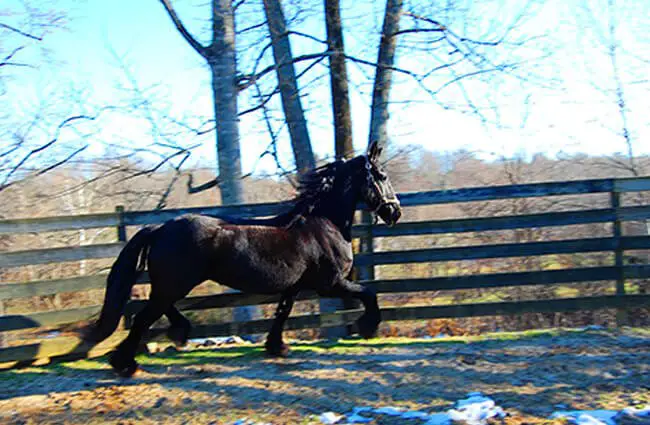
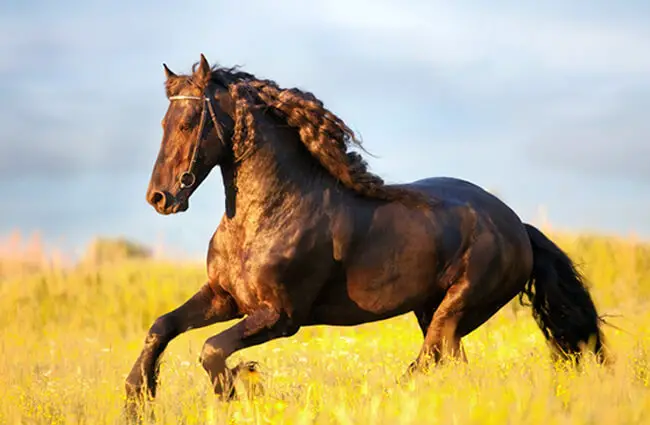
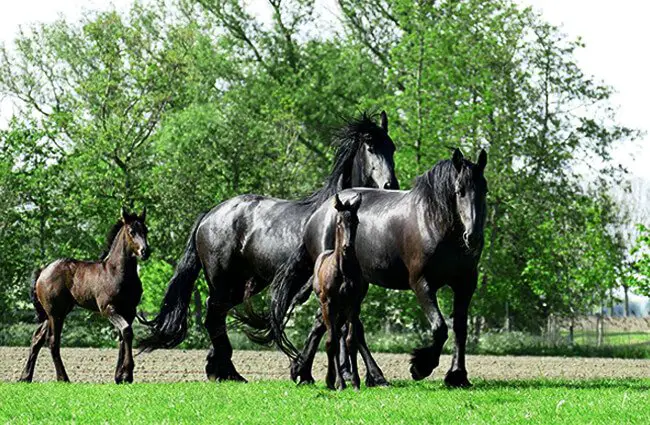
The Friesian horse is renowned for its breathtaking appearance. Typically standing between 15.3 and 17 hands (63 to 68 inches or 160 to 173 cm) at the shoulder, these horses possess a robust yet refined build. Their most distinguishing feature is their solid black coat, which is almost universally required for registration in the main studbooks. While a small white star on the forehead is sometimes permissible, any other white markings are generally considered undesirable.
Beyond color, Friesians boast a long, thick, and often wavy mane and tail, which are typically left unbraided to showcase their natural beauty. Perhaps equally iconic are the long, silky hairs, known as “feathering,” that adorn their lower legs, extending over the hooves. This feathering, combined with their powerful, high-stepping gait, gives them an aristocratic and almost fairytale-like presence. They have a noble head with small, alert ears, expressive eyes, and a strong, arched neck that flows into a powerful, muscular body.
Origins and Habitat: From Frisia’s Fields to Global Fame
The Friesian horse hails from the province of Friesland in the northern Netherlands. This region, characterized by its flat, fertile polders and a maritime climate, provided the ideal environment for the development of a strong, hardy, and versatile horse. While the Friesian’s ancestral “habitat” was the agricultural and often marshy lands of Frisia, it is crucial to understand that the Friesian is a domesticated breed. This means they are not found “in the wild” in the traditional sense, roaming untamed landscapes.
Today, Friesians thrive in managed environments across the globe. From private stables and equestrian centers to breeding farms and sanctuaries, their “habitat” is meticulously curated by humans. They adapt well to various climates, provided they receive appropriate shelter, nutrition, and care. Their robust constitution allows them to endure colder temperatures, but like all horses, they require protection from extreme weather and consistent human oversight.
Temperament: The Gentle Giant
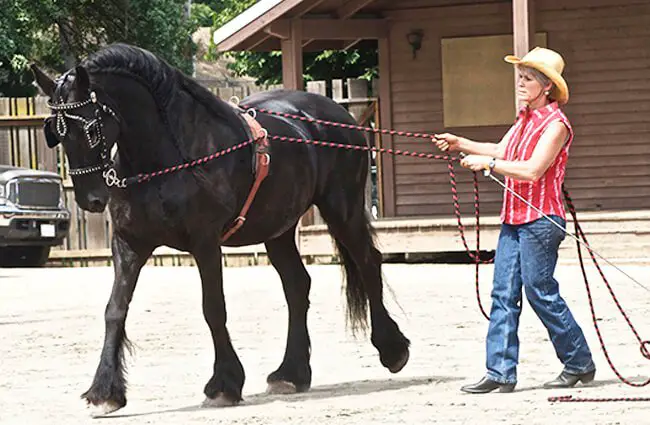
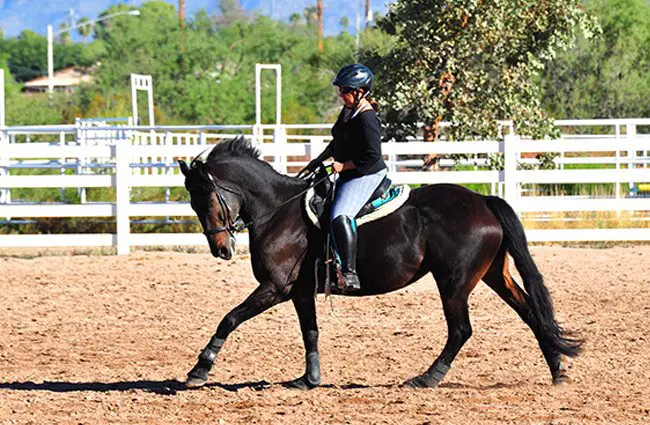
Beyond their stunning looks, the Friesian’s temperament is a significant part of its appeal. They are widely known for their gentle, willing, and intelligent nature. Often described as “cold-blooded” in terms of temperament (referring to their calm disposition, not their body temperature), they possess a remarkable calmness and eagerness to please. This makes them highly trainable and suitable for a wide range of riders, from experienced equestrians to those seeking a reliable and friendly companion.
Their docile yet spirited character allows them to excel in demanding disciplines like dressage, while also being dependable carriage horses and beloved family pets. They form strong bonds with their human handlers and are generally very sociable, making them a joy to work with and be around.
The Friesian Through Time: Evolution and History
The story of the Friesian horse is a testament to resilience, adaptation, and dedicated human stewardship. Its lineage stretches back centuries, intertwined with the history of Europe itself.
Ancient Roots: A Legacy of Strength
The Friesian is considered one of Europe’s oldest native horse breeds, with its ancestry traceable back to the ancient forest horses. Evidence suggests that horses resembling modern Friesians existed as far back as Roman times, used by the Roman cavalry. During the Middle Ages, their strength, stamina, and calm demeanor made them highly sought-after as warhorses. Knights favored them for their ability to carry heavy armor and riders into battle, while their agility allowed for effective maneuvering. They were instrumental in various European conflicts, proving their mettle on countless battlefields.
Over the centuries, the breed was influenced by various bloodlines, notably from Spanish horses introduced during the Eighty Years’ War (1568–1648). This infusion of “Andalusian” blood contributed to the Friesian’s elegant high-stepping gait and refined appearance, blending power with grace.
Near Extinction and Resurgence: A Story of Survival
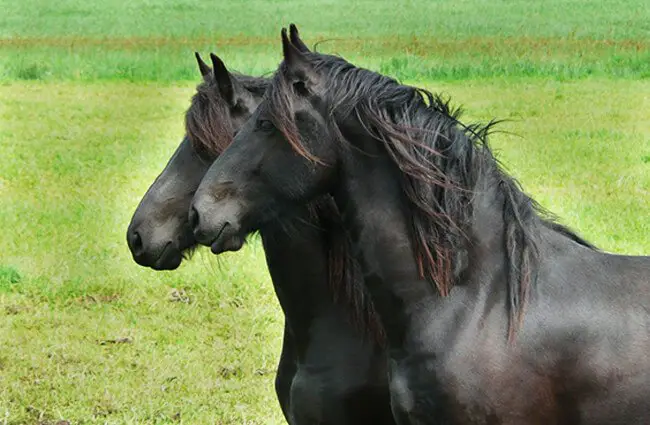
Despite their long and storied history, the Friesian breed faced several periods of severe decline, teetering on the brink of extinction. With the advent of firearms and lighter cavalry, their role as warhorses diminished. Later, the rise of industrialization and the demand for faster, lighter agricultural horses led to crossbreeding, diluting the pure Friesian bloodlines. By the early 20th century, the breed was in a perilous state. In 1913, only three purebred Friesian stallions were known to exist, a stark reminder of how close the breed came to vanishing forever.
Fortunately, dedicated breeders in Friesland recognized the unique value of these horses and embarked on a passionate mission to save them. The Koninklijk Friesch Paarden Stamboek (KFPS), or Royal Friesian Horse Studbook, established in 1879, played a pivotal role in this preservation effort. Through careful selection, meticulous breeding programs, and unwavering commitment, they slowly but surely brought the breed back from the brink. This resurgence is a powerful example of how human dedication can preserve invaluable animal heritage, ensuring that the majestic Friesian continues to grace our world.
Life of a Friesian: Diet, Reproduction, and Social Dynamics
Understanding the biological and social aspects of Friesian life provides deeper insight into their well-being and management.
Nourishing the Noble Steed: Diet and Nutrition
As large, active equines, Friesians require a carefully managed diet to maintain their health and magnificent physique. Historically, when they served primarily as farm horses, their diet would have consisted mainly of pasture grasses, hay, and perhaps some oats or other grains as energy supplements during heavy work seasons. In modern, managed environments, their diet is more precisely controlled.
The cornerstone of a Friesian’s diet, like all horses, is high-quality forage, primarily hay and/or pasture. This provides essential fiber for digestive health. Depending on their workload, age, and individual metabolism, this forage is supplemented with concentrates such as oats, barley, or commercially prepared feeds designed for performance or maintenance. It is crucial to provide a balanced diet rich in vitamins, minerals, and protein, often achieved through specialized feeds or supplements. Fresh, clean water must be available at all times. Overfeeding, especially with rich concentrates, can lead to health issues like laminitis or obesity, while underfeeding can result in poor condition and lack of energy. A veterinarian or equine nutritionist can provide tailored dietary advice.
The Cycle of Life: Mating and Reproduction
Friesian reproduction follows the typical equine pattern, but with a strong emphasis on selective breeding to maintain the breed’s purity and desirable traits. Mares typically reach sexual maturity around 2 to 3 years of age, though breeding is often delayed until they are physically mature, usually around 4 years old, to ensure their health and the well-being of the foal. Stallions are typically used for breeding from around 3 to 4 years of age, once they have been approved through rigorous inspections.
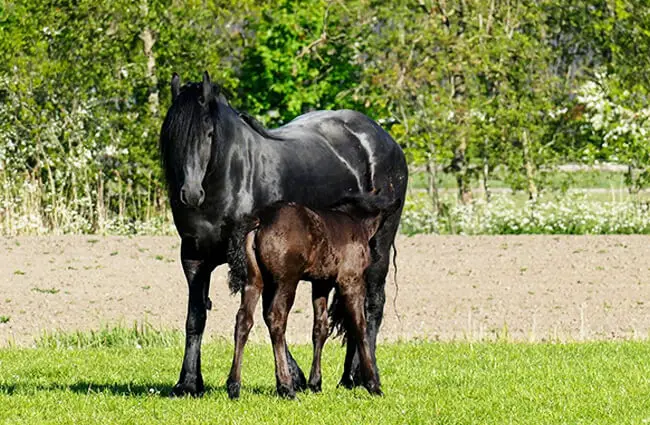
The breeding season for horses is generally spring and summer, influenced by longer daylight hours. Mares have an estrous cycle of approximately 21 days, with estrus (heat) lasting about 5-7 days. Gestation lasts for approximately 11 months (around 330-345 days). Friesian mares typically give birth to a single foal, though twins are rare and often problematic. Foaling usually occurs at night or in the early morning. The mare will seek a quiet, safe place to give birth. After birth, the mare is highly protective of her foal, which stands and nurses within an hour or two. Foals are weaned between 4 to 6 months of age, depending on their development and the mare’s condition. Responsible Friesian breeders prioritize genetic health, temperament, and conformation, adhering to strict studbook regulations to ensure the continued excellence of the breed.
Social Structures and Interactions: Herd Dynamics
Friesians, like all horses, are highly social animals. In a natural or semi-natural setting, they would live in herds with a defined social hierarchy, led by a dominant mare. This herd structure provides safety, facilitates learning, and fulfills their innate need for companionship. They communicate through a complex array of vocalizations, body language, and scent signals.
In managed environments, Friesians still thrive on social interaction. They benefit greatly from being housed with other equines, whether in pastures or adjacent stalls where they can see and touch each other. Isolation can lead to stress, anxiety, and behavioral problems. Their calm temperament generally makes them good companions for other horses, and they often integrate well into mixed herds. They also interact extensively with humans, forming strong bonds with their handlers and trainers, often displaying affection and trust.
Friesians and Their World: Ecosystem and Human Interaction
While domesticated, the Friesian horse has played a significant role in shaping human culture and, indirectly, interacting with managed ecosystems.
Ecological Footprint: More Than Just a Pretty Face
As a domesticated breed, Friesians do not contribute to wild ecosystems in the same way wild species do. However, their historical role in agriculture meant they were integral to the managed landscapes of the Netherlands and beyond. They helped cultivate fields, transport goods, and manage livestock, thereby influencing the flora and fauna of agricultural areas. Their grazing habits, while controlled, can contribute to pasture management, preventing overgrowth and promoting certain plant species. In modern settings, their “ecosystem contribution” is largely within the context of human-managed land, where they are part of a carefully balanced system of animal husbandry and land use.
A Partnership Through the Ages: Human-Friesian Bond
The relationship between humans and Friesian horses is one of deep partnership and mutual respect. From their early days as formidable warhorses, through their centuries of service as agricultural workhorses and elegant carriage horses, to their modern roles in sport and companionship, Friesians have consistently demonstrated their versatility and willingness to work alongside humans. Their intelligence and tractable nature make them highly responsive to training, forging strong bonds with their riders and drivers. This enduring partnership is a testament to the breed’s adaptability and the profound connection humans feel with these magnificent animals.
Cultural Contributions: Icons of Elegance
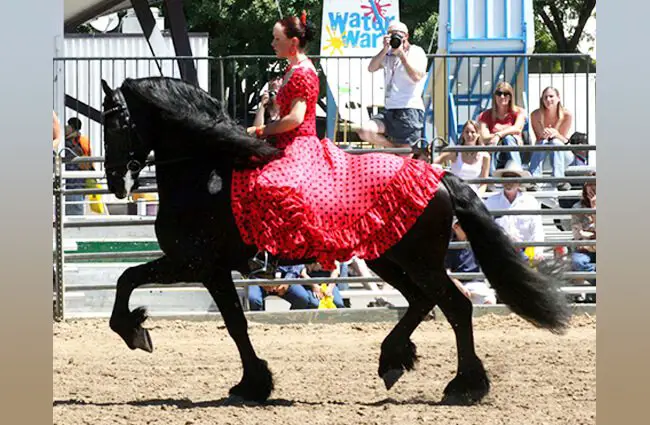
The Friesian horse’s striking appearance and graceful movements have made it a cultural icon. They are frequently featured in films, television shows, and historical reenactments, often chosen for their majestic presence that evokes a sense of fantasy and nobility. Their elegance makes them a favorite in parades, ceremonial events, and classical dressage performances, where their high-stepping gaits and flowing manes create a breathtaking spectacle. They are celebrated in art and literature, symbolizing strength, beauty, and grace. The Friesian is not just a horse, but a living piece of cultural heritage, embodying centuries of tradition and aesthetic appeal.
Practical Insights: For Enthusiasts and Professionals
Whether you are an aspiring zoologist, an animal lover, or a seasoned equestrian, understanding the practical aspects of Friesian interaction and care is invaluable.
Encountering a Friesian: What to Do (and Not Do)
It is important to reiterate that Friesian horses are domesticated animals. You will not “encounter” a wild Friesian roaming freely in a natural habitat. If you encounter a Friesian, it will be in a managed setting, such as a pasture, stable, or showground. Here is what to do:
- Always Ask Permission: If a Friesian is on private property, always seek permission from the owner or handler before approaching.
- Approach Calmly: Horses are sensitive to sudden movements and loud noises. Approach slowly, speaking in a soft, reassuring voice.
- Offer the Back of Your Hand: Extend the back of your hand for the horse to sniff. This allows them to identify you without the risk of nipping.
- Observe Body Language: Pay attention to the horse’s ears, eyes, and posture. Pinned ears, wide eyes, or a tense body indicate discomfort or aggression.
- Avoid Sudden Movements: Do not run, shout, or make any sudden gestures that might startle the horse.
- Do Not Feed Without Permission: Never offer food to a horse without the owner’s explicit permission, as some horses have dietary restrictions or can become nippy if accustomed to treats.
- Respect Their Space: Even friendly horses appreciate personal space. Avoid crowding them or getting directly behind them, as this is a blind spot.
Finding a Friesian: Where the Wild Things Aren’t
As established, Friesians are not found in the wild. If you are looking to find a Friesian, whether for research, ownership, or simply to admire, you will need to seek them out in specific human-controlled environments:
- Friesian Breeders: The most direct way to find Friesians is through reputable breeders. These individuals specialize in raising and selling Friesian horses and can provide extensive information about the breed.
- Equestrian Centers and Stables: Many riding schools, training facilities, and private stables house Friesians, especially those specializing in dressage or driving.
- Horse Shows and Exhibitions: Friesians are popular in various equestrian disciplines. Attending horse shows, particularly those focused on dressage, driving, or breed-specific events, is an excellent way to see many Friesians and meet their owners and trainers.
- Sanctuaries and Rescues: Occasionally, Friesians may be found in horse rescue organizations or sanctuaries, offering an opportunity to learn about their care and potentially offer support.
- Online Registries and Forums: Breed associations, like the KFPS, maintain online registries and often have forums or classifieds where Friesians are listed for sale or exhibition.
Caring for a Friesian: A Zookeeper’s Guide (and Owner’s)
Caring for a Friesian, whether in a zoo setting or a private stable, requires dedication and an understanding of their specific needs. Their health and well-being depend on consistent, high-quality care.
- Diet and Nutrition:
- High-Quality Forage: Provide ample amounts of good quality hay or pasture as the foundation of their diet.
- Balanced Concentrates: Supplement with commercially prepared horse feed appropriate for their age, weight, and activity level. Avoid sudden changes in feed.
- Fresh Water: Ensure constant access to clean, fresh water.
- Supplements: Consult with a veterinarian or equine nutritionist for any necessary vitamin or mineral supplements.
- Avoid: Overfeeding, especially sugary treats, which can lead to metabolic issues. Sudden dietary changes.
- Housing:
- Shelter: Provide adequate shelter from sun, rain, wind, and extreme temperatures. A run-in shed in a pasture or a well-ventilated stall is essential.
- Safe Fencing: Ensure pastures and enclosures have secure, visible fencing to prevent escapes and injuries.
- Ample Space: Friesians are large horses and require sufficient space to move around comfortably, whether in a stall or pasture.
- Avoid: Cramped, poorly ventilated stalls. Fencing with sharp edges or gaps.
- Grooming:
- Daily Brushing: Regular grooming is crucial to keep their black coat healthy and to check for any skin issues or injuries.
- Mane and Tail Care: Their long manes and tails require daily detangling and conditioning to prevent breakage and matting.
- Feathering Care: The extensive feathering on their legs needs special attention. Keep it clean and dry to prevent skin conditions like “mud fever” or “scratches.” Regular washing and thorough drying are essential, especially in wet conditions.
- Avoid: Neglecting feathering, which can lead to painful skin infections. Harsh brushes on sensitive areas.
- Exercise:
- Daily Turnout: Friesians need daily turnout in a safe pasture for physical and mental well-being.
- Regular Training: Consistent exercise and training appropriate for their age and fitness level are vital to maintain muscle tone and prevent boredom.
- Avoid: Prolonged confinement without exercise. Overworking or underworking.
- Veterinary Care:
- Routine Check-ups: Schedule regular veterinary examinations, including vaccinations and deworming.
- Dental Care: Annual dental floats are often necessary to ensure proper chewing and digestion.
- Hoof Care: Regular farrier visits (every 6-8 weeks) are critical for hoof health, especially given their heavy build.
- Avoid: Skipping routine veterinary or farrier appointments. Ignoring signs of illness or lameness.
- Social Needs:
- Companionship: Provide companionship with other equines whenever possible.
- Human Interaction: Regular, positive human interaction is important for their mental health and trainability.
- Avoid: Long periods of isolation. Harsh or inconsistent handling.
Fascinating Friesian Facts: Did You Know?
The Friesian horse is full of intriguing details that add to its allure. Here are some interesting facts:
- Color Strictness: The KFPS studbook, the primary registry for Friesians, traditionally only accepts horses with a solid black coat. Any other color, even a single white hair, usually disqualifies them from full registration.
- The Small Star: The only permissible white marking is a small star on the forehead, and even this is often viewed as less desirable for breeding stock.
- “Hairy Heels”: Their distinctive long feathering on the lower legs is a hallmark of the breed and requires meticulous care.
- High-Stepping Gait: Friesians are known for their powerful, animated, and high-stepping trot, which makes them particularly captivating in harness and under saddle.
- Dressage Darlings: Their natural athleticism, elegant movement, and willing temperament make them exceptional candidates for classical dressage.
- Hollywood Stars: Friesians have graced the silver screen in numerous films and television series, often cast as medieval warhorses or fantasy steeds due to their majestic appearance.
- Ancient Lineage: They are one of the oldest horse breeds in Europe, with a history spanning over a thousand years.
- Survival Story: The breed faced near extinction multiple times, most notably in the early 20th century, before dedicated breeders brought them back.
- Royal Studbook: The KFPS (Koninklijk Friesch Paarden Stamboek) is the oldest and most respected studbook for the Friesian horse, ensuring the breed’s purity and quality.
- “Black Pearls”: This affectionate nickname perfectly captures their beauty, rarity, and value in the equine world.
Conclusion: The Enduring Legacy of the Friesian
From the windswept fields of Friesland to the global stage of equestrian sports, the Friesian horse stands as a testament to natural beauty, historical endurance, and the profound bond between humans and animals. Its striking appearance, gentle disposition, and versatile talents have secured its place as one of the world’s most beloved and recognizable horse breeds. Whether admired for its historical significance, cherished for its companionship, or celebrated for its athletic prowess, the Friesian continues to captivate and inspire. As we continue to learn about and care for these magnificent “black pearls,” we ensure that their legacy of elegance and strength will endure for generations to come.
![Closeup of a beautiful Red Angus cowPhoto by: U.S. Department of Agriculture [pubic domain]https://creativecommons.org/licenses/by/2.0/](https://animals.net/wp-content/uploads/2020/03/Red-Angus-4-238x178.jpg "Red Angus")
![Closeup of a beautiful Red Angus cowPhoto by: U.S. Department of Agriculture [pubic domain]https://creativecommons.org/licenses/by/2.0/](https://animals.net/wp-content/uploads/2020/03/Red-Angus-4-100x75.jpg "Red Angus")