Unveiling the Pot Belly Pig: A Journey into the World of a Remarkable Swine
Often recognized by their distinctive sagging bellies and endearing snorts, the Pot Belly Pig, or Vietnamese Potbelly Pig, has captured the hearts and curiosity of many. Far from being just another farm animal, these intelligent and charismatic creatures offer a fascinating glimpse into the world of domesticated swine, with a rich history and complex behaviors that extend beyond their charming appearance. This comprehensive guide delves into every facet of the Pot Belly Pig, from its origins to its intricate interactions with humans and the environment, providing insights for enthusiasts, researchers, and anyone captivated by these unique animals.
The Basics: What is a Pot Belly Pig?
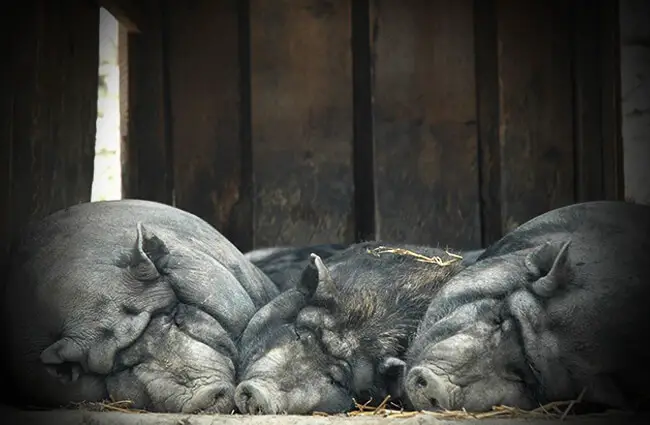
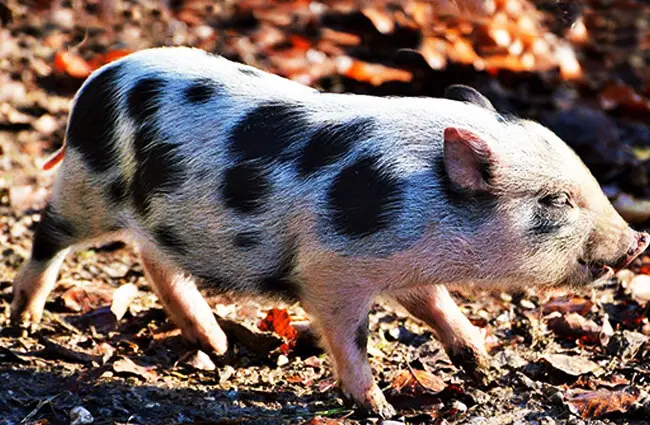
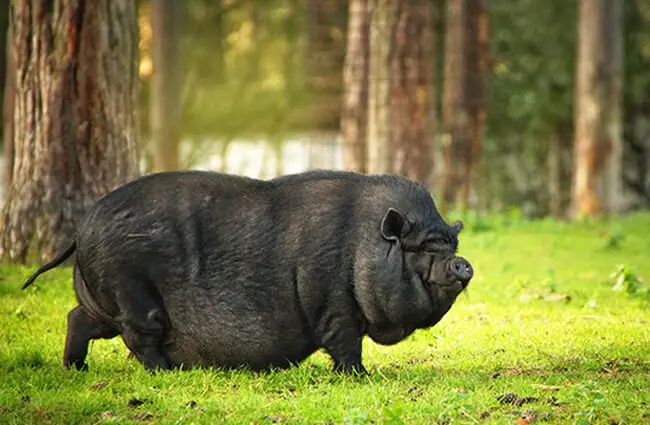
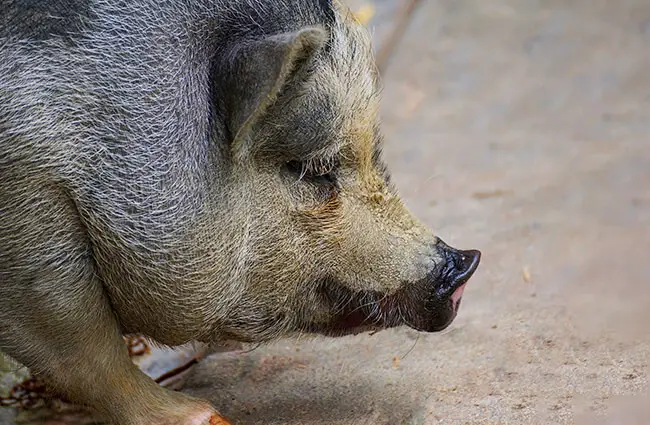
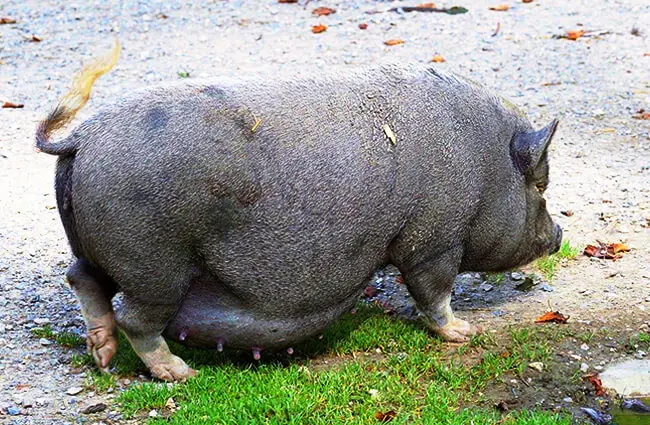
The Pot Belly Pig is a domesticated breed of pig originating from Vietnam. Unlike their larger farm counterparts, these pigs are characterized by their compact size, typically weighing between 70 and 200 pounds, though some can exceed this. Their most defining feature is the prominent, sagging belly that often nearly touches the ground, giving them their memorable name. They possess a straight tail, small erect ears, and a short snout, distinguishing them from the curly-tailed, long-snouted domestic pigs commonly seen in agriculture.
Their coat color varies widely, encompassing black, white, red, and various spotted patterns. Despite their robust appearance, Pot Belly Pigs are surprisingly agile and possess a keen intelligence, making them both intriguing subjects of study and beloved companions.
A Glimpse into Their Ancestry: Evolution and History
The Pot Belly Pig’s lineage traces back to the wild boars of Southeast Asia, specifically the Sus scrofa species. Over centuries, these wild ancestors were domesticated in Vietnam, selectively bred for their smaller size and docile temperament. This domestication process led to the development of the distinct characteristics observed today. While their wild relatives still roam forests, the Pot Belly Pig has evolved primarily under human care, adapting to environments shaped by human interaction rather than pristine wilderness.
Their journey from a regional Vietnamese breed to a global phenomenon began in the 1980s when they were introduced to Western countries, initially as zoo exhibits and later gaining popularity as companion animals. This relatively recent global spread highlights their adaptability and the human fascination with their unique qualities.
Where They Call Home: Habitat and Distribution
Given their domesticated status, the primary “habitat” of Pot Belly Pigs is within human-controlled environments. This includes farms, sanctuaries, and increasingly, suburban and urban homes as pets. They thrive in environments that offer shelter from extreme weather, access to food and water, and space for rooting and exploration.
While not native to the wild outside of their ancestral Southeast Asian range, feral populations of Pot Belly Pigs can occasionally be found in various parts of the world. These populations typically arise from escaped or abandoned domestic animals that have adapted to survive independently. Such feral groups often inhabit wooded areas, brushlands, and agricultural fringes, demonstrating a remarkable ability to revert to more natural behaviors when left to their own devices. However, encountering a true “wild” Pot Belly Pig in its original, undomesticated form is highly unlikely, as the breed itself is a product of domestication.
What’s on the Menu: The Pot Belly Pig Diet
Pot Belly Pigs are omnivores, meaning their natural diet consists of both plant and animal matter. In a natural or feral setting, their diet would be incredibly varied, reflecting their opportunistic foraging habits. This includes:
- Plant Material: Roots, tubers, grasses, leaves, fruits, nuts, seeds, and fungi. Their strong snouts are perfectly adapted for rooting through soil to uncover buried treasures.
- Invertebrates: Insects, worms, grubs, and other small soil-dwelling organisms.
- Small Vertebrates: Occasionally, they might consume small rodents, eggs, or carrion if available.
In captivity, their diet is carefully managed to ensure proper nutrition and prevent obesity, a common issue for these pigs. A typical captive diet includes:
- Specialized commercial pig pellets formulated for Pot Belly Pigs.
- Fresh vegetables (leafy greens, carrots, cucumbers, bell peppers).
- Limited amounts of fruit as treats.
- Plenty of fresh water.
It is crucial to avoid feeding them excessive amounts of high-sugar or high-fat foods, as well as human processed foods, which can lead to serious health problems.
Life’s Journey: Mating, Reproduction, and Piglet Care
Pot Belly Pigs reach sexual maturity relatively early, often between 3 to 6 months of age, though it is generally recommended to wait until they are older for breeding purposes to ensure their full physical development. The gestation period for a Pot Belly Pig sow is approximately 114 days, often remembered as “3 months, 3 weeks, 3 days.”
Sows typically give birth to litters ranging from 4 to 10 piglets, though litter size can vary. Piglets are born precocial, meaning they are relatively mature and mobile at birth. They are covered in fine hair and are capable of standing and nursing within minutes. The sow is highly protective of her young, creating a nest for them and providing constant care and nourishment.
Weaning usually occurs around 6 to 8 weeks of age, after which the piglets begin to consume solid food. Pot Belly Pigs can live for 15 to 20 years, or even longer with proper care, making them a significant long-term commitment for owners.
Social Dynamics and Communication
Pot Belly Pigs are highly social animals, both with their own kind and with humans. They form strong bonds and exhibit a complex range of behaviors and vocalizations. Their communication repertoire includes a variety of grunts, squeals, oinks, and snorts, each conveying different messages related to hunger, contentment, alarm, or social interaction. Body language also plays a significant role, with tail wags, ear movements, and rooting behaviors all contributing to their social dialogue.
In a group setting, they establish a clear social hierarchy, though this is often less aggressive than in larger domestic pig breeds. They enjoy mutual grooming, napping together, and engaging in playful interactions. Their intelligence allows them to learn quickly and respond to commands, further enhancing their social interactions with humans.
Ecological Footprint: Contribution to Ecosystems and Interaction with Other Animals
In their ancestral wild environments, and in feral populations, pigs play a role as ecosystem engineers. Their rooting behavior, while sometimes destructive to agriculture, aerates the soil, helps in seed dispersal, and unearths food sources for other animals. They can also influence plant community composition by consuming certain species and disturbing the ground for others to colonize.
However, it is important to note that feral pig populations, including those derived from Pot Belly Pigs, can have significant negative impacts on local ecosystems. They can destroy native vegetation, compete with native wildlife for food, prey on ground-nesting birds and small animals, and spread diseases. Their interaction with other animals in these contexts is often one of competition or predation, rather than harmonious coexistence.
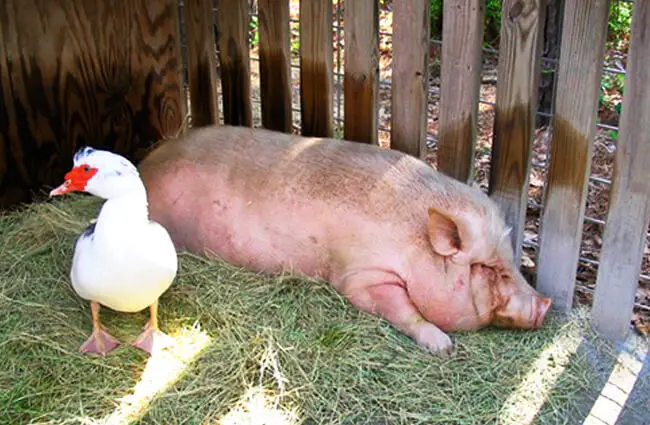
In controlled domestic settings, their ecological contribution is minimal, though they can interact peacefully with other domestic animals if properly introduced and supervised, as evidenced by their occasional companionship with ducks or other farm animals.
The Human Connection: Pot Belly Pigs in Culture and as Companions
The Pot Belly Pig’s journey into human culture is primarily as a companion animal. Their intelligence, trainability, and affectionate nature have made them popular pets, particularly in Western countries. They are often compared to dogs in their ability to form strong bonds with their human families, learn tricks, and even be house-trained.
Beyond companionship, they have also found roles in therapy and educational programs, leveraging their gentle demeanor and engaging presence to connect with people. Their distinct appearance has made them recognizable symbols, often appearing in media and art, representing charm and sometimes even stubbornness.
However, their popularity as pets has also led to challenges, as many owners underestimate their size, lifespan, and specific care requirements, leading to abandonment or surrender to sanctuaries. This highlights the importance of thorough research before bringing a Pot Belly Pig into a home.
Expert Insights: Navigating the World of Pot Belly Pigs
For the Aspiring Zoologist: Deeper Dives into Swine Biology
For those pursuing a deeper understanding of animal biology, the Pot Belly Pig offers an excellent model for studying domesticated species. Their genetic proximity to wild boars allows for comparative studies in behavior, physiology, and adaptation. Research areas can include:
- Cognitive Ethology: Investigating their problem-solving abilities, memory, and emotional intelligence.
- Nutritional Physiology: Understanding their digestive system and optimal dietary requirements, especially in relation to preventing common captive ailments like obesity and joint issues.
- Behavioral Ecology of Feral Populations: Studying how escaped domestic pigs adapt to wild environments, their impact on native flora and fauna, and their social structures in the absence of human intervention.
- Reproductive Biology: Detailed studies on hormonal cycles, breeding success, and maternal care in a domesticated context.
The Pot Belly Pig’s unique blend of wild ancestry and domesticated traits provides a rich field for scientific inquiry.
Encountering a Pot Belly Pig in the Wild: What to Do
While most Pot Belly Pigs are domesticated, encountering a feral one is a possibility in certain regions. If you encounter a Pot Belly Pig or a group of them in the wild, it is crucial to exercise caution and respect their space.
- Maintain Distance: Do not approach the animal. Feral pigs can be unpredictable, especially if they feel threatened or if a sow has piglets.
- Observe Quietly: Enjoy the sighting from a safe distance. Avoid sudden movements or loud noises that might startle them.
- Do Not Feed: Feeding wild or feral animals can lead to them associating humans with food, potentially causing them to become aggressive or dependent.
- Identify and Report: If you believe the pig is a lost pet, or if you encounter a large, potentially problematic feral population, contact local animal control or wildlife authorities. They can assess the situation and determine the appropriate course of action.
- Protect Yourself: If a pig appears aggressive or charges, make yourself look as large as possible and make noise. If necessary, climb a tree or stand on a large rock to get out of reach.
Remember, even though they are domesticated in origin, feral pigs can revert to wild instincts and should be treated with the same respect and caution as any wild animal.
A Zookeeper’s Guide: Caring for Pot Belly Pigs in Captivity
Caring for Pot Belly Pigs in a captive environment, such as a zoo or sanctuary, requires a comprehensive approach to meet their physical and psychological needs.
Essential Tasks for Zookeepers:
- Dietary Management:
- Provide a balanced diet of commercial Pot Belly Pig pellets, supplemented with fresh vegetables and limited fruits.
- Monitor weight regularly to prevent obesity, adjusting food portions as needed.
- Ensure constant access to fresh, clean water.
- Environmental Enrichment:
- Offer opportunities for rooting: provide a designated digging area with loose soil, sand, or wood chips.
- Introduce puzzle feeders and toys to stimulate their intelligence and prevent boredom.
- Provide wallows or mud puddles, especially in warm weather, for thermoregulation and skin health.
- Offer sturdy shelters for protection from elements and a comfortable resting area with bedding.
- Health Monitoring:
- Conduct daily visual checks for signs of illness or injury.
- Schedule regular veterinary check-ups, including vaccinations and deworming.
- Perform routine hoof trims and tusk trims (for males) to prevent overgrowth and associated problems.
- Monitor skin condition, as they can be prone to dry skin or sunburn.
- Socialization:
- If possible, house pigs in compatible social groups to allow for natural behaviors.
- Engage in regular positive human interaction to build trust and facilitate care.
- Hygiene:
- Keep enclosures clean to prevent disease.
- Provide opportunities for bathing or hosing down in hot weather.
What to Avoid:
- Overfeeding: This is the most common mistake and leads to severe health issues.
- Inappropriate Diet: Avoid feeding human junk food, excessive sugary treats, or foods toxic to pigs (e.g., avocado pits, chocolate, large amounts of salt).
- Lack of Enrichment: A bored pig can become destructive or develop behavioral problems.
- Isolation: Pigs are social; prolonged isolation can cause stress and anxiety.
- Neglecting Hoof and Tusk Care: Overgrown hooves and tusks can cause pain, mobility issues, and difficulty eating.
- Ignoring Behavioral Cues: Pigs communicate their needs; learn to interpret their vocalizations and body language.
A Huge List of Interesting Facts About Pot Belly Pigs
- Pot Belly Pigs are often referred to as “miniature” pigs, but this is a misnomer, as they are not truly miniature and can grow quite large.
- They are incredibly intelligent, often considered as smart as a 3-year-old human child or a dog.
- Pigs do not “sweat like a pig”; they have very few sweat glands and rely on wallowing in mud or water to cool down.
- Their sense of smell is highly developed, making them excellent foragers and even capable of truffle hunting.
- Pot Belly Pigs are naturally very clean animals and will typically choose a specific area away from their sleeping and eating spots for urination and defecation.
- They can be trained to walk on a leash, use a litter box, and perform various tricks.
- A group of pigs is called a “sounder.”
- Despite popular belief, pigs are not naturally aggressive, but like any animal, they can defend themselves if they feel threatened.
- Their tusks, which are elongated canine teeth, continue to grow throughout their lives, especially in males.
- Pot Belly Pigs communicate through a wide range of vocalizations, from soft grunts to loud squeals.
- They have an excellent memory and can remember people, places, and experiences for a long time.
- Pigs are known to dream, often twitching and making soft noises in their sleep.
- Their skin can be sensitive to sunburn, especially lighter-colored pigs, requiring protection in sunny environments.
- The average lifespan of a Pot Belly Pig is 15 to 20 years, but some have lived into their late 20s.
- They enjoy having their bellies rubbed, often flopping over for a good scratch.
- Pot Belly Pigs are known for their strong rooting instinct, which is a natural behavior for finding food and exploring their environment.
- They can form strong bonds with humans and other animals, displaying affection and loyalty.
- Their eyesight is not their strongest sense; they rely more on smell and hearing.
- Pot Belly Pigs are prone to obesity if overfed, which can lead to serious health complications like arthritis and heart disease.
- They are often used in scientific research due to their physiological similarities to humans.
Conclusion: The Enduring Charm of the Pot Belly Pig
From their humble origins in Vietnam to their status as beloved companions and fascinating subjects of study, Pot Belly Pigs continue to captivate and educate. Their intelligence, social complexity, and unique physical traits make them far more than just another animal. Understanding these remarkable creatures requires appreciating their history, respecting their needs, and recognizing their profound capacity for interaction. Whether observed in a sanctuary, studied in a classroom, or encountered in a carefully managed home, the Pot Belly Pig stands as a testament to the diverse and engaging world of domesticated animals, offering endless opportunities for learning and connection.
![Closeup of a beautiful Red Angus cowPhoto by: U.S. Department of Agriculture [pubic domain]https://creativecommons.org/licenses/by/2.0/](https://animals.net/wp-content/uploads/2020/03/Red-Angus-4-238x178.jpg "Red Angus")
![Closeup of a beautiful Red Angus cowPhoto by: U.S. Department of Agriculture [pubic domain]https://creativecommons.org/licenses/by/2.0/](https://animals.net/wp-content/uploads/2020/03/Red-Angus-4-100x75.jpg "Red Angus")