
The ocean holds many wonders, but few creatures command as much awe and respect as the Bluefin Tuna. These magnificent giants of the sea are not merely fish; they are living torpedoes, marvels of evolution, and vital components of marine ecosystems. From their incredible speed and vast migrations to their unique warm-blooded physiology, Bluefin Tuna represent the pinnacle of piscine adaptation. This article delves into the fascinating world of Bluefin Tuna, exploring their biology, behavior, ecological role, and complex relationship with humanity.
An Introduction to the Ocean’s Apex Predator
Bluefin Tuna belong to the genus Thunnus, a group of large, fast-swimming predatory fish. There are three main species recognized globally: the Atlantic Bluefin Tuna (Thunnus thynnus), the Pacific Bluefin Tuna (Thunnus orientalis), and the Southern Bluefin Tuna (Thunnus maccoyii). Each species occupies distinct, yet sometimes overlapping, oceanic territories, showcasing remarkable adaptations to their respective environments.
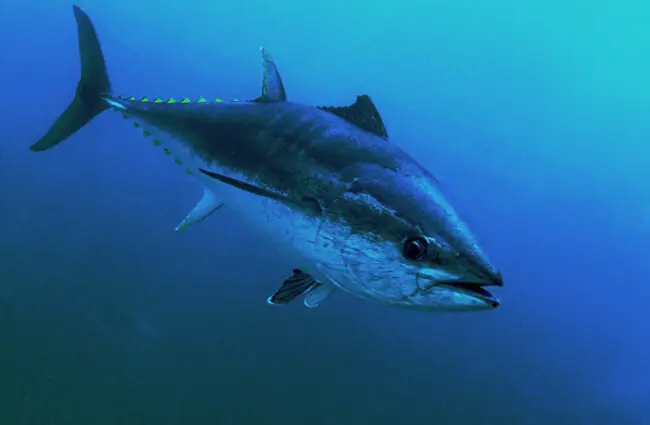
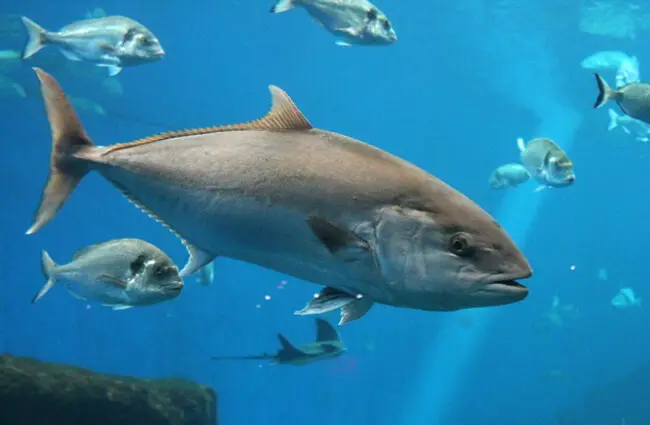
These fish are instantly recognizable by their sleek, torpedo-shaped bodies, designed for incredible hydrodynamic efficiency. Their dark metallic blue backs and silvery undersides provide excellent camouflage in the open ocean. Bluefin Tuna possess retractable fins, a crescent-shaped tail, and finlets along their backs and bellies, all contributing to their legendary speed and agility. They are among the largest and fastest bony fish, capable of reaching lengths over 10 feet and weights exceeding 1,500 pounds, with bursts of speed up to 45 miles per hour.
Perhaps their most extraordinary feature is their ability to regulate their body temperature. Unlike most fish, Bluefin Tuna are facultative endotherms, meaning they can maintain their core body temperature several degrees warmer than the surrounding water. This unique adaptation allows them to hunt in colder, deeper waters and gives them a significant advantage in terms of muscle efficiency and reaction time, making them formidable predators across vast oceanic expanses.
Bluefin Tuna’s Global Habitats and Epic Migrations
Bluefin Tuna are true ocean wanderers, inhabiting a wide range of marine environments across the world’s oceans. Their distribution is vast, reflecting their adaptability and migratory nature.
Where to Find These Oceanic Giants
- Atlantic Bluefin Tuna: Found throughout the North Atlantic Ocean, including the Gulf of Mexico, the Mediterranean Sea, and extending to the coasts of North America, Europe, and Africa. They are known for crossing the entire Atlantic Ocean.
- Pacific Bluefin Tuna: Primarily found in the northern Pacific Ocean, migrating between the coasts of Asia (Japan, Korea) and North America (California, Mexico).
- Southern Bluefin Tuna: Inhabit the southern hemisphere, primarily in the Indian, Pacific, and Atlantic Oceans, often found in temperate waters around Australia, New Zealand, and South Africa.
These fish are pelagic, meaning they live in the open ocean, far from coastal areas. They prefer temperate and tropical waters but can venture into colder regions thanks to their warm-blooded physiology. They are often found in areas with high productivity, such as upwelling zones or along continental shelves, where food is abundant.
The Grand Migratory Journeys
Bluefin Tuna are renowned for their incredible migratory patterns, traveling thousands of miles across oceans for feeding and spawning. These migrations are not random; they are driven by seasonal changes, water temperature, and the availability of prey. For instance, Atlantic Bluefin Tuna undertake transatlantic migrations, moving from feeding grounds off the North American coast or European coast to spawning grounds in the Gulf of Mexico or the Mediterranean Sea. These epic journeys highlight their endurance and navigational prowess, making them one of the most dynamic species in the marine world.
A Hunter’s Diet: What Fuels a Bluefin Tuna
As apex predators, Bluefin Tuna have a diverse and opportunistic diet, consuming a wide variety of marine life. Their diet is crucial for sustaining their massive size, high metabolism, and energetic lifestyle.
The Bluefin Menu
Their diet primarily consists of schooling fish, cephalopods, and crustaceans. Common prey items include:
- Fish: Mackerel, herring, sardines, anchovies, flying fish, and even smaller tuna species.
- Cephalopods: Squid and octopuses are significant components of their diet, especially in deeper waters.
- Crustaceans: Krill and other large zooplankton are consumed, particularly by younger tuna.
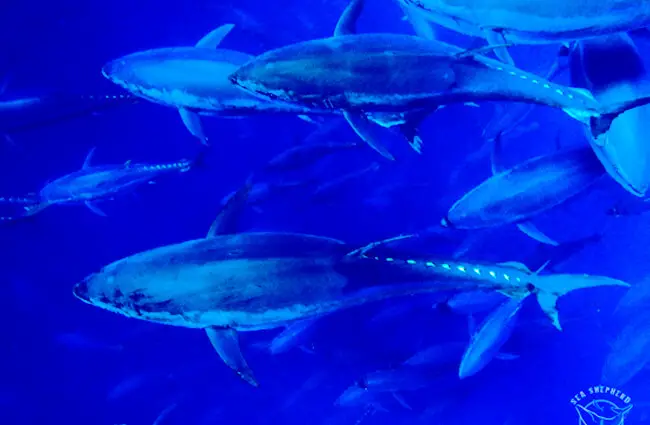
Bluefin Tuna are highly efficient hunters, often working in schools to corral prey. Their incredible speed and powerful jaws allow them to ambush and capture fast-moving targets. They use their keen eyesight and lateral line system to detect vibrations and movements in the water, making them incredibly effective at locating and pursuing their next meal.
The Circle of Life: Mating and Reproduction
The reproductive cycle of Bluefin Tuna is a remarkable feat of nature, involving long migrations to specific spawning grounds where conditions are optimal for the survival of their offspring.
Spawning Grounds and Rituals
Bluefin Tuna typically reach sexual maturity between 4 and 8 years of age, depending on the species. Spawning occurs in warm, temperate waters, often in large aggregations. For Atlantic Bluefin, key spawning areas include the Gulf of Mexico and the Mediterranean Sea. Pacific Bluefin spawn in areas like the Sea of Japan and off the coast of the Philippines.
During spawning, females release millions of tiny eggs into the water column, which are then fertilized externally by males. A single large female can produce tens of millions of eggs in a season, a strategy that compensates for the high mortality rates of larvae and juveniles.
From Egg to Juvenile
The fertilized eggs are pelagic, floating in the open ocean currents. They hatch within a few days, releasing tiny larvae that are highly vulnerable to predation. These larvae feed on zooplankton and grow rapidly. As they mature into juveniles, they begin to resemble miniature adults, forming schools and feeding on small fish and crustaceans. Survival rates are low in these early stages, but the sheer number of eggs produced ensures that enough individuals survive to replenish the population.
Bluefin Tuna’s Role in the Marine Ecosystem
As apex predators, Bluefin Tuna play a critical role in maintaining the health and balance of marine ecosystems. Their presence influences the populations of their prey and, in turn, impacts the entire food web.
Ecosystem Contributions
- Population Control: By preying on schooling fish like mackerel and herring, Bluefin Tuna help regulate the populations of these species, preventing overgrazing of plankton and maintaining a healthy balance within the food chain.
- Nutrient Cycling: Through their feeding and waste products, they contribute to the cycling of nutrients within the ocean, distributing organic matter across vast distances during their migrations.
- Indicator Species: The health and abundance of Bluefin Tuna populations can serve as an indicator of the overall health of the marine environment, reflecting the status of their prey species and the broader ecosystem.
Interactions with Other Animals
Bluefin Tuna interact with a variety of other marine animals. While they are top predators, they are not without their own threats. Large marine mammals, such as killer whales, and some large shark species may occasionally prey on Bluefin Tuna, particularly juveniles or weakened individuals. They also compete with other large predatory fish for food resources. Their schooling behavior, especially when hunting, can also attract other predators and seabirds, creating dynamic feeding frenzies in the open ocean.
Bluefin Tuna and Human Culture: A Complex Relationship
The relationship between Bluefin Tuna and humans is long, complex, and deeply intertwined with culture, economy, and conservation challenges.
A Culinary Delicacy and Economic Powerhouse
For centuries, Bluefin Tuna have been a prized catch for fishermen around the world. Their rich, fatty meat is considered a delicacy, particularly in Japanese cuisine, where it is highly sought after for sushi and sashimi. The demand for Bluefin Tuna, especially the fattiest cuts, has driven prices to extraordinary levels, making it one of the most valuable fish in the global market. This economic value has fueled extensive fishing industries, employing thousands of people and supporting coastal communities.

Conservation Challenges and Human Interaction
However, the high demand and efficient fishing methods have led to significant declines in Bluefin Tuna populations across all three species. Overfishing, coupled with their relatively slow growth to maturity and specific spawning requirements, has pushed some populations to critically low levels. This has led to intense international efforts to manage fisheries, implement quotas, and establish protected areas to allow populations to recover.
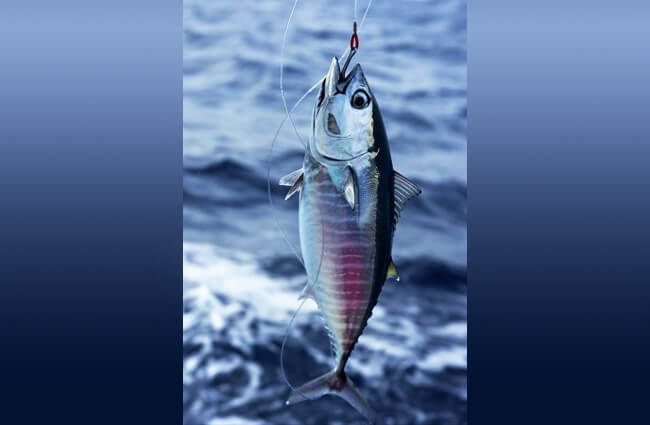
Human interaction with Bluefin Tuna today largely revolves around these conservation efforts. Scientists monitor populations, track migrations, and study their biology to inform sustainable management practices. Recreational fishing for Bluefin Tuna, while often catch-and-release, also contributes to their interaction with humans, providing thrilling experiences for anglers while raising awareness about their plight.
Interesting Facts About Bluefin Tuna
These majestic fish are full of surprises. Here is a compilation of fascinating facts that highlight their unique adaptations and behaviors:
- Warm-Blooded Wonder: Bluefin Tuna are one of the few fish species capable of maintaining a body temperature warmer than the surrounding water. This allows them to hunt efficiently in cold, deep waters.
- Incredible Speed: Their streamlined bodies and powerful muscles enable them to reach speeds of up to 45 miles per hour in short bursts, making them one of the fastest fish in the ocean.
- Transoceanic Travelers: Some Bluefin Tuna undertake epic migrations, crossing entire oceans, such as the Atlantic, in search of food and spawning grounds.
- Long Lifespan: Bluefin Tuna can live for an impressive 20 to 40 years, with some individuals potentially living even longer.
- Massive Spawners: A single large female Bluefin Tuna can release tens of millions of eggs in a single spawning season.
- Retractable Fins: They possess the ability to retract their dorsal and pectoral fins into grooves on their body, further reducing drag and increasing their hydrodynamic efficiency.
- Apex Predators: At the top of the marine food chain, they play a crucial role in regulating the populations of their prey species.
- Highly Prized: Bluefin Tuna are among the most valuable fish in the world, with individual fish fetching hundreds of thousands of dollars at auction, particularly in Japan.
Encountering Bluefin Tuna: For the Animal Lover and Aspiring Zoologist
For those fascinated by Bluefin Tuna, understanding how to observe them responsibly and what to do in an “encounter” is key.
Where and How to Find Bluefin Tuna in the Wild
Directly encountering a Bluefin Tuna in the wild, especially for a casual observer, is rare due to their pelagic nature. However, opportunities exist:
- Specific Regions: The best chances are in known feeding or spawning grounds. For Atlantic Bluefin, this includes the waters off New England in the summer and fall, or the Mediterranean Sea during spawning season. For Pacific Bluefin, off the coasts of California or Japan.
- Boat Tours: Specialized wildlife tours or fishing charters in these regions might offer opportunities to spot them, often during feeding frenzies where they breach the surface chasing baitfish.
- Aquariums: For a guaranteed sighting and close observation, visit large public aquariums that house Bluefin Tuna. These institutions often have dedicated exhibits that replicate their natural environment.
When observing from a boat, always maintain a respectful distance, avoid sudden movements or loud noises, and never attempt to interact with the fish. The goal is to observe without disturbing their natural behavior.
What to Do if You “Encounter” a Bluefin Tuna
Given their marine habitat, a “hiker” is unlikely to encounter a Bluefin Tuna in the traditional sense. However, if one were to spot a Bluefin Tuna from a boat or encounter one in a market or aquarium setting, here is what to consider:
- From a Vessel: If you are on a boat and spot Bluefin Tuna, maintain a safe and respectful distance. Observe quietly. Do not attempt to swim with them or feed them. Their power and speed make direct interaction dangerous for both the fish and the human.
- In a Market: If you encounter Bluefin Tuna for sale, consider the sustainability of your purchase. Look for certifications from organizations that promote sustainable fishing practices. This is a direct way to interact with the species’ conservation challenges.
- In an Aquarium: Enjoy the opportunity to observe these magnificent creatures up close. Support aquariums that participate in conservation and research efforts for marine species.
For aspiring zoologists, studying Bluefin Tuna offers a wealth of research opportunities, from understanding their physiology and migratory patterns to contributing to conservation science. Engage with marine biology programs, volunteer with research organizations, or pursue advanced degrees focusing on pelagic fish ecology.
Caring for Bluefin Tuna in Captivity: A Zookeeper’s Guide
Keeping Bluefin Tuna in captivity is an immense challenge, undertaken by only a handful of highly specialized aquariums worldwide. Their size, speed, and pelagic nature demand extraordinary resources and expertise.
Essential Tasks for a Zookeeper
- Massive Habitat Requirements: Bluefin Tuna require enormous, deep, circular tanks to accommodate their size and constant swimming. The tank must be free of sharp corners to prevent injury. Zookeepers must regularly monitor tank integrity and cleanliness.
- Pristine Water Quality: Maintaining optimal water parameters is paramount. This includes precise control of temperature, salinity, pH, dissolved oxygen, and ammonia/nitrite/nitrate levels. Advanced filtration systems and constant monitoring are essential.
- Specialized Diet and Feeding: Bluefin Tuna have a high metabolic rate and require a diet of high-quality, varied fish and squid, often supplemented with vitamins. Feeding must be carefully managed to ensure all individuals receive adequate nutrition without overfeeding or underfeeding.
- Health Monitoring: Regular health checks, including visual inspections for injuries or signs of disease, are critical. Behavioral changes, swimming patterns, and appetite are closely observed. Veterinary care for large marine fish is highly specialized.
- Environmental Enrichment: While their primary enrichment is the vast space and schooling behavior, zookeepers may introduce currents or varied feeding patterns to stimulate natural behaviors.
- Stress Reduction: Minimizing stress is crucial. This involves careful handling during transfers, maintaining a stable environment, and reducing sudden disturbances.
What to Avoid in Captive Care
- Small or Rectangular Tanks: These are completely unsuitable and will lead to stress, injury, and death due to their constant need to swim and their inability to navigate corners.
- Poor Water Quality: Fluctuations or degradation in water parameters will quickly lead to health issues and mortality.
- Inadequate Diet: A monotonous or nutritionally deficient diet will compromise their health and growth.
- Overcrowding: Too many individuals in a tank can lead to stress, aggression, and poor water quality.
- Sudden Changes: Abrupt changes in lighting, temperature, or tank mates can cause significant stress.
- Loud Noises or Vibrations: Bluefin Tuna are sensitive to their environment; excessive noise or vibrations can cause panic and injury.
Caring for Bluefin Tuna in captivity is a testament to advanced aquaculture and marine animal husbandry, providing invaluable opportunities for research and public education about these incredible, yet vulnerable, ocean giants.
Conclusion: Guardians of the Deep
The Bluefin Tuna stands as a powerful symbol of the ocean’s majesty and its fragility. From their ancient evolutionary lineage to their modern-day struggles with human impact, these fish embody the intricate balance of marine life. Understanding their biology, their epic journeys, and their vital role in the ecosystem is not just a scientific endeavor; it is a call to action. As we continue to learn more about these incredible creatures, our responsibility to protect them and their oceanic home grows ever clearer. By supporting sustainable practices and advocating for robust conservation efforts, humanity can ensure that the Bluefin Tuna continues its reign as a true guardian of the deep for generations to come.
![Closeup of a beautiful Red Angus cowPhoto by: U.S. Department of Agriculture [pubic domain]https://creativecommons.org/licenses/by/2.0/](https://animals.net/wp-content/uploads/2020/03/Red-Angus-4-238x178.jpg "Red Angus")

![Closeup of a beautiful Red Angus cowPhoto by: U.S. Department of Agriculture [pubic domain]https://creativecommons.org/licenses/by/2.0/](https://animals.net/wp-content/uploads/2020/03/Red-Angus-4-100x75.jpg "Red Angus")