Unmasking the Lone Star Tick: A Journey into the World of a Resilient Arachnid
Deep within the verdant landscapes of the eastern and southeastern United States, a tiny arachnid with a distinctive mark plays a surprisingly significant role in its ecosystem and, increasingly, in human lives. This is the Lone Star Tick, Amblyomma americanum, a creature often misunderstood but undeniably fascinating. From its unique hunting strategies to its profound impact on human health, understanding this resilient arthropod offers a window into the intricate web of nature.
For anyone venturing into the outdoors, from seasoned hikers to curious animal lovers, or for students and aspiring zoologists seeking to unravel the mysteries of the natural world, the Lone Star Tick presents a compelling subject. This comprehensive guide delves into its biology, behavior, ecological significance, and the crucial interactions it has with humans, providing detailed insights for a diverse audience.
Identifying the Lone Star Tick: A Star Among Arachnids
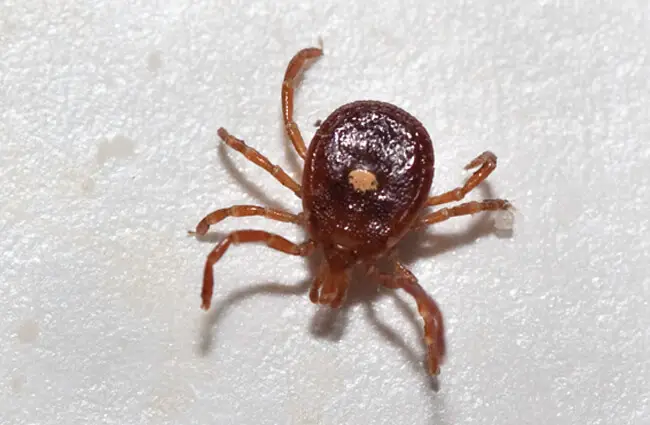
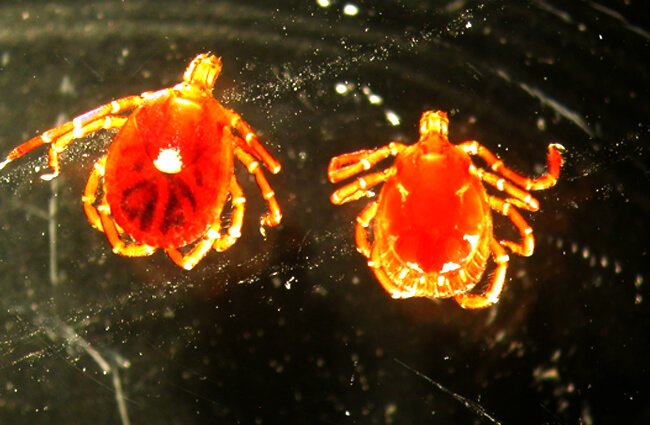
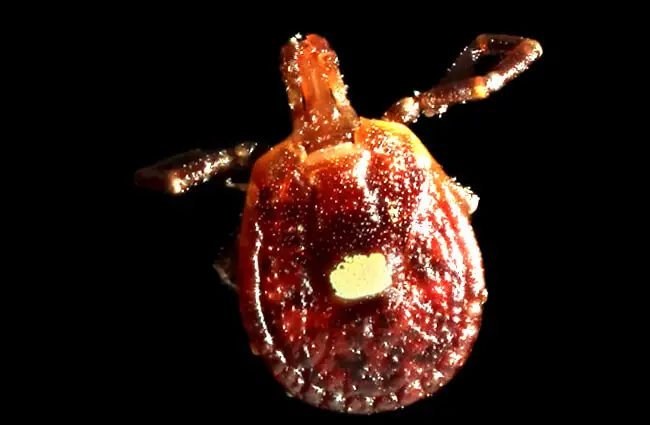
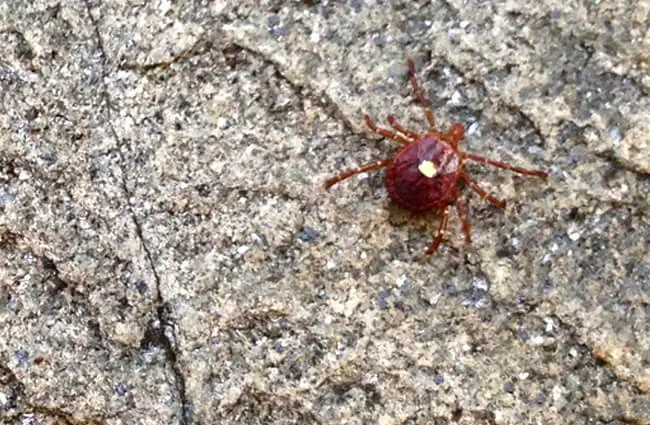
The Lone Star Tick is easily recognizable, particularly the adult female. Her most distinguishing feature is a prominent, solitary white or silvery spot located on the center of her dorsal shield, or scutum. This mark is what gives the species its evocative name. Males, while lacking this distinct spot, possess intricate patterns of white or yellowish markings along the edges of their scutum, which are less conspicuous but still unique. Both sexes are generally reddish-brown in color, and like all ticks, they are not insects but arachnids, meaning they have eight legs in their nymph and adult stages.
Larvae, often called “seed ticks,” are tiny, about the size of a poppy seed, and have only six legs. Nymphs are slightly larger, roughly the size of a pinhead, and possess eight legs. Their small size makes them particularly difficult to spot, yet they are just as capable of transmitting pathogens as their adult counterparts. When unfed, these ticks are flat and oval-shaped, but after a blood meal, they become engorged and balloon-like, turning a grayish-blue color.
Where the Stars Roam: Habitat and Distribution
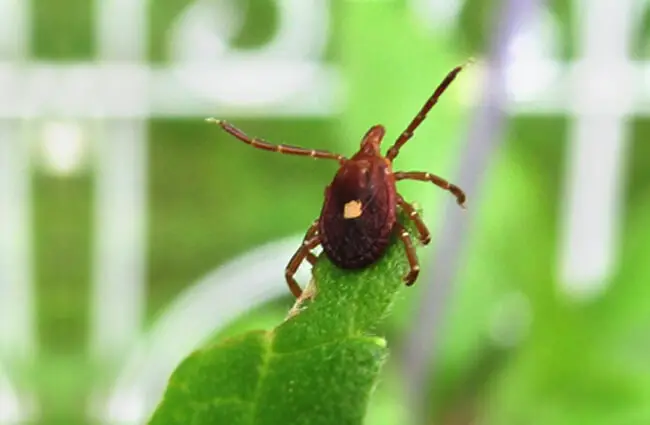
The Lone Star Tick thrives in warm, humid environments, making the eastern and southeastern United States its primary stronghold. Its range extends from Texas and Oklahoma eastward to the Atlantic coast, and as far north as Maine, though populations are denser in the southern states. They prefer wooded areas, particularly those with dense undergrowth, tall grasses, and leaf litter, which provide ideal conditions for questing and finding hosts. These habitats are common in forests, woodlands, overgrown fields, and even suburban parks and gardens that border natural areas.
These ticks are often found along paths, trails, and at the edges of clearings, where they can easily encounter passing animals or humans. Their presence is a strong indicator of a healthy, diverse ecosystem, as they rely on a variety of wildlife hosts to complete their life cycle. Understanding their preferred habitat is crucial for anyone looking to observe them in the wild or, more importantly, to avoid them.
The Life Cycle and Diet: A Three-Course Blood Meal
The Lone Star Tick undergoes a three-host life cycle, meaning each of its active stages (larva, nymph, and adult) requires a separate blood meal from a different host to molt and progress. This process typically spans about two years, though it can vary depending on environmental conditions and host availability.
- Larva (Seed Tick): After hatching from eggs laid on the ground, the six-legged larvae seek their first blood meal. They often feed on small mammals like squirrels, raccoons, and birds, but will readily attach to larger animals and humans. Once engorged, they drop off the host and molt into nymphs.
- Nymph: The eight-legged nymphs emerge and seek a second blood meal, often from medium-sized mammals such as deer, coyotes, or domestic animals. They are particularly aggressive biters and are responsible for a significant number of human bites. After feeding, they drop off and molt into adults.
- Adult: Adult Lone Star Ticks, both male and female, seek their final blood meal, primarily from large mammals like white-tailed deer, which are a crucial host for their reproduction. Females require a substantial blood meal to produce thousands of eggs. Males also feed but typically less extensively, often remaining on a host for longer periods to mate.
Their diet consists exclusively of blood, which provides the necessary nutrients and energy for growth, molting, and reproduction. This parasitic lifestyle is a testament to their evolutionary success, allowing them to tap into a readily available and nutrient-rich food source.
Mating and Reproduction: A Cycle of Life
The reproductive cycle of the Lone Star Tick is a fascinating display of biological efficiency. Mating typically occurs on the host animal, usually a large mammal like a deer. The male tick will seek out a feeding female, and after locating her, copulation takes place. The male often remains on the host, feeding intermittently and potentially mating with multiple females.
Once the female has mated and completed her final, engorging blood meal, she detaches from the host and drops to the ground. She then seeks a secluded, moist spot in the leaf litter or soil to lay her eggs. A single engorged female can lay an astonishing number of eggs, ranging from 3,000 to 6,000, in a single mass. After laying her eggs, the female tick dies, having completed her life’s purpose. The eggs hatch into larvae, and the cycle begins anew, perpetuating the species with remarkable fecundity.
Interaction with Humans: More Than Just a Nuisance
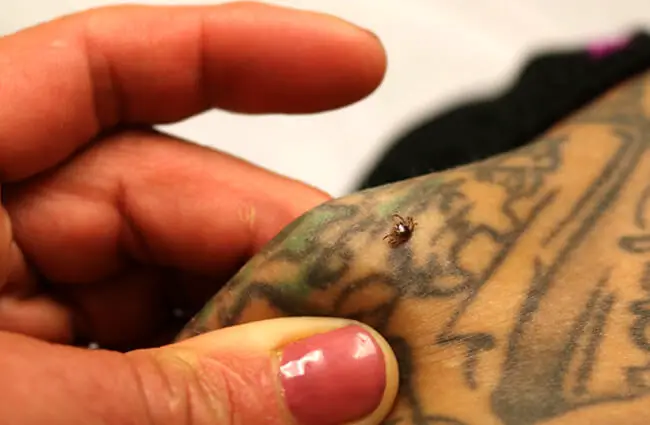
The Lone Star Tick is notorious for its aggressive biting behavior. Unlike some other tick species that wait patiently, Lone Star Ticks are known to actively pursue hosts, sometimes crawling several feet to reach a potential blood meal. Their bites are often itchy and can cause a localized rash, but the implications extend far beyond mere discomfort.
The most significant human interaction with the Lone Star Tick revolves around disease transmission and a unique allergic reaction. These ticks are vectors for several pathogens, including:
- Ehrlichiosis: Caused by bacteria, this disease can lead to fever, headache, muscle aches, and fatigue.
- STARI (Southern Tick-Associated Rash Illness): Characterized by a circular rash similar to Lyme disease, but caused by a different bacterium and generally less severe.
- Tularemia: A bacterial disease that can cause skin ulcers, swollen lymph nodes, and fever.
However, perhaps the most widely discussed and impactful interaction is the phenomenon of Alpha-gal Syndrome (AGS), also known as the “red meat allergy.” A bite from a Lone Star Tick can transmit a sugar molecule called alpha-gal into the human bloodstream. For some individuals, this triggers an immune response, leading to the production of antibodies against alpha-gal. Subsequently, consuming red meat (mammal meat, not poultry or fish) can provoke a delayed allergic reaction, ranging from hives and gastrointestinal distress to severe anaphylaxis. This unique allergy has significantly altered the dietary habits and outdoor experiences of countless individuals, marking a profound contribution to human culture in an unexpected way.
What to Do if You Encounter a Lone Star Tick
For hikers, animal lovers, and anyone spending time outdoors in endemic areas, vigilance is key. Here’s what to do:
- Prevention is paramount:
- Wear long pants and sleeves, tucking pants into socks.
- Use EPA-approved insect repellents containing DEET, picaridin, or permethrin (on clothing, not skin).
- Stay on marked trails and avoid dense vegetation.
- Tick Checks: After outdoor activities, perform thorough full-body tick checks on yourself, children, and pets. Pay close attention to hair, ears, armpits, groin, and behind the knees.
- If Bitten:
- Remove the tick promptly using fine-tipped tweezers. Grasp the tick as close to the skin’s surface as possible and pull upward with steady, even pressure.
- Do not twist or jerk the tick, as this can cause the mouthparts to break off and remain in the skin.
- Clean the bite area and your hands with rubbing alcohol or soap and water.
- Monitor the bite site for any rash or symptoms of illness. If you develop a rash, fever, or flu-like symptoms, consult a healthcare provider immediately and inform them of the tick bite.
- Be aware of the symptoms of Alpha-gal Syndrome, which can appear hours after consuming red meat.
The Lone Star Tick’s Place in the Ecosystem: More Than a Parasite
While often viewed through the lens of human health concerns, the Lone Star Tick plays a defined role within its ecosystem. As a parasite, it forms a crucial link in the food chain, providing sustenance for various predators. Birds, spiders, and certain insects are known to prey on ticks, helping to regulate their populations. Its reliance on a wide range of hosts, from small rodents to large deer, also highlights its interconnectedness with the broader animal community.
The presence and abundance of Lone Star Ticks can also serve as an indicator of ecosystem health, particularly concerning host populations. For instance, an increase in deer populations can often correlate with an increase in tick numbers, demonstrating the intricate balance between host and parasite. While their primary contribution is as a blood-feeding ectoparasite, their existence underscores the complex dynamics of predator-prey relationships and disease ecology in natural environments.
Evolutionary Journey: An Ancient Lineage
Ticks, including the Lone Star Tick, belong to the order Ixodida, a group of arachnids with an ancient lineage. Their evolutionary history stretches back millions of years, with fossil evidence suggesting their presence as far back as the Cretaceous period, coexisting with dinosaurs. This long evolutionary journey has allowed them to develop highly specialized adaptations for parasitism, including their unique mouthparts designed for piercing skin and feeding on blood, and their complex life cycles.
The Lone Star Tick, as a member of the hard tick family (Ixodidae), has evolved robust external plates (scutum) for protection and a remarkable ability to survive long periods without a blood meal. Their sensory organs, particularly their Haller’s organ located on their front legs, are exquisitely adapted to detect host cues such as carbon dioxide, body heat, and vibrations, enabling their effective questing behavior. This ancient heritage speaks to their enduring success as obligate parasites.
Fascinating Facts and Adaptations
- Aggressive Questers: Unlike some ticks that passively wait, Lone Star Ticks are known for their “questing” behavior, where they climb vegetation and extend their front legs, actively seeking out hosts. They can even crawl towards perceived hosts.
- “Seed Tick” Swarms: Larvae often hatch in large groups, leading to “seed tick” infestations where hundreds of tiny ticks may attach to a single host.
- Sensory Prowess: Their Haller’s organ is a sophisticated sensory pit on their front tarsi, capable of detecting changes in temperature, humidity, and carbon dioxide, guiding them to potential hosts.
- Long-Lived Without Food: Lone Star Ticks can survive for extended periods, sometimes over a year, without a blood meal, patiently waiting for a host.
- Expanding Range: Climate change and changes in host animal populations, particularly deer, are contributing to the northward expansion of the Lone Star Tick’s range.
For the Aspiring Zoologist: Deeper Dives and Research Frontiers
For those considering a career in zoology or entomology, the Lone Star Tick offers a wealth of research opportunities. Studying this species involves understanding complex ecological interactions, disease epidemiology, and physiological adaptations. Key areas of interest include:
- Host-Parasite Dynamics: Investigating the specific cues that attract ticks to different hosts, the immunological responses of hosts to tick bites, and how tick populations are regulated by host availability and resistance.
- Pathogen Transmission: Researching the mechanisms by which ticks acquire, maintain, and transmit pathogens, including the role of tick saliva in modulating host immune responses to facilitate infection.
- Alpha-gal Syndrome Research: Unraveling the precise biochemical pathways that lead to the development of the alpha-gal allergy, identifying genetic predispositions in humans, and developing potential treatments or vaccines.
- Tick Control Strategies: Exploring environmentally sound methods for tick population control, including biological controls, habitat modification, and novel repellents.
- Climate Change Impacts: Monitoring the expansion of the Lone Star Tick’s geographical range and predicting future distributions based on climate models and host movements.
Understanding these aspects requires a multidisciplinary approach, combining field ecology, molecular biology, immunology, and public health. The Lone Star Tick serves as an excellent model organism for studying vector-borne diseases and the intricate relationships between parasites, hosts, and their environment.
A Zookeeper’s Hypothetical Challenge: Caring for a Lone Star Tick
While Lone Star Ticks are not typically found in zoological collections for public display, a research facility or specialized entomology lab might maintain them for scientific study. Caring for a parasitic organism like the Lone Star Tick in captivity presents unique challenges:
- Host Provision: The most critical task is providing appropriate blood meals for each life stage. This often involves ethical considerations and careful management of laboratory animals (e.g., rabbits, guinea pigs) as hosts, or the use of artificial feeding systems. Strict protocols for animal welfare and veterinary care for host animals would be paramount.
- Environmental Control: Replicating their natural habitat’s temperature and humidity is essential for tick survival, molting, and reproduction. Incubators and controlled environmental chambers would be necessary to maintain optimal conditions.
- Disease Management: Preventing the spread of any potential pathogens the ticks might carry, both to the host animals and to human handlers, is crucial. This requires stringent biosecurity measures, including personal protective equipment and sterile handling techniques.
- Life Cycle Management: Zookeepers or technicians would need to meticulously track the development of each tick stage, ensuring proper conditions for molting and egg-laying. This includes separating engorged ticks to drop off and lay eggs, and collecting larvae for subsequent feeding.
- Ethical Considerations: The ethical implications of maintaining a parasitic organism and using live hosts for feeding must be carefully considered and adhere to all animal welfare regulations.
Such a role would demand a deep understanding of tick biology, meticulous attention to detail, and a strong commitment to ethical animal care, making it a highly specialized and demanding undertaking.
Conclusion: Respecting the Resilient Lone Star
The Lone Star Tick, with its distinctive mark and aggressive nature, is far more than just a nuisance. It is a testament to nature’s intricate design, an ancient survivor with a complex life cycle and a significant ecological footprint. From its role in the food web to its unexpected impact on human health and culture through Alpha-gal Syndrome, this tiny arachnid commands our attention and respect.
By understanding its biology, habitat, and behaviors, we can better navigate our shared environments, protect ourselves, and appreciate the delicate balance of the natural world. Whether you are a student delving into research, a hiker exploring the wilderness, or simply an observer of life’s wonders, the Lone Star Tick offers a compelling narrative of adaptation, survival, and interaction within our vibrant ecosystems.
![Closeup of a beautiful Red Angus cowPhoto by: U.S. Department of Agriculture [pubic domain]https://creativecommons.org/licenses/by/2.0/](https://animals.net/wp-content/uploads/2020/03/Red-Angus-4-100x75.jpg "Red Angus")