Often dubbed the “water wolf” or “freshwater shark,” the Northern Pike (Esox lucius) is a creature of legend and a formidable apex predator in its aquatic domain. With its torpedo-shaped body, razor-sharp teeth, and an insatiable appetite, this fish commands respect and fascination across its vast range. Far more than just a trophy for anglers, the Northern Pike plays a crucial role in freshwater ecosystems, boasting a rich evolutionary history and a complex life cycle that makes it a truly captivating subject for naturalists, scientists, and casual observers alike.
The Anatomy of an Apex Predator: What is a Northern Pike?
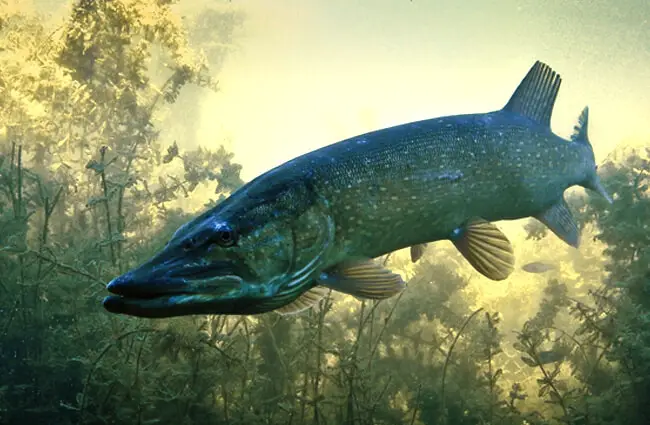
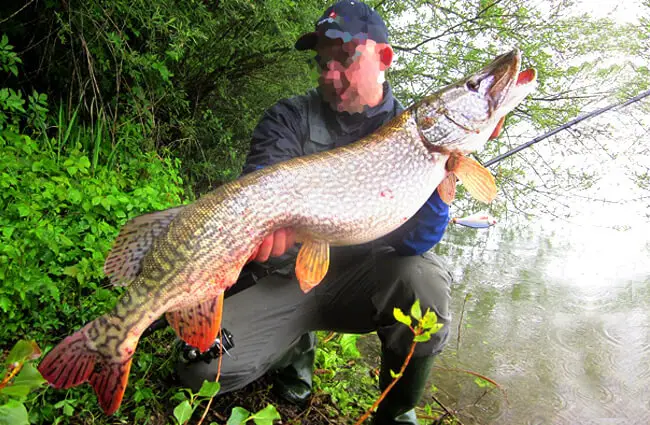
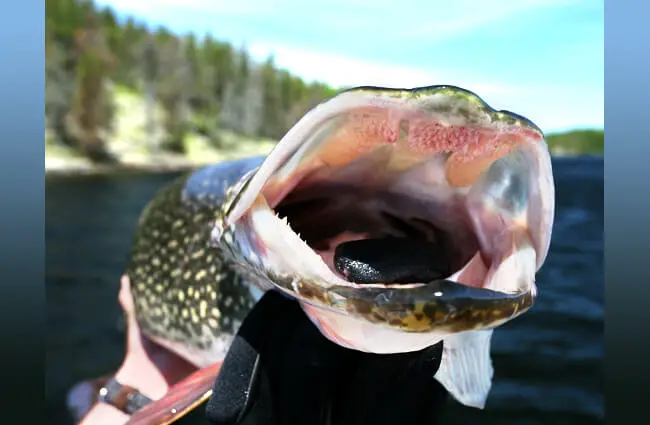
The Northern Pike is instantly recognizable. Its elongated, olive-green body, often adorned with lighter, bean-shaped spots, provides excellent camouflage amidst aquatic vegetation. This coloration allows it to blend seamlessly into its surroundings, a vital asset for an ambush predator. The dorsal fin is set far back on its body, close to the caudal (tail) fin, a design that enables explosive bursts of speed for striking prey. Perhaps its most striking feature is its large, duck-bill shaped mouth, armed with hundreds of needle-sharp teeth angled inwards to prevent prey from escaping. These teeth are not just on the jaws, but also on the roof of the mouth and even the tongue, making escape nearly impossible once a pike has clamped down.
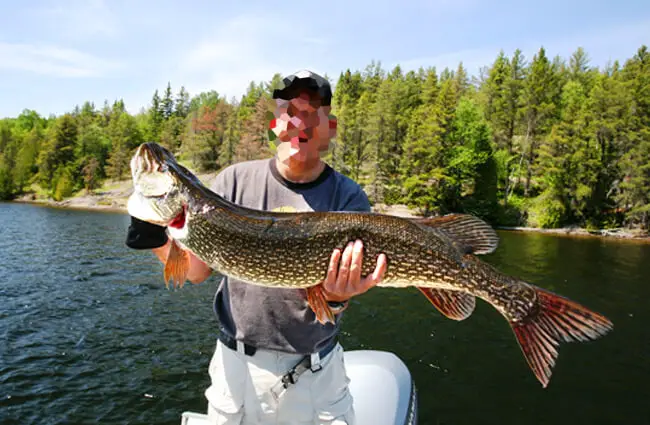
Size can vary significantly, but Northern Pike are known for their impressive dimensions. While average adults typically range from 18 to 30 inches (45 to 75 cm) and weigh between 2 to 10 pounds (1 to 4.5 kg), specimens exceeding 40 inches (100 cm) and weighing over 20 pounds (9 kg) are not uncommon. The largest recorded individuals have pushed past 50 inches (127 cm) and exceeded 50 pounds (22 kg), truly earning their “monster” moniker.
A Journey Through Time: The Evolutionary History of the Pike
The lineage of the Northern Pike is ancient, tracing back millions of years. Belonging to the family Esocidae, which includes other pike and pickerel species, Esox lucius represents a highly successful evolutionary design. Fossil records indicate that fish resembling modern pike have existed since the Eocene epoch, roughly 56 to 34 million years ago. This long evolutionary journey has refined their predatory adaptations, allowing them to thrive in diverse freshwater environments across the Northern Hemisphere. Their body plan, optimized for ambush hunting, has remained largely unchanged over millennia, a testament to its effectiveness.
Where the Water Wolf Roams: Northern Pike Habitat
The Northern Pike boasts one of the widest distributions of any freshwater fish in the world. Its range spans across North America, Europe, and Asia, primarily in the northern temperate and subarctic regions. This adaptability allows it to inhabit a variety of aquatic environments, though it shows distinct preferences.
Preferred Environments:
- Lakes and Ponds: Pike thrive in large, shallow lakes and ponds with abundant aquatic vegetation. These weed beds provide ideal ambush points and cover for both hunting and avoiding larger predators when young.
- Rivers and Streams: They are also found in slow-moving rivers and streams, particularly in areas with backwaters, oxbows, and submerged structures.
- Marshes and Wetlands: During spawning season, they often migrate into flooded marshes and shallow wetlands.
Key Habitat Characteristics:
- Vegetation: Dense beds of submerged and emergent plants (like lily pads, cattails, and pondweed) are crucial for camouflage and hunting.
- Water Temperature: Pike are coldwater fish, preferring temperatures between 50 and 70 degrees Fahrenheit (10 to 21 degrees Celsius), though they can tolerate a wider range.
- Water Clarity: They can adapt to various water clarities, from clear lakes to murky rivers, as long as cover is available.
- Depth: While often found in shallower waters, larger pike will retreat to deeper, cooler areas during hot summer months.
For an animal lover hoping to find a Northern Pike in the wild, the best strategy involves seeking out these types of environments. Look for clear to moderately turbid waters with significant weed growth, especially near drop-offs, submerged logs, or rocky structures. Early mornings or late evenings are often prime times for observation, as pike can be more active in lower light conditions.
The Apex Predator’s Menu: What Northern Pike Eat
The Northern Pike is an opportunistic and voracious carnivore, earning its reputation as a top-tier predator. Its diet is incredibly diverse and largely dictated by what is available in its environment, as well as its own size.
Dietary Progression:
- Young Pike: Hatchlings initially feed on zooplankton. As they grow, their diet quickly shifts to aquatic insects, insect larvae, and small crustaceans.
- Juvenile Pike: Once they reach a few inches in length, their diet expands to include small fish, such as minnows, perch, and juvenile panfish.
- Adult Pike: Mature pike are primarily piscivorous, meaning they eat other fish. Their menu includes almost any fish species present in their habitat, including:
- Perch
- Suckers
- Cisco
- Walleye
- Bass
- Trout
- Even other smaller pike (cannibalism is common, especially when food is scarce).
Beyond Fish:
While fish form the bulk of their diet, large pike are not shy about preying on other animals that venture into or near the water. This can include:
- Frogs
- Salamanders
- Small mammals (like voles or shrews)
- Ducklings and other waterfowl chicks
- Even snakes
Hunting Strategy:
Pike are classic ambush predators. They lie motionless, often camouflaged within weed beds or against submerged structures, waiting for unsuspecting prey to swim by. When a target is within striking distance, they unleash an explosive burst of speed, lunging forward to seize their meal with their powerful jaws. They typically swallow their prey headfirst, a strategy that helps to fold fins and streamline the meal for easier digestion.
Life’s Cycle: Mating, Reproduction, and Growth
The reproductive cycle of the Northern Pike is a fascinating annual event, crucial for the continuation of the species and the health of the ecosystem.
Spawning Process:
- Timing: Spawning typically occurs in early spring, shortly after ice-out, when water temperatures reach between 40 and 52 degrees Fahrenheit (4 to 11 degrees Celsius).
- Location: Pike migrate from deeper waters into shallow, flooded areas such as marshes, wetlands, and flooded grassy margins of lakes and rivers. These areas provide abundant vegetation for egg attachment and protection for the vulnerable fry.
- Behavior: Spawning involves multiple males pursuing a single female. The female releases her eggs in batches, which are then fertilized by the males. There is no parental care after the eggs are laid.
- Eggs: The eggs are adhesive and stick to submerged vegetation. A single large female can lay tens of thousands to hundreds of thousands of eggs, though survival rates for individual eggs are low.
Hatching and Growth:
- Hatching: Depending on water temperature, eggs hatch within 10 to 30 days. The newly hatched fry, known as “sac fry,” carry a yolk sac that provides initial nourishment.
- Development: Once the yolk sac is absorbed, the fry begin to feed on zooplankton and quickly transition to insect larvae and small fish. Growth is rapid, especially in environments with abundant food.
- Maturity: Northern Pike typically reach sexual maturity between 2 to
![Closeup of a beautiful Red Angus cowPhoto by: U.S. Department of Agriculture [pubic domain]https://creativecommons.org/licenses/by/2.0/](https://animals.net/wp-content/uploads/2020/03/Red-Angus-4-238x178.jpg "Red Angus")
![Closeup of a beautiful Red Angus cowPhoto by: U.S. Department of Agriculture [pubic domain]https://creativecommons.org/licenses/by/2.0/](https://animals.net/wp-content/uploads/2020/03/Red-Angus-4-100x75.jpg "Red Angus")