
The Coho Salmon, often hailed as the “Silver Salmon” for its dazzling, chrome-like scales, is far more than just a beautiful fish. It is an aquatic marvel, a testament to nature’s enduring cycles, and a vital thread in the intricate tapestry of Pacific ecosystems. From its incredible migrations to its crucial role in nutrient cycling, the Coho Salmon embodies resilience and the wild spirit of the Pacific Northwest. Join us on a deep dive into the fascinating world of this remarkable species, exploring its life, its challenges, and its profound connection to our world.
Meet the Coho Salmon: A Glimpse into its World
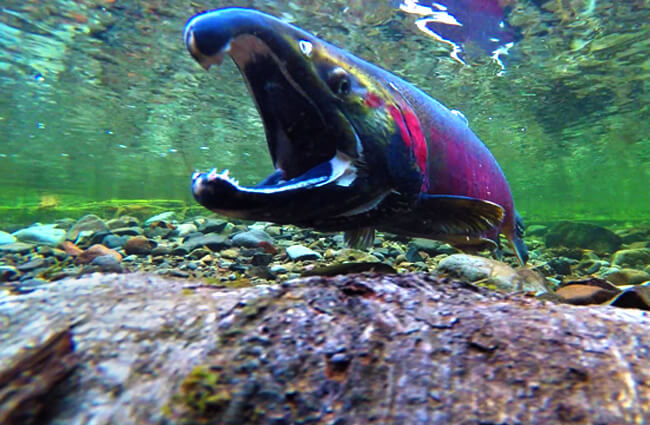
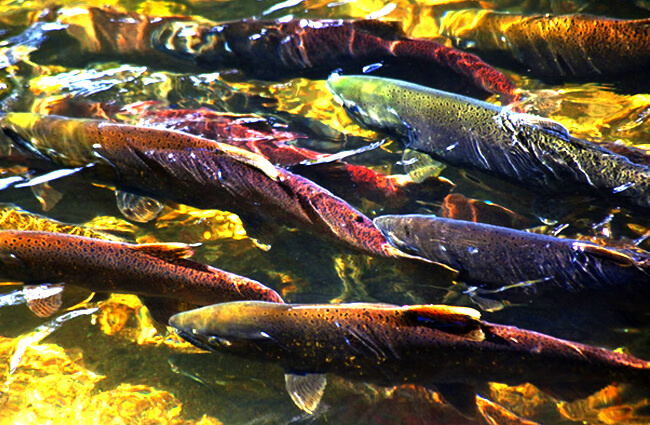
The Coho Salmon, scientifically known as Oncorhynchus kisutch, is a species of anadromous fish in the salmon family, Salmonidae. Its common names, such as Silver Salmon or Hooknose Salmon, hint at its distinctive appearance and the dramatic changes it undergoes throughout its life. These fish are renowned for their sleek, silvery bodies in the ocean, which transform into a vibrant reddish-brown with darker backs and bellies as they approach their spawning grounds.
Physical Characteristics
- Size: Coho Salmon typically range from 24 to 30 inches (60 to 76 cm) in length and weigh between 7 to 11 pounds (3 to 5 kg), though larger individuals can exceed 36 inches and 30 pounds.
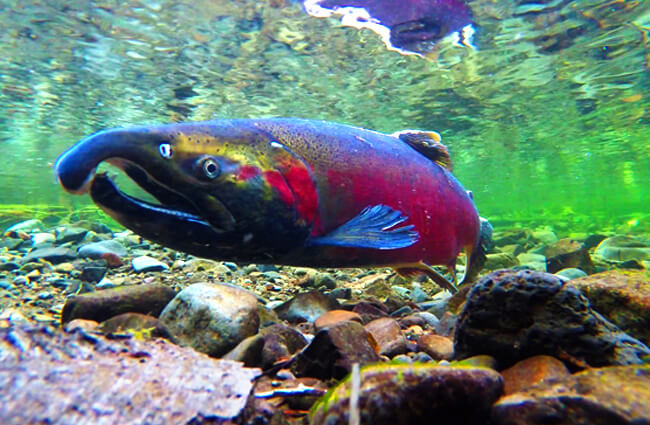
- Coloration: In saltwater, they boast a brilliant silver body with a dark blue or greenish back. As they prepare for spawning, males develop a hooked snout (kype) and both sexes display a striking reddish hue along their sides.
- Distinguishing Features: They possess small, irregular spots on their backs and the upper lobe of their caudal (tail) fin. Unlike Chinook Salmon, Coho usually have white gums where their teeth meet the lower jaw.
Habitat and Geographic Range
Coho Salmon are native to the coastal waters of the North Pacific Ocean, spanning a vast geographical area. Their range extends from Hokkaidō, Japan, and eastern Russia, across the Bering Sea, and along the western coast of North America from Alaska down to central California. They are anadromous fish, meaning they spend a significant portion of their lives in the ocean before returning to freshwater rivers and streams to spawn.
- Freshwater Nurseries: Young Coho Salmon, known as fry and parr, thrive in cool, clear, well-oxygenated freshwater streams and rivers. These habitats typically feature gravel bottoms for spawning, ample vegetation for cover, and a steady flow of water.
- Oceanic Feeding Grounds: After migrating to the ocean, Coho Salmon inhabit coastal waters, estuaries, and the open ocean, where they feed and grow rapidly. They prefer cooler marine waters, often staying within the continental shelf.
Diet: What Fuels the Silver Salmon?
The diet of Coho Salmon changes dramatically throughout their life stages, reflecting their growth and habitat shifts.
- Freshwater Diet (Juveniles):
- Insects: Young Coho primarily feed on aquatic insect larvae, nymphs, and adult insects that fall into the water.
- Small Crustaceans: Amphipods and other small invertebrates are also part of their diet.
- Smaller Fish: As they grow, they may prey on smaller fish species.
- Oceanic Diet (Adults):
- Forage Fish: In the ocean, Coho Salmon become voracious predators, primarily consuming smaller schooling fish like herring, sand lance, and anchovies.
- Squid and Krill: They also feed on squid and various crustaceans, including krill.
- Opportunistic Feeders: Their diet can vary based on prey availability in their specific marine feeding grounds.
The Epic Journey: Reproduction and Spawning
The life cycle of the Coho Salmon is one of nature’s most extraordinary sagas, culminating in an arduous upstream migration to reproduce. This anadromous journey is a defining characteristic of the species.
The Anadromous Migration
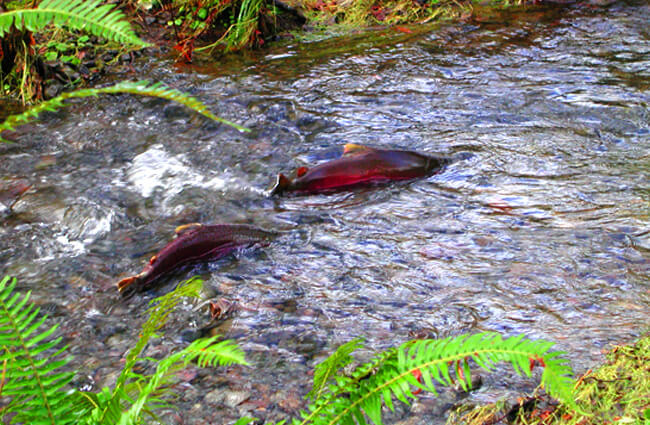
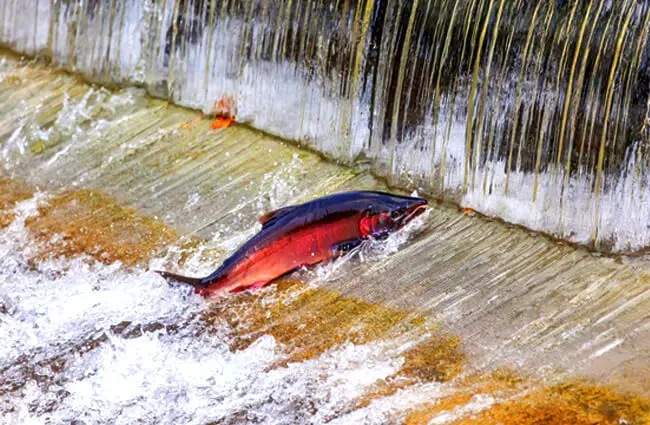
After spending typically 18 months in the ocean, adult Coho Salmon begin their incredible migration back to the freshwater streams where they were born. This journey usually occurs in the late summer and fall, often triggered by increased rainfall and cooler water temperatures. They navigate hundreds, sometimes thousands, of miles against strong currents, leaping over obstacles like waterfalls and rapids. During this migration, they cease feeding and rely entirely on stored fat reserves.
Spawning Rituals
Upon reaching their natal streams, the Coho Salmon undergo dramatic physical transformations. Males develop a pronounced hooked snout, or “kype,” and their bodies become deep red. Females also change color, though less dramatically, and their bodies swell with eggs.
- Redd Construction: The female Coho selects a suitable gravel bed in a shallow, well-oxygenated section of the stream. Using her tail, she digs a depression called a “redd” (spawning nest).
- Egg Deposition and Fertilization: As the female deposits her bright orange eggs into the redd, a male Coho, often one that has successfully defended his territory, releases milt (sperm) to fertilize them. A single female can lay between 2,000 and 5,000 eggs, typically in several pockets within the redd.
- Covering the Eggs: After fertilization, the female uses her tail to cover the eggs with gravel, protecting them from predators and currents.
- Post-Spawning Mortality: Exhausted from their epic journey and the energy expenditure of spawning, both male and female Coho Salmon die shortly after reproduction. Their decaying bodies play a crucial role in enriching the freshwater ecosystem.
From Egg to Smolts: Early Life Stages
The journey of a Coho Salmon does not end with spawning; it merely begins anew.
- Eggs: Incubate in the gravel for several weeks to months, depending on water temperature.
- Alevins: Upon hatching, the young fish, called alevins, remain in the gravel, nourished by their attached yolk sacs. They are highly vulnerable during this stage.
- Fry: Once the yolk sac is absorbed, the alevins emerge from the gravel as fry. They begin actively feeding on small insects and invertebrates.
- Parr: As they grow, they develop distinctive vertical markings called “parr marks” along their sides, providing camouflage in the streambed. They spend typically one to two years in freshwater, growing and developing strength.
- Smolts: When they are ready to migrate to the ocean, usually in the spring, the parr undergo a physiological transformation called “smoltification.” Their bodies become silvery, they adapt to saltwater, and they begin their downstream migration to the estuary and then the open ocean.
A Pillar of the Ecosystem: Coho Salmon’s Ecological Role
Coho Salmon are not just individual species; they are keystone players in their ecosystems, influencing everything from nutrient cycles to the survival of other wildlife.
Nutrient Cycling and Ecosystem Enrichment
The anadromous life cycle of Coho Salmon creates a unique biological pump, transferring vital marine-derived nutrients from the ocean to freshwater and terrestrial environments. When adult salmon die after spawning, their decaying bodies release nitrogen, phosphorus, and other essential nutrients into the stream. These nutrients fertilize the surrounding riparian vegetation, supporting a healthier forest ecosystem. This “salmon effect” can be observed in the growth rates of trees and the abundance of insects in salmon-bearing watersheds.
Predator and Prey: A Web of Interactions
Coho Salmon occupy multiple trophic levels throughout their lives, making them crucial links in the food web.
- Prey for Many:
- Bears: Grizzly and black bears rely heavily on spawning salmon as a critical food source, especially before hibernation.
- Eagles and Ospreys: These raptors expertly pluck salmon from the water.
- Otters and Other Mammals: River otters, mink, and even wolves will prey on salmon.
- Marine Mammals: In the ocean, seals, sea lions, and even orcas may prey on adult Coho.
- Fish and Invertebrates: Young salmon are prey for larger fish, birds, and aquatic insects.
- Predators: As adults in the ocean, Coho Salmon are apex predators of smaller fish and invertebrates, helping to regulate their populations.
Evolutionary History and Adaptations
The Coho Salmon’s remarkable life cycle is a product of millions of years of evolution, shaping a species perfectly adapted to its dual freshwater and saltwater existence.
Anadromy: A Winning Strategy
The anadromous lifestyle, where fish migrate from the ocean to spawn in freshwater, is a complex evolutionary adaptation. It allows Coho Salmon to exploit the rich food resources of the ocean for rapid growth, while utilizing the relatively protected and nutrient-rich freshwater environments for reproduction and early development. This strategy requires significant physiological changes, such as smoltification, which enables them to transition between different salinity levels.
Survival of the Fittest
Coho Salmon have evolved numerous traits to survive their challenging lives:
- Strong Swimmers: Their streamlined bodies and powerful tails are built for endurance swimming against strong currents and leaping obstacles.
- Acute Sense of Smell: Salmon possess an extraordinary olfactory sense, allowing them to navigate back to their natal streams by detecting unique chemical signatures in the water.
- Camouflage: Their silvery ocean coloration provides camouflage in open water, while parr marks help juveniles blend into stream environments.
- High Fecundity: Laying thousands of eggs increases the chances that at least some offspring will survive the many perils of their early life.
Coho Salmon and Humanity: A Complex Relationship
For millennia, Coho Salmon have been intertwined with human cultures, particularly those indigenous to the Pacific coast. Today, this relationship continues, marked by cultural reverence, economic importance, and significant conservation challenges.
Cultural Significance
Indigenous peoples of the Pacific Northwest have revered salmon for thousands of years. Salmon are central to their spiritual beliefs, ceremonies, and traditional diets. The annual salmon runs were, and still are, a cornerstone of their existence, providing sustenance, trade goods, and cultural identity. Stories, art, and rituals often celebrate the salmon’s sacrifice and its return.
Economic Value and Sport Fishing
Coho Salmon support significant commercial and recreational fisheries. Their delicious, firm, orange-red flesh makes them a highly prized food fish. Sport fishing for Coho is a popular activity, drawing anglers to coastal rivers and marine waters, contributing to local economies. However, this popularity also necessitates careful management to prevent overfishing.
Conservation Challenges
Despite their resilience, Coho Salmon populations face numerous threats, largely due to human activities.
- Habitat Degradation: Logging, urbanization, agriculture, and dam construction destroy or degrade critical spawning and rearing habitats. Sedimentation, pollution, and altered water flows are major concerns.
- Climate Change: Rising ocean temperatures, altered precipitation patterns, and increased frequency of extreme weather events impact both freshwater and marine habitats, affecting salmon survival and migration.
- Overfishing: While regulations are in place, historical overfishing has significantly impacted populations.
- Hatchery Influence: While hatcheries aim to supplement wild populations, they can sometimes lead to genetic dilution, competition with wild fish, and reduced fitness in wild stocks.
- Disease and Predation: Increased disease transmission in crowded environments (like aquaculture) and changes in predator populations can also pose threats.
Practical Insights for Enthusiasts and Professionals
Finding Coho Salmon in the Wild: An Animal Lover’s Guide
Witnessing Coho Salmon in their natural habitat is an unforgettable experience. Here’s how to increase your chances:
- Timing is Key: The best time to observe Coho Salmon is during their spawning migration, typically from late summer through fall (September to November), depending on the specific region and river system.
- Location, Location, Location:
- Coastal Rivers and Streams: Focus on clear, cool, well-oxygenated rivers and streams that flow into the Pacific Ocean. Look for areas with gravel bottoms, which are ideal for spawning.
- Estuaries: These transitional zones where rivers meet the sea are often staging areas for salmon before their upstream push.
- Fish Ladders and Viewing Platforms: Many conservation areas and parks have dedicated viewing platforms or fish ladders where you can observe salmon leaping.
- What to Look For:
- Jumping Fish: Salmon will often jump out of the water to clear obstacles or simply to navigate.
- Spawning Activity: Look for reddish-brown fish in shallow areas, especially females digging redds or males defending territories.
- “Rolls” in the Water: A sudden disturbance on the surface can indicate a large fish.
- Carcasses: While a somber sight, the presence of post-spawned salmon carcasses is a clear indicator of a successful run.
- Respect Wildlife: Maintain a respectful distance, avoid disturbing spawning fish, and never interfere with their natural behaviors.
Encountering Coho Salmon: A Hiker’s Etiquette
If you are hiking near a salmon-bearing stream and encounter Coho Salmon, remember these guidelines:
- Observe from a Distance: Use binoculars if possible. Approaching too closely can stress the fish, especially during spawning, and disrupt their critical activities.
- Stay Out of the Water: Avoid wading or disturbing the streambed, particularly in areas where salmon might be spawning. Redds are fragile and easily damaged.
- Leave No Trace: Pack out all trash, stay on designated trails, and do not disturb riparian vegetation.
- Do Not Feed or Touch: Wild animals should never be fed or touched. This can habituate them to humans and spread disease.
- Report Poaching: If you witness any illegal fishing or disturbance of salmon, report it to local wildlife authorities.
Caring for Coho Salmon in Captivity: A Zookeeper’s Guide
Caring for Coho Salmon in a captive environment, such as an aquarium or research facility, requires specialized knowledge and meticulous attention to detail.
- Essential Tasks:
- Water Quality Management: Maintain pristine water conditions. This includes precise control of temperature (typically cool, 45-55°F or 7-13°C), dissolved oxygen levels (high), pH (neutral to slightly alkaline), and ammonia/nitrite/nitrate levels (zero for ammonia/nitrite). Regular testing and filtration are paramount.
- Enclosure Design: Provide a spacious tank with strong water flow to mimic natural river currents. Include substrate (gravel for juveniles, smooth surfaces for adults), hiding spots (rocks, artificial plants), and appropriate lighting cycles.
- Diet and Feeding: Offer a balanced diet mimicking their natural prey. For juveniles, this might include specialized salmon pellets, brine shrimp, or bloodworms. Adults require larger, high-quality fish pellets or thawed whole fish (e.g., herring, krill), ensuring nutritional completeness. Avoid overfeeding.
- Disease Monitoring and Prevention: Regularly observe fish for signs of stress or disease (e.g., lethargy, lesions, abnormal swimming). Implement strict quarantine protocols for new arrivals and maintain excellent hygiene to prevent outbreaks.
- Environmental Enrichment: While challenging for fish, providing varied water flow, different substrates, and occasional live prey can stimulate natural behaviors.
- Breeding Programs: If breeding is a goal, specific conditions for spawning (e.g., gravel redds, appropriate water flow, temperature cues) must be meticulously replicated.
- What to Avoid:
- Overcrowding: Leads to stress, aggression, poor water quality, and increased disease susceptibility.
- Sudden Environmental Changes: Abrupt shifts in temperature, pH, or salinity can be highly detrimental.
- Inappropriate Diet: Lack of essential nutrients or feeding low-quality food can lead to health issues.
- Excessive Handling: Minimize handling as it causes stress and can damage their protective slime coat.
- Poor Water Filtration: Inadequate filtration will quickly lead to toxic water conditions.
- Exposure to Contaminants: Ensure all equipment and water sources are free from chemicals, heavy metals, or chlorine.
Fascinating Facts About Coho Salmon
- “Hooknose” Transformation: Male Coho Salmon develop a dramatically hooked snout, or kype, during spawning season, which they use in territorial disputes.
- One-Way Trip: Coho Salmon are semelparous, meaning they reproduce only once in their lifetime and die shortly after spawning.
- Incredible Sense of Smell: They can detect their natal stream’s unique chemical signature from vast distances in the ocean, guiding them home.
- Leaping Abilities: Coho Salmon are powerful jumpers, capable of clearing obstacles several feet high during their upstream migration.
- Short Lifespan: Most Coho Salmon complete their entire life cycle, from egg to spawning adult, within three to four years.
- Indicator Species: The health of Coho Salmon populations is often used as an indicator of the overall health of their freshwater and marine ecosystems.
- Marine-Derived Nutrients: Their decaying bodies after spawning provide vital nutrients that fertilize forests and support entire food webs.
- Silver Salmon: Their common name reflects their brilliant, silvery scales when they are in the ocean.
- Cold Water Lovers: Coho Salmon thrive in cool, well-oxygenated waters, making them particularly vulnerable to climate change.
- Predator Magnet: Their spawning runs are a feast for a wide array of wildlife, including bears, eagles, and otters.
Conclusion: Guardians of the Pacific
The Coho Salmon is more than just a fish; it is a symbol of wildness, resilience, and the interconnectedness of nature. Its incredible journey from a tiny egg in a gravel bed to a powerful ocean traveler and back again is a story of life, death, and renewal that sustains countless other species. Understanding and appreciating the Coho Salmon means recognizing our responsibility to protect the delicate ecosystems it inhabits. By safeguarding their habitats and managing our interactions wisely, we ensure that the silver flash of the Coho Salmon continues to grace the rivers and oceans of the Pacific for generations to come.
![Closeup of a beautiful Red Angus cowPhoto by: U.S. Department of Agriculture [pubic domain]https://creativecommons.org/licenses/by/2.0/](https://animals.net/wp-content/uploads/2020/03/Red-Angus-4-238x178.jpg "Red Angus")
![Closeup of a beautiful Red Angus cowPhoto by: U.S. Department of Agriculture [pubic domain]https://creativecommons.org/licenses/by/2.0/](https://animals.net/wp-content/uploads/2020/03/Red-Angus-4-100x75.jpg "Red Angus")