
The Marvel of the Pink Salmon: A Journey from Ocean to Stream
In the vast, interconnected aquatic world, few creatures embody the relentless cycle of life and the intricate dance of ecosystems quite like the Pink Salmon. Known scientifically as Oncorhynchus gorbuscha, this remarkable fish, often affectionately called “Humpback Salmon” or “Humpie” due to the distinctive dorsal hump developed by males during spawning, undertakes one of nature’s most epic migrations. From the frigid depths of the Pacific Ocean to the shallow, gravelly beds of freshwater streams, their two-year life journey is a testament to adaptation, resilience, and the profound impact a single species can have on an entire environment. Join us as we dive deep into the world of the Pink Salmon, uncovering its secrets and appreciating its vital role.
Getting to Know the Pink Salmon: Basic Biology
What’s in a Name? Identifying the Pink Salmon
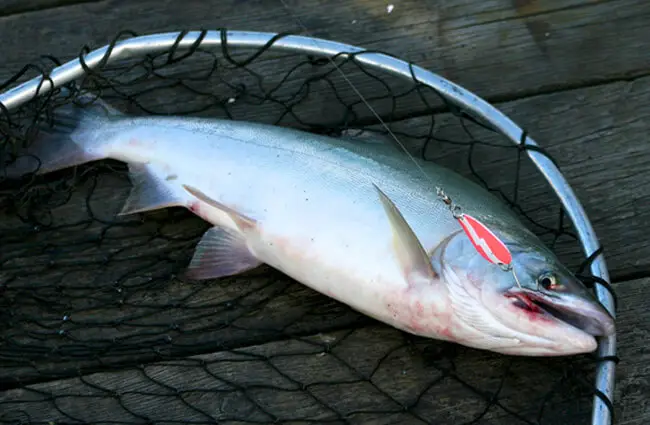
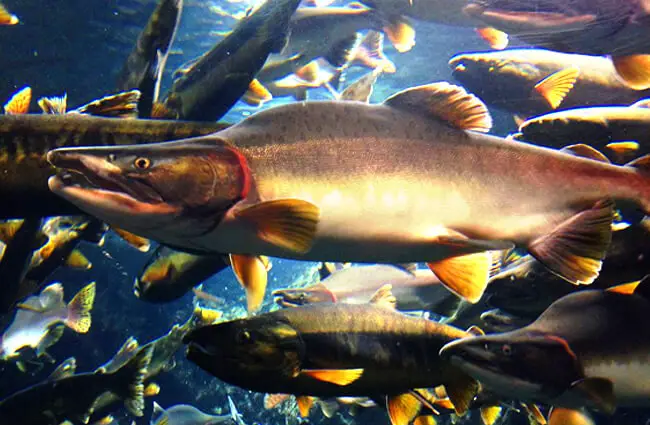
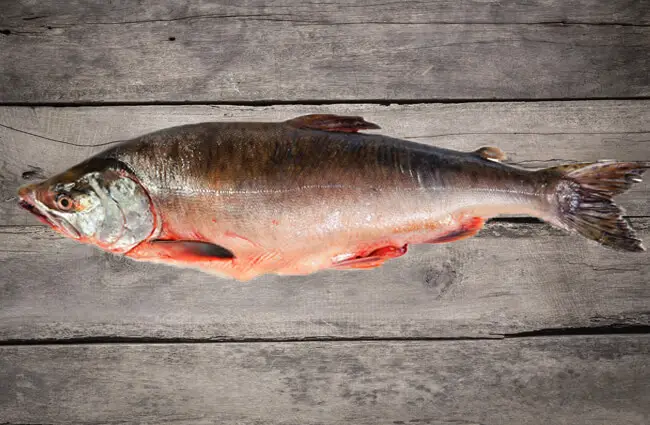
The Pink Salmon is the smallest and most abundant of the Pacific salmon species, typically reaching lengths of 18 to 25 inches and weighing between 3 and 5 pounds. Their appearance undergoes a dramatic transformation throughout their short lives. In the ocean, they possess a silvery body with small, oval-shaped scales and numerous large, black spots on their back and, crucially, on both lobes of their caudal (tail) fin. This tail spotting is a key identifier, distinguishing them from other salmon species. As they approach spawning grounds, their bodies take on a greenish-brown hue on the back, fading to white on the belly, and a distinctive pinkish blush develops along their sides, giving them their common name. Males develop a pronounced hump on their back and a strongly hooked jaw, known as a kype, making them unmistakable.
Where Do They Call Home? Pink Salmon Habitat
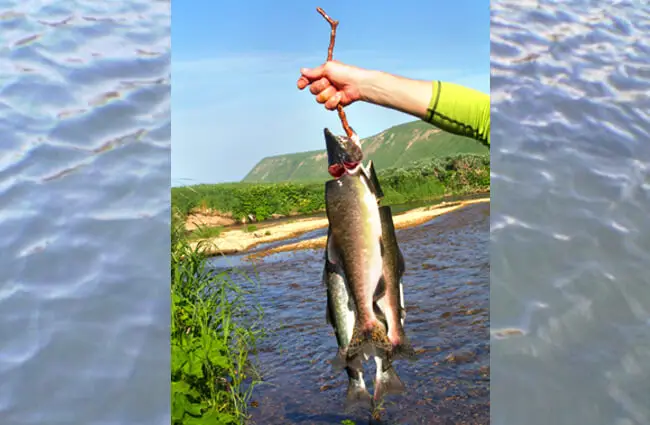
Pink Salmon are true anadromous fish, meaning they spend the majority of their adult lives in saltwater but return to freshwater to spawn. Their natural range spans the vast North Pacific Ocean, from the coastal waters of North America, including Alaska, British Columbia, and the Pacific Northwest, across to the Asian coastlines of Russia, Korea, and Japan. While in the ocean, they are pelagic, inhabiting open waters. For spawning, they seek out specific freshwater environments: typically small coastal streams, rivers, and even intertidal zones where freshwater mixes with saltwater. These areas must have suitable gravel beds for egg deposition and cold, oxygen-rich water to support their developing offspring.
The Rhythms of Life: Pink Salmon Ecology
A Feast for the Pink Salmon: Diet and Feeding Habits
During their extensive marine phase, Pink Salmon are active predators, playing a crucial role in the ocean’s food web. Their diet primarily consists of zooplankton, tiny marine organisms that drift with the currents. As they grow, they also consume small crustaceans, such as copepods and euphausiids, and occasionally small fish. This rich diet fuels their rapid growth and provides the energy reserves necessary for their arduous spawning migration. Once they enter freshwater for spawning, their feeding largely ceases. Their focus shifts entirely to reproduction, relying on the fat stores accumulated during their time in the ocean.
The Great Journey: Mating and Reproduction
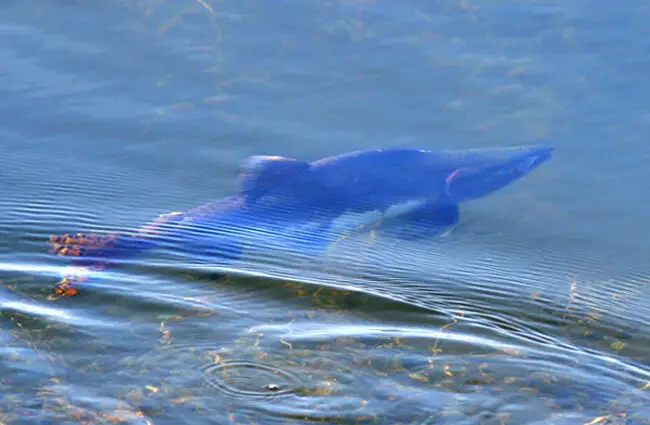
The Pink Salmon’s life cycle is famously fixed at two years, a unique trait among Pacific salmon. This means that offspring from an odd-numbered year will return to spawn in the next odd-numbered year, and similarly for even-numbered years. This results in genetically distinct populations that rarely interbreed. The spawning migration typically occurs in late summer to early fall. Males, with their impressive humps and hooked jaws, compete for access to females. Females, using their tails, excavate depressions in the gravel beds, known as “redds,” where they deposit thousands of eggs. A male then fertilizes the eggs, and the female covers them with gravel, protecting them until they hatch. After spawning, both male and female Pink Salmon die, completing their semelparous life cycle and contributing their nutrients back to the ecosystem. The eggs hatch into “alevins,” tiny fish with a yolk sac for nourishment, which remain in the gravel. Once the yolk sac is absorbed, they emerge as “fry” and quickly migrate downstream to the ocean, spending approximately 18 months at sea before returning to spawn.
An Ancient Lineage: Pink Salmon’s Evolutionary History
Pink Salmon belong to the genus Oncorhynchus, which encompasses all Pacific salmon and trout. Their evolutionary journey has sculpted them into highly specialized creatures, perfectly adapted to their anadromous lifestyle and fixed two-year life cycle. This rapid, predictable life cycle, coupled with their high abundance, suggests an evolutionary strategy that prioritizes sheer numbers and quick turnover, allowing them to capitalize on available resources and recover quickly from environmental fluctuations. The distinct genetic separation between odd-year and even-year runs is a fascinating evolutionary divergence, essentially creating two parallel populations that rarely interact, yet share the same habitat.
Pink Salmon in the Wider World: Ecosystem and Human Interactions
Pillars of the Ecosystem: Contribution and Interactions
The sheer abundance and predictable return of Pink Salmon make them an ecological linchpin. They are a critical food source for a vast array of predators, including grizzly bears, black bears, wolves, eagles, gulls, and various marine mammals like seals and orcas. Their decaying bodies after spawning transfer vital marine-derived nutrients, such as nitrogen and phosphorus, from the ocean into nutrient-poor freshwater and riparian ecosystems. This nutrient subsidy enriches stream invertebrates, boosts plant growth along riverbanks, and ultimately supports the entire food web, from microscopic organisms to towering trees. Without Pink Salmon, many ecosystems would suffer a significant loss of productivity and biodiversity.
A Cultural Connection: Pink Salmon and Humanity
For millennia, Pink Salmon have been intertwined with human culture, particularly among Indigenous peoples of the Pacific Northwest and Siberia. They have been a staple food source, providing sustenance and economic stability, and are deeply embedded in spiritual beliefs, ceremonies, and artistic expressions. Today, Pink Salmon support significant commercial fisheries, being harvested for their mild-flavored flesh, which is often canned or frozen. They also provide popular recreational fishing opportunities, drawing anglers to coastal rivers during their spawning runs. Their abundance makes them a relatively sustainable fishery when managed properly.
Coexisting with Pink Salmon: Conservation and Management
Despite their abundance, Pink Salmon face various threats. Habitat degradation from logging, urbanization, and pollution can destroy crucial spawning grounds. Climate change impacts water temperatures and flow regimes, affecting survival rates. While generally resilient, localized overfishing can also pose a risk. Conservation efforts focus on sustainable fishing practices, habitat restoration projects, and careful management of water resources. Hatchery programs are also used in some areas to supplement natural runs. When encountering Pink Salmon in the wild, particularly during spawning, it is crucial to observe from a respectful distance, avoid disturbing them or their redds, and never interfere with their natural processes. Their journey is a delicate one, and human interference can have serious consequences.
Fascinating Facts and Practical Insights
Did You Know? A List of Intriguing Pink Salmon Facts
- Smallest Pacific Salmon: Pink Salmon are the smallest of the seven species of Pacific salmon.
- Shortest Lifespan: They have the shortest fixed lifespan of all salmon, completing their entire life cycle in just two years.
- The Hump: The prominent hump developed by males during spawning is a secondary sexual characteristic, used in displays of dominance.
- Intertidal Spawners: Unlike most salmon, Pink Salmon frequently spawn in intertidal zones, where freshwater mixes with saltwater, making their redds vulnerable to tidal fluctuations.
- Odd and Even Year Runs: Due to their strict two-year life cycle, populations are genetically distinct between odd-numbered and even-numbered years, with one year often having significantly larger runs than the other in a given region.
- Rapid Ocean Growth: Pink Salmon grow incredibly fast in the ocean, reaching adult size in just 18 months.
Finding Pink Salmon in the Wild: A Guide for Animal Lovers and Hikers
For those eager to witness the spectacle of Pink Salmon, timing and location are key. The best time to observe them is during their spawning migration, typically from late summer through early fall (August to October), depending on the specific region. Look for them in coastal streams, rivers, and estuaries along the Pacific coast of North America and Asia. They often congregate in large schools at river mouths before moving upstream. Once in the rivers, they will be actively swimming against the current, sometimes leaping over obstacles. Look for areas with clear, shallow water and gravel bottoms, as these are prime spawning locations. You might spot males with their distinctive humps and hooked jaws, or females actively digging redds. Remember to maintain a respectful distance, avoid making loud noises or sudden movements, and never attempt to touch or interfere with the fish. A good pair of polarized sunglasses can greatly enhance visibility into the water. Always check local regulations regarding access and fishing if you plan to do more than just observe.
Caring for Pink Salmon in Captivity: Notes for Aspiring Zoologists and Zookeepers
Caring for Pink Salmon in captivity presents unique challenges, primarily due to their anadromous nature and fixed two-year life cycle. For aspiring zoologists and zookeepers, understanding these biological imperatives is crucial:
- Habitat Replication: Replicating their natural environment is paramount. This requires large, flow-through aquarium systems with consistently cold (typically 40-55°F or 4-13°C), highly oxygenated freshwater or brackish water, depending on their life stage. Strong currents are essential to mimic river conditions.
- Diet: In their marine phase, they require a diet rich in protein and fats, mimicking zooplankton and small crustaceans. Specialized salmon pellets are often used, supplemented with krill or other small invertebrates. In freshwater, adult Pink Salmon typically cease feeding, so providing food to spawning adults is generally unnecessary and can lead to water quality issues.
- Life Cycle Management: The fixed two-year life cycle means that maintaining a continuous population in captivity is extremely difficult. Most captive Pink Salmon are kept for educational displays during their juvenile or pre-spawning adult phases. Replicating the full spawning process, including redd construction and successful egg incubation, is rarely achieved in standard aquarium settings.
- Water Quality: Salmon are highly sensitive to water quality. Constant monitoring of temperature, dissolved oxygen, pH, ammonia, nitrite, and nitrate levels is critical. Excellent filtration and regular water changes are non-negotiable.
- Stress Reduction: Minimize stress by providing ample space, hiding spots, and a stable environment. Avoid sudden changes in lighting or water parameters.
- What to Avoid:
- Warm or stagnant water, which can quickly lead to disease and death.
- Overfeeding, especially to non-feeding adults, as this fouls the water.
- Crowding, which increases stress and aggression.
- Attempting to force spawning or handle fish unnecessarily, particularly during their delicate spawning phase.
Most captive Pink Salmon are either juveniles for educational purposes or adults temporarily housed for rehabilitation or short-term display, acknowledging their natural life cycle culminates in death after spawning.
A Legacy of Life and Resilience
The Pink Salmon, with its distinctive hump and unwavering two-year journey, is more than just a fish; it is a symbol of nature’s enduring cycles and the profound interconnectedness of ecosystems. From its role as a vital food source in the ocean to its nutrient-rich contribution to freshwater streams, this species underpins the health and vitality of vast regions. Understanding and appreciating the Pink Salmon’s unique biology and ecological significance is key to ensuring its continued abundance and the well-being of the diverse environments it calls home. Let us all strive to be stewards of these incredible creatures, protecting their habitats and respecting their ancient journey for generations to come.
![Closeup of a beautiful Red Angus cowPhoto by: U.S. Department of Agriculture [pubic domain]https://creativecommons.org/licenses/by/2.0/](https://animals.net/wp-content/uploads/2020/03/Red-Angus-4-238x178.jpg "Red Angus")


![Closeup of a beautiful Red Angus cowPhoto by: U.S. Department of Agriculture [pubic domain]https://creativecommons.org/licenses/by/2.0/](https://animals.net/wp-content/uploads/2020/03/Red-Angus-4-100x75.jpg "Red Angus")