
Unearthing the Charms of the Marmot: Whistling Wonders of the Wild
From the sun-drenched alpine meadows to the rugged, windswept peaks, a robust and charismatic rodent thrives, often announcing its presence with a distinctive, piercing whistle. This creature is the marmot, a fascinating member of the squirrel family that has captivated naturalists and hikers alike for centuries. More than just a cute face, marmots are master engineers of their environment, social strategists, and vital components of high-altitude ecosystems. Join us on an exploration of these remarkable animals, delving into their lives, their impact, and their enduring appeal.
Who are the Marmots? A General Overview
Marmots are large ground squirrels, typically recognized by their sturdy bodies, short, powerful limbs, and bushy tails. Their size can vary significantly between species, with some reaching lengths of over 70 centimeters (28 inches) and weighing up to 8 kilograms (18 pounds) before hibernation. Their fur color ranges from grizzled gray to reddish-brown, often providing excellent camouflage against rocky or grassy backdrops. These diurnal animals are primarily herbivores, spending their active hours foraging, sunbathing, and maintaining their elaborate burrow systems.
Found across the Northern Hemisphere, marmots are true survivors, adapted to some of the planet’s most challenging environments. They are renowned for their profound hibernation, a state of deep sleep that allows them to endure long, harsh winters when food is scarce. This annual slumber is a testament to their incredible physiological adaptations, enabling them to slow their heart rate, breathing, and metabolism to astonishingly low levels.
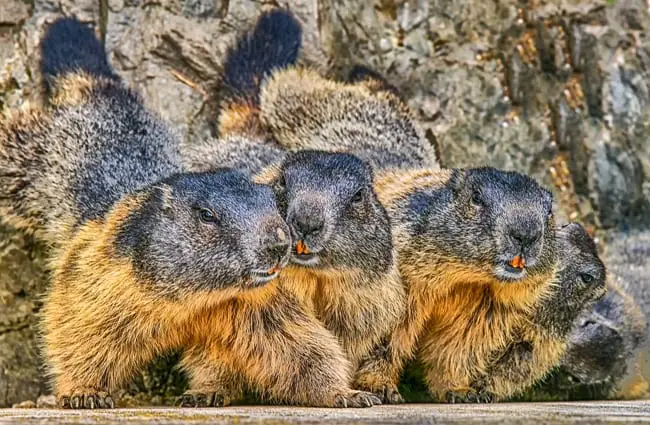
Marmot Habitats: Where to Find These Mountain Whistlers
Marmots are creatures of elevation and open spaces, making their homes in diverse, often dramatic landscapes. Their preferred habitats are typically characterized by a combination of open areas for foraging and rocky outcrops or deep soil for burrow construction and predator evasion.
- Alpine Meadows: Many species, such as the Olympic and Hoary Marmots, thrive in the high-altitude grasslands above the tree line. These areas offer abundant vegetation during the short summer months and deep snow cover for insulation during hibernation.
- Rocky Slopes and Talus Fields: The Yellow-bellied Marmot frequently inhabits rocky areas, using crevices and boulders for shelter and observation posts. The rocks provide natural protection and excellent drainage for their burrows.
- Forest Edges and Subalpine Zones: Some marmot species, like the Woodchuck (also known as the Groundhog), prefer lower elevations, inhabiting forest clearings, pastures, and even suburban areas, demonstrating a remarkable adaptability.
Geographically, marmots are widespread. In North America, species like the Yellow-bellied, Hoary, and Olympic Marmots inhabit the western mountains, while the Woodchuck is common across the eastern and central parts of the continent. Eurasia hosts a greater diversity, with species such as the Alpine Marmot in Europe, and the Himalayan, Bobak, and Long-tailed Marmots across various mountain ranges of Asia. For the animal lover hoping to spot a marmot in the wild, the best strategy involves visiting these high-altitude or open grassland habitats during the warmer months, typically from late spring to early autumn. Look for them sunbathing on rocks in the morning or late afternoon, or foraging in meadows. Patience and binoculars are your best allies, along with a keen ear for their distinctive alarm whistles.
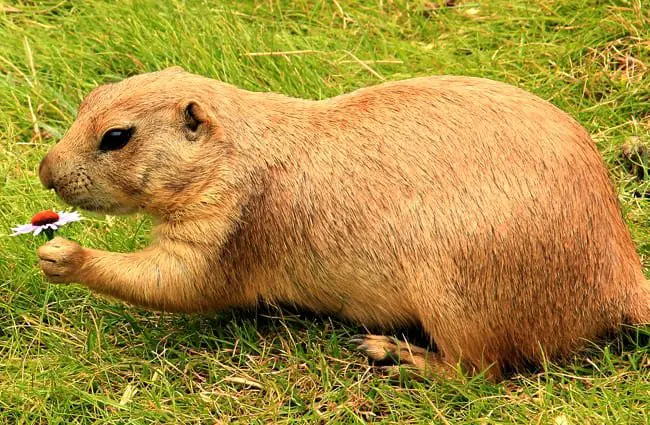
A Glimpse into Marmot Evolution: Ancient Lineages
The evolutionary journey of marmots is a fascinating tale of adaptation to challenging environments. As members of the family Sciuridae, which includes squirrels, chipmunks, and prairie dogs, marmots represent a lineage that diverged to specialize in ground-dwelling, burrowing lifestyles, particularly in mountainous and steppe regions. Fossil evidence suggests that the genus Marmota originated in North America during the Pliocene epoch, approximately 5.3 to 2.6 million years ago. From there, they dispersed across the Bering land bridge into Asia and subsequently into Europe.
Their evolution is marked by key adaptations for survival in cold, high-altitude environments. These include a robust body size for better thermoregulation, the development of complex burrow systems for shelter from predators and extreme weather, and the remarkable ability to undergo prolonged hibernation. This deep sleep allows them to conserve energy and survive periods when food is scarce, a critical adaptation for life in seasonal environments with long winters. The diversity of marmot species today reflects millions of years of adapting to specific local conditions, resulting in variations in social structure, diet, and habitat preferences.

The Marmot Menu: What’s on the Plate?
Marmots are obligate herbivores, meaning their diet consists entirely of plant matter. Their feeding strategy is driven by the need to accumulate sufficient fat reserves to sustain them through their long hibernation period. During the active season, which can be as short as four to five months in high alpine regions, marmots are voracious eaters.
- Primary Forage: Their diet primarily consists of a wide variety of grasses, forbs (non-woody flowering plants), and sedges. They are not particularly picky and will consume whatever palatable vegetation is available in their immediate vicinity.
- Seasonal Delicacies: As the season progresses, they will also feast on flowers, seeds, berries, and even roots, digging them up with their strong claws. The availability of these nutrient-rich items is crucial for building up fat stores.
- Water Intake: Marmots typically obtain sufficient water from the plants they consume and from dew, rarely needing to seek out standing water sources directly.
This intensive feeding period is a race against time, as every gram of fat stored contributes to their survival through the winter. The quality and abundance of vegetation in their habitat directly influence their health, reproductive success, and ability to survive hibernation. For aspiring zoologists, understanding these dietary needs is fundamental to comprehending marmot ecology and population dynamics.
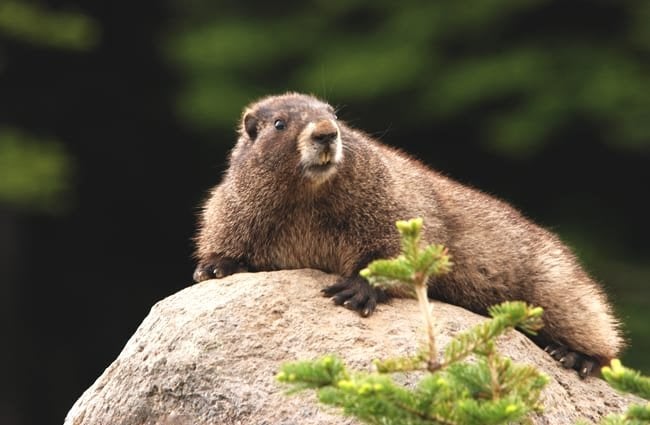
Love in the High Country: Marmot Mating and Reproduction
Marmot social structures vary by species, but many exhibit complex colonial behaviors. Species like the Alpine and Hoary Marmots live in family groups or colonies, often consisting of a dominant adult pair, their offspring from previous years, and current year’s pups. Other species, like the Yellow-bellied Marmot, may live in more loosely organized groups or even as solitary individuals in some populations.
Reproduction typically occurs shortly after emerging from hibernation in the spring, when resources become available and the animals are at their leanest. This timing ensures that pups are born and have sufficient time to grow and accumulate fat before the onset of the next winter.
- Mating Season: Mating usually takes place in April or May, often within the burrows.
- Gestation: The gestation period is relatively short, lasting around 30 to 32 days.
- Litter Size: Females typically give birth to litters of 3 to 8 pups, though this can vary based on species and environmental conditions. The pups are born blind and hairless, completely dependent on their mother.
- Parental Care: The mother nurses the pups in the safety of the burrow for several weeks. Pups usually emerge from the burrow for the first time when they are about 4 to 6 weeks old, resembling miniature adults.
- Dispersal: Young marmots may stay with their natal colony for one or two years before dispersing to establish their own territories or join new colonies. This dispersal is crucial for genetic diversity and population expansion.
The success of marmot reproduction is highly sensitive to environmental factors, particularly the length of the active season and the availability of food. A short summer or poor forage can significantly impact the survival rate of young marmots, making their reproductive cycle a delicate balance with nature.
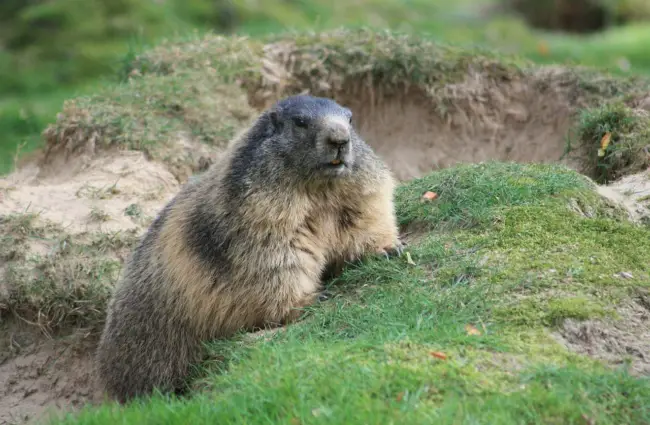
Marmots and Their World: Ecosystem Contributions and Interactions
Marmots are far more than just charming residents of the mountains; they are integral players in their ecosystems, influencing their environment and interacting with a diverse array of other species.
- Ecosystem Engineers: Their extensive burrow systems are perhaps their most significant contribution. These burrows aerate the soil, improve water infiltration, and create microhabitats that can be utilized by other species, including insects, reptiles, and even smaller mammals seeking shelter. Abandoned marmot burrows can become homes for foxes, badgers, and weasels.
- Seed Dispersal and Grazing: While foraging, marmots inadvertently disperse seeds, contributing to plant propagation. Their grazing habits can also influence plant community composition in their immediate vicinity.
- Prey Species: Marmots serve as a vital food source for a variety of predators. Golden eagles, coyotes, foxes, wolves, and bears all include marmots in their diet. This role as a prey animal helps sustain predator populations, maintaining the delicate balance of the food web.
- Alarm System: Their characteristic alarm whistles, given when a predator is sighted, serve not only to warn their own colony but can also alert other nearby prey animals to potential danger, acting as a general warning system in the alpine environment.
Understanding these complex interactions highlights the marmot’s role as a keystone species in many of its habitats, demonstrating how the presence and activities of one animal can have cascading effects throughout an entire ecosystem. For students researching ecosystem dynamics, marmots offer a compelling case study.

Marmots in Human Culture and Interaction
Marmots have long held a place in human culture, from ancient folklore to modern-day tourism. Their visible presence and distinctive behaviors have made them subjects of fascination and sometimes, conflict.
- Cultural Significance: In some indigenous cultures, marmots are seen as symbols of industriousness or vigilance. The Woodchuck, in particular, has gained widespread fame through “Groundhog Day” in North America, where its emergence from hibernation is believed to predict the arrival of spring.
- Historical Interactions: Historically, marmots were hunted for their fur and meat in many parts of their range. While this practice has largely diminished in many areas, it still occurs in some regions.
- Modern Interactions: Today, marmots are a significant draw for wildlife tourism, particularly in national parks and mountain resorts. Hikers and photographers often seek them out, appreciating their charismatic presence. However, this increased interaction also brings challenges.
What to do if you encounter a marmot in the wild:
- Observe from a Distance: Always maintain a respectful distance. Use binoculars or a telephoto lens for close-up views.
- Do Not Feed: Feeding wild animals can alter their natural behaviors, make them dependent on humans, and expose them to inappropriate foods. It can also lead to aggression or habituation, making them vulnerable.
- Keep Pets Leashed: Dogs can disturb or injure marmots, and marmots can also carry diseases or parasites that could affect pets.
- Respect Their Space: If a marmot appears agitated (e.g., giving alarm calls, stomping its feet), you are too close. Slowly and quietly back away.
For students researching human-wildlife interaction, the marmot provides an excellent example of how cultural perceptions and direct encounters shape our relationship with the natural world.
Caring for Captive Marmots: A Zookeeper’s Guide
Caring for marmots in a captive environment, such as a zoo or wildlife sanctuary, requires a deep understanding of their natural history and specific needs. The goal is to replicate their natural habitat and behavioral opportunities as closely as possible.
- Habitat Requirements:
- Spacious Enclosures: Marmots need ample space to move, forage, and express natural behaviors. Enclosures should be large, multi-level, and provide both open areas and secluded spots.
- Burrowing Substrate: A deep substrate of soil, sand, and gravel is essential to allow for extensive burrowing. Providing artificial burrows or tunnels can also be beneficial.
- Temperature Control: Replicating seasonal temperature fluctuations, including a cool period for hibernation, is critical for their physiological health. Specialized hibernation chambers may be necessary.
- Rocks and Climbing Structures: These provide enrichment, observation posts, and opportunities for sunbathing.
- Dietary Considerations:
- Varied Herbivore Diet: A diet rich in fresh grasses, hay, leafy greens, and a variety of vegetables (e.g., carrots, sweet potatoes) should be provided daily.
- Seasonal Adjustments: Increase food quantity and caloric density in late summer to allow for pre-hibernation fat accumulation. Reduce food intake during hibernation preparation and actual hibernation.
- Supplements: Vitamin and mineral supplements, particularly calcium, may be necessary, especially for growing or breeding animals, under veterinary guidance.
- Social Needs:
- Group Housing: For social species, housing marmots in appropriate family groups or colonies is crucial for their psychological well-being. Careful introductions and monitoring are necessary.
- Individual Space: Even in social groups, individuals need access to their own burrows or hiding spots to retreat if desired.
- Health Monitoring and Enrichment:
- Regular Veterinary Checks: Routine health assessments, parasite control, and dental care are vital.
- Hibernation Management: Closely monitor weight, body temperature, and overall health before, during, and after hibernation.
- Enrichment: Provide environmental enrichment items such as puzzle feeders, novel scents, different substrates, and opportunities for digging and climbing to stimulate natural behaviors and prevent boredom.
- Things to Avoid:
- Stressors: Loud noises, constant human presence, or inappropriate enclosure mates can cause significant stress.
- Inappropriate Diet: High-sugar fruits, processed foods, or excessive amounts of certain vegetables can lead to health problems.
- Isolation: For social species, prolonged isolation can lead to behavioral issues and poor welfare.
- Lack of Burrowing Opportunities: This can lead to frustration and prevent the expression of a fundamental natural behavior.
A zookeeper’s dedication to these details ensures the health and welfare of these remarkable animals in human care.
Fascinating Marmot Facts: A Whistle-Stop Tour
The world of marmots is full of intriguing details that highlight their unique adaptations and behaviors:
- Long Sleepers: Marmots are among the longest hibernators, with some species spending up to 8 months of the year in their burrows.
- Whistle While They Work: Their common name, “whistle pig,” comes from their loud, piercing alarm calls, which can travel long distances across open terrain.
- Sun Worshippers: Marmots frequently sunbathe on rocks, a behavior that helps them warm up after cold nights and potentially aids in vitamin D synthesis.
- Lifespan: In the wild, marmots can live for 10 to 15 years, a relatively long lifespan for a rodent of their size.
- Species Diversity: There are approximately 15 recognized species of marmots, each with unique characteristics and geographical distributions.
- Dental Growth: Like all rodents, marmots have continuously growing incisors, which they keep worn down by gnawing on vegetation and other materials.
- Fat Reserves: A marmot can gain up to 50% of its body weight in fat during the summer months, all in preparation for its long winter slumber.
Conclusion: The Enduring Appeal of the Mountain Whistlers
From their intricate burrows to their distinctive whistles, marmots are truly captivating creatures. They embody resilience, adapting to some of the planet’s most extreme environments through remarkable physiological and behavioral strategies. Whether you are a student delving into their evolutionary history, an animal lover hoping to catch a glimpse in the wild, an aspiring zoologist studying their complex social lives, a hiker respecting their space, or a zookeeper ensuring their well-being, the marmot offers endless opportunities for learning and appreciation. Their role as ecosystem engineers and their cultural significance underscore their importance, reminding us of the intricate connections within the natural world. So, the next time you find yourself in the high country, keep an eye and an ear out for these charming mountain dwellers; their story is one of survival, community, and the enduring spirit of the wild.
![Closeup of a beautiful Red Angus cowPhoto by: U.S. Department of Agriculture [pubic domain]https://creativecommons.org/licenses/by/2.0/](https://animals.net/wp-content/uploads/2020/03/Red-Angus-4-238x178.jpg "Red Angus")

![Closeup of a beautiful Red Angus cowPhoto by: U.S. Department of Agriculture [pubic domain]https://creativecommons.org/licenses/by/2.0/](https://animals.net/wp-content/uploads/2020/03/Red-Angus-4-100x75.jpg "Red Angus")