
A Comprehensive Guide to the Yorkshire Terrier
The Yorkshire Terrier, affectionately known as the Yorkie, is a breed that consistently captures hearts with its elegant appearance and spirited personality. More than just a pretty face, this tiny dog boasts a rich history and surprisingly complex character. This guide delves into everything prospective owners need to know, from breed origins and physical traits to behavioral quirks and specific care requirements. Whether considering a Yorkie as a companion or simply fascinated by this miniature marvel, this exploration aims to provide a thorough understanding of the breed.
History and Origins
Despite their sophisticated air, the Yorkshire Terrier’s roots are surprisingly industrial. Originating in Yorkshire, England, during the 19th century, these dogs were bred by weavers who had immigrated from Scotland. These skilled workers brought terriers that were used to control rodents in mills and mines. Over time, breeders refined the breed, incorporating smaller terrier types and even some Maltese and other toy breeds to create a companion dog that was both efficient at pest control and charmingly petite. The result was a dog prized for its silky coat and lively temperament. Early Yorkies were significantly larger than the ones we know today, gradually shrinking in size as breeding focused on companion qualities. The Kennel Club (England) officially recognized the Yorkshire Terrier in 1886, solidifying its place as a beloved breed.

Physical Characteristics
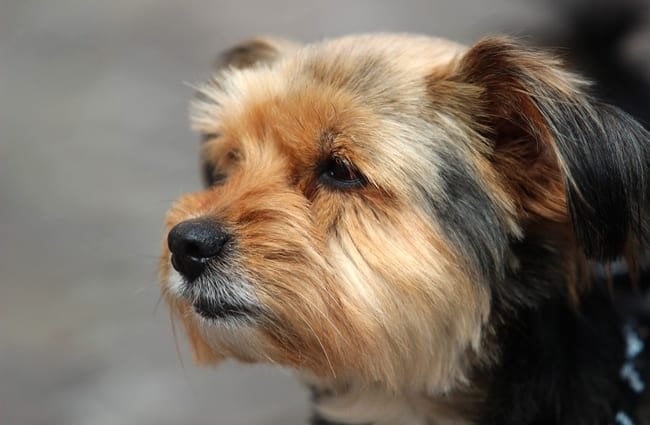
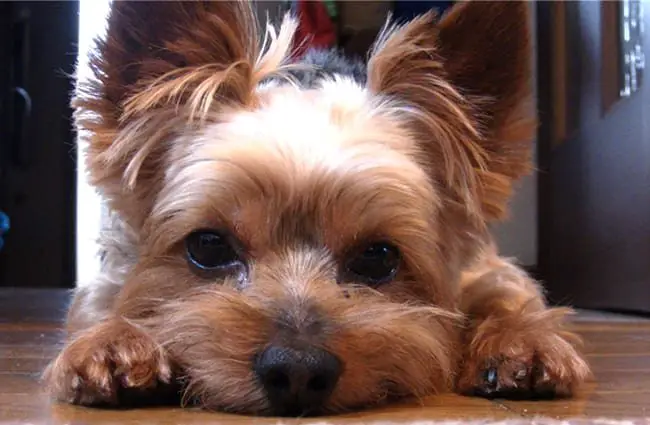
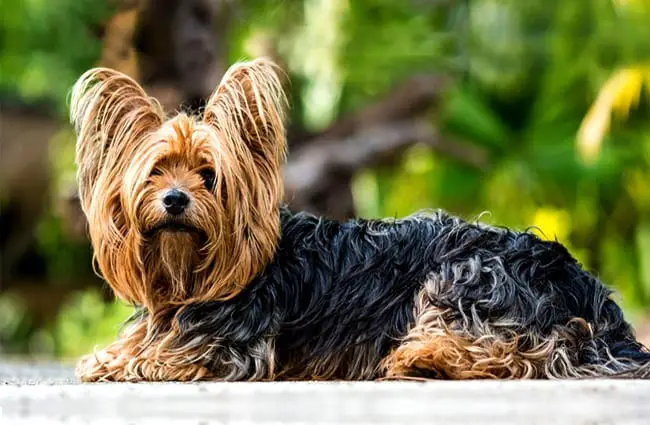
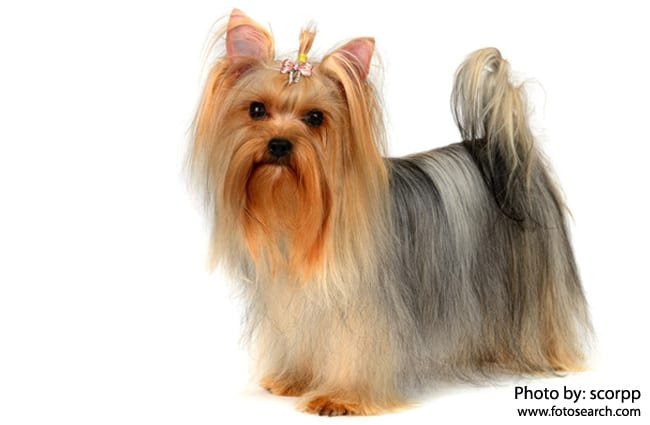
The Yorkshire Terrier is categorized as a toy breed, with adults typically weighing between four and seven pounds. Their height generally ranges from eight to nine inches. While variations exist, a well-proportioned Yorkie is slightly longer than tall, giving them a graceful appearance. The breed is known for its long, flowing, silky coat that requires regular grooming. Traditionally, the coat is steel blue and tan, though color variations are acceptable. The head is small and slightly flat on top, and the eyes are dark and expressive. Their ears are small, V-shaped, and carried erect. It is important to note that puppy coats differ significantly from adult coats. Yorkie puppies often have black and tan coloration that lightens and changes as they mature.
Temperament and Behavior
Yorkshire Terriers possess a personality that’s often described as big dog in a small package. They are confident, courageous, and can be quite independent. While affectionate with their families, they can be somewhat reserved with strangers. Early socialization is crucial to help them become well-adjusted and prevent excessive barking or nervousness. Yorkies are intelligent and relatively easy to train, though they can be stubborn at times. Positive reinforcement methods, such as treats and praise, work best. They have a natural terrier instinct to chase and dig, so providing appropriate outlets for these behaviors is important. Despite their small size, they are not necessarily ideal for very young children. Their delicate frames can be easily injured, and they may not tolerate rough handling. They tend to bond strongly with one person, though they can be affectionate toward the entire family.
Common Behavioral Quirks
- Barking: Yorkies are known for being vocal. Addressing excessive barking with training and identifying the cause is crucial.
- Separation Anxiety: They can become anxious when left alone for extended periods. Gradual desensitization and providing plenty of enrichment can help.
- Possessiveness: Some Yorkies can be possessive of their toys or owners. Early socialization and training can mitigate this behavior.
- Small Dog Syndrome: This is not a medical condition, but a behavioral pattern where small dogs exhibit bossy or demanding behavior because owners inadvertently reinforce it. Consistent training and boundaries are key.
Care Requirements
Grooming
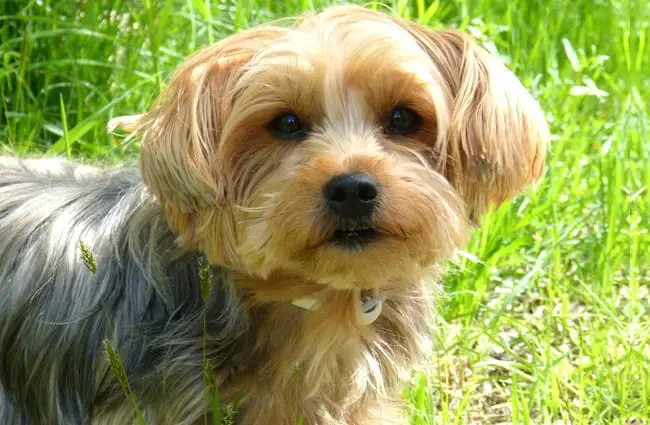
The Yorkshire Terrier’s coat requires significant grooming. Daily brushing is essential to prevent mats and tangles. Regular professional grooming, including bathing, trimming, and conditioning, is recommended. Many owners opt for a puppy cut, which is shorter and easier to maintain. Eyes and ears should also be cleaned regularly to prevent infections. Dental hygiene is also critical; regular teeth brushing and professional cleanings are necessary to prevent dental disease.
Exercise
Despite their small size, Yorkies need regular exercise. Daily walks, playtime, and interactive games are essential to keep them physically and mentally stimulated. They do not require extensive outdoor activity, but a brisk walk or a play session indoors can suffice. Puzzle toys and training sessions also provide mental enrichment.
Diet
A high-quality diet formulated for small breeds is crucial. Choose a food that’s appropriate for their age and activity level. Monitor their weight carefully and adjust their food intake as needed to prevent obesity. Small, frequent meals are often preferred. Avoid feeding them table scraps or unhealthy treats.
Health Considerations
While generally healthy, Yorkshire Terriers are prone to certain health conditions. These include:
- Patellar Luxation: A condition where the kneecap slips out of place.
- Tracheal Collapse: A weakening of the trachea, leading to breathing difficulties.
- Hypoglycemia: Low blood sugar, particularly common in puppies.
- Portosystemic Shunt (PSS): An abnormal blood flow between the digestive system and the liver.
- Dental Disease: Small mouths are prone to overcrowding and dental issues.
Regular veterinary checkups and preventative care can help detect and manage these conditions.
Living Environment
Yorkshire Terriers are adaptable dogs that can thrive in various living environments, including apartments and houses. They do not require a large yard, but access to safe outdoor space is beneficial. They are sensitive to extreme temperatures, so providing a comfortable indoor environment is essential. They are best suited to homes where they will receive plenty of attention and companionship. Because of their small size, it is important to dog proof the home to prevent accidental injuries.
Is a Yorkshire Terrier Right for You?
The Yorkshire Terrier is a charming and affectionate breed that can make a wonderful companion for the right owner. They are best suited to individuals or families who can provide them with plenty of attention, grooming, and mental stimulation. If you are willing to commit to their specific needs, a Yorkie can bring years of joy and companionship. Consider your lifestyle, living situation, and ability to provide the necessary care before welcoming a Yorkie into your home.
Interesting Facts
- Yorkshire Terriers were originally bred to catch rats and other vermin in mills and mines.
- They were popular companions among Victorian ladies.
- Smoky, a Yorkie, served as a war dog during World War II, alerting soldiers to incoming shells.
- Yorkies were among the first small breeds to gain popularity as companion animals.
- Despite their delicate appearance, Yorkies are surprisingly resilient and energetic.
In conclusion, the Yorkshire Terrier is more than just a pretty face. With a rich history, spirited personality, and specific care needs, this breed offers a unique and rewarding companionship experience. Understanding these aspects can ensure a harmonious relationship between owner and dog, allowing both to thrive and enjoy years of unwavering companionship.

![Closeup of a beautiful Red Angus cowPhoto by: U.S. Department of Agriculture [pubic domain]https://creativecommons.org/licenses/by/2.0/](https://animals.net/wp-content/uploads/2020/03/Red-Angus-4-100x75.jpg "Red Angus")