
The Xoloitzcuintli, often simply called the Xolo, is a fascinating and ancient breed of dog with a rich history and unique characteristics. Originating from Mexico, this remarkable canine possesses a compelling blend of physical traits, cultural significance, and behavioral nuances. This comprehensive guide delves into the world of the Xoloitzcuintli, exploring its origins, physical attributes, behavior, ecological role, and cultural importance.

Origins and Evolution
The Xoloitzcuintli boasts a lineage stretching back over 3,000 years, making it one of the oldest dog breeds in the Americas. Archaeological evidence suggests these dogs were highly valued by ancient civilizations like the Aztecs, Mayans, and Toltecs. They were not merely companions but held a significant place in religious beliefs and rituals. The name “Xoloitzcuintli” comes from the Nahuatl language, combining “xolotl” (god of the underworld) and “itzcuintli” (dog).
These ancient dogs were believed to guide the souls of the deceased to the underworld, protecting them on their journey. Skeletal remains and pottery depictions confirm the breed’s prevalence in pre Columbian Mexico. After the Spanish conquest, the breed faced decline, but dedicated breeders preserved its unique characteristics. Modern genetic studies confirm the Xolo’s distinct genetic makeup, differing significantly from European dog breeds.
Physical Characteristics
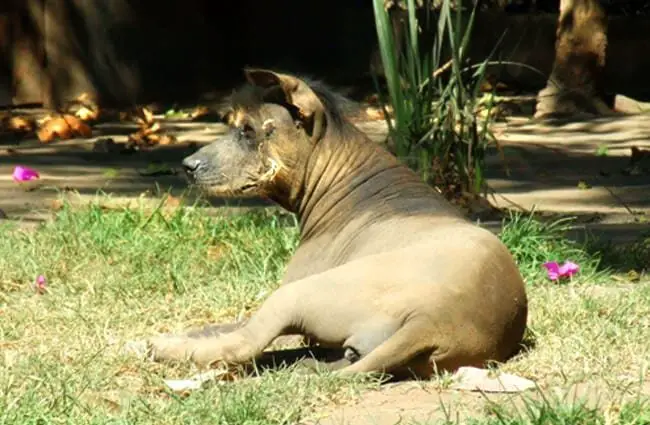
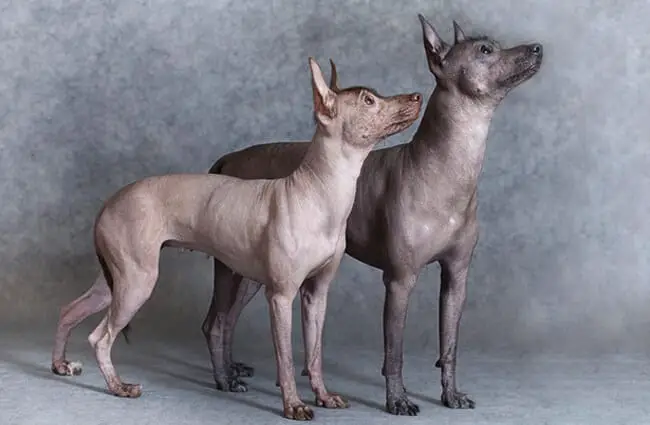
The Xoloitzcuintli is best known for its lack of coat hair, although some individuals are born with a short, sparse coat. This hairlessness is due to a dominant gene, and coated Xolos can occur. The skin of a hairless Xolo is typically black or slate gray, though variations in pigmentation can occur. The skin should be smooth and resilient.
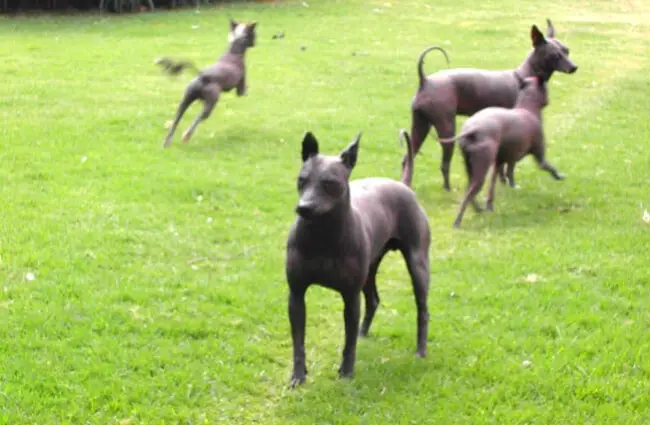
Xolos come in three sizes: toy, miniature, and standard, ranging in height from 10 to 24 inches and weight from 5 to 55 pounds. Their build is muscular and athletic, with a well-proportioned body. The head is apple-shaped, and the ears are erect and pointed. The tail is long and tapers to a point. The eyes are typically dark and almond-shaped, conveying an alert and intelligent expression.
Coat Variations and Skin Care
While often hairless, a coated Xolo will have a short, close-lying coat that requires minimal grooming. Hairless Xolos require diligent skin care to prevent dryness and sunburn. Regular moisturizing with a dog safe lotion is essential, especially in harsh climates. Protecting the skin from extreme sun exposure is crucial. Some individuals are prone to skin allergies or infections, requiring veterinary attention.
Behavior and Temperament
Xoloitzcuintlis are known for their intelligence, loyalty, and independent spirit. They form strong bonds with their families but can be reserved with strangers. Early socialization is vital to ensure they develop into well-adjusted adults. They are generally quiet dogs, but they will alert bark when necessary.
Xolos are energetic and require regular exercise to stay physically and mentally stimulated. They excel in dog sports like agility, obedience, and lure coursing. They are also surprisingly adept at problem-solving and enjoy interactive games. Due to their independent nature, training can be challenging, requiring patience, consistency, and positive reinforcement.
Habitat and Distribution
Historically, the Xoloitzcuintli was widespread throughout Mexico and parts of Central America. Today, they can be found in various parts of the world, particularly in the United States, Canada, and Europe. As a domesticated breed, they are not typically found in truly wild habitats, although feral populations may exist in some areas. They are adaptable to various climates, but they require protection from extreme temperatures due to their lack of coat.
Diet and Hunting Behavior
As carnivores, Xoloitzcuintlis thrive on a meat-based diet. In the wild, their ancestors would have preyed on small animals and scavenged for food. Modern Xolos do well on high-quality commercial dog food formulated for their age and activity level. Supplementing their diet with occasional cooked meats, vegetables, and fruits can provide additional nutrients.
While not primarily known as hunting dogs, their alertness and athleticism suggest they retain some predatory instincts. They may exhibit chasing behavior, particularly towards small animals. Providing them with appropriate outlets for their energy, such as fetch or interactive toys, can help manage these instincts.
Mating and Reproduction
Xoloitzcuintlis typically reach sexual maturity between 6 and 12 months of age. The estrous cycle in females lasts approximately three weeks, with peak fertility occurring around day 10 to 14. Gestation lasts approximately 63 days. Litter sizes typically range from 3 to 8 puppies.
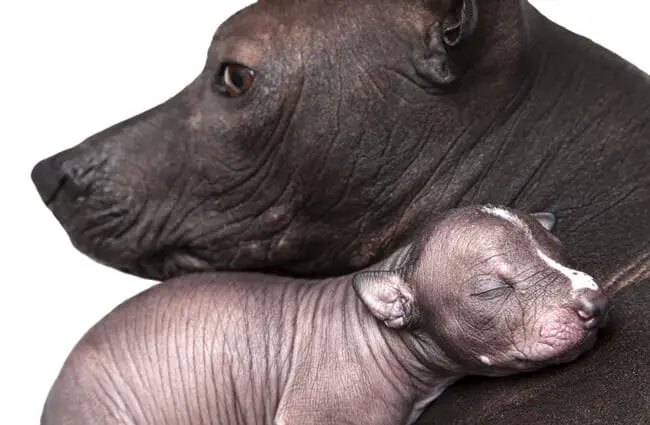
Due to their unique genetic makeup, responsible breeding practices are crucial to maintain the health and diversity of the breed. Breeders should carefully screen for genetic health problems and avoid mating closely related individuals. Puppies require careful socialization and early veterinary care. Due to the possible lack of fur, puppies are also susceptible to cold and need to be protected.
Ecological Role and Interactions
As a domesticated breed, the Xoloitzcuintli’s direct impact on the natural ecosystem is limited. However, they play a role in the human ecosystem as companions and working dogs. Their presence can contribute to the biodiversity of urban and suburban environments.
Historically, they may have played a role in pest control by preying on rodents and other small animals. In modern times, they can interact with other animals through companionship and play. They typically get along well with other dogs and cats when properly socialized.
Cultural Significance
The Xoloitzcuintli holds a special place in Mexican culture and folklore. They were considered sacred by the Aztecs and Mayans, believed to possess spiritual powers. They were often sacrificed in religious ceremonies and were associated with the god Xolotl, who guided the souls of the dead.
Today, the Xolo is considered a national symbol of Mexico and is often featured in art, literature, and tourism. The breed is gaining popularity worldwide, attracting enthusiasts who appreciate its unique history, appearance, and temperament.
Interacting with Xoloitzcuintlis in the Wild (and Captivity)
Given their domesticated nature, encountering a true “wild” Xoloitzcuintli is highly unlikely. However, if you do encounter a stray or feral dog resembling a Xolo, it’s best to exercise caution. Do not approach the dog, and avoid direct eye contact. Report the sighting to local animal control authorities.
For zookeepers or caretakers, Xolos require consistent skin care, protection from harsh weather, and mental stimulation. A balanced diet and regular veterinary check-ups are essential. Providing them with puzzle toys and opportunities for social interaction can help maintain their well-being. Avoid exposing them to extreme temperatures, and monitor their skin for signs of irritation or infection.
Fun Facts about Xoloitzcuintlis
- They are hypoallergenic, making them suitable for people with allergies.
- Xolos have a unique ability to warm their skin in cold weather.
- They have a long lifespan, often living 12 to 15 years.
- Xolos are known for their intelligence and trainability.
- They are relatively quiet dogs, making them good apartment companions.
The Xoloitzcuintli is a remarkable breed with a rich history and unique characteristics. From its ancient origins to its modern-day popularity, this fascinating canine continues to captivate and inspire. Understanding its needs, temperament, and cultural significance is essential for anyone considering adding a Xolo to their family or appreciating this remarkable breed.




![Closeup of a beautiful Red Angus cowPhoto by: U.S. Department of Agriculture [pubic domain]https://creativecommons.org/licenses/by/2.0/](https://animals.net/wp-content/uploads/2020/03/Red-Angus-4-100x75.jpg "Red Angus")