In the vast tapestry of canine breeds, some stand out not just for their striking appearance but for a heritage steeped in purpose and partnership. Among these, the Wirehaired Vizsla emerges as a true marvel, a testament to careful breeding and a living embodiment of the hunter’s ideal companion. Often overshadowed by its smoother-coated cousin, this rugged Hungarian gundog possesses a unique charm and a suite of abilities that make it a fascinating subject for anyone from the casual admirer to the dedicated zoologist.
Imagine a dog with the elegance of a pointer, the tenacity of a retriever, and a coat built to withstand the harshest elements. That, in essence, is the Wirehaired Vizsla, a breed forged in the crucible of necessity and refined over generations. Let us embark on a journey to uncover the depths of this remarkable animal, exploring its origins, its life, and its profound connection to both the natural world and human culture.
The Wirehaired Vizsla: An Overview
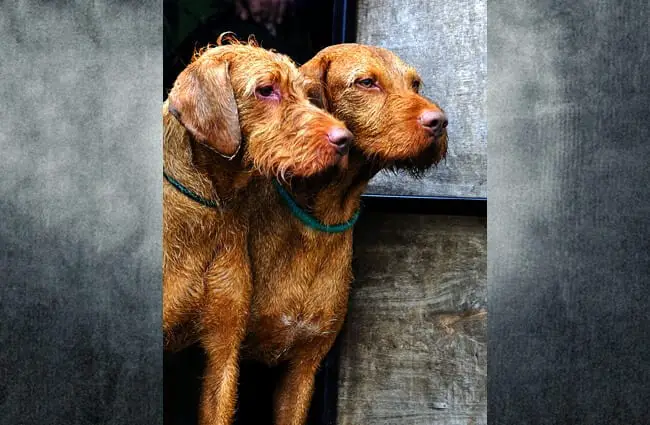
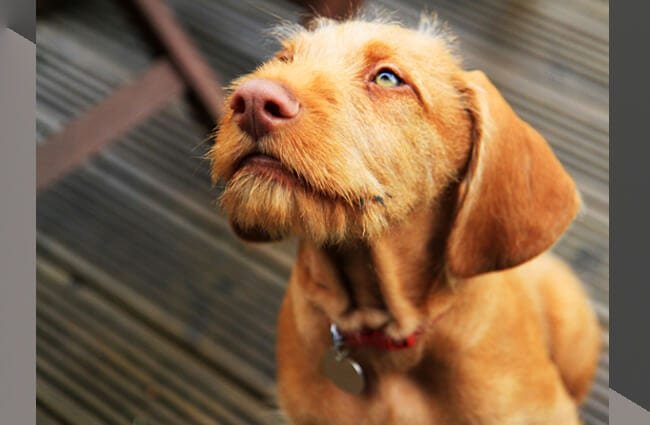
At first glance, the Wirehaired Vizsla captivates with its distinctive appearance. This medium-sized sporting dog boasts a dense, wiry coat that ranges from a golden rust to a sandy yellow, offering both camouflage and protection. Its expressive eyes, often matching the coat color, convey intelligence and a gentle disposition. Males typically stand between 23 to 25 inches at the shoulder, weighing 55 to 65 pounds, while females are slightly smaller, 21 to 23 inches and 45 to 55 pounds. Their lean, muscular build speaks to their athletic prowess and endurance.
Beyond their looks, Wirehaired Vizslas are renowned for their temperament. They are affectionate, loyal, and highly intelligent, forming strong bonds with their human families. Their energetic nature demands significant physical and mental stimulation, making them ideal companions for active individuals or families. They are known for their “Velcro” personality, often preferring to be close to their owners, a trait that endears them to many but also highlights their need for companionship.
A Glimpse into History and Evolution
The story of the Wirehaired Vizsla is one of intentional creation, born from a desire to enhance the already esteemed Hungarian Vizsla. The original Vizsla, with its smooth, short coat, excelled in hunting but sometimes struggled in colder water or dense, thorny cover. To address these challenges, Hungarian breeders in the 1930s embarked on a selective breeding program. They crossed the traditional Smooth-Haired Vizsla with the German Wirehaired Pointer and possibly other wire-coated breeds like the Pudelpointer. The goal was to retain the Vizsla’s exceptional hunting abilities, gentle temperament, and distinctive golden-rust color, while adding a protective, weather-resistant coat and a more robust build.
This careful evolution resulted in a dog perfectly suited for hunting waterfowl and upland game in the varied terrain and climate of Hungary. The breed gained official recognition in Hungary in the 1940s and later by international kennel clubs, including the American Kennel Club (AKC) in 2014, a testament to its distinct characteristics and growing popularity.
Habitat and Distribution: A Domesticated Explorer
While the term “habitat” typically refers to the natural environment of wild species, for the Wirehaired Vizsla, its primary habitat is within human households. As a domesticated breed, they are found globally, wherever people appreciate their unique qualities. However, their ideal environment mirrors their working heritage: open spaces, access to water, and opportunities for vigorous exercise. They thrive in homes with large yards or in rural settings where they can run freely and explore safely.
Geographically, their highest concentrations are naturally found in Hungary, their country of origin, and increasingly in North America and Western Europe, where their reputation as versatile hunting dogs and devoted family pets has grown. They are not found “in the wild” in the traditional sense, as they are entirely dependent on humans for survival. Any Wirehaired Vizsla encountered alone in a wilderness setting would almost certainly be a lost or abandoned pet.
Diet and Nutritional Needs
The Wirehaired Vizsla’s diet is crucial for maintaining its high energy levels and overall health. As active, medium-to-large breed dogs, they require a high-quality diet rich in protein and healthy fats. Commercial dog foods formulated for active breeds or working dogs are generally suitable. The specific caloric intake will vary based on age, activity level, and metabolism, but typically ranges from 1,500 to 2,000 calories per day for an adult dog engaged in regular exercise.
For working dogs or those involved in intense activities like hunting or dog sports, their diet may need to be adjusted to provide even higher energy density. Fresh water should always be available. It is important to monitor their weight to prevent obesity, which can lead to joint problems and other health issues. Consulting with a veterinarian or a canine nutritionist can help tailor a diet plan specific to an individual dog’s needs.
Mating and Reproduction: Responsible Breeding
Like all domesticated canines, Wirehaired Vizslas reproduce sexually. Females typically reach sexual maturity between 6 to 12 months, experiencing their first estrus cycle (heat). Breeding usually occurs when both male and female are physically mature and genetically sound, often after two years of age to ensure full development and health clearances. The gestation period for dogs is approximately 63 days, resulting in litters that can range from 4 to 10 puppies, though smaller or larger litters are possible.
Responsible breeding practices are paramount for the Wirehaired Vizsla. This includes health screening for genetic conditions common in the breed, such as hip and elbow dysplasia, eye conditions, and certain cancers. Breeders also focus on temperament, ensuring that only dogs with sound, stable personalities are bred, contributing to the continuation of the breed’s excellent characteristics. The welfare of the dam and puppies is the highest priority throughout the breeding and whelping process.
Contribution to Ecosystem and Interaction with Other Animals
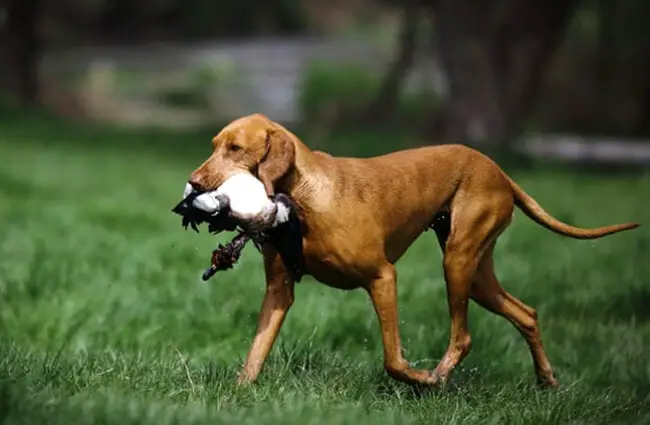
As a domesticated breed, the Wirehaired Vizsla’s direct contribution to natural ecosystems is minimal, unlike wild species. However, their role as hunting dogs means they interact with wildlife in a managed capacity. When working with human hunters, they retrieve downed game, primarily birds, which can be seen as part of a regulated wildlife management system. Their keen sense of smell and pointing ability help hunters locate game, potentially reducing lost animals.
In a domestic setting, their interactions with other animals are largely shaped by early socialization. Well-socialized Wirehaired Vizslas can coexist peacefully with other dogs and even cats, though their strong prey drive means they may instinctively chase smaller, fast-moving animals. Their interactions with livestock require careful supervision and training to prevent chasing or harassment. They are generally friendly towards other dogs, especially when introduced properly.
Contribution to Human Culture and Interaction with Humans
The Wirehaired Vizsla’s contribution to human culture is significant, primarily through its role as a versatile sporting dog and a cherished family companion. They embody the ideal of a “dual-purpose” dog, excelling in the field during hunting season and transitioning seamlessly into a loving household pet. Their intelligence and eagerness to please make them highly trainable, leading to success in various canine sports such as obedience, agility, flyball, and dock diving.
Their affectionate nature and desire for human companionship have cemented their place as beloved family members. They are known for their gentle demeanor with children, though their energy levels require supervision to prevent accidental bumps during play. Their loyalty and protective instincts, combined with their striking appearance, also make them popular in dog shows and as photographic subjects, further embedding them into popular culture.
A Huge List of Interesting Facts about Wirehaired Vizslas
- The “Velcro Vizsla”: This nickname applies to both Wirehaired and Smooth Vizslas due to their intense desire to be close to their human companions, often following them from room to room.
- Hungarian Heritage: They are one of Hungary’s national treasures, developed specifically to withstand the country’s varied terrain and climate.
- Distinctive Coat: Their wiry coat is not just for looks; it provides excellent protection against thorns, brush, and cold water, making them superior retrievers in harsh conditions.
- Whisker Wonders: The prominent facial furnishings (beard and eyebrows) are characteristic of the breed and serve to protect their face from brush and debris.
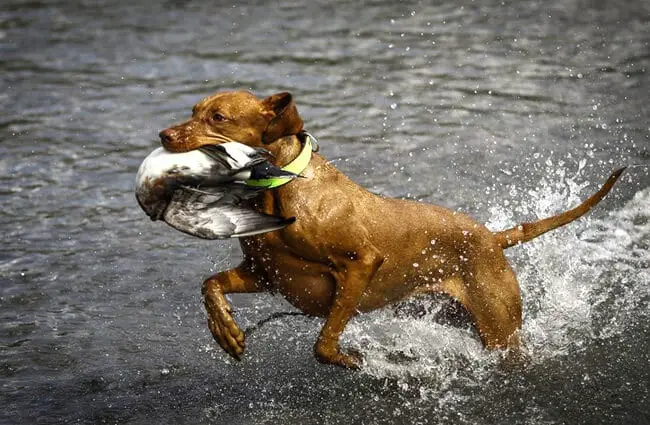
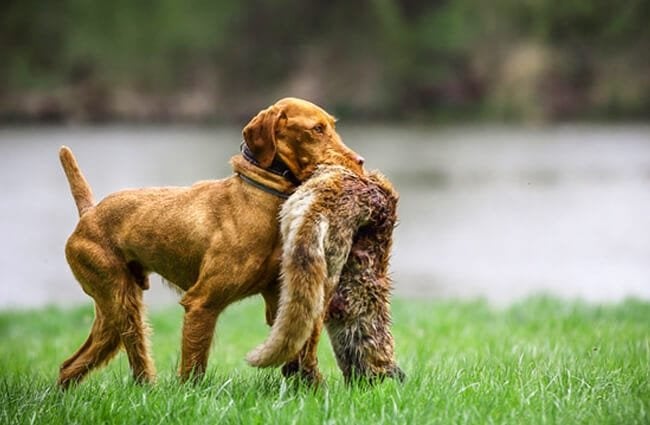
- Excellent Swimmers: Wirehaired Vizslas love water and are natural swimmers, a trait invaluable for retrieving waterfowl.
- High Energy: These dogs require at least an hour or two of vigorous exercise daily to stay happy and healthy. Without it, they can become bored and destructive.
- Sensitive Souls: Despite their rugged exterior, they are quite sensitive and respond best to positive reinforcement training methods. Harsh corrections can damage their confidence.
- Late Bloomers: Wirehaired Vizslas can retain their puppy-like energy and playfulness well into their adult years, sometimes until they are three or four years old.
- Rare Breed: Compared to many other sporting breeds, the Wirehaired Vizsla is still relatively rare, making them a unique choice for those seeking a less common companion.
- Versatile Hunters: They are true all-around gundogs, capable of pointing, retrieving on land, and retrieving from water.
For the Aspiring Zoologist: Deeper Insights
For those delving deeper into animal science, the Wirehaired Vizsla offers a fascinating case study in selective breeding and behavioral adaptation. Their genetic makeup reflects a blend of traits from their parent breeds, resulting in a robust and intelligent animal. Studying their prey drive, for instance, reveals innate behaviors like pointing and retrieving, which are hardwired responses honed over generations of selective breeding for specific hunting tasks. This makes them excellent subjects for ethological studies on canine working behavior.
From a physiological perspective, their athletic build and dense coat are adaptations for endurance and protection in varied environments. Their keen olfactory senses are exceptional, making them candidates for scent detection work beyond hunting, such as search and rescue or detection of specific substances. Understanding their social structure within a human family unit also provides insights into canine domestication and the formation of interspecies bonds, highlighting their strong pack mentality and desire for leadership from their human counterparts.
Encountering a Wirehaired Vizsla in the Wild: What to Do
It is crucial to reiterate that Wirehaired Vizslas are domesticated animals and do not naturally exist “in the wild.” If you encounter a Wirehaired Vizsla alone in a wilderness area, it is almost certainly a lost or abandoned pet. Such an animal would be disoriented, potentially frightened, and vulnerable. Here is what to do:
- Do Not Approach Hastily: A scared dog may bite. Approach calmly and speak in a soft, reassuring voice.
- Observe from a Distance: Look for signs of injury, a collar, or tags.
- Offer Food and Water: If the dog seems receptive, you can try to lure it with food.
- Check for Identification: If you can safely get close, check for an ID tag with owner information.
- Contact Local Authorities: Report the sighting to animal control, a local shelter, or the police. Provide a detailed description of the dog and its location.
- Do Not Attempt to Capture if Unsafe: If the dog appears aggressive or overly fearful, prioritize your safety and wait for professionals.
Remember, a lost Wirehaired Vizsla needs help to be reunited with its family, as it lacks the survival skills of a wild animal.
Caring for a Wirehaired Vizsla in Captivity: A Zookeeper’s Guide
While typically not found in zoos, if a Wirehaired Vizsla were under captive care, such as in a rescue facility or specialized animal park, its needs would be extensive, reflecting its high intelligence and energy. A zookeeper’s tasks would focus on holistic well-being:
Daily Tasks:
- Exercise Regimen: At least two hours of vigorous exercise daily, including running, swimming, and structured play. This could involve long walks, off-leash running in secure areas, or participation in canine sports.
- Mental Stimulation: Daily training sessions (obedience, scent work, puzzle toys) to challenge their intelligent minds. Boredom leads to destructive behaviors.
- Dietary Management: High-quality, protein-rich diet tailored to their activity level. Regular feeding schedule and monitoring of intake.
- Grooming: Weekly brushing to remove loose hair and prevent matting. Regular hand-stripping (every few months) is essential to maintain the coat’s texture and protective qualities. Nail trims, ear cleaning, and dental care are also vital.
- Health Checks: Daily visual inspection for injuries, changes in appetite or behavior. Regular veterinary check-ups, vaccinations, and parasite control.
- Social Interaction: Wirehaired Vizslas are highly social. They require significant human interaction and companionship. Isolation should be avoided.
What to Avoid:
- Lack of Exercise: This is the most critical avoidance. An under-exercised Wirehaired Vizsla will become anxious, destructive, and potentially develop behavioral issues.
- Isolation: Leaving them alone for extended periods without companionship can lead to separation anxiety.
- Harsh Training Methods: They are sensitive dogs. Avoid punitive training, which can cause fear and distrust.
- Inadequate Grooming: Neglecting their wire coat can lead to skin issues and discomfort.
- Poor Diet: Feeding low-quality food or overfeeding can lead to health problems.
- Lack of Mental Engagement: Without puzzles, training, or new experiences, they can become bored and lethargic.
Caring for a Wirehaired Vizsla in any captive setting requires dedication to meeting their profound physical and mental needs, mirroring the active lifestyle they were bred for.
Conclusion: A Rugged Gem
The Wirehaired Vizsla stands as a testament to the art of canine breeding, a dog purpose-built for the field yet possessing a heart full of affection for its human companions. From its fascinating evolutionary journey to its specific dietary and exercise needs, every aspect of this breed speaks to its unique blend of ruggedness and refinement. Whether you are a student researching canine history, an animal lover seeking a loyal friend, an aspiring zoologist studying behavior, or a zookeeper dedicated to animal welfare, the Wirehaired Vizsla offers a wealth of knowledge and a captivating presence.
This Hungarian gundog is more than just a beautiful face; it is a living example of how humans and animals can forge an incredible partnership, enriching each other’s lives and contributing to a shared history. Understanding and appreciating the Wirehaired Vizsla means recognizing its needs, respecting its heritage, and celebrating its enduring spirit.


![Closeup of a beautiful Red Angus cowPhoto by: U.S. Department of Agriculture [pubic domain]https://creativecommons.org/licenses/by/2.0/](https://animals.net/wp-content/uploads/2020/03/Red-Angus-4-100x75.jpg "Red Angus")