
A Comprehensive Guide to the West Highland White Terrier
The West Highland White Terrier, affectionately known as the “Westie,” is a small dog with a big personality. Originating from the Scottish Highlands, this breed has captured the hearts of dog lovers worldwide. This guide delves into every facet of the Westie, from its historical roots to its unique behavioral traits and specific care requirements, offering a complete picture for prospective owners and dedicated enthusiasts.

History and Origins
The Westie’s story begins in the rugged Scottish Highlands. These terriers were originally bred to hunt vermin, particularly foxes, badgers, and otters. They were part of a larger group of white terriers that included the Cairn Terrier, Scottish Terrier, and Dandie Dinmont Terrier. The Campbell family of Argyll is credited with selectively breeding all‑white dogs, believing the white coat would make it easier to distinguish them from the quarry and prevent accidental shootings during hunts.
Early Westies were working dogs, valued for their tenacity and courage. The breed gained popularity in the late 19th and early 20th centuries, becoming a favorite among royalty and fashionable society. Today, while still retaining a hunter’s instinct, the Westie is primarily a companion animal, cherished for its playful and affectionate nature.
Physical Characteristics
Size and Weight
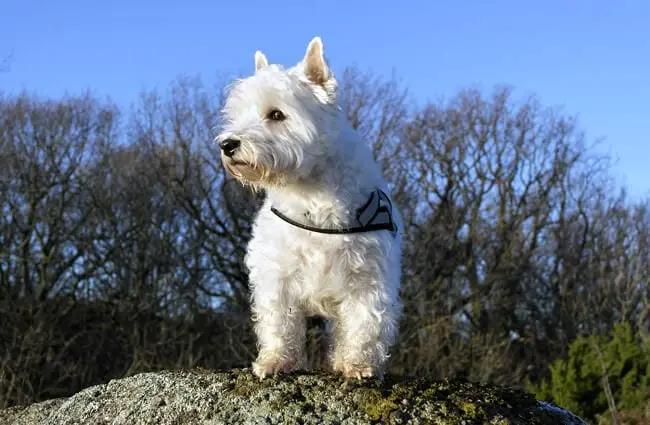
West Highland White Terriers are small but sturdy dogs. Males typically stand 10 to 11 inches tall at the shoulder and weigh between 15 and 20 pounds. Females are slightly smaller, reaching 9 to 10 inches in height and weighing 13 to 16 pounds. Their compact build belies a surprisingly strong and agile physique.
Coat and Color
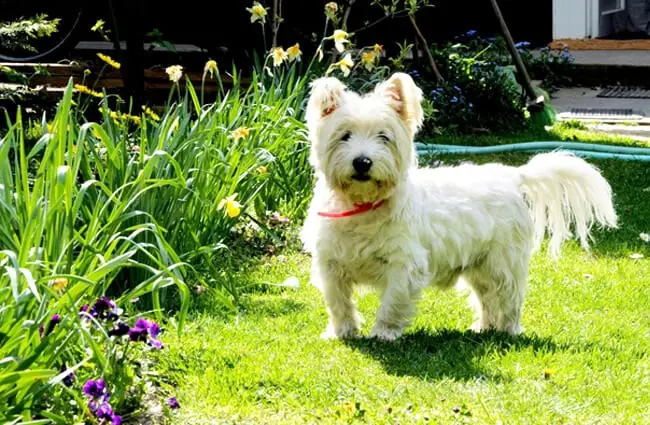
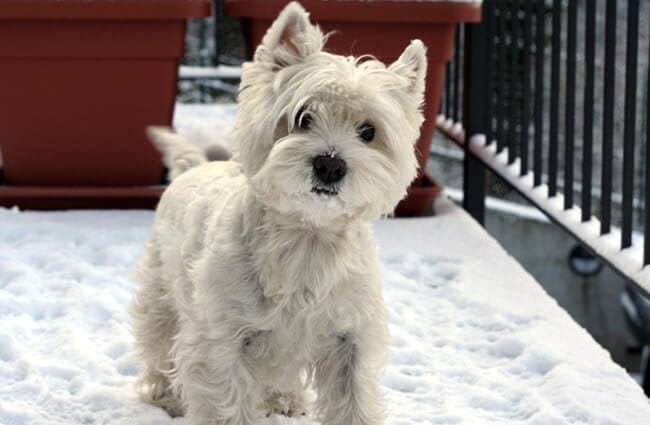
The hallmark of the Westie is its distinctive white coat. This double coat consists of a coarse outer layer and a soft undercoat. While the breed standard calls for a pure white coat, puppies may be born with cream or tan markings that usually fade as they mature. The coat needs regular grooming to maintain its appearance and prevent matting.

Temperament and Behavior
Westies are known for their confident, independent, and playful personalities. They are intelligent dogs, which can make training both rewarding and challenging. They possess a strong prey drive inherited from their hunting ancestry and may chase small animals. Early socialization is crucial to help them get along with other pets.
They can be somewhat headstrong and stubborn, requiring a patient and consistent approach to training. Positive reinforcement methods, such as treats and praise, are most effective. Westies are also known to be vocal and may bark to alert their owners to anything unusual.
Caring for Your Westie
Grooming
The Westie’s coat requires regular grooming to stay healthy and looking its best. Brushing several times a week will help prevent matting and remove loose hair. Professional grooming, including stripping the coat a few times a year, is recommended to maintain its texture and appearance. Regular ear cleaning is also essential, as Westies are prone to ear infections.
Exercise
Despite their small size, Westies are energetic dogs that need regular exercise. Daily walks, playtime in a securely fenced yard, and interactive games will help keep them physically and mentally stimulated. They enjoy digging, so providing a designated digging area can help satisfy this natural instinct.
Diet
A high-quality diet formulated for small breeds is essential for maintaining a Westie’s health. Portion control is important, as they can be prone to weight gain. Avoid feeding them table scraps or giving them too many treats. Consult with a veterinarian to determine the appropriate diet and feeding schedule for your dog.
Health Considerations
While generally a healthy breed, Westies are prone to certain health conditions. These include skin allergies, atopy, and various eye conditions such as cataracts and progressive retinal atrophy. They can also be susceptible to Legg‑Calvé‑Perthes disease, a hip disorder, and patellar luxation, which is a dislocated kneecap. Responsible breeders screen their dogs for these conditions to minimize the risk of passing them on to their puppies.
Regular veterinary checkups are essential for early detection and treatment of any health problems. Be sure to discuss any concerns you have with your veterinarian.
Training and Socialization
Early socialization and consistent training are crucial for Westies. Expose them to a variety of people, places, and situations from a young age to help them become well‑adjusted and confident adults. Enroll them in puppy obedience classes to teach them basic commands and good manners. Positive reinforcement methods are most effective, but be prepared to be firm and consistent.
Westies are intelligent but can be stubborn, so patience is key. Keep training sessions short and engaging, and reward them generously for their efforts. Address any behavioral issues promptly and seek professional help if needed.
Is a Westie Right for You?
The West Highland White Terrier is a charming and spirited breed that can make a wonderful companion for the right owner. They thrive in active households where they receive plenty of attention, exercise, and mental stimulation. They can be a good choice for families with older children who understand how to interact with a small dog. However, they may not be the best choice for households with very young children or other small pets, due to their strong prey drive and independent nature.

If you are considering adding a Westie to your family, be prepared to provide them with the time, attention, and care they need to thrive. With proper training, socialization, and grooming, a Westie can bring years of joy and companionship to your life.




![Closeup of a beautiful Red Angus cowPhoto by: U.S. Department of Agriculture [pubic domain]https://creativecommons.org/licenses/by/2.0/](https://animals.net/wp-content/uploads/2020/03/Red-Angus-4-100x75.jpg "Red Angus")