A Comprehensive Guide to the Welsh Springer Spaniel
The Welsh Springer Spaniel, a vibrant and energetic breed, often flies under the radar compared to its more famous cousins, the English and Cocker Spaniels. However, those in the know recognize this breed as a tenacious hunter, a loyal companion, and a surprisingly versatile family dog. This guide delves into the history, characteristics, and care requirements of the Welsh Springer Spaniel, providing potential owners with everything they need to determine if this breed is the right fit for their lifestyle.
History and Origins
The Welsh Springer Spaniel boasts a lineage stretching back centuries, deeply rooted in the rugged terrain of Wales. Unlike many modern breeds, its development wasn’t heavily influenced by Victorian show standards. This means the Welsh Springer has retained much of its working ability and original temperament. Its ancestors were likely the spaniels brought to Wales by the Normans, which then adapted to the challenging Welsh landscape, excelling at flushing and retrieving game, particularly in dense undergrowth.
Historically, these dogs were prized possessions of Welsh gamekeepers and farmers. They weren’t bred for appearance, but for their unwavering drive, stamina, and ability to work tirelessly in all conditions. The breed nearly faced extinction after World War I, but dedicated breeders worked diligently to preserve its unique characteristics, ensuring its survival to this day.
Physical Characteristics
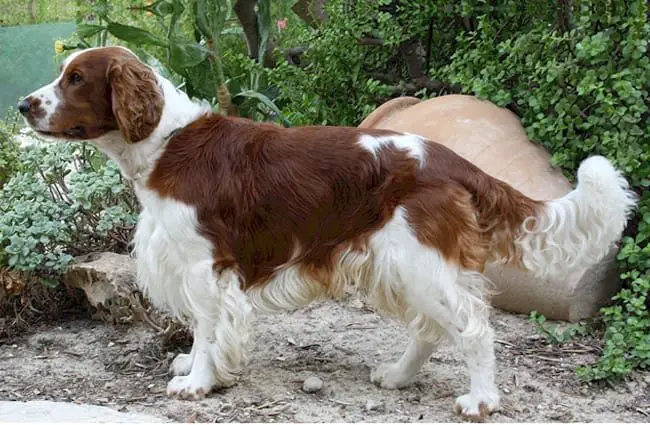
The Welsh Springer Spaniel is a medium-sized dog, possessing a beautifully balanced and athletic build. Males typically stand between 19 and 21 inches tall and weigh 40 to 50 pounds, while females are slightly smaller, ranging from 18 to 19 inches and weighing 35 to 45 pounds. Their coat is moderately long, dense, and water-resistant, providing ample protection from the elements.
The most distinctive feature of the Welsh Springer is its rich red and white coloration. The red can range from a bright, fiery hue to a deeper, liver shade, and is always accompanied by white markings on the chest, face, legs, and tip of the tail. They have expressive, dark brown eyes that convey intelligence and enthusiasm. Their ears are relatively small and hang close to the head, giving them a slightly different appearance from other spaniels.

Temperament and Behavior
Welsh Springer Spaniels are known for their cheerful, affectionate, and enthusiastic personalities. They are incredibly loyal to their families and thrive on human companionship. This breed possesses a remarkable combination of energy and gentleness, making them wonderful companions for both active individuals and families with children.
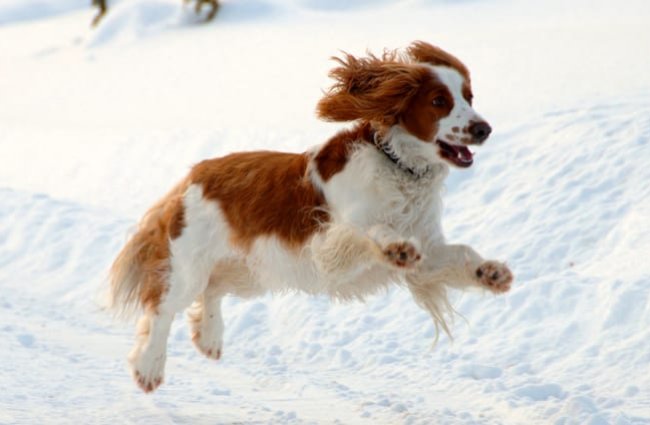
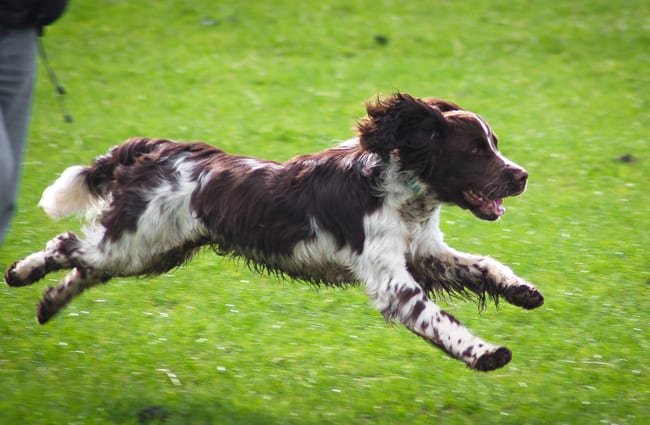
However, it’s important to understand that Welsh Springers are working dogs at heart. They require a significant amount of physical and mental stimulation to prevent boredom and destructive behaviors. They excel in canine sports like agility, flyball, and obedience, but even regular walks, runs, and playtime in a securely fenced yard are essential. Early socialization is crucial to ensure they are well adjusted and confident around strangers and other animals.
They can be sensitive dogs, responding best to positive reinforcement training methods. Harsh corrections can damage their trust and lead to behavioral problems. Welsh Springers also have a tendency to be a bit independent and can sometimes exhibit a stubborn streak, so patience and consistency are key during training.
Care Requirements
Caring for a Welsh Springer Spaniel requires a commitment to providing adequate exercise, grooming, and veterinary care. Here’s a breakdown of the essential needs:
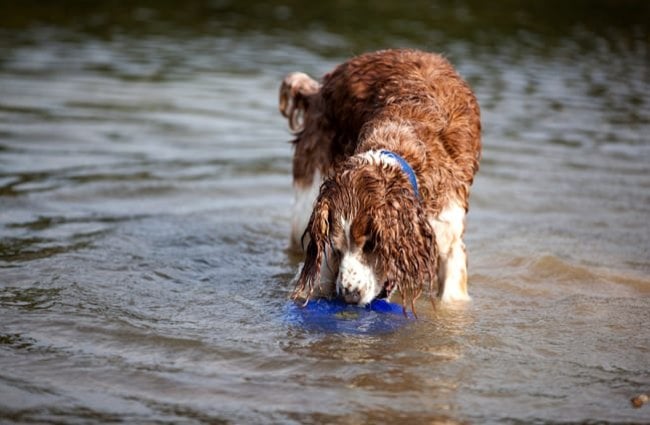
- Exercise: At least one to two hours of vigorous exercise per day is crucial. This can include running, hiking, swimming, or participating in canine sports.
- Grooming: The Welsh Springer’s coat requires regular brushing, several times a week, to prevent matting and tangles. Occasional bathing is also necessary. Feathering on the ears and legs should be checked regularly for debris and potential infections.
- Diet: A high quality dog food formulated for active breeds is essential. The amount of food will vary depending on the dog’s age, activity level, and metabolism.
- Veterinary Care: Regular check-ups, vaccinations, and parasite prevention are vital for maintaining optimal health. Welsh Springers are prone to certain health conditions, such as hip dysplasia, elbow dysplasia, and progressive retinal atrophy, so it’s important to find a veterinarian experienced with the breed.
Suitability for Different Lifestyles
The Welsh Springer Spaniel is best suited for active individuals or families who can provide ample exercise, mental stimulation, and companionship. They thrive in homes with securely fenced yards where they can run and play. While they can adapt to apartment living, it’s crucial to ensure they receive enough exercise to prevent boredom and destructive behaviors.
They generally do well with children, especially when raised together. However, it’s important to supervise interactions between young children and dogs and to teach children how to interact with dogs respectfully. With proper socialization, they can also coexist peacefully with other dogs and cats.
Health Considerations
While generally a healthy breed, Welsh Springer Spaniels are prone to certain health conditions. Responsible breeders screen their breeding dogs for these conditions to minimize the risk of passing them on to their puppies. Some of the most common health concerns include:
- Hip Dysplasia: A genetic condition that affects the hip joint, leading to arthritis and pain.
- Elbow Dysplasia: Similar to hip dysplasia, but affecting the elbow joint.
- Progressive Retinal Atrophy (PRA): A degenerative eye disease that can lead to blindness.
- Autoimmune Diseases: Welsh Springers can be prone to certain autoimmune conditions, such as autoimmune hemolytic anemia (AIHA).
- Ear Infections: Their floppy ears can trap moisture and create a breeding ground for bacteria, leading to ear infections.
Interesting Facts
Beyond their charming personality and working ability, Welsh Springer Spaniels possess some unique characteristics:
- They are known for their distinctive “Welsh Smile” – a slightly upturned mouth that gives them a perpetually happy expression.
- They have a strong prey drive, so it’s important to keep them on a leash or in a securely fenced area when outdoors.
- They are relatively rare compared to other spaniels, making them a bit of a hidden gem.
- Historically, they were often referred to as “Welsh Cockers,” but the breed club officially changed the name to Welsh Springer Spaniel to better reflect their distinct characteristics.
Concluding Thoughts
The Welsh Springer Spaniel is a remarkable breed that combines intelligence, energy, and affection. They are not a breed for everyone, requiring an active lifestyle and a commitment to providing ample exercise and mental stimulation. However, for those who can meet their needs, the Welsh Springer Spaniel offers a lifetime of companionship, loyalty, and boundless enthusiasm. If you’re looking for a versatile, energetic, and loving companion, the Welsh Springer Spaniel is certainly worth considering.



![Closeup of a beautiful Red Angus cowPhoto by: U.S. Department of Agriculture [pubic domain]https://creativecommons.org/licenses/by/2.0/](https://animals.net/wp-content/uploads/2020/03/Red-Angus-4-100x75.jpg "Red Angus")