The Golden Ghost: Unveiling the Magnificent Vizsla
In the vast tapestry of the animal kingdom, some creatures capture the imagination not just with their beauty, but with their profound connection to human history and endeavor. Among the most striking of these is the Vizsla, a dog breed often referred to as the “Golden Ghost” or “Velcro Vizsla.” This article delves into the captivating world of this Hungarian marvel, exploring its origins, unique characteristics, and its enduring legacy as both a skilled hunter and a cherished companion. Prepare to uncover the layers of this remarkable animal, from its ancient lineage to its modern-day role, presented through the lens of a zoologist fascinated by the intricate dance between species and environment.
The Vizsla: A Glimpse into the Hungarian Pointer
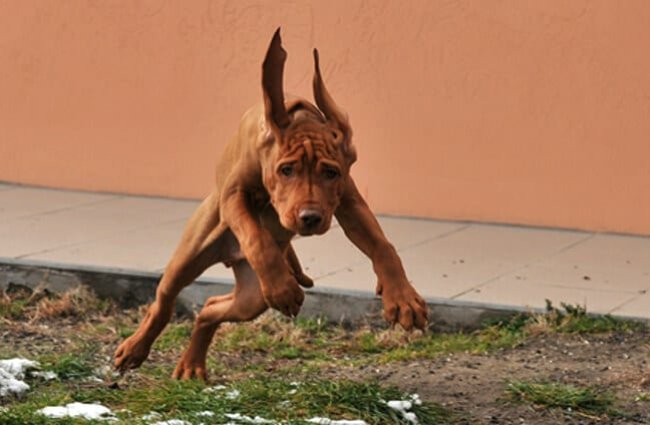
The Vizsla is more than just a dog; it is a living testament to centuries of selective breeding, a creature honed for specific tasks yet possessing an undeniable charm that transcends its working roots. Known for its striking russet gold coat and elegant athleticism, this breed stands out in any crowd.
Origin and Historical Roots
The story of the Vizsla begins in the Carpathian Basin, a region now largely encompassing Hungary, dating back over a thousand years. Its ancestors were the hunting dogs of the Magyar tribes, who swept into the area in the 9th century. These early dogs were crucial for survival, assisting in the hunt for game birds and small mammals. Over centuries, these dogs were refined, with records and etchings from the 10th century depicting dogs remarkably similar to the modern Vizsla. The breed faced near extinction after both World Wars, but dedicated breeders meticulously brought it back from the brink, preserving its unique genetic heritage. This rich history underscores the Vizsla’s deep evolutionary connection to its human partners, evolving alongside them in a symbiotic relationship focused on sustenance and companionship.
Physical Characteristics
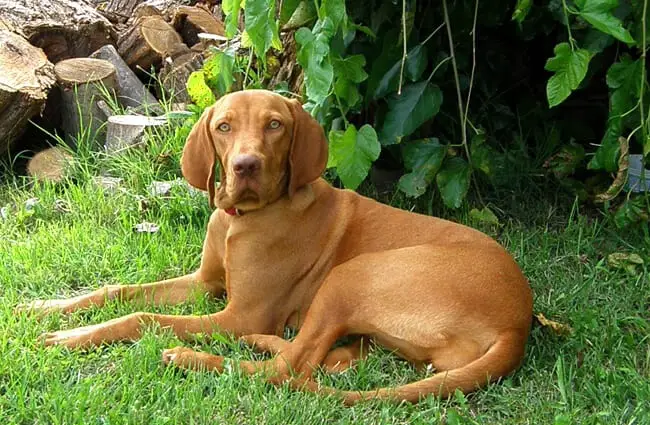
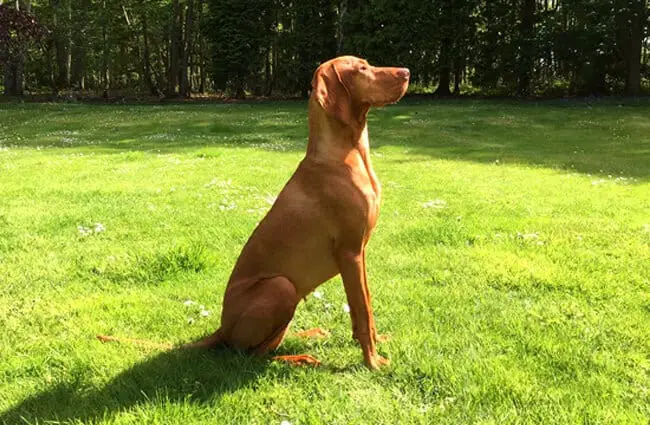
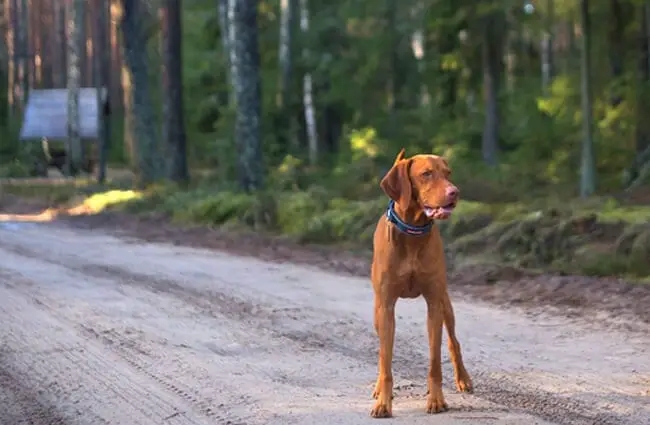
A Vizsla’s appearance is as distinctive as its personality. These are medium-sized dogs, typically standing between 21 and 24 inches at the shoulder and weighing between 45 and 65 pounds. Their most iconic feature is undoubtedly their short, smooth, dense, and lustrous russet gold coat, which gives them their “golden” moniker. This coat requires minimal grooming and offers excellent protection against the elements. Their lean, muscular build speaks to their athletic prowess, designed for speed, agility, and endurance in the field. The eyes, often matching the coat color, convey an intelligent and gentle expression, while their long, silky ears frame a noble head. The tail is typically docked in countries where it is permitted, a practice historically done to prevent injury during hunting, though in many places, it is now left natural.
Temperament and Personality
Beyond their physical beauty, Vizslas are renowned for their exceptional temperament. They are intelligent, sensitive, and highly affectionate dogs, earning them the nickname “Velcro Vizsla” due to their strong desire to be close to their human companions. This breed thrives on interaction and can develop separation anxiety if left alone for extended periods. They are known for their boundless energy, requiring significant daily exercise and mental stimulation to remain happy and well-adjusted. Their gentle nature makes them generally good with children and other animals, provided they are properly socialized from a young age. Their keen intelligence makes them highly trainable, eager to please, and quick to learn, though their sensitivity means they respond best to positive reinforcement methods.
Life in the “Wild” (or Wild at Heart): Habitat and Behavior
While the Vizsla is a domesticated animal, its instincts are deeply rooted in the wild landscapes of its ancestors. Understanding their natural predispositions helps us appreciate their needs and behaviors.
Natural Instincts and Preferred Environments
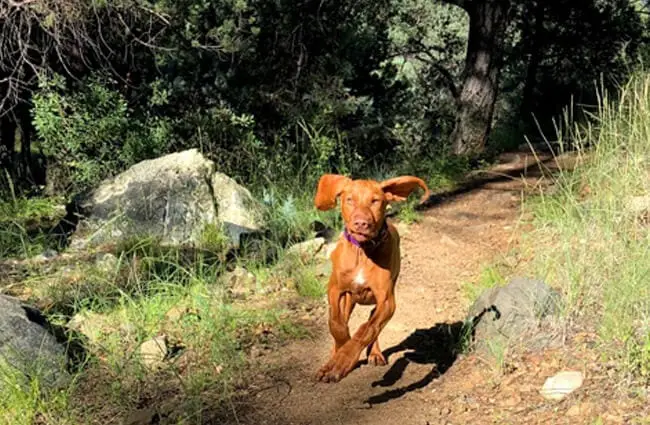
Vizslas are pointers, bred to locate and retrieve game birds. This means they possess an innate drive to hunt, point, and retrieve. Their ideal “habitat” for exercise and mental fulfillment mirrors the open fields, forests, and wetlands where they historically worked. They excel in environments that allow them to run freely, explore scents, and engage their powerful prey drive in a controlled manner. A Vizsla’s habitat, therefore, is not a wild, untamed wilderness, but rather a landscape that offers ample space for vigorous activity, such as large fenced yards, dog parks, hiking trails, and open countryside. They are not suited for sedentary lifestyles or small urban apartments without significant outdoor engagement.
Dietary Needs
Given their high energy levels and athletic build, Vizslas require a diet rich in protein and healthy fats to support their active lifestyle. A high-quality commercial dog food formulated for active breeds is generally recommended. The specific caloric intake will vary based on age, activity level, and individual metabolism, but it is crucial to avoid overfeeding, as Vizslas can be prone to weight gain if their exercise does not match their food intake. Fresh water should always be available. For working dogs or those involved in intense sports, dietary supplements or specialized performance diets might be considered under veterinary guidance.
Social Structure and Interaction
Vizslas are highly social animals. Within a human family, they typically form strong bonds with all members, often singling out one individual as their primary “person.” They thrive on being part of the family unit and do not do well as outdoor-only dogs. With other animals, early socialization is key. While they possess a strong prey drive, many Vizslas can coexist peacefully with cats and other household pets if introduced properly and raised together. Their interaction with other dogs is generally positive, especially if they have opportunities for supervised play. In the broader “ecosystem” of a household, they contribute a vibrant, affectionate, and sometimes boisterous presence, often acting as playful instigators.
The Vizsla’s Journey Through Time: Evolution and Heritage
Understanding the Vizsla’s evolution provides insight into its remarkable capabilities and enduring appeal.
Tracing the Ancestry
The Vizsla’s lineage can be traced back to the hunting dogs of the ancient Magyars. These dogs were likely a blend of various local hunting breeds and possibly some Eastern European or Asian hunting dogs brought by the migrating tribes. Over centuries, Hungarian noblemen and landowners selectively bred these dogs, focusing on traits like scenting ability, pointing instinct, retrieving skills, and a biddable temperament. The goal was to create a versatile hunting dog capable of working on various terrains and with different types of game, from upland birds to waterfowl. This meticulous selection process, often documented in historical records and artwork, shaped the Vizsla into the elegant and efficient hunter known today.
Contribution to Human Culture
The Vizsla’s contribution to human culture is multifaceted. Primarily, it served as an indispensable hunting partner, providing food and sport for centuries. Its ability to point and retrieve made it a valuable asset in the field, contributing directly to the sustenance and leisure activities of Hungarian nobility and commoners alike. Beyond hunting, the Vizsla has become a symbol of Hungarian heritage and pride, often featured in art, literature, and folklore. In modern times, its role has expanded to include that of a beloved family companion, a successful competitor in dog sports (such as agility, obedience, and field trials), and even a therapy dog, demonstrating its adaptability and profound impact on human well-being. The breed embodies loyalty, athleticism, and an unwavering spirit, making it a cultural icon in its homeland and beyond.
Reproduction and Life Cycle
The reproductive cycle of the Vizsla follows patterns common to most domestic dog breeds, with specific considerations for responsible breeding.
Mating Rituals and Gestation
Female Vizslas typically reach sexual maturity between 6 and 12 months of age, though responsible breeders usually wait until a female is at least two years old and has completed all necessary health screenings before breeding. The estrous cycle, or “heat,” occurs approximately every six months and lasts for about three weeks. During this time, the female becomes receptive to mating. Male Vizslas, once sexually mature, can breed year-round. Mating involves a courtship phase, followed by copulation and a “tie” where the dogs remain physically connected for a period. Gestation in Vizslas, like other dogs, lasts approximately 63 days. During this period, the pregnant female requires increased nutritional support and a calm environment.
Raising Pups
Vizsla litters typically consist of 6 to 8 puppies, though litter size can vary. The mother is highly protective and attentive during the initial weeks, nursing and cleaning her offspring. Puppies are born blind and deaf, relying entirely on their mother for warmth and nourishment. Their eyes open around 10-14 days, and their hearing develops shortly after. Socialization is critical during the early weeks, exposing puppies to various sights, sounds, people, and gentle handling to ensure they develop into well-adjusted adults. Responsible breeders play a crucial role in this process, providing a stimulating environment and ensuring the puppies are healthy and temperamentally sound before going to their new homes, typically around 8-10 weeks of age.
The Vizsla’s Role in the Ecosystem (and Human Ecosystem)
While not a wild animal, the Vizsla interacts with its environment and other species in significant ways, particularly within the human-dominated landscape.
Impact as a Domesticated Species
As a domesticated breed, the Vizsla’s primary “ecosystem” is the human household and the managed landscapes where it exercises. Its impact on natural ecosystems is largely indirect, through the actions of its human companions. For example, responsible ownership includes waste management, preventing escape, and ensuring the dog does not disturb wildlife. Conversely, irresponsible ownership can lead to negative impacts, such as stray dogs preying on local wildlife or contributing to overpopulation issues. Within the human ecosystem, Vizslas contribute significantly to emotional well-being, providing companionship, reducing stress, and encouraging physical activity in their owners.
Interaction with Wildlife
Due to their strong prey drive, Vizslas have an inherent instinct to chase and potentially catch small animals and birds. When exercised in natural areas, it is imperative to keep them leashed or under strict voice control to prevent them from disturbing or harming local wildlife. This is particularly important in areas with sensitive ecosystems or nesting birds. Their pointing instinct, while a valuable hunting trait, also means they will often “point” at wildlife, indicating its presence. This behavior, when managed responsibly, can be a fascinating display of their natural abilities without causing harm to the environment or its inhabitants.

Encountering a Vizsla: What to Do
Whether you are an animal lover seeking to connect with the breed or a hiker encountering one unexpectedly, knowing how to interact with a Vizsla is important.
In a Domestic Setting
If you are an animal lover aiming to find a Vizsla, the best place to encounter one is through reputable breeders, rescue organizations, or at dog shows and events. These settings allow for safe, controlled interactions. When meeting a Vizsla, approach calmly and respectfully. Allow the dog to approach you. Vizslas are generally friendly, but like all dogs, they appreciate a gentle introduction. Offer a hand for them to sniff, and if they seem receptive, a gentle scratch behind the ears or on the chest is usually welcome. Always ask the owner’s permission before interacting with their dog.
If Lost or Feral
It is highly unlikely to find a “wild” Vizsla in the traditional sense, as they are domesticated dogs. However, one might encounter a lost or abandoned Vizsla. If a hiker encounters a Vizsla in the wild, the primary assumption should be that it is a lost pet. These dogs are not equipped to survive long-term in the wilderness. Here is what to do:
- Observe from a distance: Assess the dog’s demeanor. Is it friendly, fearful, or aggressive?
- Do not chase: A lost dog may be frightened and run further away.
- Speak calmly: Use a soft, reassuring voice. Avoid sudden movements.
- Offer food and water (if safe): If the dog seems approachable, a small amount of food or water might entice it closer.
- Check for identification: Look for a collar with tags. If possible, safely check for microchip information at a local vet or shelter.
- Contact local authorities: Report the sighting to animal control, local shelters, or police. Provide a detailed description and location.
- Do not attempt to capture if aggressive: If the dog appears aggressive or injured, prioritize your safety and contact professionals.
Remember, a lost Vizsla is likely scared and confused, and its primary need is to be reunited with its human family.
Caring for a Vizsla: A Zookeeper’s Guide (and Owner’s)
For an aspiring zoologist or a zookeeper caring for a Vizsla in captivity (perhaps a rescue or a specialized educational exhibit), understanding their specific needs is paramount.
Daily Tasks and Enrichment
Caring for a Vizsla requires dedication to its physical and mental well-being. Key tasks include:
- Exercise: At least 1-2 hours of vigorous exercise daily. This could include running, hiking, swimming, or structured play. Without adequate exercise, Vizslas can become destructive or anxious.
- Mental Stimulation: Provide puzzle toys, training sessions, scent work, or interactive games to engage their intelligent minds. They thrive on learning and having a “job.”
- Diet: Feed a high-quality, protein-rich diet appropriate for active dogs, divided into two meals daily. Monitor weight and adjust portions as needed.
- Grooming: Their short coat requires minimal grooming, typically a weekly brush to remove loose hair and stimulate circulation. Regular nail trims, ear cleaning, and dental care are also essential.
- Socialization: Ensure regular positive interactions with humans and other dogs. Vizslas are highly social and need companionship.
- Training: Consistent, positive reinforcement training from an early age is crucial. Focus on obedience, leash manners, and recall.
- Health Monitoring: Regular veterinary check-ups, vaccinations, and parasite prevention are vital. Be aware of common breed-specific health issues such as hip dysplasia, epilepsy, and certain cancers.
What to Avoid
To ensure a Vizsla’s well-being, certain practices should be avoided:
- Isolation: Do not leave a Vizsla alone for long periods. They are prone to separation anxiety and thrive on companionship.
- Lack of Exercise: Under-exercising a Vizsla will lead to behavioral problems, including destructive chewing, excessive barking, and hyperactivity.
- Harsh Training Methods: Their sensitive nature means they respond poorly to punishment-based training. This can lead to fear, aggression, or a breakdown in trust.
- Ignoring Mental Needs: Without mental challenges, Vizslas can become bored and develop undesirable habits.
- Inconsistent Routine: Vizslas benefit from a predictable schedule for feeding, exercise, and training.
- Extreme Temperatures: While their short coat offers some protection, they are not suited for prolonged exposure to extreme cold without proper insulation, nor should they be over-exercised in extreme heat.
A zookeeper or owner must recognize that a Vizsla is a high-energy, intelligent, and deeply affectionate animal that requires significant time, effort, and understanding to flourish.
Fascinating Facts About the Vizsla
Here is a huge list of interesting facts that highlight the unique charm and capabilities of the Vizsla:
- The “Velcro Vizsla”: This nickname perfectly describes their intense desire to be physically close to their owners, often leaning or cuddling.
- The “Golden Ghost”: Their russet gold coat allows them to blend seamlessly into fields of wheat or autumn foliage, making them excellent camouflage artists.
- Ancient Lineage: Their ancestors were the hunting companions of the Magyar tribes, dating back to the 9th century.
- Versatile Hunters: Vizslas are “dual purpose” dogs, meaning they are excellent at both pointing game and retrieving it, including from water.
- Sensitive Souls: They are known for their sensitive nature and respond best to gentle, positive reinforcement training.
- High Energy: Vizslas require at least one to two hours of vigorous exercise daily to prevent boredom and destructive behaviors.
- Excellent Swimmers: Many Vizslas love water and are natural swimmers, making them great companions for water-based activities.
- Minimal Grooming: Their short, smooth coat is low maintenance, requiring only weekly brushing.
- Distinctive Nose: Their nose color typically matches their coat, rather than being black, which is common in many other breeds.
- Whisker Wiggle: Vizslas are known for their expressive faces, often wiggling their whiskers when excited or happy.
- “Vizsla Lean”: A characteristic behavior where they lean their entire body weight against their human companions.
- Prone to Separation Anxiety: Due to their strong bond with humans, they can develop anxiety if left alone for extended periods.
- Good with Children: With proper socialization and training, they are generally gentle and playful companions for children.
- Athletic Prowess: They excel in various dog sports, including agility, obedience, flyball, and field trials.
- Near Extinction: The breed faced near extinction after both World Wars but was revived through dedicated breeding efforts.
- Hungarian National Treasure: The Vizsla is considered a national dog breed of Hungary.
- Not a Scent Hound: While they have an excellent nose, they are pointers, not scent hounds, meaning they typically work with their head up, air-scenting.
- Quiet Hunters: They are generally quiet while hunting, relying on stealth and their pointing ability rather than barking.
- Lifespan: Vizslas typically live for 10 to 14 years with proper care.
- Warmth Seekers: Their short coat means they appreciate warmth and will often seek out sunny spots or snuggle under blankets.
Conclusion
The Vizsla stands as a magnificent example of canine evolution and partnership with humanity. From the ancient hunting grounds of Hungary to the comfortable homes of modern families, this “Golden Ghost” continues to captivate with its striking appearance, boundless energy, and unwavering affection. Understanding its history, instincts, and needs allows for a deeper appreciation of this remarkable breed. Whether you are a student researching its lineage, an animal lover seeking a loyal companion, or an aspiring zoologist studying canine behavior, the Vizsla offers a wealth of knowledge and a testament to the enduring bond between humans and dogs. To truly know a Vizsla is to understand a piece of living history, a vibrant spirit, and a loyal heart.



![Closeup of a beautiful Red Angus cowPhoto by: U.S. Department of Agriculture [pubic domain]https://creativecommons.org/licenses/by/2.0/](https://animals.net/wp-content/uploads/2020/03/Red-Angus-4-100x75.jpg "Red Angus")