The diminutive Toy Fox Terrier, often affectionately called a “Toyie,” packs an enormous personality into a small frame. A relatively modern breed, these energetic companions have quickly become beloved family pets, known for their intelligence, alertness, and playful nature. This article delves into the history, characteristics, care, and fascinating nuances of the Toy Fox Terrier, providing a comprehensive guide for prospective owners and breed enthusiasts.

A Brief History
The Toy Fox Terrier’s origins lie in the United States, emerging in the late 1930s. Breeders aimed to create a miniature version of the larger Fox Terrier, preserving the spirited temperament while reducing the size. The foundation breeds were primarily the Smooth Fox Terrier and the American Toy Fox Terrier, a small terrier that itself was a product of crossing a Smooth Fox Terrier with other compact breeds. Later breeders incorporated additional small breeds to refine the Toy’s size and elegance. While the breed was not formally recognized by all major kennel clubs at first, it gained popularity through dedicated enthusiasts and eventually achieved recognition by the American Kennel Club in 2003 and by the United Kingdom Kennel Club.
Physical Characteristics
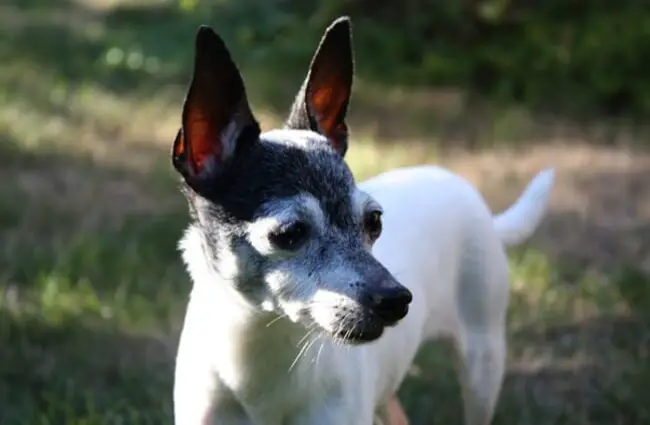
Toy Fox Terriers are small but well proportioned dogs. They typically stand between 8 and 11 inches tall and weigh between 3.5 and 7 pounds. Their coat is short, smooth, and glossy, requiring minimal grooming. Common color combinations include white with black, chocolate, or tan markings. Some Toy Fox Terriers exhibit piebald patterns, while others display tri-color combinations. Their ears are naturally erect and V-shaped, contributing to their alert expression. Their dark, sparkling eyes convey intelligence and curiosity.

Size and Weight Variations
While the standard calls for dogs under 7 pounds, variations can occur. Responsible breeders strive to maintain a healthy weight range to prevent health issues associated with obesity or being underweight. It is important to remember that even within the breed standard, individual dogs will vary, and personality often outweighs precise measurements.
Temperament and Behavior
Toy Fox Terriers are known for their big personalities. They are intelligent, energetic, and playful dogs who thrive on human companionship. Their terrier heritage makes them naturally inquisitive and alert, often making them excellent watchdogs. Despite their small size, they are confident and courageous, sometimes even displaying a touch of stubbornness. Early socialization and training are crucial to ensure they develop into well adjusted companions. They can be prone to “small dog syndrome” if allowed to rule the roost, so consistent and positive reinforcement training is essential.

Socialization and Training
Exposing a Toy Fox Terrier puppy to a variety of people, places, and sounds during their critical socialization period (up to 16 weeks of age) is vital. Puppy classes and controlled interactions with other dogs help them develop into confident and well mannered adults. Their intelligence means they learn quickly, but they can also become bored easily. Keep training sessions short, fun, and rewarding. Puzzle toys and interactive games provide mental stimulation and prevent destructive behaviors.
Caring for Your Toy Fox Terrier
Toy Fox Terriers are relatively low maintenance dogs, but they do require regular care to stay happy and healthy.
Exercise Needs
Despite their small size, Toy Fox Terriers are energetic and require daily exercise. A brisk walk, a play session in the yard, or indoor games will help burn off excess energy and keep them mentally stimulated. They enjoy activities like fetch, agility, and obedience training.
Grooming
Their short, smooth coat requires minimal grooming. Weekly brushing will remove loose hair and keep their coat shiny. Regular nail trimming and dental care are also important. Bathing should be done only when necessary, as frequent bathing can strip their coat of natural oils.
Dietary Needs
A high quality dog food formulated for small breeds is essential. Monitor their food intake to prevent obesity, as even a few extra pounds can strain their small frames. Provide fresh water at all times. Consult with a veterinarian to determine the appropriate amount of food based on your dog’s age, activity level, and metabolism.
Health Considerations
Toy Fox Terriers are generally healthy dogs, but like all breeds, they are prone to certain health conditions.
Common Health Issues
Patellar luxation (dislocated kneecap) is a common orthopedic condition in small breeds. Progressive retinal atrophy (PRA) is an inherited eye disease that can lead to blindness. Hypoglycemia (low blood sugar) is more common in puppies and small breeds. Dental disease is also prevalent, so regular dental care is crucial. Responsible breeders screen their dogs for these conditions before breeding.
Lifespan
With proper care, Toy Fox Terriers typically live between 13 and 15 years, offering many years of companionship.
Is a Toy Fox Terrier Right for You?
Toy Fox Terriers make wonderful companions for individuals and families who can provide them with the attention, exercise, and training they need. They are intelligent, playful, and affectionate dogs who thrive on human interaction. They are best suited for homes where they will receive plenty of attention and socialization. Their energetic nature requires daily exercise and mental stimulation. If you are looking for a small dog with a big personality, the Toy Fox Terrier may be the perfect breed for you.
In conclusion, the Toy Fox Terrier is a delightful breed full of charm and energy. Understanding their history, temperament, and care requirements will ensure a long and happy life together. They are more than just small dogs; they are loyal companions, playful partners, and loving members of the family.




![Closeup of a beautiful Red Angus cowPhoto by: U.S. Department of Agriculture [pubic domain]https://creativecommons.org/licenses/by/2.0/](https://animals.net/wp-content/uploads/2020/03/Red-Angus-4-100x75.jpg "Red Angus")