The Tibetan Spaniel, often described as a “lion dog”, is a small breed with a surprisingly big personality. These charming canines are more than just adorable companions; they are steeped in history, possessing a unique blend of independence, intelligence, and devotion. Understanding this breed’s nuances is key to providing a fulfilling life for both dog and owner.
A History Rooted in Himalayan Monasteries
The Tibetan Spaniel isn’t a spaniel in the traditional sense. The name is somewhat misleading, originating from Western travelers who observed these dogs in Tibet. They were not bred for retrieving; instead, they served as companions and sentries in Buddhist monasteries perched high in the Himalayas. For centuries, these dogs were highly valued, considered sacred, and rarely, if ever, allowed to leave Tibet. Their primary role involved keeping watch and alerting monks to approaching visitors. Occasionally, they were gifted to visiting dignitaries, which eventually brought them to Europe and, later, to North America in the mid‑20th century. This limited exposure outside of Tibet explains the breed’s relatively recent introduction to the Western world.
Physical Characteristics
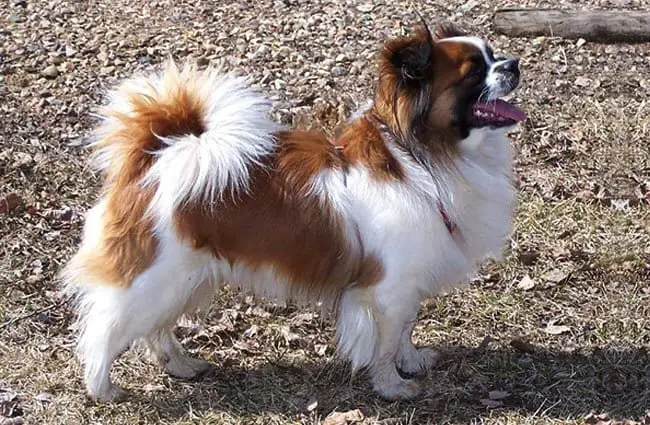
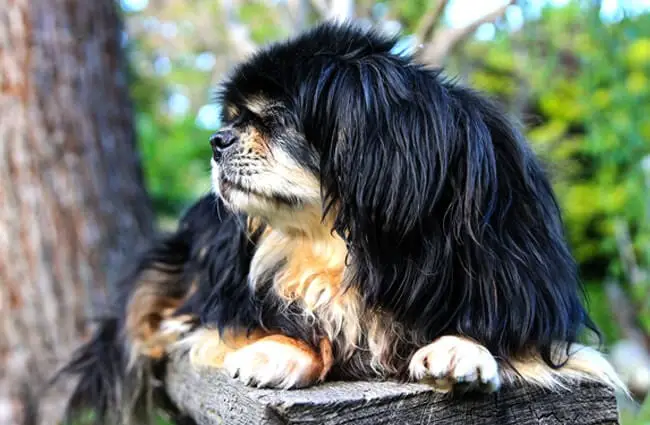
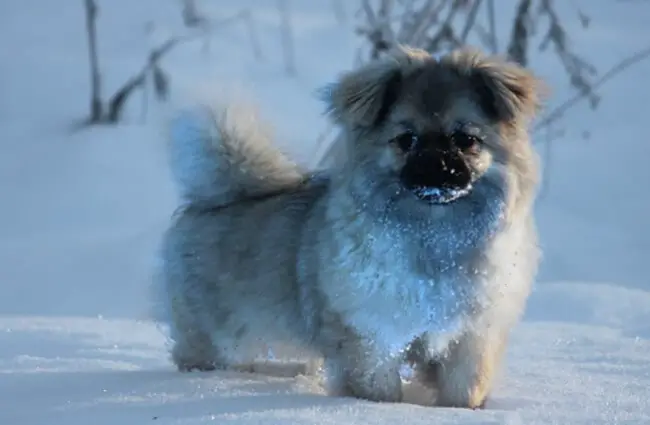
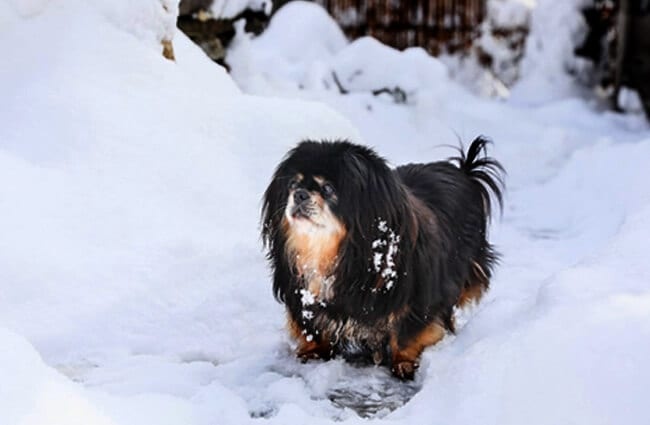
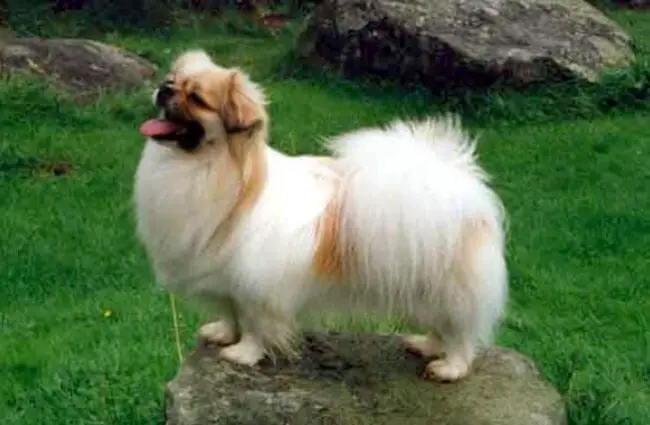
Tibetan Spaniels are small, sturdy dogs. They typically stand between 9 and 11 inches tall at the shoulder and weigh between 9 and 12 pounds. Their coat is profuse, with a soft undercoat and a long, silky outer coat. Common colors include black, white, tan, and various parti‑color markings. Their expressive eyes and alert expression give them a distinctively intelligent and engaging look. They possess a slightly curled tail carried over their back, adding to their regal appearance. While grooming is required to prevent matting, their coat isn’t as demanding as some other long‑haired breeds.
Grooming and Health
Regular brushing several times a week is crucial to maintain a healthy coat and prevent mats. Professional grooming may be beneficial every few months. In terms of health, Tibetan Spaniels are generally healthy, but, like all breeds, they are prone to certain conditions. These can include progressive retinal atrophy (PRA), patellar luxation, and intervertebral disc disease. Responsible breeders screen their dogs for these conditions, reducing the risk in puppies. Regular veterinary checkups are essential for early detection and management of any health concerns.
Temperament and Behavior
Tibetan Spaniels are known for their independent and somewhat reserved nature. They are not typically overly exuberant or demonstrative. This independence shouldn’t be mistaken for aloofness; they form strong bonds with their families, but they also appreciate their space. They are intelligent and can be stubborn, which means early and consistent training is vital. Positive reinforcement methods work best, as harsh corrections can damage their sensitive nature. Their watchdog tendencies are strong; they will readily alert their owners to anything unusual. They can be wary of strangers, so early socialization is crucial to help them develop into well‑adjusted adults.
Living Environment and Exercise Needs
Tibetan Spaniels are adaptable dogs, but they thrive in calm and predictable environments. They do well in apartments or houses, provided they receive adequate mental and physical stimulation. While not overly energetic, they require daily exercise. A brisk walk, playtime in a securely fenced yard, or interactive games are all excellent options. They are surprisingly agile and enjoy climbing, so providing them with safe opportunities to do so can be very enriching. They are not typically suited to households with very young children, as they may not appreciate rough handling. A quiet home with older, respectful children or adults is ideal.
Training and Socialization
Early socialization is paramount for Tibetan Spaniels. Exposing them to a variety of people, places, and sounds during puppyhood will help them develop into confident and well‑adjusted adults. Puppy classes are an excellent way to provide socialization and begin training. Consistency is key throughout their lives. They can be challenging to housetrain, so patience and a consistent schedule are essential. They are intelligent, but can be stubborn, so positive reinforcement and short, engaging training sessions work best. They respond well to rewards‑based training. Ignoring unwanted behaviors and rewarding desired behaviors will yield the best results.
Beyond the Basics: A Deeper Dive into Breed Characteristics
The Tibetan Spaniel’s unique history has shaped several specific behavioral traits. Their ancestry as monastery watchdogs contributes to their alertness and tendency to survey their surroundings. They often seek high‑vantage points to observe activity. This is not merely a quirk, but an ingrained behavioral pattern. Additionally, their historical role as companions means they have a strong need for human interaction, but on their own terms. They enjoy being near their owners, but also appreciate independent time. Understanding this balance is crucial for building a harmonious relationship. They also have a natural inclination to guard their possessions, which can manifest as possessiveness over toys or favorite resting spots. Addressing this behavior through training and management is important.
Is a Tibetan Spaniel Right for You?
The Tibetan Spaniel is a charming and intelligent breed, but they are not for everyone. They require a patient, understanding owner who can appreciate their independent nature and provide consistent training and socialization. They thrive in calm, predictable environments and are not ideally suited to chaotic households. If you are looking for an affectionate, intelligent companion who will add a touch of regal charm to your life, and are willing to put in the effort to understand their unique needs, a Tibetan Spaniel may be the perfect breed for you.
Ultimately, responsible dog ownership involves thorough research and a realistic assessment of your lifestyle and capabilities. By understanding the unique characteristics of the Tibetan Spaniel, you can ensure a fulfilling and enriching life for both you and your canine companion.
![Closeup of a beautiful Red Angus cowPhoto by: U.S. Department of Agriculture [pubic domain]https://creativecommons.org/licenses/by/2.0/](https://animals.net/wp-content/uploads/2020/03/Red-Angus-4-100x75.jpg "Red Angus")