A Comprehensive Guide to the Swedish Vallhund
The Swedish Vallhund, a charming and versatile breed originating from Sweden, is gaining popularity worldwide. Often described as a miniature Corgi due to its similar build and herding instincts, the Vallhund possesses a unique character and a rich history. This guide delves into every facet of this remarkable breed, from its ancient origins to its modern‑day needs, providing potential owners with all the information necessary to determine if a Swedish Vallhund is the right companion for their lifestyle.
A Glimpse into History
The Swedish Vallhunds story stretches back over a thousand years to the Viking Age. Evidence suggests these dogs accompanied Viking explorers, serving as versatile farm hands, cattle herders, and watchdogs. Their short legs were advantageous for nipping at the heels of livestock, and their sturdy build allowed them to work tirelessly in the harsh Scandinavian climate. They were essential to rural life in Sweden and for centuries their existence was tied directly to the farms and families they served. Interestingly, the breed nearly faced extinction in the 20th century due to the modernization of agriculture and the decline of small farms. Dedicated breeders stepped in, initiating conservation efforts that secured the breed’s future.
Physical Characteristics
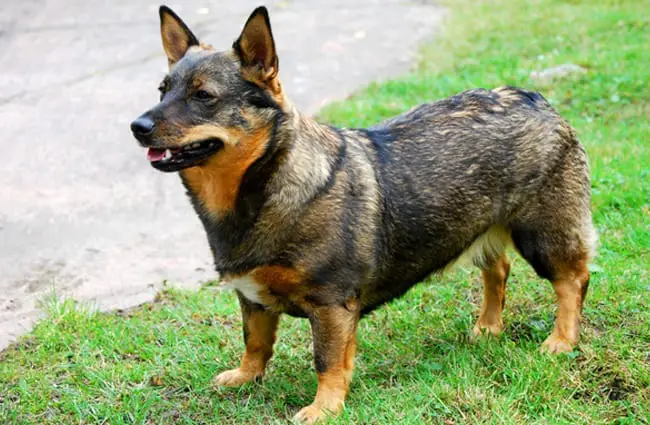
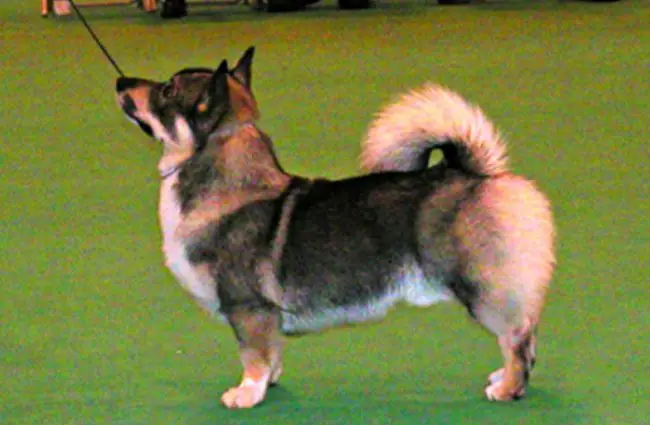
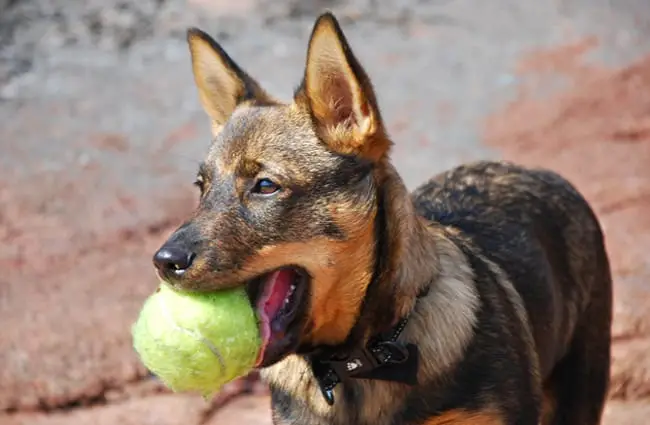
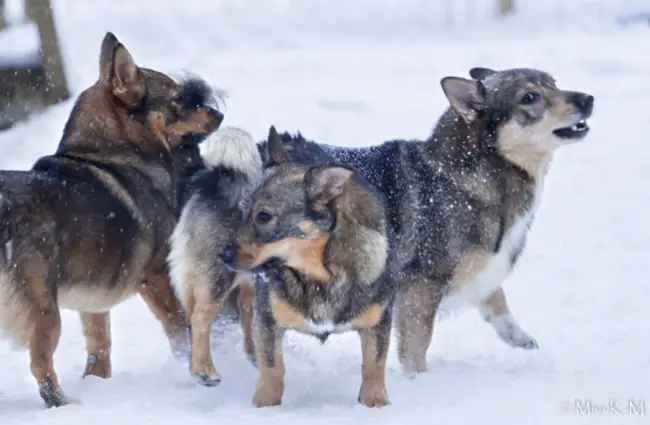
The Swedish Vallhund is a relatively small, powerfully built dog. They typically stand between 11.5 and 13.5 inches tall and weigh between 24 and 33 pounds. Their most striking feature is their short legs, coupled with a long body. This gives them a low‑to‑the‑ground profile, perfect for maneuvering around livestock. Their coat is double‑layered, consisting of a dense undercoat and a longer, coarser outer coat. Common colors include gray, red, and black, often with white markings. Their ears are typically erect and pointed, contributing to their alert and expressive face. Their tail can vary in length, from a natural bobtail to a full‑length tail.
Temperament and Behavior
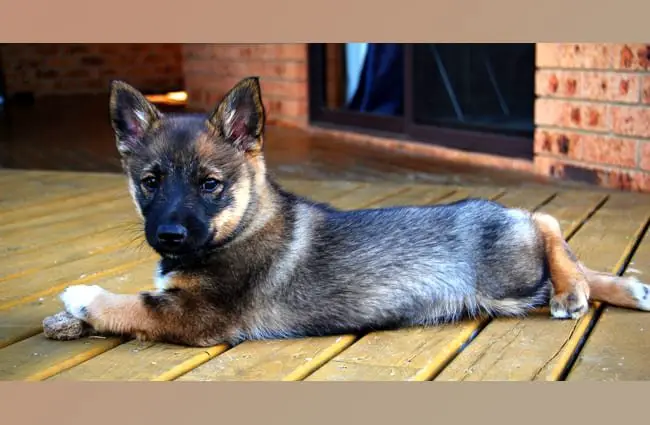
Swedish Vallhunds are known for their intelligence, energy, and playful nature. They are eager to please and highly trainable, excelling in obedience, agility, and other canine sports. They are naturally wary of strangers, making them excellent watchdogs, but they are generally affectionate and loyal to their families. Because of their herding background, they may exhibit a tendency to nip at heels, especially with children or fast‑moving objects. This behavior can be managed with early training and socialization. They are vocal dogs, prone to barking, so early training to control excessive barking is recommended. They thrive on interaction with their human families, but left alone for extended periods they can become bored and destructive.
Caring for Your Swedish Vallhund
Providing a happy and healthy life for a Swedish Vallhund requires understanding their specific needs. Regular exercise is crucial. They need at least an hour of physical activity each day, which can include walks, runs, hikes, or play sessions. Mental stimulation is equally important. Puzzle toys, training sessions, and interactive games can help keep them engaged and prevent boredom. Their double coat requires regular grooming, particularly during shedding seasons. Brushing several times a week will help remove loose hair and prevent matting. Diet should be high‑quality and appropriate for their age and activity level. Due to their tendency to gain weight, portion control is important. Routine veterinary checkups are essential for maintaining their overall health.
Training and Socialization
Early socialization and training are paramount for a well‑adjusted Swedish Vallhund. Expose them to a variety of people, places, and situations from a young age. This will help them develop into confident and well‑behaved adults. Positive reinforcement training methods, such as rewarding desired behaviors with treats or praise, are the most effective. Consistency is key. Start with basic obedience commands, such as sit, stay, and come. Enroll in a puppy obedience class to learn proper training techniques and socialize your puppy with other dogs. Address any herding instincts early on by redirecting nipping behavior and providing appropriate outlets for their energy. Because of their intelligence, they can become bored easily, so keep training sessions short, fun, and engaging.
Health Considerations
Swedish Vallhunds are generally a healthy breed, but like all breeds, they are prone to certain health conditions. Hip dysplasia, a condition affecting the hip joint, is a concern. Responsible breeders screen their dogs for hip dysplasia before breeding. Progressive retinal atrophy (PRA), an eye disease that can lead to blindness, is another potential health issue. Allergies and skin sensitivities can also occur. Regular veterinary checkups and a healthy lifestyle can help minimize the risk of these conditions. Be aware of the signs of these conditions and seek veterinary attention promptly if you notice any changes in your dog’s health.
Is a Swedish Vallhund Right for You?
The Swedish Vallhunds are wonderful companions for the right owners. They thrive in active households where they receive plenty of exercise and mental stimulation. They are intelligent, trainable, and affectionate, making them a joy to live with. However, they are not a good fit for sedentary individuals or those who cannot provide them with the attention and activity they need. They require consistent training and socialization, and they may exhibit herding instincts that need to be managed. If you are looking for an energetic, intelligent, and loyal companion and you are willing to put in the time and effort to meet their needs, the Swedish Vallhund may be the perfect breed for you.
Ultimately, researching any breed thoroughly and considering your lifestyle is paramount before bringing a new companion into your home. The Swedish Vallhund, with its rich history and vibrant personality, offers a unique and rewarding experience for those prepared to embrace its spirited nature.

![Closeup of a beautiful Red Angus cowPhoto by: U.S. Department of Agriculture [pubic domain]https://creativecommons.org/licenses/by/2.0/](https://animals.net/wp-content/uploads/2020/03/Red-Angus-4-100x75.jpg "Red Angus")