
A Comprehensive Guide to the Standard Schnauzer
The Standard Schnauzer is a medium‑sized breed known for its intelligence, resilience, and spirited independence. Often described as a “big dog in a compact package,” this breed offers a fascinating blend of history, temperament, and care requirements. This guide explores all facets of the Standard Schnauzer, giving prospective owners and enthusiasts a detailed understanding of what makes this breed so special.
Origins and Historical Role
The Standard Schnauzer’s story begins in the 15th and 16th centuries in Germany. The name “Schnauzer” comes from the German word “Schnauze,” meaning snout or muzzle, which describes the breed’s distinctive facial feature. Originally, these dogs were not a single breed but a type of working dog that evolved from the German Pinscher line. Breeders crossed early Schnauzer stock with other small to medium working dogs to create a versatile farm companion that could rattle rodents, guard farms, drive livestock, and serve as a watchdog. The Standard Schnauzer was formally standardized in the late 19th century, and its traits were used to develop the Miniature Schnauzer. Its influence also contributed to the development of the Affenpinscher.
Physical Characteristics
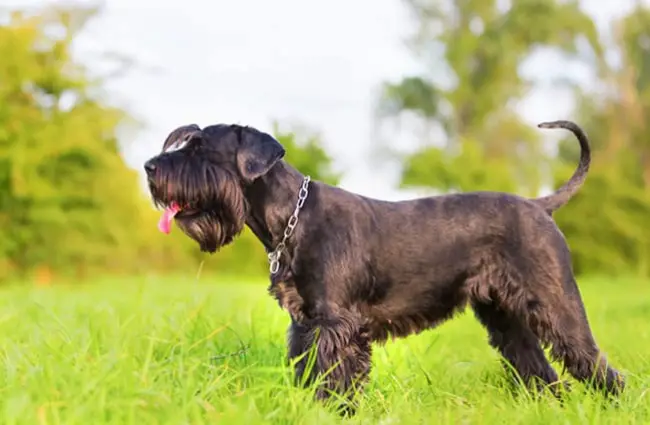
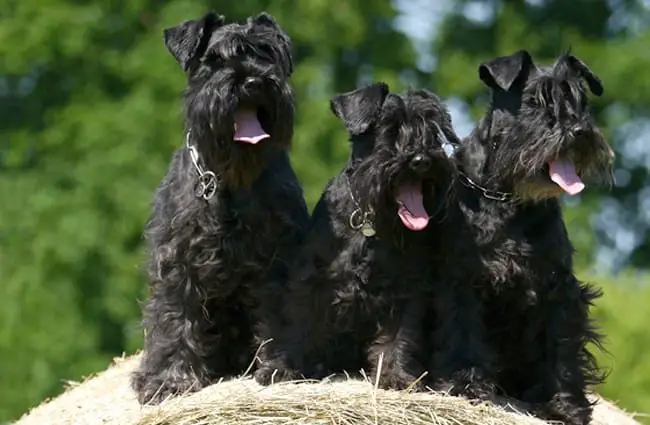
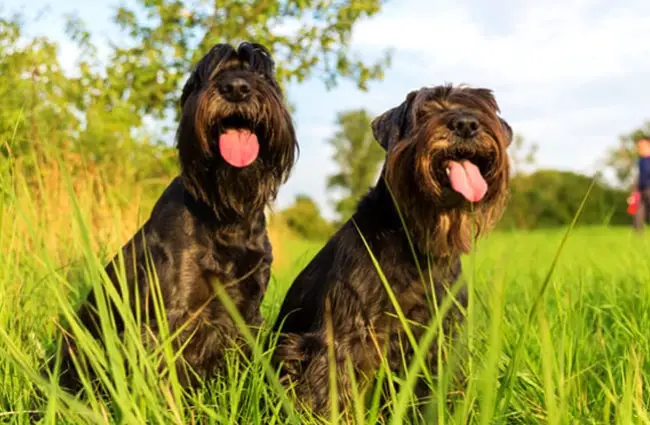
Standard Schnauzers are square‑built and athletic. Males stand between 18 and 20 inches tall and weigh 35 to 55 pounds, while females are slightly smaller, measuring 17 to 19 inches and weighing 30 to 45 pounds. The breed is known for its distinctive rectangular head, bushy eyebrows, and beard, which add to its expressive face. The coat is double‑layered, with a dense undercoat and a wiry outer coat. Common colors include solid black, salt‑and‑pepper, pepper‑and‑silver, and rarely white, which may be associated with genetic concerns. Regular grooming is essential to maintain coat health and appearance. A properly groomed Schnauzer looks neat and elegant.
Temperament and Behavior
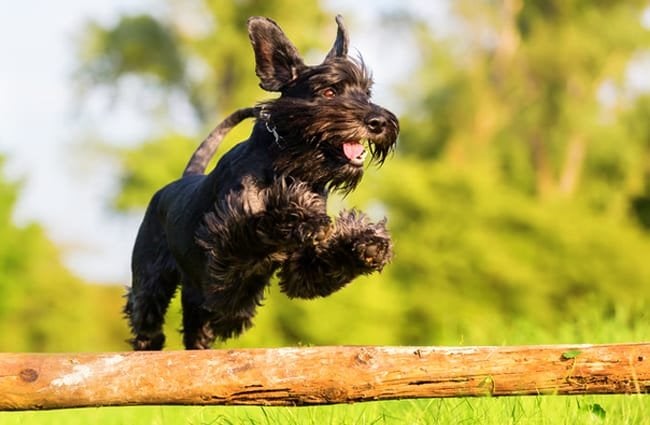
The Standard Schnauzer combines intelligence, alertness, and protectiveness, making it an excellent watchdog. It is also playful, affectionate, and devoted to its family. With strangers, it can be somewhat reserved—a trait rooted in its guarding instincts. Early socialization is crucial to help the dog become a well‑adjusted adult comfortable in many situations. Its spirited personality can sometimes translate into independence, which may lead to stubbornness during training. Consistent, positive reinforcement is the most effective training approach. Standard Schnauzers are energetic and need regular exercise to stay physically and mentally stimulated; without sufficient activity they may become bored and destructive. They enjoy agility courses, obedience training, and long walks.
Caring for Your Standard Schnauzer
Providing a happy and healthy life for a Standard Schnauzer requires commitment and understanding. Here are key care considerations:
- Grooming: Brush the coat several times a week to prevent matting and keep it healthy. Hand‑stripping, a technique that removes dead hair, helps maintain the coat’s texture and color. Professional grooming every few months is usually necessary.
- Exercise: Aim for at least one hour of activity each day. This can include walks, runs, playtime, or participation in dog sports.
- Training: Begin training early and remain consistent. Positive reinforcement—treats, praise, and play—works best.
- Diet: Feed a high‑quality dog food that suits the dog’s age, weight, and activity level.
- Health: Standard Schnauzers are generally healthy but can be prone to hip dysplasia, progressive retinal atrophy, and pancreatitis. Regular veterinary check‑ups help detect and treat problems early.
Suitability for Different Lifestyles
The Standard Schnauzer can thrive in many living situations as long as its needs are met. It is well suited to active families who enjoy outdoor time. It can adapt to apartment living, provided it receives sufficient daily exercise. Families who are away from home for long periods may find the dog bored or anxious. Its protective instincts make it an excellent watchdog, but this can lead to barking—early socialization and training can reduce excessive noise. Standard Schnauzers are generally good with children, especially when raised together, but supervision is always advised.
Understanding Breed‑Specific Health Concerns
Although robust, Standard Schnauzers are predisposed to certain conditions. Hip dysplasia can lead to arthritis and lameness. Progressive retinal atrophy may eventually cause blindness. Pancreatitis is another common issue. Reputable breeders screen for these diseases to lower the risk of passing them on. Owners should monitor their dogs for signs of illness and seek early veterinary care when needed.
The Standard Schnauzer as a Working Dog
Despite its growing popularity as a companion animal, the Standard Schnauzer still possesses a strong working drive. It excels in obedience, agility, tracking, and Schutzhund—a demanding protection sport. Historically used for scent detection, many still employ them in that capacity. Their protective instincts also make them effective guard dogs. Providing mental and physical stimulation through work or sport is essential for their well‑being.
Fun Facts About the Standard Schnauzer
- The breed is one of the oldest of the German Pinscher types.
- It was originally used to control rats and vermin on farms.
- The beard and eyebrows protect the eyes from debris.
- Standard Schnauzers have a distinctive gait.
- They are surprisingly good swimmers.
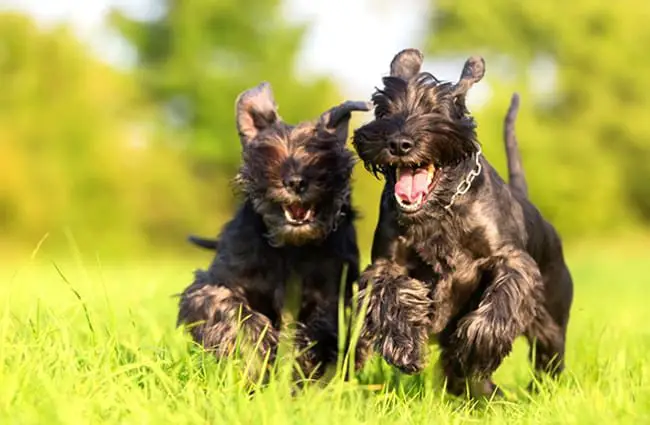
Is a Standard Schnauzer Right for You?
The Standard Schnauzer offers a unique blend of intelligence, resilience, and affection. It is not for everyone; it requires an owner who can provide ample exercise, consistent training, and mental stimulation. If you are an active individual or family seeking a loyal, intelligent, and protective companion, the Standard Schnauzer may be the perfect breed for you. Careful consideration of its needs and temperament will lead to a happy, fulfilling relationship for both you and your canine companion.
![Closeup of a beautiful Red Angus cowPhoto by: U.S. Department of Agriculture [pubic domain]https://creativecommons.org/licenses/by/2.0/](https://animals.net/wp-content/uploads/2020/03/Red-Angus-4-100x75.jpg "Red Angus")


