
The Spanish Water Dog, a breed steeped in history and brimming with character, is gaining popularity among dog enthusiasts. Originally bred as a versatile farm dog in the Iberian Peninsula, this intelligent and energetic breed offers a unique blend of working ability and affectionate companionship. This comprehensive guide delves into every facet of the Spanish Water Dog, offering insights for potential owners and breed aficionados alike.

Origins and Historical Role
The story of the Spanish Water Dog, or Perro de Agua Español as it is known in its native land, is inextricably linked to the rugged landscapes and agricultural traditions of Spain. For centuries, these dogs worked alongside shepherds and farmers, driving livestock, guarding property, and retrieving game. Their waterproof coat and webbed feet made them adept at working in water, retrieving waterfowl and even assisting with fishing. Unlike many breeds that were selectively bred for specific aesthetic traits, the Spanish Water Dog retained its working abilities and was valued solely for its functionality.
Their history is one of necessity, a working breed refined by the demands of a challenging environment. While a standardized breed registry was not established until the late twentieth century, the fundamental characteristics of the Spanish Water Dog have remained remarkably consistent for generations.
Physical Characteristics
Size and Weight
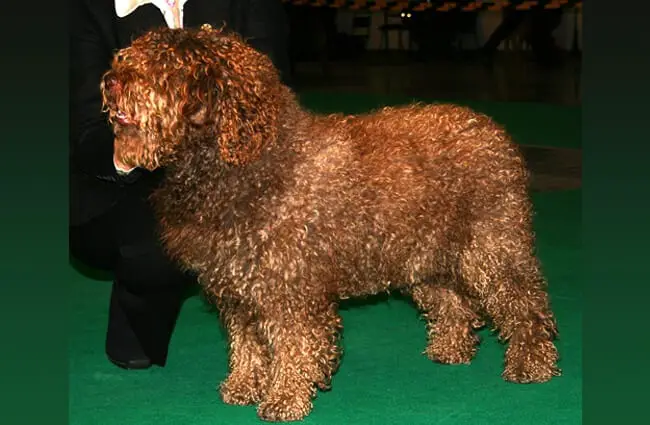
The Spanish Water Dog is a medium to large breed. Males typically stand between 18 and 23 inches tall and weigh 49 to 66 pounds. Females are slightly smaller, ranging from 16 to 21 inches in height and 37 to 55 pounds in weight. A well proportioned dog is athletic and muscular, built for endurance and agility.
Coat and Color
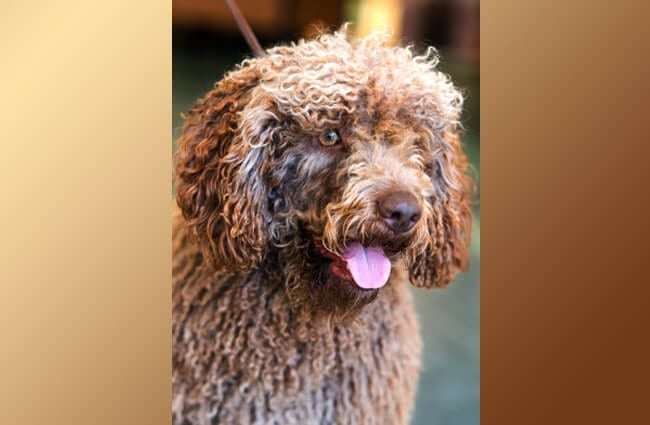
Perhaps the most distinctive feature of the Spanish Water Dog is its coat. It is a single coat, meaning they lack the soft undercoat found in many other breeds. The texture is woolly, curly, or corded, providing insulation and water resistance. The coat naturally mats and forms cords, especially behind the ears and along the back. Historically, shepherds allowed the coat to cord naturally for protection, but in show dogs and pets, regular grooming is essential to prevent excessive matting.
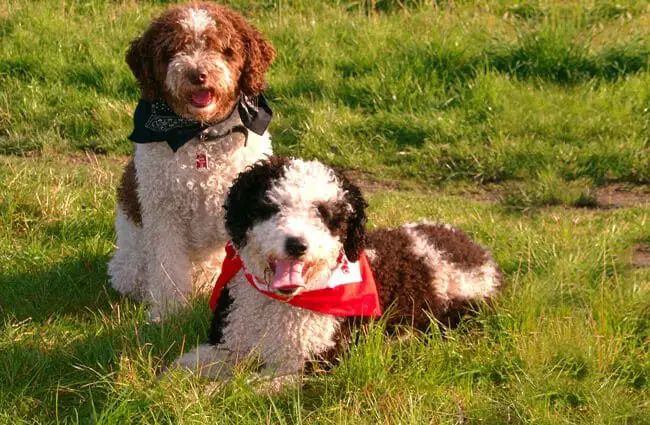
Coloration is quite diverse, encompassing black, white, brown, and parti color combinations. Variations include shades of gray and even reddish hues. The breed standard accepts all colors, allowing for a wide range of visual expressions.

Temperament and Behavior
The Spanish Water Dog is known for its intelligence, energy, and loyalty. They are highly trainable but require a firm and consistent hand. Their working background means they thrive on having a job to do, and they can become destructive if understimulated.
These dogs are naturally cautious of strangers, making them excellent watchdogs. Early socialization is crucial to ensure they are well adjusted and comfortable in various situations. They form strong bonds with their families and are known for their playful and affectionate nature.
Spanish Water Dogs possess a strong herding instinct. This can manifest as nipping at heels or attempting to control the movements of people or other animals. Redirecting this behavior with appropriate activities and training is essential.
Care and Maintenance
Grooming
The coat of the Spanish Water Dog demands significant attention. While they do not shed heavily, the woolly texture easily mats. Regular brushing, ideally several times a week, is essential. Many owners opt for professional grooming every few months to maintain the coat's health and appearance. Clipping the coat is also an option, but it will lose its natural water repellent qualities.
Exercise
Spanish Water Dogs are high energy dogs that require plenty of exercise. Daily walks, runs, or playtime are crucial to keep them physically and mentally stimulated. They excel in canine sports such as agility, herding, and dock diving. A bored Spanish Water Dog is a mischievous one.
Training
Early socialization and obedience training are vital. These dogs are intelligent but can be independent minded. Positive reinforcement methods work best, but consistency and firmness are key. They thrive on mental challenges and enjoy learning new tricks.
Health Considerations
Spanish Water Dogs are generally a healthy breed, but like all breeds, they are prone to certain health conditions. These can include hip dysplasia, progressive retinal atrophy, and glaucoma. Responsible breeders screen their dogs for these conditions to minimize the risk of passing them on to future generations. Regular veterinary checkups and a healthy diet are essential for maintaining their overall well-being.
Due to their active lifestyle, providing appropriate nutrition is very important. It is best to consult with a veterinarian to come up with a diet plan that satisfies all of the nutritional needs.
Is a Spanish Water Dog Right for You?
The Spanish Water Dog is a rewarding companion for the right owner. They are intelligent, loyal, and energetic dogs that thrive on having a job to do. However, they require a significant commitment to grooming, exercise, and training. They are not suitable for sedentary individuals or those who cannot provide them with the mental and physical stimulation they need.
If you are an active individual or family looking for a versatile and intelligent companion, the Spanish Water Dog may be the perfect breed for you. With proper care and training, they will undoubtedly bring years of joy and companionship.


![Closeup of a beautiful Red Angus cowPhoto by: U.S. Department of Agriculture [pubic domain]https://creativecommons.org/licenses/by/2.0/](https://animals.net/wp-content/uploads/2020/03/Red-Angus-4-100x75.jpg "Red Angus")


