A Comprehensive Guide to the Australian Silky Terrier
The Australian Silky Terrier is a small dog with a big personality that captures the hearts of many. Originally bred as ratters, these energetic and intelligent companions have evolved into beloved family pets. This guide delves into the history, characteristics, care, and nuances of this delightful breed, offering insights for prospective owners and enthusiasts alike.

History and Origin
The story of the Silky Terrier begins in the late 19th century in Australia. Breeders sought to create an elegant yet capable small terrier by blending the Yorkshire Terrier with the Skye Terrier and the Cairn Terrier. The goal was to produce a dog that possessed the silky coat of the Yorkshire Terrier while retaining the hardiness and working ability of the other terriers. The result was a robust, agile, and visually striking companion perfectly suited for pest control and companionship. Officially recognized by the Australian National Kennel Council in 1934, the breed quickly gained popularity and has continued to charm dog lovers worldwide.
Physical Characteristics
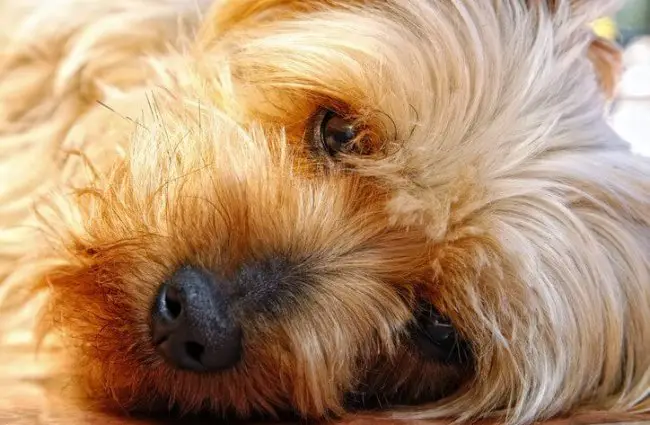
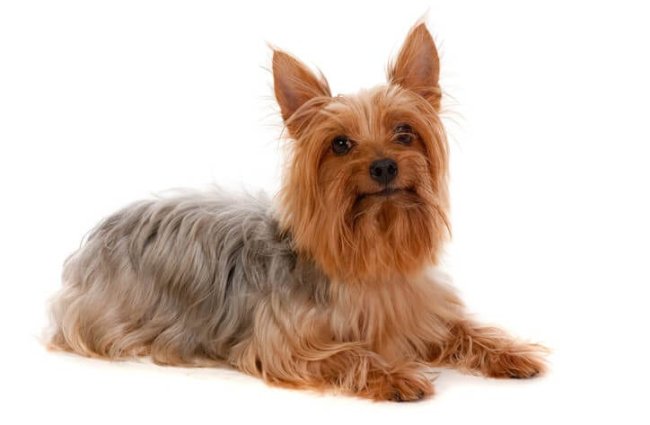
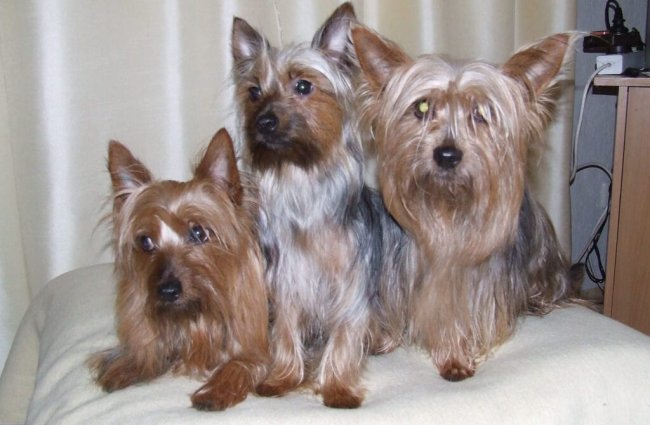
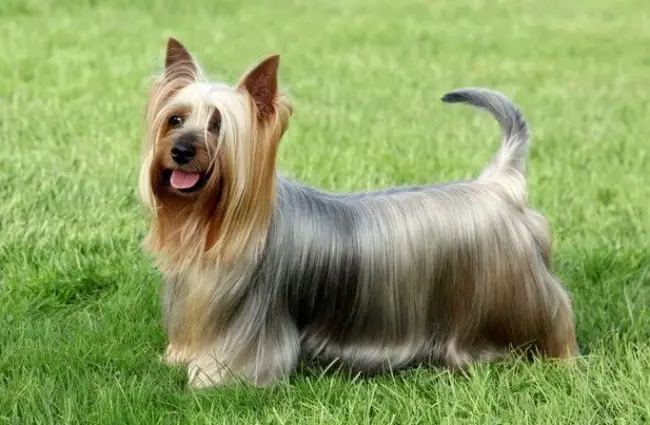
Silky Terriers are small but distinctly proportioned dogs. They typically stand between 9 and 10 inches tall and weigh between 8 and 11 pounds. Their most notable feature is their long, flowing, silky coat, which comes in shades of blue and tan and sometimes in variations of these colors. The coat is dense and provides protection against the elements. They have a moderately long muzzle, almond‑shaped eyes with an alert expression, and erect, V‑shaped ears. Their compact build allows for agility and swift movement.
Temperament and Personality
Silky Terriers are known for their spirited and confident personalities. They are intelligent, playful, and often described as having a big dog attitude in a small package. They can be quite independent and possess a natural curiosity, a remnant of their ratting heritage. While affectionate with their families, they can be reserved or even wary of strangers, making early socialization crucial. They generally do well with children, but supervision is always recommended due to their small size. They have a moderate prey drive, so caution should be exercised around smaller pets. They are vocal dogs and will readily alert their owners to anything unusual.
Care Requirements
Caring for a Silky Terrier requires dedication and consistency. Their luxurious coat demands regular grooming to prevent matting and tangles. Daily brushing is ideal, and professional grooming every few months is recommended. Regular nail trimming, ear cleaning, and dental care are also essential.
Exercise: Silky Terriers are energetic dogs that need regular exercise. Daily walks, playtime, and interactive games are sufficient to keep them happy and healthy. They enjoy exploring and are surprisingly agile for their size.
Nutrition: A high quality dog food formulated for small breeds is essential. Portion control is important, as they can be prone to weight gain.
Training and Socialization
Silky Terriers are intelligent but can be stubborn, so consistent and positive reinforcement training methods are most effective. Early socialization is vital to ensure they develop into well‑adjusted adults. Exposing them to a variety of people, places, and sounds from a young age will help them become confident and outgoing. They excel in activities like obedience, agility, and trick training. Due to their independent nature, patience and consistency are key. Short, engaging training sessions are more effective than long, drawn‑out ones.
Health Considerations
While generally a healthy breed, Silky Terriers are predisposed to certain health conditions. These include:
- Legg Calvé Perthes Disease: A hip joint disorder that can cause pain and lameness.
- Patellar Luxation: A condition where the kneecap slips out of place.
- Progressive Retinal Atrophy (PRA): An eye disease that can lead to blindness.
- Hypoglycemia: Low blood sugar, particularly in puppies.
Responsible breeders screen their dogs for these conditions, so it is important to choose a reputable breeder. Regular veterinary checkups are also essential for early detection and treatment of any health problems.
Is a Silky Terrier Right for You?
The Silky Terrier can be a wonderful companion for the right owner. They are best suited for individuals or families who can provide them with plenty of attention, exercise, and grooming. They thrive in homes where they are included in family activities. While adaptable, they prefer homes with secure yards where they can explore safely. Their vocal nature may make them less suitable for apartment living. If you are looking for a small, intelligent, and spirited companion with a big personality, the Silky Terrier may be the perfect breed for you.
Beyond the Basics: Breed Specific Nuances
For those deeply interested in the breed, understanding the subtle nuances of Silky Terrier behavior and genetics can enrich the experience of ownership. For example, coat color can sometimes be linked to specific temperamental traits, though this is not a hard and fast rule. Similarly, the breed’s tendency towards independence means that a hands off training approach often backfires. They require a firm but gentle hand, and thrive on positive reinforcement that acknowledges their intelligence and spirit. Furthermore, their history as ratters means they often enjoy digging. Providing a designated digging area can help satisfy this natural instinct and prevent damage to the garden. Finally, understanding the breed’s potential for sensitivity means being mindful of loud noises or stressful situations and providing a safe and comfortable environment.
In conclusion, the Australian Silky Terrier is a captivating breed that offers a unique blend of elegance, intelligence, and personality. With proper care, training, and socialization, they can bring years of joy and companionship to their lucky owners.
![Closeup of a beautiful Red Angus cowPhoto by: U.S. Department of Agriculture [pubic domain]https://creativecommons.org/licenses/by/2.0/](https://animals.net/wp-content/uploads/2020/03/Red-Angus-4-100x75.jpg "Red Angus")