A Legacy of Endurance: Exploring the World of the Siberian Husky
The Siberian Husky is a breed that immediately evokes images of snowy landscapes, sled races, and unwavering stamina. But beyond the striking appearance and romanticized history lies a complex and intelligent canine with specific needs and a fascinating biological makeup. This guide delves into every facet of the Siberian Husky, offering insights for prospective owners, breed enthusiasts, and anyone curious about this remarkable animal.
Origins and Historical Context
The Siberian Husky’s story begins with the Chukchi people of northeastern Siberia. For centuries, these nomadic reindeer herders relied on these dogs not simply as working animals, but as integral members of their families. The dogs were bred for endurance, capable of pulling light loads over vast distances in extreme conditions. Unlike many other sled dog breeds that were developed through mixing various types, the Siberian Husky remained remarkably pure, carefully preserved by the Chukchi. They weren’t just about power; their efficiency meant they could sustain a moderate pace for days, crucial for survival.
The breed’s arrival in North America occurred in the early 20th century, brought over by Russian immigrants participating in sled dog races, particularly the All‑Alaska Sweepstakes. Their initial impact was limited until 1925, when a diphtheria outbreak threatened Nome, Alaska. A relay of sled dog teams, including those led by the famed Balto and Togo, raced over 674 miles to deliver life‑saving serum. This heroic feat cemented the Siberian Husky’s place in history and brought the breed widespread recognition.
Physical Characteristics
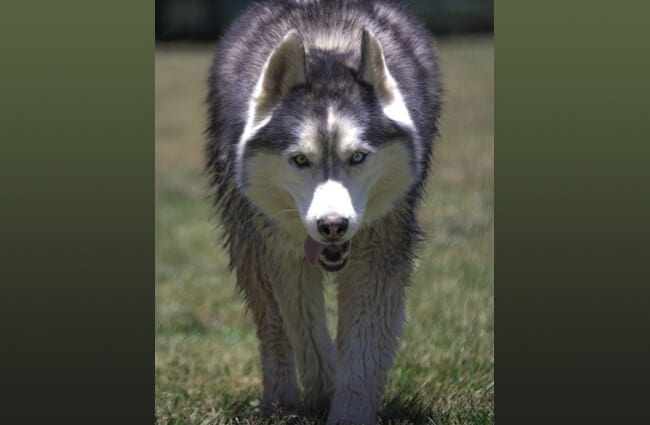
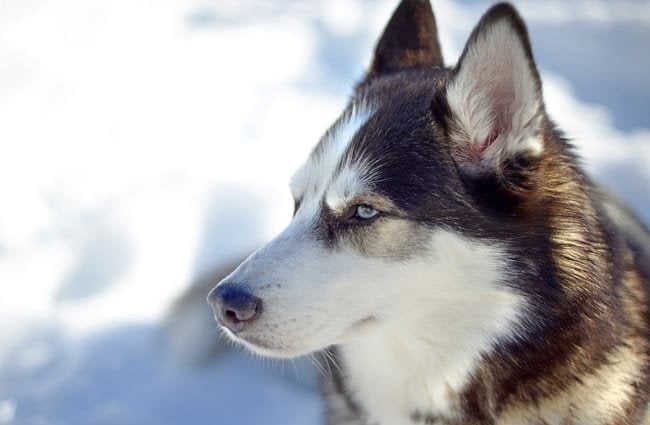
Siberian Huskies are medium‑sized dogs, built for endurance rather than sheer bulk. Males typically stand 21 to 23.5 inches tall and weigh between 45 to 60 pounds. Females are slightly smaller, measuring 20 to 22 inches and weighing 35 to 50 pounds. Their double coat is a defining characteristic, providing exceptional insulation against the cold. This coat comes in a wide variety of colors, including black, white, gray, sable, and red.
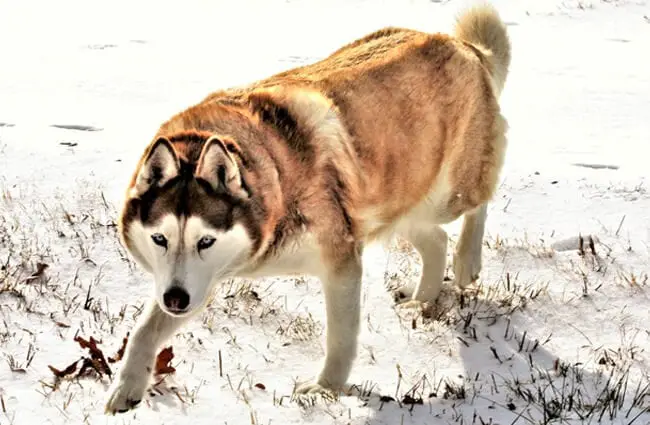
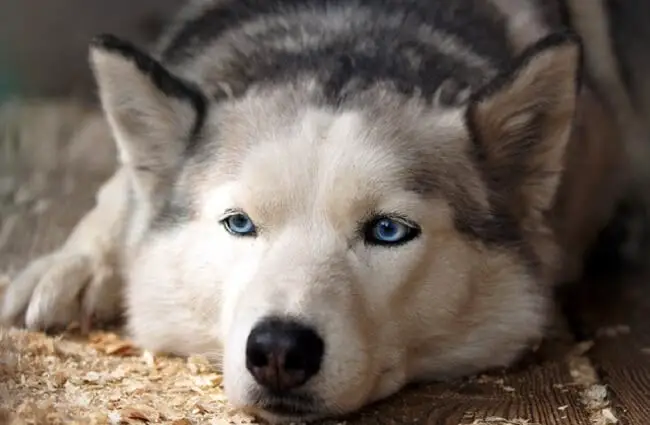
Their eyes are particularly striking, often blue, but can also be brown, amber, or even heterochromatic – meaning each eye is a different color. This is a result of a genetic mutation and is common within the breed. The almond‑shaped eyes, coupled with erect ears, give the Husky an alert and intelligent expression. Their plumed tail is carried in a sickle curve when alert and relaxed, and does not typically curl tightly over their back like some other Spitz breeds.
Temperament and Behavior
Siberian Huskies are known for their independent spirit and playful nature. They are intelligent dogs, but their intelligence is often coupled with a strong will. This can make training challenging, requiring patience, consistency, and positive reinforcement. They aren’t inherently disobedient, rather, they often ask “what’s in it for me?”
Huskies are also notoriously escape artists. Their digging instincts, combined with their ability to jump and squeeze through surprisingly small spaces, mean a secure yard is absolutely essential. They were bred to roam, and that instinct is deeply ingrained. They thrive on social interaction, both with humans and other dogs. However, their high prey drive means caution is necessary around smaller animals like cats or rabbits, especially if not raised together from a young age.
Care Requirements
Owning a Siberian Husky is a significant commitment. Beyond the basic needs of food, water, and veterinary care, there are specific requirements to keep this breed happy and healthy.
- Exercise: Huskies need an lot of exercise. Daily vigorous activity is essential, whether it’s long walks, runs, hikes, or playtime in a securely fenced yard. Lack of sufficient exercise can lead to destructive behavior.
- Grooming: The double coat requires regular brushing, particularly during shedding season (twice a year). Without proper grooming, the coat can become matted and uncomfortable.
- Training: Early socialization and consistent training are crucial. Positive reinforcement methods work best.
- Climate: While Huskies can adapt to warmer climates, they are best suited to cooler environments. Providing access to shade and plenty of water is vital in hot weather.
- Mental Stimulation: Huskies are intelligent and need mental stimulation to prevent boredom. Puzzle toys, training games, and interactive play can help keep them engaged.
Health Considerations
Siberian Huskies are generally a healthy breed, but like all breeds, they are predisposed to certain health conditions.
| Condition | Description |
| Progressive Retinal Atrophy (PRA) | A degenerative eye disease that can lead to blindness. |
| Hip Dysplasia | A malformation of the hip joint that can cause pain and arthritis. |
| Corneal Dystrophy | An inherited condition that affects the cornea. |
| Zinc Deficiency | Can cause skin problems and other health issues. |
Responsible breeders screen their dogs for these conditions to minimize the risk of passing them on to future generations. Regular veterinary checkups are also essential for early detection and treatment.
Beyond the Basics: Digging Deeper into Husky Genetics and Behavior
The Husky’s unique genetic makeup influences not only its physical characteristics but also its behavior. The genes responsible for the double coat, for example, are tightly linked to those controlling metabolic rate and thermoregulation. This explains why Huskies can thrive in extreme cold, but also why they may struggle with overheating in warmer climates.
Their strong pack instincts, inherited from their wolf ancestors, influence their social behavior. Huskies are highly social animals and form strong bonds with their human families. However, they also have a clear understanding of social hierarchy and may try to establish dominance if not properly socialized and trained. Understanding their natural drive to run and explore is crucial; providing opportunities for these activities prevents behavioral issues stemming from pent‑up energy.
Is a Siberian Husky Right for You?
The Siberian Husky is a magnificent breed, but it’s not the right choice for everyone. This breed requires an active owner who can provide plenty of exercise, mental stimulation, and consistent training. They are not suited to sedentary lifestyles or small apartments. Prospective owners should be prepared for a commitment that extends beyond the basics of dog ownership. If you are willing to meet the unique needs of this incredible breed, you will be rewarded with a loyal, intelligent, and endlessly entertaining companion.
![Closeup of a beautiful Red Angus cowPhoto by: U.S. Department of Agriculture [pubic domain]https://creativecommons.org/licenses/by/2.0/](https://animals.net/wp-content/uploads/2020/03/Red-Angus-4-100x75.jpg "Red Angus")