The Shih Tzu, a breed steeped in history and radiating charm, consistently ranks among the most popular companion dogs worldwide. Often described as a “lion dog” because of its majestic mane, this small breed boasts a personality as vibrant as its flowing coat. Understanding the Shih Tzu’s origins, characteristics, and care requirements is crucial for anyone considering welcoming one of these delightful creatures into their home.
A Regal History
The Shih Tzu’s story begins in China, where it was bred by monks and royalty as a symbol of status and companionship. The breed is believed to have been developed from a cross of the Lhasa Apso and the Pekingese, combining the long coat of the former with the sturdy body of the latter. The name “Shih Tzu” literally means “lion dog” in Chinese, a reference to the breed’s resemblance to the miniature lions that appeared in Chinese art.
For centuries the Shih Tzu remained a privilege of the Chinese imperial court and Tibetan monasteries. During periods of political upheaval the breed nearly vanished. In the early twentieth century a group of English breeders rescued the Shih Tzu, importing several dogs to Europe and the United States. The American Kennel Club officially recognized the breed in 1969, and it quickly became a beloved pet worldwide.
Physical Characteristics
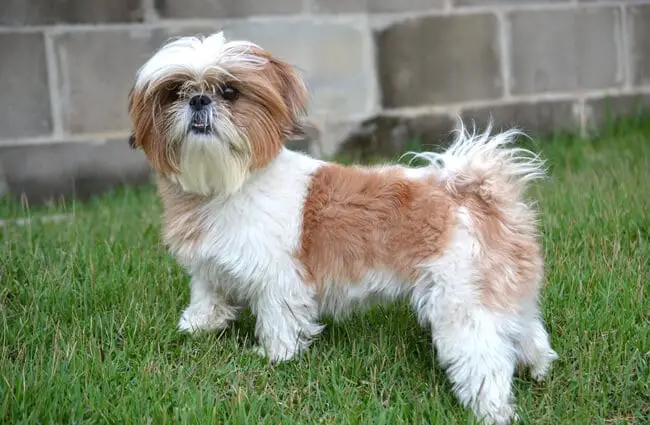
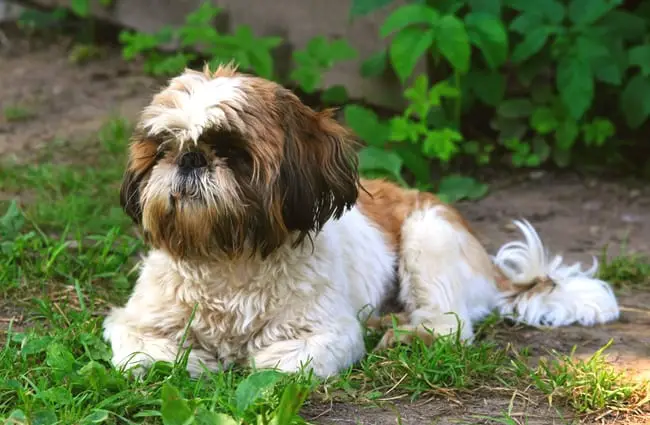
Shih Tzus are small dogs, typically standing 9 to 10.5 inches tall at the withers and weighing 9 to 16 pounds. Their compact, slightly longer than tall bodies give them a distinctive appearance. The breed is brachycephalic, meaning it has a short, broad head. While this contributes to their adorable expressive faces, it also places them at risk for breathing and other health issues that owners must manage.
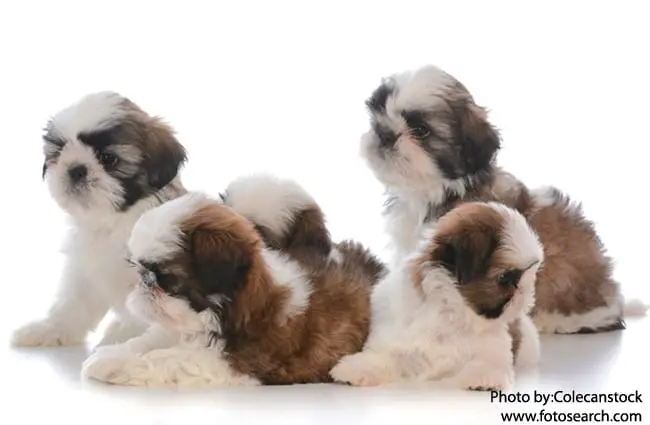
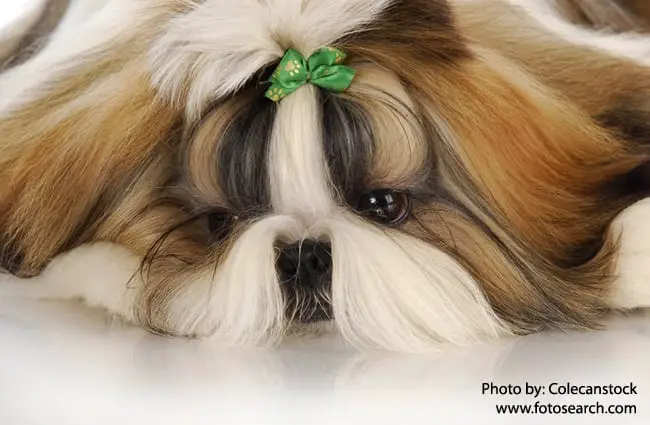
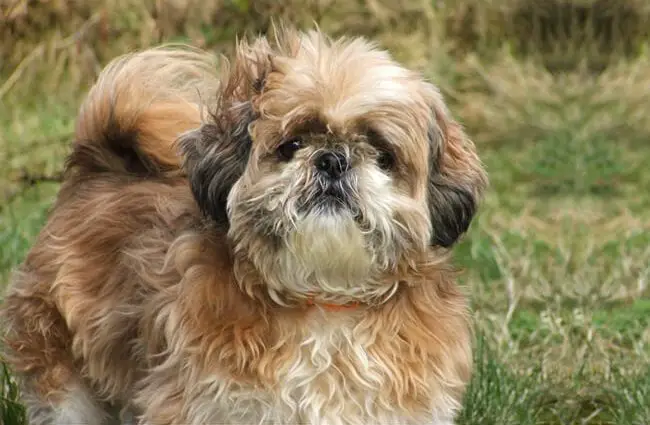
The most striking feature of the Shih Tzu is its luxurious, flowing coat. The coat is long, dense, and silky, requiring regular grooming to prevent matting. They come in a wide variety of colors, including gold, white, black, brindle, and combinations thereof. Many owners keep their Shih Tzus in a “puppy clip” – a shorter, more manageable length – to reduce maintenance.
Temperament and Behavior
Shih Tzus are known for their affectionate, playful, and outgoing personalities. They are generally friendly toward strangers and other animals, making them excellent family pets. These little dogs are brimming with confidence and are not easily intimidated. However, their independent streak can sometimes make training a bit challenging. Consistency and positive reinforcement are key.
Despite their regal appearance, Shih Tzus enjoy being lap dogs and thrive on human companionship. They can be prone to separation anxiety if left alone for extended periods. Early socialization is crucial to ensure they develop into well‑adjusted adults. They are relatively quiet dogs, though they may vocalize to get attention or express excitement.
Caring for Your Shih Tzu
Owning a Shih Tzu requires commitment, especially when it comes to grooming. Their long coat needs to be brushed daily to prevent mats and tangles. Many owners opt for professional grooming every few weeks. Regular bathing is also essential. Failing to maintain their coat can lead to skin irritations.
Diet and Exercise
Shih Tzus have a relatively low energy level and are content with moderate exercise. A daily walk and some playtime indoors are usually sufficient. It’s important to monitor their weight, as they can be prone to obesity. Feed them a high‑quality dog food formulated for small breeds, and avoid overfeeding.
Health Considerations
Like all breeds, Shih Tzus are predisposed to certain health conditions. Their brachycephalic structure makes them susceptible to breathing difficulties, especially in hot or humid weather. It’s crucial to keep them cool and avoid strenuous exercise during peak temperatures. Other potential health concerns include progressive retinal atrophy (PRA), kidney problems, intervertebral disc disease, dental disease, and heart conditions such as mitral valve disease. Regular veterinary checkups are essential for early detection and treatment.
Training and Socialization
While Shih Tzus are intelligent, they can be somewhat stubborn. Early training and socialization are essential to ensure they develop into well‑behaved companions. Positive reinforcement methods, such as treats and praise, work best. Keep training sessions short and fun to maintain their attention. Exposing them to various people, places, and sounds from a young age will help them become confident and well‑adjusted adults.
Is a Shih Tzu Right for You?
The Shih Tzu is an excellent choice for individuals or families looking for a loving, affectionate companion. They thrive in various living situations, as long as they receive plenty of attention and companionship. However, potential owners should be prepared for the commitment to regular grooming and potential health concerns. Their playful personality and charming demeanor make them delightful additions to any home.
Beyond the Basics: Advanced Shih Tzu Insights
For those with a deeper interest, understanding the nuances of Shih Tzu genetics and coat types can be fascinating. There’s a surprising amount of variation within the breed. Some lines demonstrate more robust health than others, highlighting the importance of responsible breeding practices. Coat textures can range from incredibly silky to slightly coarser, influenced by genetics and diet.
Understanding Brachycephalic Syndrome
The brachycephalic anatomy of the Shih Tzu, while contributing to their adorable appearance, can lead to Brachycephalic Obstructive Airway Syndrome (BOAS). This condition involves narrowed nostrils, an elongated soft palate, and a narrowed trachea, all of which can obstruct airflow. Owners should be vigilant for signs of respiratory distress, such as labored breathing, excessive panting, and bluish gums. In severe cases, surgery may be necessary to improve airflow.
The Importance of Early Neurological Stimulation
Early Neurological Stimulation (ENS) is a technique used to enhance neurological development in puppies. Exposing Shih Tzu puppies to gentle handling, temperature changes, and sensory stimulation during the first few weeks of life can improve their temperament, resilience, and overall health. It’s a practice increasingly recommended by breeders and veterinarians.
Shih Tzu Coat Color Genetics
The vast array of Shih Tzu coat colors is a result of complex genetic interactions. Understanding these interactions can provide insight into predicting coat colors in litters. Pigment genes, modifying genes, and even recessive genes can all play a role. Breeders use this knowledge to carefully plan breeding pairs.
In conclusion, the Shih Tzu is a breed rich in history, personality, and charm. From their origins in the palaces of China to their current status as beloved companion animals, these little “lion dogs” continue to captivate hearts around the world. Thorough research and a commitment to responsible ownership are essential for providing a happy and fulfilling life for these delightful creatures.



![Closeup of a beautiful Red Angus cowPhoto by: U.S. Department of Agriculture [pubic domain]https://creativecommons.org/licenses/by/2.0/](https://animals.net/wp-content/uploads/2020/03/Red-Angus-4-100x75.jpg "Red Angus")