
The Sealyham Terrier, a charming and historically significant breed, embodies the spirit of Welsh tenacity and playful character. Once a staple of the hunting estates of Wales, this distinctive white terrier has transitioned into a beloved companion animal. Understanding the Sealyham’s origins, temperament, and care requirements is key to ensuring a harmonious relationship with this remarkable dog.
A Glimpse into History
The story of the Sealyham Terrier begins in the mid-19th century at Sealyham House in Pembrokeshire, Wales. Captain John Edwardes, a passionate hunter, sought to develop a working terrier perfectly suited for the rugged Welsh terrain. He meticulously crossed various breeds, including the extinct English White Terrier, Dandie Dinmont Terrier, West Highland White Terrier, and possibly Fox Terrier and Bull Terrier. The result was a tenacious, low‑slung terrier capable of bolting foxes from their dens and keeping up with the hunt. These were not simply ornamental dogs; they were integral to the sporting lifestyle of the era. The breed enjoyed a period of significant popularity among the British gentry and Hollywood stars during the 20th century, but numbers dwindled considerably toward the close of the century, earning it a place on the list of vulnerable native breeds.
Physical Characteristics
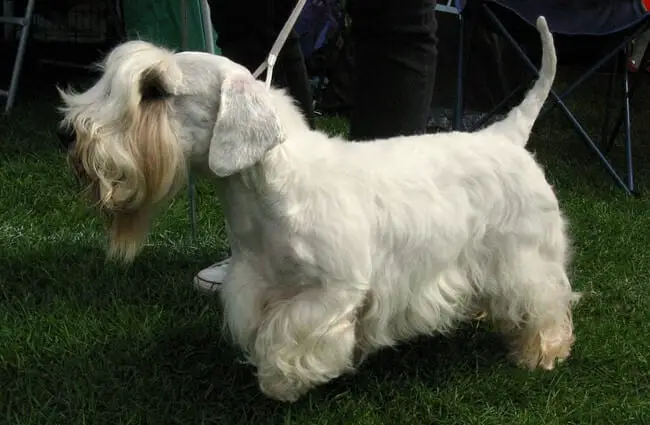
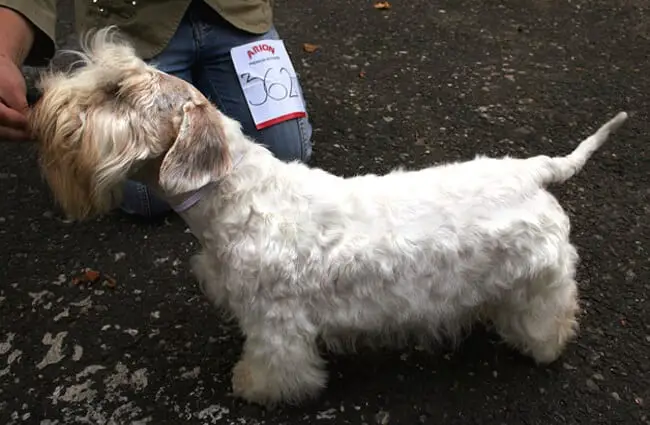
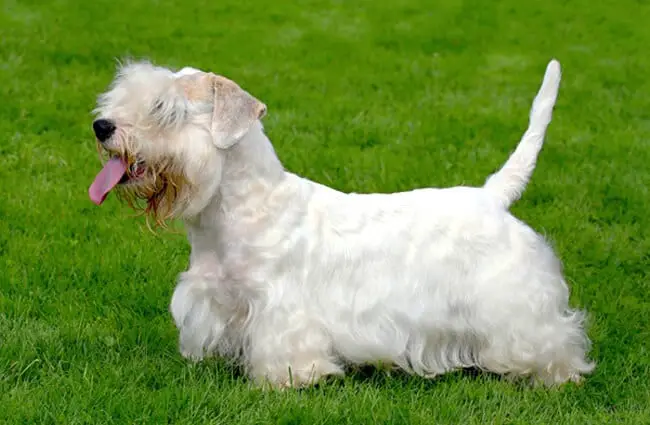
Sealyham Terriers are compact and powerfully built, standing between 10 and 11 inches tall at the shoulder and weighing between 20 and 24 pounds. Their most striking feature is their predominantly white coat, though some puppies may exhibit lemon or badger markings that usually fade with maturity. The coat is double layered – a harsh, wiry outer coat and a soft undercoat – providing protection from the elements. Regular grooming is essential to maintain coat health and prevent matting. Their eyes are dark and expressive, lending them an intelligent and alert appearance. The tail is traditionally docked, but undocked tails are becoming increasingly common. A characteristic feature is their slightly domed skull and strong jaw.
Temperament and Behavior
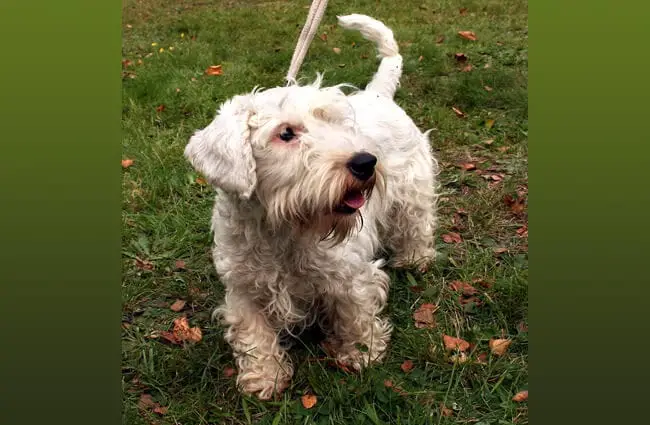
Sealyham Terriers possess a unique blend of traits. They are known for their bold and determined character, inherited from their working terrier ancestry. They are intelligent and can be independent thinkers, which can sometimes translate into stubbornness. Early socialization and consistent training are crucial to channel this energy constructively. Despite their terrier spirit, Sealyhams are generally good‑natured and affectionate with their families. They can be playful and enjoy interactive games. While they typically get along with other dogs, their strong prey drive means caution is advised around smaller animals. They retain a strong instinct to dig, so providing a designated digging area in the garden can protect your flowerbeds. They are not typically excessive barkers, but will alert their owners to anything unusual.
Caring for Your Sealyham Terrier
Grooming
The Sealyham’s coat requires regular attention. Brushing several times a week helps remove loose hair and prevent matting. Professional grooming, including hand‑stripping, is recommended several times a year to maintain the coat’s texture and color. Hand‑stripping involves removing dead hairs by hand, preserving the coat’s natural harshness and color. Regular ear cleaning is also important, as the breed can be prone to ear infections. Dental hygiene, through regular brushing, is crucial for preventing dental disease.
Exercise
Sealyham Terriers are relatively active dogs, but their exercise needs can be met with moderate daily activity. A brisk walk or a play session in a securely fenced yard is usually sufficient. They enjoy mental stimulation, such as puzzle toys and training exercises. They also enjoy longer walks or hikes, but should always be kept on a leash or in a secure area due to their strong prey drive.
Training
Consistent, positive reinforcement‑based training is essential. Sealyhams are intelligent but can be independent, requiring patience and firmness. Start training early, focusing on basic obedience commands and socialization. Clicker training can be particularly effective. Early exposure to various sights, sounds, and people helps them develop into well‑adjusted adults. Addressing any unwanted behaviors, such as digging or excessive barking, through consistent training and redirection is crucial.
Health Considerations
While generally a robust breed, Sealyham Terriers are predisposed to certain health conditions. These include:
- Lens Luxation: A condition where the lens of the eye becomes displaced.
- Cataracts: Clouding of the lens, potentially leading to vision loss.
- Glaucoma: Increased pressure within the eye, also potentially causing blindness.
- Inner Ear Infections: Their ear shape can predispose them to ear infections.
- Hypothyroidism: A condition where the thyroid gland doesn’t produce enough hormones.
Responsible breeders screen their breeding stock for these conditions, helping to reduce the risk of affected puppies. Regular veterinary check‑ups are essential for early detection and management of any health concerns.
Is a Sealyham Terrier Right for You?
The Sealyham Terrier is a rewarding companion for the right owner. They thrive in homes where they receive plenty of attention, consistent training, and moderate exercise. They are well‑suited to both country and city living, provided their exercise needs are met. Their independent nature requires a confident and patient owner who can establish clear boundaries. They are not the best choice for families with very young children, as they may not appreciate rough handling. However, with proper socialization, they can coexist peacefully with children. If you are looking for a spirited, intelligent, and affectionate companion with a touch of Welsh charm, the Sealyham Terrier may be the perfect breed for you.
Beyond the Basics: Breed Specific Insights
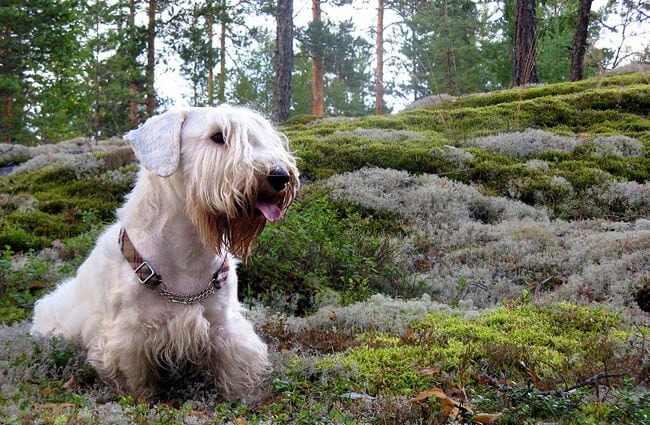
For those particularly interested in the Sealyham Terrier, several nuances are worth noting. Their double coat, while providing excellent protection, requires specialized grooming techniques. Hand‑stripping, a method of removing dead hair by hand, maintains the coat’s texture and color but requires skill and practice. The breed’s relatively low population means finding a reputable breeder can be challenging. Look for breeders who prioritize health testing and temperament. The Sealyham’s historical role as a working terrier has left them with a strong digging instinct. Providing a designated digging area or engaging them in scent work can redirect this behavior constructively. Their intelligence and independence make them excellent candidates for canine sports such as agility and earthdog trials.
In conclusion, the Sealyham Terrier is more than just a charming white dog. It is a breed steeped in history, possessing a unique blend of intelligence, tenacity, and affection. By understanding their needs and providing the proper care, you can forge a lasting bond with this remarkable companion.
![Closeup of a beautiful Red Angus cowPhoto by: U.S. Department of Agriculture [pubic domain]https://creativecommons.org/licenses/by/2.0/](https://animals.net/wp-content/uploads/2020/03/Red-Angus-4-100x75.jpg "Red Angus")