A Comprehensive Guide to the Scottish Terrier
The Scottish Terrier, often affectionately called a “Scottie,” is a small but mighty breed with a rich history and a distinctive personality. Originating in the rugged Scottish Highlands, these dogs were originally bred to hunt vermin, particularly foxes, badgers and otters. Their tenacity and courage earned them a reputation as formidable working dogs, and today they continue to charm and delight as beloved companions.
History and Origin
The history of the Scottish Terrier stretches back centuries, with evidence suggesting dogs resembling the breed existed in Scotland as early as the 16th century. These early Scotties were vital to the Highland farmers, helping control pests that threatened livestock and crops. Different types of terriers existed, leading to a period of refinement in the 19th century. Dedicated breeders worked to create a standardized breed, resulting in the sleek, dignified Scottie we know today. The breed gained considerable popularity in the late 19th and early 20th centuries, becoming a fashionable companion dog among the upper classes. Notably, several U.S. presidents, including Theodore Roosevelt, were proud Scottie owners.
Physical Characteristics
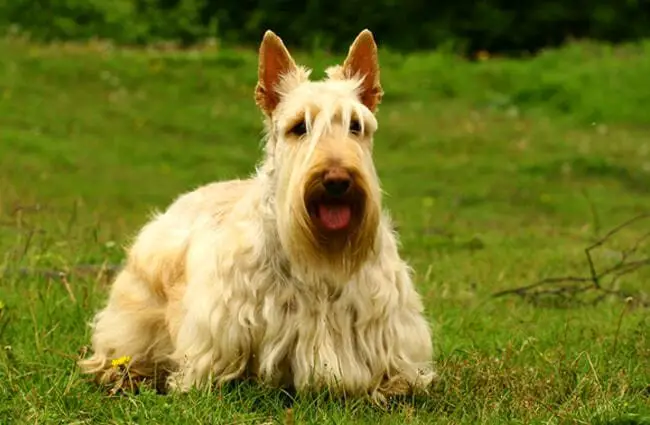
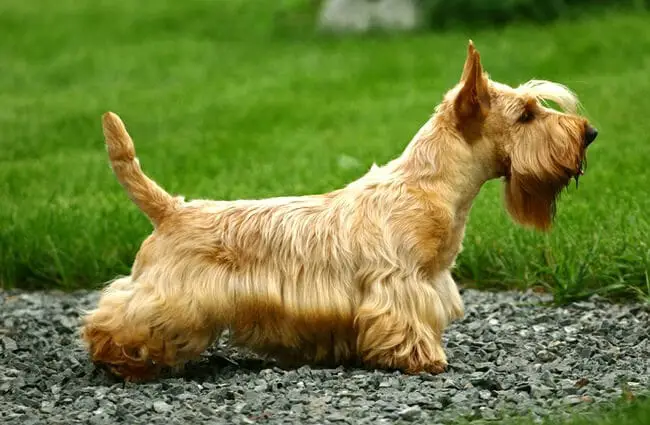
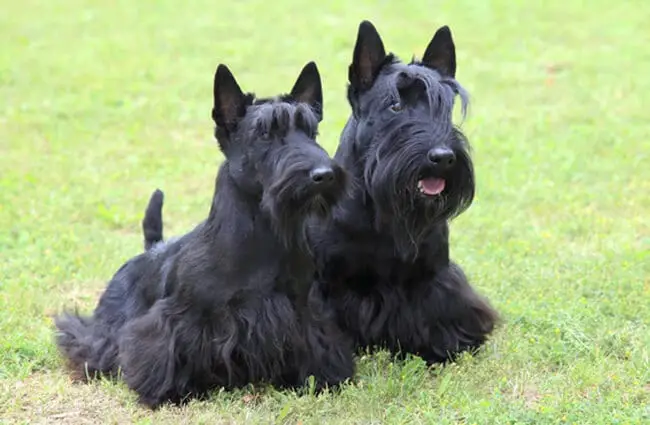
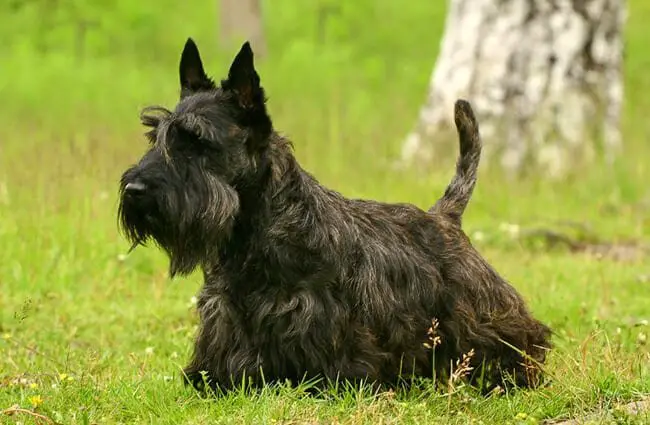
Scottish Terriers are compact, well-balanced dogs with a characteristic rectangular build. They typically stand between 10 and 11 inches tall at the shoulder and weigh between 18 and 22 pounds. Their most recognizable feature is undoubtedly their harsh, wiry outer coat and dense undercoat. This double coat provides protection from the elements, essential for their original working purpose. Common coat colors include black, brindle, and wheaten. The wheaten color is often associated with a recessive gene and can be a lighter shade. Scotties have a distinctive head shape with a long muzzle, keen eyes, and characteristic “beard” and eyebrows. Traditionally, their ears were cropped to stand erect, but this practice is now discouraged and often illegal. A natural ear carriage, folding slightly forward, is preferred.
Temperament and Behavior
Scottish Terriers are known for their independent, confident, and sometimes stubborn personalities. They possess a strong will and a playful spirit. While affectionate with their families, they can be reserved with strangers. Early socialization is crucial to help them develop into well-adjusted adults. They are intelligent dogs but can be challenging to train due to their independent nature. Positive reinforcement methods, such as treats and praise, are most effective. Consistency is key. Scotties retain a strong prey drive, a remnant of their hunting past. This means they may chase small animals, so secure fencing is essential. They can also be prone to digging. They are not generally known to be excessively vocal, but they will certainly alert their owners to anything unusual. They enjoy having a job to do, whether it is a puzzle toy or a short training session.
Caring for Your Scottish Terrier
Grooming: The Scottish Terrier coat requires regular maintenance. Weekly brushing helps remove loose hair and prevent matting. Professional grooming, including hand stripping, is recommended several times a year to maintain the coat’s texture and color. Hand stripping involves plucking out dead hairs, which encourages the growth of a healthy, wiry coat. Bathing should be done only when necessary, as frequent bathing can strip the coat of its natural oils. Regular ear cleaning is also important to prevent infections.
Exercise: Scotties are relatively energetic dogs, but their exercise needs can be met with moderate daily activity. A 30 minute walk or play session is usually sufficient. They enjoy exploring and sniffing, so allowing them to explore a secure area is beneficial. Mental stimulation is also crucial to prevent boredom. Puzzle toys, training sessions, and interactive games can help keep them engaged.
Diet: A high quality dog food formulated for small breeds is essential. The amount of food will vary depending on the dog’s age, activity level, and metabolism. It’s important to avoid overfeeding, as Scotties can be prone to weight gain. Providing fresh water at all times is crucial.

Health Considerations
Scottish Terriers are generally healthy dogs, but they are prone to certain health conditions. These include:
- Scottie Cramp: A painful neuromuscular condition that causes temporary paralysis, typically affecting the hind legs. The cause is not fully understood, but it’s thought to be linked to electrolyte imbalances.
- Cystinuria: A hereditary condition that causes the formation of cystine stones in the urinary tract.
- Progressive Retinal Atrophy (PRA): A degenerative eye disease that can lead to blindness.
- Allergies: Scotties can be prone to skin allergies, which can cause itching and inflammation.
- Cancer: Unfortunately, Scotties have a higher incidence of certain types of cancer, including bladder cancer and mast cell tumors.
Responsible breeders screen their dogs for these conditions to minimize the risk of passing them on to their puppies. Regular veterinary checkups are essential to detect and treat any health problems early on.
Is a Scottish Terrier Right for You?
Scottish Terriers can make wonderful companions for the right owners. They are best suited for families who are willing to provide them with consistent training, regular grooming, and plenty of attention. They thrive in homes where they are considered part of the family. Their independent nature means they may not be the best choice for first time dog owners or those who prefer a highly obedient dog. However, for those who appreciate a confident, spirited, and loyal companion, the Scottish Terrier is a breed that will bring years of joy.
Beyond the Basics: Delving Deeper into Scottie Behavior
For those deeply interested in the nuances of the breed, understanding the historical context of Scottie behavior is key. Their strong prey drive isn’t simply a quirk; it’s a deeply ingrained instinct honed over centuries of vermin hunting. Similarly, their occasional stubbornness isn’t defiance, but rather a reflection of their independent working style – they were bred to assess situations and act decisively, not necessarily to blindly obey commands. This also explains why they respond so well to positive reinforcement – rewarding desired behaviors reinforces their natural inclination to “think” and make choices.
Scotties also exhibit a unique form of communication. While they may not be excessively vocal, they are masters of subtle body language. Paying attention to their ear position, tail movements, and facial expressions can provide valuable insights into their mood and intentions. They are also highly sensitive dogs and can pick up on their owner’s emotions easily.
In conclusion, the Scottish Terrier is a breed steeped in history, brimming with personality, and capable of forging a deep and lasting bond with its chosen family. While they may require a bit of extra effort and understanding, the rewards are immeasurable for those who are willing to embrace all that this remarkable breed has to offer.
![Closeup of a beautiful Red Angus cowPhoto by: U.S. Department of Agriculture [pubic domain]https://creativecommons.org/licenses/by/2.0/](https://animals.net/wp-content/uploads/2020/03/Red-Angus-4-100x75.jpg "Red Angus")