A Noble History: Introducing the Scottish Deerhound
The Scottish Deerhound is a breed steeped in history, a majestic hound originally developed to hunt red deer in the Scottish Highlands. For centuries, these dogs were not merely pets but vital components of a sporting lifestyle, prized by Highland chieftains for their ability to run down and hold large game. The breed’s existence was intrinsically linked to the landed gentry, and its fortunes waned with changes in land ownership and hunting practices. Fortunately, dedicated breeders intervened to save the Scottish Deerhound from extinction in the late 19th and early 20th centuries, preserving a unique piece of Scottish heritage.
Physical Characteristics: A Gentle Giant
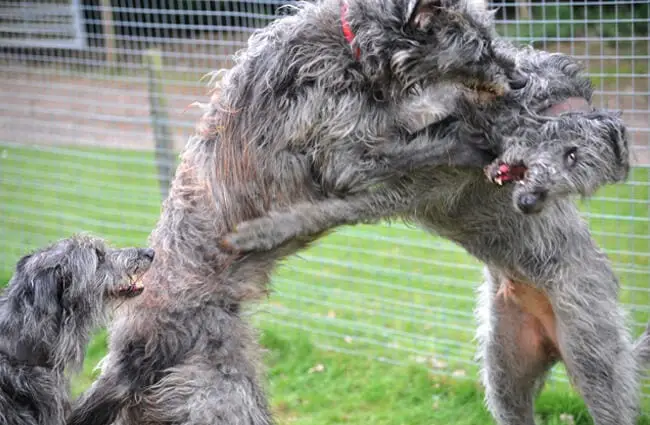
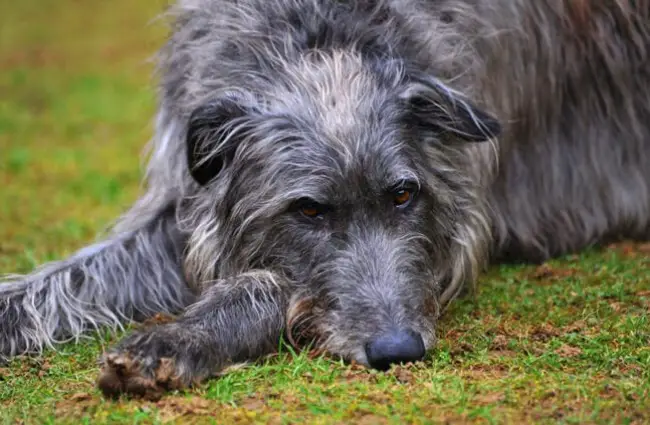
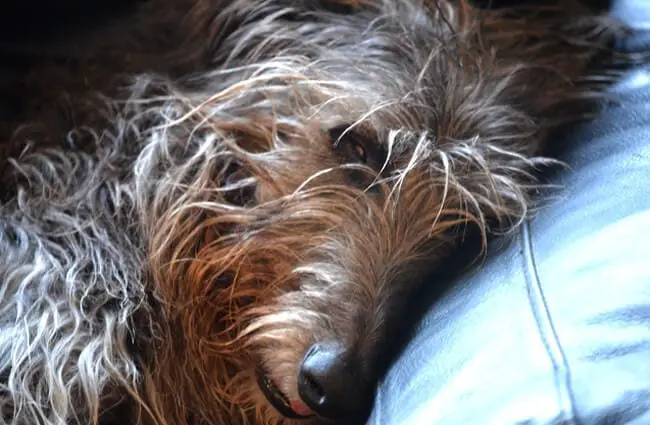
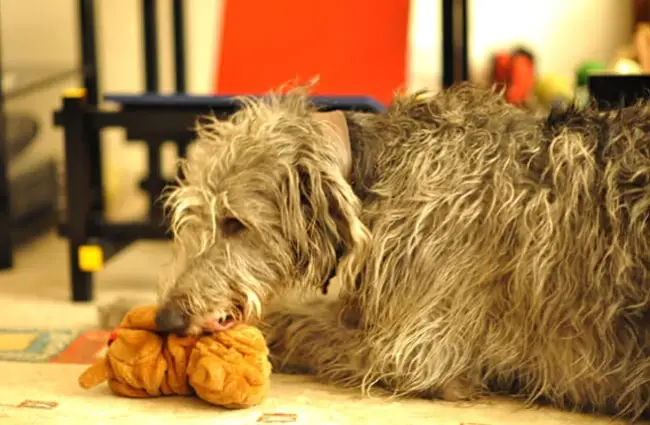
Scottish Deerhounds are large dogs. Mature males typically stand 30 to 32 inches tall at the shoulder and weigh between 85 and 110 pounds. Females are slightly smaller, generally reaching 28 to 30 inches in height and weighing 75 to 95 pounds. Their build is lean and muscular, reflecting their athletic heritage. The coat is wiry and coarse, providing protection from the harsh Scottish climate. Acceptable colors include grey, blue‑grey, yellow, brindle, and various shades of these, often with darker markings. A distinctive feature is their rough facial hair, particularly around the eyes and muzzle.
Grooming and Maintenance
Despite their rugged appearance, Scottish Deerhounds require regular grooming. The wiry coat needs weekly brushing to remove loose hair and prevent matting. Occasional bathing is sufficient, but excessive bathing can strip the coat of its natural oils. Regular nail trimming and ear cleaning are also essential for maintaining overall health. Because they are deep‑chested dogs, they are prone to bloat, so feeding smaller, more frequent meals is recommended.
Temperament and Behavior: The Velvet Touch
Despite their imposing size, Scottish Deerhounds are renowned for their gentle and dignified temperament. They are often described as having a “velvet touch,” being incredibly sensitive and affectionate with their families. They are generally calm and quiet indoors, but benefit from regular exercise to burn off energy. They are intelligent dogs, but can be independent thinkers, which can sometimes make training challenging. Early socialization and consistent positive reinforcement are crucial. While generally good with children, their size means careful supervision is essential, especially with smaller children.
Exercise Requirements
Scottish Deerhounds require a significant amount of exercise. While they don’t need constant, intense activity, they benefit from daily walks, runs, or opportunities to explore a secure, fenced yard. Due to their hunting background, they enjoy opportunities to sniff and explore. Off‑leash exercise should only be undertaken in safe, secure areas, as their prey drive can be strong. Mental stimulation, such as puzzle toys and training games, is also important to keep them engaged and prevent boredom.
Caring for Your Scottish Deerhound: A Comprehensive Guide
Health Considerations
Like all breeds, Scottish Deerhounds are predisposed to certain health issues. Bloat (gastric dilatation‑volvulus) is a serious concern, requiring immediate veterinary attention. Cardiomyopathy, a disease of the heart muscle, can also occur. Other potential health problems include hip dysplasia, osteosarcoma (bone cancer), and cystinuria (a kidney disorder). Responsible breeders screen their dogs for these conditions to minimize the risk of passing them on to their offspring. Regular veterinary checkups are essential for early detection and treatment of any health issues.

Training and Socialization
Early socialization is paramount for Scottish Deerhounds. Expose them to a wide variety of people, places, and sounds from a young age to help them develop into well‑adjusted adults. Positive reinforcement training methods are most effective, as they respond well to rewards and encouragement. Be patient and consistent, and avoid harsh punishments, which can damage their sensitive nature. They can be stubborn, so keep training sessions short and engaging.
The Scottish Deerhound: Beyond the Basics
For those considering a Scottish Deerhound, it is important to understand they are not a breed for everyone. Their size requires ample space, and their exercise needs are significant. They are also sensitive dogs who thrive on human companionship. A bored or neglected Deerhound can become destructive or withdrawn.
A Breed for the Dedicated
The Scottish Deerhound is a truly special breed—a majestic, gentle giant with a rich history and a loving heart. They are a loyal companion for those who are willing to meet their needs and provide them with the love and attention they deserve. For the dedicated owner, the rewards are immeasurable.
Understanding the nuances of this ancient breed, from their exercise and dietary needs to potential health concerns, ensures a long and happy life for both dog and owner. The commitment is substantial, but the companionship offered by a Scottish Deerhound is unparalleled.
![Closeup of a beautiful Red Angus cowPhoto by: U.S. Department of Agriculture [pubic domain]https://creativecommons.org/licenses/by/2.0/](https://animals.net/wp-content/uploads/2020/03/Red-Angus-4-100x75.jpg "Red Angus")