
The Rhodesian Ridgeback: A Legacy of Courage and Companionship
The Rhodesian Ridgeback, often called the “African Lion Hound,” is a breed steeped in history and possessing a unique blend of athleticism, intelligence, and loyalty. Originally bred in Southern Africa to hunt lions and protect homesteads, this magnificent dog has evolved into a cherished companion for active families. Understanding the breed’s origins and inherent traits is crucial for prospective owners to ensure a harmonious and fulfilling relationship.

A History Forged in the African Bush
The story of the Rhodesian Ridgeback begins in the 17th and 18th centuries with the Khoikhoi people of Southern Africa. They kept a distinctive type of dog, characterized by a ridge of hair that grows along its spine in the opposite direction to the rest of its coat. These dogs were valued for their hunting prowess and guarding abilities. When European settlers arrived, particularly in the region now known as Zimbabwe (formerly Rhodesia), they interbred these native dogs with European breeds such as Greyhounds, Irish Wolfhounds, and various terriers.
The goal was to create a versatile working dog capable of surviving the harsh African conditions, tracking game, and defending against predators. The resulting breed was a powerful and resilient hunter, adept at both tracking and baying lions – hence the nickname. During the 19th and 20th centuries, these dogs played a vital role in protecting farms and livestock. The iconic ridge, a hallmark of the breed, became a defining characteristic. The ridge is a genetic trait that distinguishes the breed and indicates its African origins.

Physical Characteristics: A Breed Apart
Size and Weight
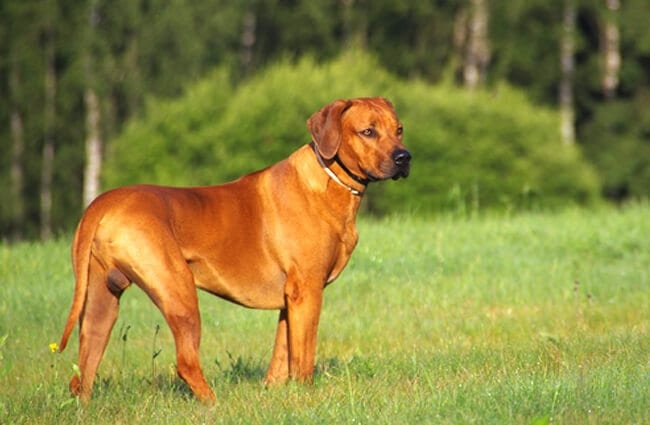
Rhodesian Ridgebacks are large, muscular dogs. Males typically stand between 24 and 27 inches tall at the shoulder and weigh between 80 and 110 pounds. Females are slightly smaller, ranging from 23 to 26 inches in height and weighing between 70 and 90 pounds. Their build is athletic and streamlined, reflecting their history as hunters. They are not bulky but possess substantial muscle mass.
Coat and Color
The most distinctive feature of the Rhodesian Ridgeback is, of course, the ridge itself. This ridge is formed by a band of hair that grows in the opposite direction to the rest of the coat. It should be clearly defined and symmetrical. The coat is short, dense, and glossy. Accepted colors include wheaten, red wheaten, and light to dark reddish brown. White markings are common on the chest, feet, and muzzle, but excessive white is discouraged. The coat requires minimal grooming, making them relatively easy to maintain in terms of coat care.

Temperament and Behavior: A Loyal and Independent Spirit
Rhodesian Ridgebacks are known for their loyalty, intelligence, and independence. They form strong bonds with their families and are fiercely protective. However, this protectiveness can sometimes translate into aloofness with strangers. Early socialization is crucial to ensure they are well‑adjusted and confident in various situations. They are intelligent dogs but can be stubborn, requiring consistent and patient training.
They retain a strong prey drive, stemming from their hunting background, so caution is advised around smaller animals. They are energetic dogs and require plenty of exercise to stay happy and healthy. Long walks, runs, hikes, and play sessions are essential. Without adequate stimulation, they can become bored and destructive. Rhodesian Ridgebacks aren’t typically overly vocal but will bark to alert their owners to potential threats.

Caring for Your Rhodesian Ridgeback: A Guide for Owners
Exercise Needs
As mentioned, Rhodesian Ridgebacks require a significant amount of exercise. Aim for at least one to two hours of vigorous activity per day. This could include long walks, runs, hikes, or participation in canine sports such as agility or flyball. Puzzle toys and interactive games can also help keep them mentally stimulated.
Training and Socialization
Early socialization is paramount. Expose your Rhodesian Ridgeback puppy to a variety of people, places, and situations to help them develop into a well‑adjusted adult. Positive reinforcement training methods work best. Consistency is key, and short, frequent training sessions are more effective than long, infrequent ones. They are intelligent but independent, so patience and persistence are essential.
Health Considerations
Rhodesian Ridgebacks are generally a healthy breed, but they are prone to certain health conditions. These include hip and elbow dysplasia, degenerative myelopathy (a progressive spinal cord disease), and bloat (gastric dilatation‑volvulus). Responsible breeders screen their dogs for these conditions to minimize the risk of passing them on to their puppies. Regular veterinary checkups and a healthy diet are essential for maintaining your dog’s well‑being.
Is a Rhodesian Ridgeback Right for You?
The Rhodesian Ridgeback is a magnificent breed, but they aren’t for everyone. They are best suited for active families who can provide them with plenty of exercise, training, and socialization. They need a confident owner who can establish clear boundaries and provide consistent leadership. They may not be the best choice for first‑time dog owners or those who live in small apartments.
However, for the right owner, a Rhodesian Ridgeback can be a loyal, loving, and rewarding companion. They are intelligent, athletic, and possess a unique blend of independence and affection. Their history as courageous hunters and protectors has shaped them into the magnificent dogs they are today. Their resilience, intelligence, and unwavering loyalty make them truly special.

Fascinating Facts about Rhodesian Ridgebacks
Beyond their history and characteristics, there are some intriguing facts about this unique breed:
- The ridge itself is a dominant genetic trait.
- Not all ridges are created equal; breeders strive for symmetrical and well‑defined ridges.
- Rhodesian Ridgebacks were sometimes called “lion dogs” because they were used to keep lions at bay, giving hunters a chance to escape.
- They have a remarkable ability to “bay” at lions, a trait that set them apart from other hunting breeds.
- Rhodesian Ridgebacks are known for their coral‑colored noses, which are often lighter in color than those of other breeds.



![Closeup of a beautiful Red Angus cowPhoto by: U.S. Department of Agriculture [pubic domain]https://creativecommons.org/licenses/by/2.0/](https://animals.net/wp-content/uploads/2020/03/Red-Angus-4-100x75.jpg "Red Angus")